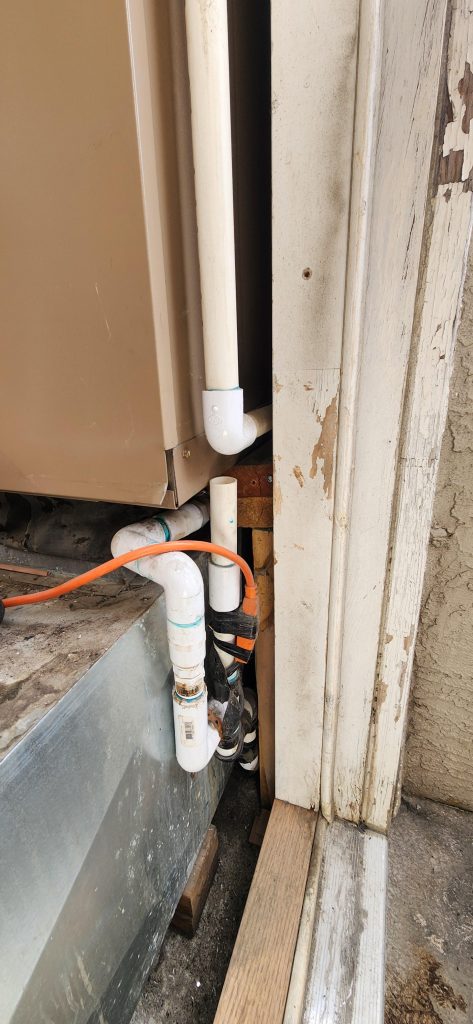
Is your condensate line in danger of freezing? You’re not alone.
Many homeowners face this chilling problem, especially during the colder months. A frozen condensate line can wreak havoc on your home’s heating system, leading to costly repairs and discomfort. But worry not! By understanding a few simple strategies, you can ensure your condensate line stays ice-free and your home remains warm and cozy.
Imagine the peace of mind knowing your heating system is running smoothly, even in the coldest weather. Ready to discover how to protect your system and avoid unnecessary headaches? Let’s dive into the steps you can take to keep your condensate line from freezing.

Credit: www.plusheat.co.uk
Causes Of Condensate Line Freezing
Condensate line freezing happens when water inside the drain line turns to ice. This blockage stops proper drainage and may cause water damage. Understanding the causes helps prevent freezing and keeps your system running smoothly.
Low Temperature Effects
Cold weather drops the temperature around the condensate line. When temperatures fall below freezing, the water inside the line can freeze quickly. This is common in unheated spaces like basements or crawl spaces. The frozen water blocks the line, causing backups and leaks.
Poor Insulation
Insufficient insulation exposes the condensate line to cold air. Without proper covering, the pipe loses heat easily. This makes it easier for the water inside to freeze. Insulating the line helps keep the temperature stable and prevents ice formation.
Clogged Drain Lines
Dirt, dust, and algae can clog condensate drain lines. These blockages slow water flow and create standing water. Standing water freezes faster in cold conditions. Regular cleaning of the drain line reduces the chance of freezing and keeps the system efficient.
Signs Of A Frozen Condensate Line
Identifying the signs of a frozen condensate line early can save you from costly repairs and uncomfortable indoor conditions. This line carries away moisture from your HVAC system, so any blockage caused by freezing can disrupt its normal operation. Recognizing the symptoms lets you act quickly to prevent further damage.
Water Leakage
One of the clearest signs of a frozen condensate line is water leakage near your HVAC unit. When the line freezes, water can’t drain properly and starts to back up, causing puddles or damp spots around the system. If you notice unexplained moisture pooling near your air conditioner or furnace, it’s a strong indicator that the condensate line might be clogged or frozen.
Unusual Noises
Have you ever heard strange gurgling or bubbling sounds coming from your HVAC system? These noises often mean water is trapped inside the condensate line instead of flowing freely. Ice build-up can cause blockages, creating pressure and odd sounds as the system struggles to drain properly.
Hvac System Shutdown
Your HVAC system might shut down unexpectedly if the condensate line freezes. Many units have safety switches that turn the system off to prevent water damage from overflow. If your system stops working without a clear reason, a frozen condensate line could be the culprit.
Preventive Measures
Preventing your condensate line from freezing is crucial to avoid costly repairs and ensure your HVAC system runs smoothly during cold weather. Taking simple preventive measures can save you from the hassle of dealing with blockages and water damage. Let’s look at some effective ways to protect your condensate line before the temperatures drop.
Insulating The Line
Wrapping your condensate line with insulation helps keep it warm enough to prevent ice buildup. Use foam pipe insulation sleeves or fiberglass wrap designed for outdoor pipes. These materials create a barrier that slows heat loss, especially in unheated or exposed areas like basements or crawl spaces.
Check the insulation regularly for any gaps or wear. Even a small exposed section can become a freezing point. Have you noticed how just a tiny crack in your window lets in cold air? The same principle applies here.
Using Heat Tape
Heat tape is an electrical heating element that you wrap around your condensate line. It provides consistent warmth to keep the water flowing freely. Choose heat tape with a built-in thermostat to avoid overheating or wasting energy.
When installing, follow the manufacturer’s instructions carefully. Overlapping the tape or using the wrong type can cause damage or pose a fire risk. Do you know where your condensate line runs? Applying heat tape directly to the line in the coldest spots is key.
Maintaining Proper Drainage
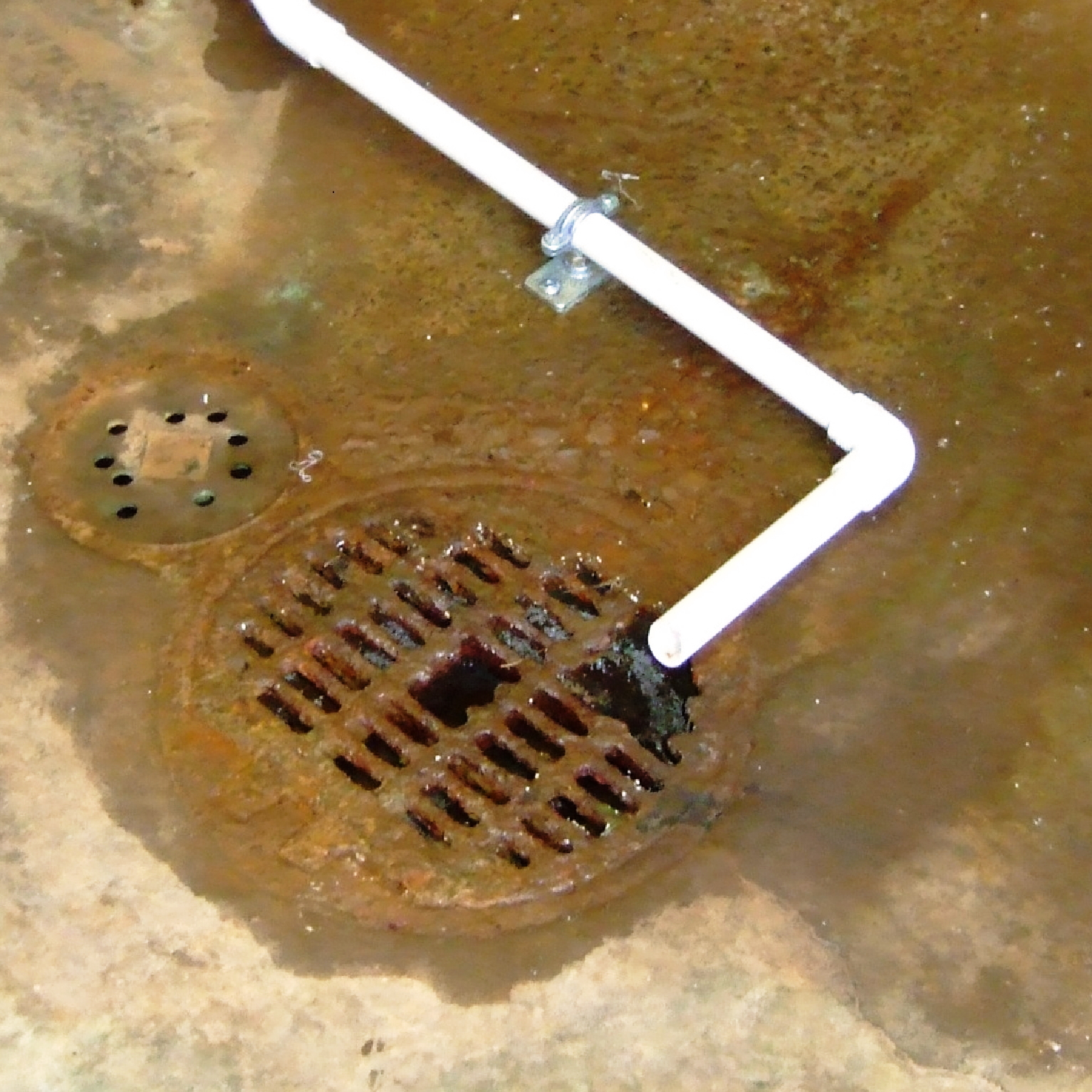
Ensuring your condensate line drains properly prevents water from sitting and freezing inside. Regularly clear any clogs or debris that could block the flow. Even a small obstruction can cause water to back up and freeze.
Check the slope of the drain line, making sure it directs water away from your home. Standing water is always a problem in freezing conditions. Have you inspected your drain line recently? A quick look can prevent bigger headaches down the line.

Credit: www.reddit.com
Diy Fixes For Frozen Lines
Frozen condensate lines can quickly turn into a frustrating problem during cold spells. The good news is, you don’t always need a professional to get things flowing again. With some simple tools and a bit of care, you can tackle frozen lines on your own and prevent damage to your HVAC system.
Thawing Techniques
Start by gently warming the frozen section of the condensate line. You can use a hairdryer on low heat, moving it slowly along the pipe to avoid overheating any one spot. Applying heat too fast can crack the pipe, so patience is key.
If a hairdryer isn’t available, wrapping the pipe with warm towels works well too. Soaking the towels in hot water and replacing them every few minutes helps maintain consistent warmth. Have you checked the temperature outside? Sometimes simply raising your home’s thermostat can help thaw the line from the inside.
Clearing Blockages
Frozen condensate lines often get blocked by ice or debris. After thawing, flush the line with a mixture of warm water and a little vinegar to clear out any buildup. This prevents future blockages and keeps the line clear.
Using a wet/dry vacuum at the drain end can also suck out any remaining water or debris stuck inside. Be careful not to damage the pipe or fittings during this process. Have you ever found unexpected dirt or sludge in your drain? Clearing that out can improve your system’s efficiency.
Temporary Heating Solutions
To stop the line from freezing again, adding temporary heat sources can help. Heat tape or heating cables wrapped around the condensate line provide steady warmth during cold nights. Make sure the product is rated for outdoor use and follow the manufacturer’s instructions closely.
If heat tape isn’t an option, placing a small space heater nearby or insulating the pipe with foam sleeves can reduce freezing risks. Just be mindful of safety and avoid leaving heaters unattended. What simple heating methods have you tried that actually worked during a cold snap?
Professional Solutions
Professional solutions offer reliable ways to keep condensate lines from freezing. Experts use advanced techniques and tools to protect your HVAC system. These solutions reduce the risk of damage and improve system efficiency.
Upgrading Drainage Systems
Old drainage systems often cause condensate lines to freeze. Professionals replace outdated pipes with insulated, weather-resistant materials. They design systems to improve water flow and prevent standing water. Proper slope and pipe size help condensate drain quickly. Upgrades reduce ice buildup and system blockages.
Installing Condensate Pumps
Condensate pumps move water away from the HVAC system. Experts install pumps in hard-to-drain areas. Pumps reduce water pooling inside pipes and prevent freezing. They come with automatic sensors to start and stop pumping. This keeps condensate flowing even in cold weather.
Routine Maintenance Services
Regular maintenance keeps condensate lines clear and dry. Professionals clean lines and check for cracks or leaks. They also inspect insulation and heating elements. Routine service helps detect issues early and avoid freezing. Scheduled checks extend the life of your HVAC system.
Seasonal Tips To Avoid Freezing
Keeping your condensate line from freezing during cold months takes simple, seasonal care. Following specific tips helps protect your system and avoid costly repairs. Focus on preparation, regular checks, and monitoring your system’s health.
Winter Preparations
Start by insulating exposed condensate lines. Use foam pipe sleeves or heat tape for protection. Clear nearby debris and ensure good airflow around the unit. Lower your thermostat slightly to prevent excessive condensation. Drain the condensate line before freezing temperatures arrive.
Regular Inspections
Check the condensate line weekly during winter. Look for cracks or leaks in the pipe. Confirm that insulation remains intact and in place. Remove any blockages or buildup inside the drain line. Inspect outdoor units for ice or frost accumulation.
Monitoring System Performance
Keep an eye on your HVAC system’s drainage. Notice any slow draining or water pooling near the unit. Use a moisture sensor or smart thermostat alerts for early warnings. Schedule professional tune-ups to maintain proper system function. Acting fast helps prevent frozen condensate lines and damage.
Credit: www.jlconline.com
Frequently Asked Questions
How Do I Prevent My Condensate Line From Freezing?
Insulate the condensate line with foam pipe sleeves or heat tape. Ensure proper drainage and keep the area warm. Regularly inspect for blockages to maintain flow and prevent ice buildup.
Why Does My Condensate Line Freeze In Winter?
Condensate lines freeze when cold air lowers water temperature inside the pipe. Poor insulation and slow drainage cause water to freeze, blocking the line and triggering system issues.
Can Heat Tape Stop Condensate Line Freezing?
Yes, heat tape can keep the condensate line warm and prevent freezing. It wraps around the pipe, providing consistent heat during cold weather, ensuring water flows smoothly.
What Are Signs Of A Frozen Condensate Line?
Slow drainage, water leaks near the furnace, and unusual noises indicate freezing. You might also notice your HVAC system shutting down due to blocked condensate flow.
Conclusion
Preventing your condensate line from freezing protects your heating system well. Regular checks keep water flowing smoothly and avoid costly damage. Insulation and heat tape work together to keep pipes warm. Clear debris and ensure proper drainage to stop clogs.
Taking simple steps now saves time and money later. Stay proactive to keep your home safe and comfortable all winter. Small efforts lead to big benefits. Keep your system running smoothly with these easy tips.