Are you curious about how much electricity your ice maker uses? Whether you’re a homeowner keeping your drinks cool or a business owner catering to customers, understanding the energy consumption of your ice maker can save you money and help you make smarter decisions.
You might be surprised to learn just how much power this little appliance can consume over time. By knowing the specifics, you can take control of your electricity bills and make your ice maker work more efficiently. Stick around, because we’re about to dive into the details that will help you optimize your energy usage, and trust us, you don’t want to miss out on these money-saving insights!
Ice Maker Energy Basics
Understanding the energy basics of your ice maker is key to managing your electricity bills. Ice makers, while convenient, do consume power, and knowing how they use energy helps you make smarter choices. Let’s break down what powers your ice maker and what influences its electricity use.
How Ice Makers Consume Power
Ice makers mainly use electricity to freeze water and operate mechanical parts. The compressor runs to cool the water, while the motor moves the ice into the storage bin. These components work in cycles, not constantly, which helps save energy.
Besides freezing, the ice maker uses power to control sensors and heaters that release the ice cubes. These small functions add up but usually consume less energy compared to the freezing process. Have you ever noticed your ice maker running more often during hot days? That’s because higher temperatures make it work harder.
Factors Affecting Energy Use
Several factors can influence how much electricity your ice maker consumes. The size of the unit, how often you use it, and ambient temperature all play a part. A larger ice maker or one that produces ice frequently will naturally draw more power.
- Usage frequency:More ice production means more power consumption.
- Room temperature:Warmer environments force the machine to work harder.
- Maintenance:Dirty or old filters and coils reduce efficiency.
- Model efficiency:Newer, Energy Star-rated models often use less electricity.
Think about where your ice maker is placed. Could moving it to a cooler spot reduce its workload? Small changes like this can lead to noticeable savings on your energy bill.
Credit: www.vevor.ca
Average Electricity Use Of Ice Makers
Understanding the average electricity use of ice makers helps manage energy costs effectively. Ice makers vary in power use based on size and type. Knowing typical wattage and consumption patterns aids in estimating expenses.
Typical Wattage Range
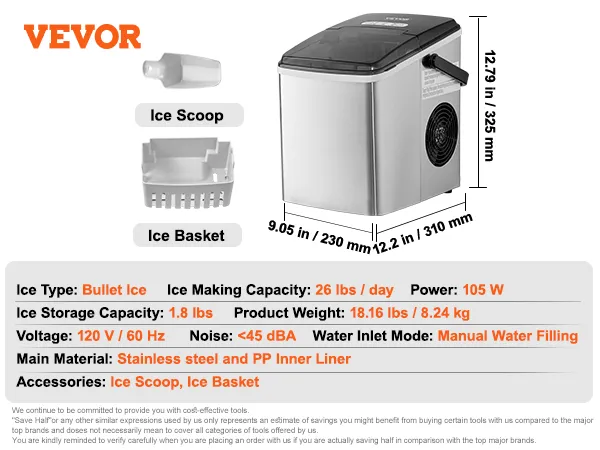
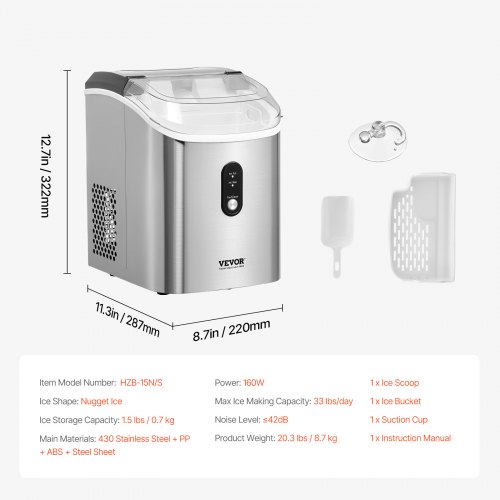
Most household ice makers use between 100 and 300 watts. Commercial ice machines tend to use more, often from 300 to 800 watts. The wattage depends on the machine’s capacity and efficiency.
Smaller portable ice makers usually consume less power. Larger built-in or under-counter models draw more electricity.
Daily And Monthly Consumption
Daily electricity use depends on how long the ice maker runs each day. A typical home ice maker runs about 8 to 12 hours daily. This translates to roughly 0.8 to 3.6 kilowatt-hours (kWh) per day.
Monthly consumption averages between 24 and 108 kWh. This range varies with usage and machine type. Tracking your ice maker’s consumption helps control energy bills.
Comparing Ice Maker Types
Ice makers come in different types, each using electricity differently. Comparing these types helps you understand their energy needs and costs. This guide breaks down key differences to help you choose the right one.
Built-in Vs. Portable Units
Built-in ice makers are part of kitchen appliances. They connect directly to your water supply and work continuously. These units use more electricity but produce larger ice quantities.
Portable ice makers sit on countertops. They do not need plumbing and are easy to move. They use less power but make ice in smaller batches. Ideal for occasional use or small spaces.
- Built-in:Higher energy use, steady ice production.
- Portable:Lower energy use, limited ice output.
Commercial Vs. Residential Models
Commercial ice makers serve businesses like restaurants and bars. They run longer hours and create ice fast. These models consume more electricity due to heavy use.
Residential ice makers are designed for home use. They operate less frequently and produce less ice. They are more energy-efficient for everyday needs.
| Feature | Commercial Models | Residential Models |
|---|---|---|
| Ice Production | High volume | Moderate volume |
| Energy Consumption | Higher | Lower |
| Usage Hours | Extended | Limited |
Credit: www.vevor.ca
Energy Efficiency Ratings
Energy efficiency ratings show how much power an ice maker uses. These ratings help compare models to find the most energy-saving one. Choosing an efficient ice maker reduces electricity use and saves money over time.
Manufacturers test ice makers to give them energy scores. These scores appear on labels and tell how much electricity the machine consumes. Understanding these ratings helps pick the right appliance for your needs.
What To Look For In Labels
Energy labels usually include a rating scale from A to G. A means the ice maker uses the least energy. G means it uses the most. Look for models rated A or B for better efficiency.
Labels also show yearly energy use in kilowatt-hours (kWh). A lower kWh number means less electricity is needed. Check this number to estimate running costs.
- Energy Star certification indicates high efficiency
- Compare kWh values across different models
- Look for clear rating grades on the label
Impact On Electricity Bills
An efficient ice maker lowers your monthly electricity bill. Even small savings add up over a year. Using less power helps reduce overall energy expenses.
Ice makers with poor ratings may consume more power than necessary. This leads to higher bills without better performance. Investing in a good-rated model saves money long term.
Consider the ice maker’s size and usage too. Larger machines or heavy daily use increase electricity needs. Pick a model that fits your actual ice demand and has a good energy rating.
Tips To Reduce Ice Maker Energy Use
Reducing the energy use of your ice maker can make a noticeable difference on your electricity bill. Small changes in how you place, maintain, and use the machine often lead to better efficiency. These tips will help you get the most out of your ice maker while keeping energy consumption low.
Optimal Placement And Maintenance
Where you put your ice maker matters a lot. Placing it away from direct sunlight or heat sources like ovens or dishwashers prevents the compressor from working overtime. Cooler surroundings help the machine stay efficient without using extra power.
Cleaning your ice maker regularly keeps it running smoothly. Dust and dirt on coils or vents make the machine work harder, increasing energy use. Wiping down surfaces and checking filters every few months can save you money in the long run.
Have you noticed your ice maker making louder noises than usual? That might be a sign it needs maintenance. Addressing small issues early avoids bigger energy drains and expensive repairs.
Smart Usage Habits
Only make the ice you really need. Constantly running the ice maker or setting it to produce more than necessary wastes electricity. Try to match ice production to your actual consumption.
Avoid frequently opening the ice compartment. Every time you open it, warm air gets in, forcing the machine to cool down again. Planning ahead and grabbing enough ice at once helps reduce this energy loss.
Consider turning off the ice maker during periods of low use, like when you’re away for a weekend. This simple habit stops unnecessary power consumption without much effort.
- Use ice storage bins to hold extra ice instead of running the machine continuously.
- Set the machine to an energy-saving mode if available.
- Check for energy-efficient models when it’s time to replace your ice maker.

Credit: vividmoo.com
Alternative Cooling Options
Finding alternative cooling options can help you save electricity and reduce your energy bills without sacrificing the convenience of having ice readily available. Choosing the right ice-making method or appliance depends on your lifestyle, how often you use ice, and your willingness to trade off convenience for efficiency.
Manual Ice Makers
Manual ice makers are simple tools that don’t require electricity. You fill them with water and place them in your freezer until the ice freezes. This process uses no additional power beyond your freezer’s normal operation.
If you rarely need ice or prefer a hands-on approach, manual ice makers can be a great choice. They are inexpensive and easy to use, but keep in mind you’ll need to plan ahead since the freezing process takes time.
Have you ever noticed how much energy your automatic ice maker adds to your monthly bill? Switching to manual ice trays could be a small change that makes a noticeable difference.
Energy-saving Appliances
Modern energy-saving ice makers use advanced technology to reduce electricity consumption. Look for models with Energy Star certification or those designed to operate efficiently at lower power levels.
Some appliances have features like insulated storage bins and faster ice production cycles, which minimize energy use. Investing in these models can lead to long-term savings and less impact on the environment.
Before buying, check the appliance’s energy consumption specifications and compare them. Could a more efficient ice maker fit your budget and lifestyle better than your current setup?
Frequently Asked Questions
How Much Electricity Does A Typical Ice Maker Use?
A typical ice maker uses about 100 to 300 watts while running. Energy consumption depends on the model and usage frequency. On average, it consumes around 150 kWh annually, which is relatively low compared to other appliances.
Does An Ice Maker Increase My Electricity Bill Significantly?
No, an ice maker usually adds a small amount to your electricity bill. Its low power usage means it impacts energy costs minimally. Efficient models consume less power, helping keep your monthly expenses in check.
How Can I Reduce Electricity Use Of My Ice Maker?
To reduce electricity use, clean your ice maker regularly and keep it in a cool area. Avoid overfilling and use energy-efficient models. Proper maintenance ensures optimal performance and lowers energy consumption.
Is An Ice Maker More Energy-efficient Than Freezer Ice Trays?
Yes, ice makers are generally more energy-efficient than constantly freezing water in trays. They use less power by producing ice on demand. Modern ice makers often have energy-saving features to further reduce consumption.
Conclusion
An ice maker uses a small amount of electricity daily. This depends on its size and how often it runs. Choosing an energy-efficient model helps save power and money. Simple habits, like turning it off when not needed, reduce electricity use.
Knowing your ice maker’s energy needs can guide smart choices. Small changes make a big difference over time. Keep track of energy use to stay aware and save more. Electricity use is manageable with the right approach.