Have you ever wished your dry ice could last just a little bit longer? Whether you’re cooling drinks for a party or creating spooky effects, dry ice can disappear faster than you expect.
But what if you could stretch its life and get more value from every block or pellet? You’ll discover simple, effective tips that help you keep your dry ice colder and last longer. Keep reading to unlock easy tricks that save you money and frustration every time you use dry ice.
Your next project will thank you!
What Is Dry Ice
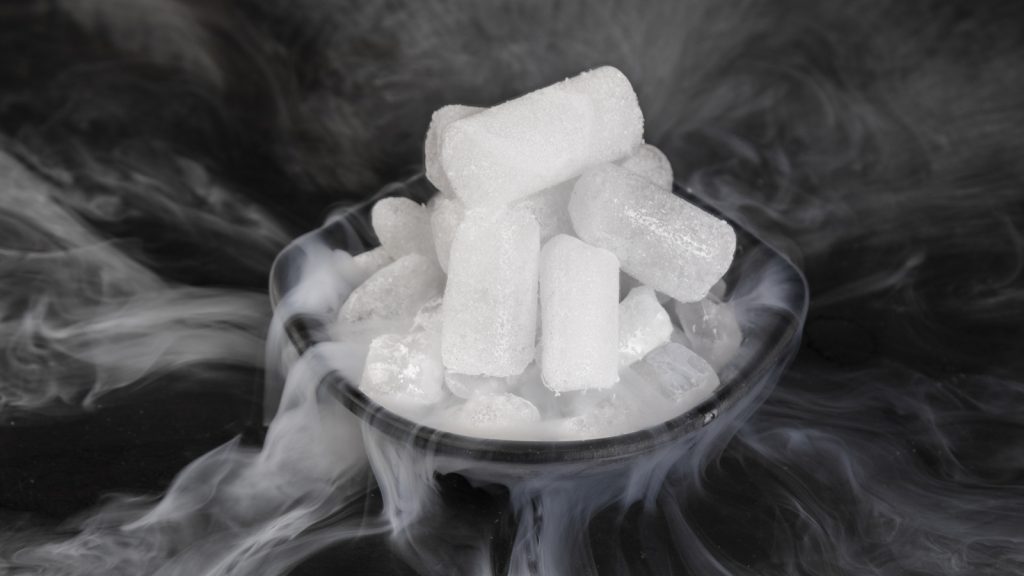
Dry ice is the solid form of carbon dioxide. It looks like ice but feels much colder. It does not melt into liquid. Instead, it turns directly into gas. This process is called sublimation. Dry ice is much colder than regular ice, making it useful for cooling things quickly. It is often used where regular ice cannot do the job well.
Properties Of Dry Ice
- Temperature: -78.5°C (-109.3°F), much colder than water ice
- Sublimation: turns directly from solid to gas without melting
- Color: white and opaque
- Density: heavier than water ice
- No liquid residue when it disappears
- Can cause frostbite if touched directly
Common Uses
- Keeping food and drinks cold during transport
- Creating fog effects in theater and parties
- Preserving biological samples in labs
- Cleaning machinery with dry ice blasting
- Cooling in scientific experiments
- Emergency refrigeration when power is out

Credit: www.tastingtable.com
Factors Affecting Dry Ice Longevity
Dry ice lasts for a limited time due to its unique properties. Understanding what affects its longevity helps you keep it longer. Several factors play a role in how long dry ice will last before it sublimates into gas.
Temperature Impact
Temperature is the biggest factor affecting dry ice life. The warmer the surroundings, the faster it turns to gas. Dry ice stored in a cold place lasts longer. Avoid heat sources and direct sunlight. Even room temperature speeds up sublimation quickly.
Storage Environment
The environment around dry ice affects its duration. A well-ventilated area reduces pressure buildup but increases sublimation. A sealed space traps cold gas but can build pressure. Keep dry ice away from moisture to prevent it from melting unevenly. Store it in a dry, cool, and dark place.
Container Types
The container used impacts how long dry ice stays solid. Insulated containers slow down sublimation. Styrofoam coolers work well because they trap cold air. Avoid metal containers; they conduct heat and speed melting. Use thick, airtight containers to extend dry ice life.
Best Storage Practices
To make the most of your dry ice, effective storage is key. Understanding the best storage practices can significantly extend its lifespan. Whether you’re planning a party or transporting perishable goods, knowing how to store dry ice properly can save you both time and money.
Using Insulated Containers
Insulated containers are essential for storing dry ice effectively. They help maintain the low temperatures required to keep dry ice from sublimating too quickly. Opt for a thick, sturdy cooler—preferably one with a lid that seals well. I once used a regular plastic container, and my dry ice didn’t even last a day! Invest in a quality cooler, and you’ll notice a significant difference.
Minimizing Air Exposure
Dry ice sublimates when exposed to air, so reducing air exposure can help it last longer. Always keep the container closed as much as possible. Every time you open it, you allow warm air to enter, accelerating sublimation. Is there a way to reduce the number of times you need to access the dry ice? Plan ahead and group your tasks to minimize exposure.
Avoiding Moisture Contact
Moisture is another enemy of dry ice. Contact with water or humidity speeds up sublimation. Ensure your storage container is dry and avoid placing the dry ice directly on damp surfaces. I learned this the hard way when storing dry ice for a camping trip. A slight leak in my cooler led to rapid sublimation, leaving me without ice just when I needed it most. Avoid this mistake by double-checking for moisture before storing your dry ice.
By following these best storage practices, you can extend the life of your dry ice, making it a more reliable tool for your needs. What other tips have worked for you when storing dry ice? Share your experiences and let’s make our dry ice last longer together!
Tips To Extend Dry Ice Life
Dry ice sublimates quickly if not stored properly. Extending its life saves money and ensures it lasts through your event or transport. These tips help slow down the melting process.
Layering Techniques
Wrap dry ice in newspaper or cloth to add insulation. Use multiple layers for better protection. Place dry ice at the bottom of the container. Add insulating materials like towels or foam above it. This reduces direct exposure to warm air.
Limiting Handling
Avoid opening the container often. Every time you open it, warm air enters and speeds up sublimation. Use gloves to handle dry ice quickly and safely. Minimize moving or touching the dry ice to keep it cold longer.
Storing In Cooler Areas
Keep dry ice in a cool, shaded place. Avoid direct sunlight or warm rooms. Store it in a well-insulated cooler or ice chest. Cooler temperatures slow down the sublimation process effectively.
Safety Precautions
Dry ice can be very useful but also dangerous if not handled properly. Taking safety precautions is important. It helps you avoid injuries and keeps your environment safe.
Handling Guidelines
- Always use thick gloves when touching dry ice.
- Use tongs or tools to move dry ice.
- Keep dry ice away from children and pets.
- Store dry ice in an insulated container, not airtight.
Ventilation Needs
Dry ice turns into carbon dioxide gas. This gas can build up in closed spaces. Use dry ice only in well-ventilated areas. Open windows and doors if indoors. Avoid small, sealed rooms to prevent breathing problems.
Avoiding Skin Contact
- Never touch dry ice with bare hands.
- Direct contact can cause frostbite or burns.
- If skin touches dry ice, rinse with warm water immediately.
- Wear protective clothing if handling large amounts.

Credit: therosetable.com
Common Mistakes To Avoid
Knowing what not to do can save you a lot of frustration when trying to make dry ice last longer. Avoiding common mistakes helps preserve its cooling power and keeps your experience safe and effective. Let’s look at some errors that many people unknowingly make and how you can steer clear of them.
Using Regular Coolers
Regular coolers are not designed for dry ice. They lack the extra insulation needed to slow down the sublimation process. Using a standard cooler means your dry ice will disappear faster than you expect.
Investing in a cooler specifically made for dry ice or one with thicker walls can make a big difference. Have you noticed how quickly dry ice melts in your everyday cooler? That’s a clear sign to upgrade your gear.
Storing With Perishables
It might seem logical to store dry ice directly with food or drinks, but this can backfire. Dry ice releases carbon dioxide gas, which can affect the quality and safety of perishables if stored improperly.
Keep dry ice separate or ensure there’s a barrier between it and your items. This prevents freezing damage and contamination. Have you ever found your fruits or veggies frozen solid after using dry ice? That’s a mistake you want to avoid.
Ignoring Ventilation
Dry ice turns into carbon dioxide gas, which needs space to escape. Storing it in a completely sealed container can cause pressure to build up, creating a dangerous situation.
Always allow some ventilation to let the gas dissipate safely. Think about how you feel in a room with poor air circulation—dry ice needs fresh air too. Are you confident your storage setup lets the gas out properly?

Credit: www.acouplecooks.com
Frequently Asked Questions
How Can I Store Dry Ice For Longer Duration?
Store dry ice in a well-insulated cooler with a tight lid. Avoid airtight containers to prevent pressure buildup. Keep it away from direct sunlight and warm areas for maximum longevity.
What Materials Help Preserve Dry Ice Effectively?
Thick Styrofoam or insulated coolers retain cold temperatures best. Layer dry ice with newspaper or cloth to reduce air exposure and slow sublimation.
Can Limiting Air Exposure Extend Dry Ice Life?
Yes, minimizing air contact slows dry ice sublimation. Store it in airtight containers with a vent or in insulated coolers to limit warm air exposure.
Does Dry Ice Size Affect How Long It Lasts?
Larger dry ice blocks last longer than smaller pellets. Bigger pieces have less surface area exposed, reducing sublimation rate and extending usability.
Conclusion
Dry ice lasts longer when stored in an insulated container. Keep it away from air and moisture to slow melting. Using thick gloves helps you handle it safely. Avoid opening the container often to keep cold air inside. These small steps make a big difference.
You can enjoy dry ice for many hours. Try these tips next time you use dry ice. It works well for parties, shipping, or science projects. Save money and reduce waste by making dry ice last longer. Simple actions bring better results every time.