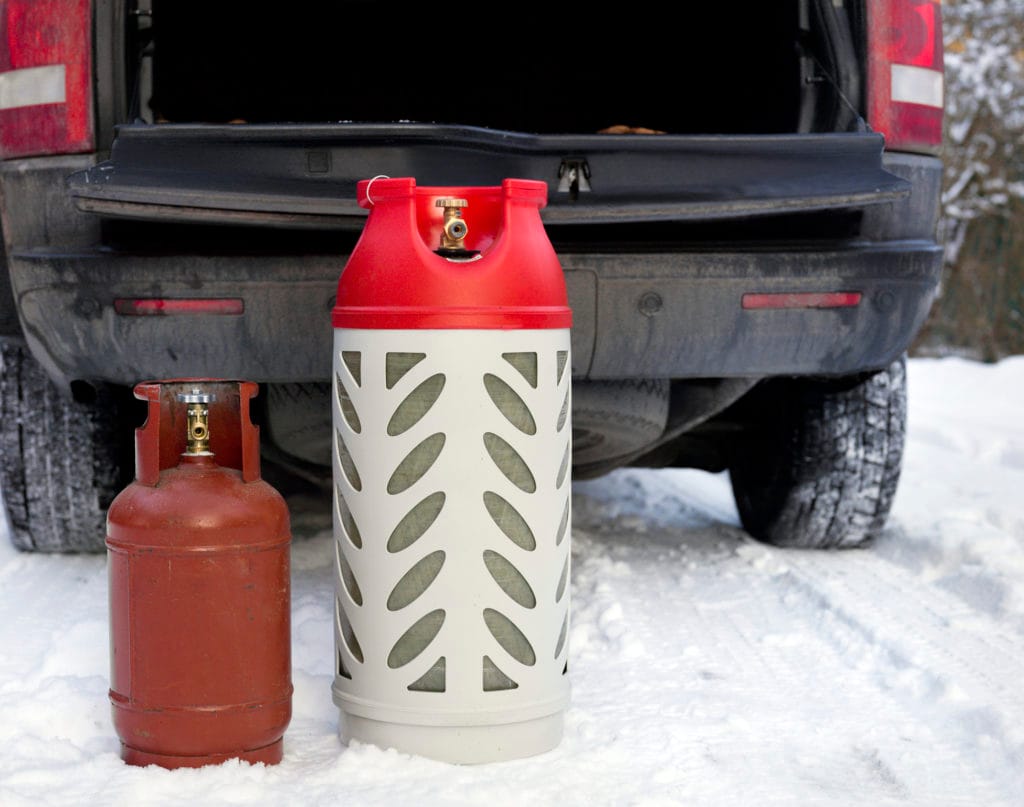
Have you ever wondered if oxygen tanks can freeze? If you rely on oxygen tanks for medical or industrial use, this question is more important than you might think.
Knowing whether your tank can freeze helps you protect it and keep it working properly when you need it most. You’ll discover the facts about oxygen tanks and freezing temperatures—so you can avoid costly damage and stay safe no matter the weather.
Keep reading to find out what really happens to oxygen tanks in the cold.

Credit: www.canadiantire.ca
How Oxygen Tanks Work
Oxygen tanks store and deliver oxygen safely for medical and industrial use. Understanding their operation helps explain concerns like freezing. These tanks hold oxygen under high pressure and release it as needed. The design ensures a steady flow and prevents accidents.
Basic Components
- Tank Cylinder:Holds compressed oxygen gas.
- Valve:Controls oxygen flow from the tank.
- Pressure Gauge:Shows how much oxygen remains inside.
- Regulator:Lowers the tank’s high pressure to safe levels.
The tank cylinder is usually made of metal. The valve and regulator ensure safe usage. The pressure gauge helps users monitor oxygen supply easily.
Storage And Pressure
Oxygen tanks store oxygen at very high pressure, sometimes up to 2,000 psi. This pressure keeps oxygen in gas form inside the tank. When oxygen flows out, pressure drops to a safe, usable level.
The tanks are designed to withstand pressure and temperature changes. The cold can affect the tank surface but rarely causes the oxygen inside to freeze. Proper storage avoids extreme cold to protect the tank and equipment.

Credit: www.carolynsrvlife.com
Conditions That Cause Freezing
Understanding the conditions that cause oxygen tanks to freeze is essential for anyone relying on them in cold environments. Freezing can affect tank performance and safety, so knowing what triggers it helps you take the right precautions. Let’s look closely at the key factors involved.
Temperature Thresholds
Oxygen tanks start to freeze when exposed to extremely low temperatures. Typically, temperatures below -40°F (-40°C) can cause the moisture inside the tank or regulator to freeze.
But it’s not just the outside air temperature that matters. The pressure inside the tank and the speed at which oxygen flows out also influence freezing risks. When oxygen is released rapidly, the temperature inside the valve can drop suddenly, increasing the chance of ice formation.
Have you ever noticed frost forming on your tank during winter? That’s a sign the temperature threshold has been crossed, and it’s time to check your equipment carefully.
Impact Of Moisture
Moisture is a major player in tank freezing. Even small amounts of water vapor inside the tank or regulator can turn to ice when exposed to cold temperatures.
Humidity in the air or condensation from breathing equipment can introduce moisture. This ice buildup can block valves and restrict oxygen flow, causing serious problems.
One practical tip is to store your oxygen equipment in dry conditions and use moisture traps or filters if possible. This simple step can prevent freezing and keep your oxygen supply steady.
Risks Of Freezing Tanks
Oxygen tanks can freeze in very cold conditions, causing pressure drops and potential damage. Freezing may also block the tank valve, making it unsafe to use. Proper storage and handling help prevent these risks.
Freezing temperatures can pose significant risks to oxygen tanks, often overlooked by users and professionals alike. Understanding these risks is crucial for ensuring safety and efficiency in environments where oxygen tanks are essential. As we delve into the challenges posed by freezing tanks, it’s important to recognize the potential hazards and operational issues that arise when temperatures drop.Safety Hazards
When oxygen tanks freeze, they become a ticking time bomb of potential danger. The pressure inside the tank can increase as the liquid oxygen contracts with the cold, potentially leading to leaks or ruptures. Imagine the chaos in an emergency situation if a tank were to fail unexpectedly. Moreover, frost can form on the valve, making it difficult to operate and increasing the risk of accidents. A slippery valve can lead to uncontrolled oxygen release, putting you and those around you in harm’s way. It’s vital to regularly check and maintain your tanks, especially in cold weather, to prevent these scenarios.Operational Challenges
Freezing can also wreak havoc on the operational efficiency of oxygen tanks. Cold temperatures can cause regulators to malfunction, leading to inconsistent oxygen flow. This inconsistency can be particularly problematic in medical settings where precise oxygen delivery is crucial. Additionally, frozen tanks can be difficult to transport, as the added weight of ice and frost makes handling cumbersome. Imagine trying to navigate a slippery surface with an icy tank—it’s not just inconvenient, but risky. Ensuring proper storage and handling procedures can mitigate these challenges and ensure that your oxygen supply remains reliable. Have you ever faced these issues with your oxygen tanks? What strategies do you use to combat freezing risks? Your insights could help others navigate these chilly challenges safely.Preventing Oxygen Tank Freezing
Oxygen tanks freezing can be a serious issue, especially in cold environments. Preventing this requires careful attention to how you handle and store your tanks. Small changes in your routine can make a big difference in avoiding freezing problems.
Proper Handling Techniques
Always handle oxygen tanks gently to avoid sudden temperature changes. Rapid release of oxygen can cause the tank valve to freeze quickly. Try to open and close valves slowly to control the flow and reduce the risk of freezing.
Have you ever noticed frost building up near the valve? This usually happens because moisture in the air freezes when exposed to cold gas. Keeping the valve dry by wiping it regularly can help prevent ice buildup.
Storage Recommendations
Store your oxygen tanks in a cool, dry place but avoid extreme cold. Temperatures below freezing increase the chance of freezing inside the tank and the regulator. A well-ventilated area away from direct drafts is ideal.
Consider using insulated covers or blankets designed for oxygen tanks if you must store them outdoors or in unheated spaces. These covers help maintain a stable temperature and protect the tank from moisture.
- Keep tanks upright to reduce the chance of moisture collecting inside.
- Regularly check for signs of frost or ice around valves and regulators.
- Ensure storage areas have minimal humidity to prevent condensation.
Signs Of A Freezing Oxygen Tank
Oxygen tanks can freeze under very cold conditions. Knowing the signs helps prevent damage and safety risks. Frozen tanks may not work properly and can cause delays.
Visual Indicators
- Frost or ice buildup on the tank surface
- Condensation turning into ice near valves or gauges
- Cracks or discoloration caused by extreme cold
- Valve or regulator appearing stiff or stuck
Performance Issues
- Reduced oxygen flow or weak delivery
- Difficulty in opening or closing valves
- Unusual noises like hissing or rattling
- Pressure gauge showing abnormal readings

Credit: www.reddit.com
What To Do If A Tank Freezes
If your oxygen tank freezes, it can be alarming and potentially dangerous. Knowing what to do immediately and recognizing when to call for professional help can keep you safe and prevent further damage. Handling a frozen tank carefully ensures you maintain proper oxygen flow and avoid accidents.
Immediate Actions
First, move the tank to a warmer environment. Cold temperatures cause moisture inside the tank to freeze, blocking the flow of oxygen. Avoid using direct heat like a hairdryer or open flame, as this can damage the tank or pose a fire risk.
Next, allow the tank to warm up gradually at room temperature. This slow thaw prevents sudden pressure changes inside the tank. While waiting, check the regulator and connections for any visible damage or ice buildup.
If you notice any frost or ice on the valves, gently wipe it away with a dry cloth. Do not use water or any liquids, as this may worsen freezing. Keep the tank upright to maintain proper pressure and flow.
When To Seek Professional Help
If the tank remains frozen after warming or if you hear unusual noises when oxygen flows, contact your oxygen supplier immediately. These signs may indicate internal damage or a malfunction that requires expert attention.
Also, if you experience difficulty breathing or notice a drop in oxygen delivery, do not delay in seeking professional support. Your safety depends on reliable oxygen supply, and trained technicians can inspect and repair the equipment safely.
Have you ever faced a frozen oxygen tank? How did you handle it? Sharing your experience could help others stay prepared and calm during these situations.
Common Myths About Oxygen Tank Freezing
Many people worry that oxygen tanks might freeze in cold weather. This concern leads to several myths about oxygen tank freezing. Some think that oxygen tanks will crack or stop working if exposed to cold. Others believe that the gas inside turns into ice. These ideas cause unnecessary fear and confusion. Knowing the facts helps users handle oxygen tanks safely in any temperature.
Oxygen Tanks Can Freeze Like Water Bottles
Oxygen tanks do not freeze like water. The gas inside stays in a high-pressure state. It does not turn into solid ice at normal cold temperatures. The metal tank might feel very cold but will not crack from freezing. Tanks are designed to handle a wide range of temperatures safely.
Cold Weather Will Stop Oxygen Flow
Cold weather does not block oxygen flow from the tank. The regulator controls gas release regardless of temperature. Some moisture might form frost on the tank surface. This frost does not stop oxygen from coming out. Users can keep using the tank normally in cold conditions.
Storing Tanks Outside In Winter Is Dangerous
Outdoor storage in winter is safe if done correctly. Tanks should be kept upright and away from direct snow or ice. Covering tanks with a breathable cloth helps prevent frost buildup. Avoid placing tanks on icy surfaces to prevent slipping or damage. Proper care ensures tanks work well in winter.
Oxygen Gas Becomes Liquid Or Solid When Cold
Oxygen in tanks remains gas at typical cold temperatures. Liquid oxygen needs very low temperatures below -183°C (-297°F). Normal winter weather is far warmer than this. The gas pressure inside the tank keeps oxygen in gaseous form. No solid or liquid oxygen forms during regular use.
Frequently Asked Questions
Can Oxygen Tanks Freeze In Cold Weather?
Oxygen tanks generally do not freeze due to the gas’s properties and tank design. However, extreme cold can affect pressure and valve function. Proper insulation and storage help prevent freezing and ensure safe oxygen delivery.
What Temperature Causes Oxygen Tanks To Freeze?
Oxygen tanks typically resist freezing at temperatures above -183°C (-297°F), the oxygen boiling point. Ambient cold rarely reaches this extreme. Still, frost can form on valves in damp, cold conditions, potentially causing operational issues.
How To Prevent Oxygen Tanks From Freezing?
Keep oxygen tanks in insulated, dry environments and avoid direct exposure to extreme cold. Using protective covers and storing tanks indoors helps maintain proper temperature and prevents moisture buildup, reducing freezing risks.
Does Freezing Affect Oxygen Tank Safety?
Freezing itself rarely compromises tank integrity. However, ice on valves or regulators can block oxygen flow, posing safety hazards. Regular inspection and maintenance ensure safe operation, especially in cold conditions.
Conclusion
Oxygen tanks can get very cold but usually do not freeze inside. Proper care helps avoid problems in cold weather. Keep tanks dry and store them in moderate temperatures. Regular checks ensure safe and effective use. Understanding how temperature affects oxygen tanks helps you stay safe.
Remember, simple steps can prevent damage and keep oxygen flowing smoothly. Always handle tanks with care, especially in winter or freezing conditions. Safety matters most when using oxygen tanks anywhere.