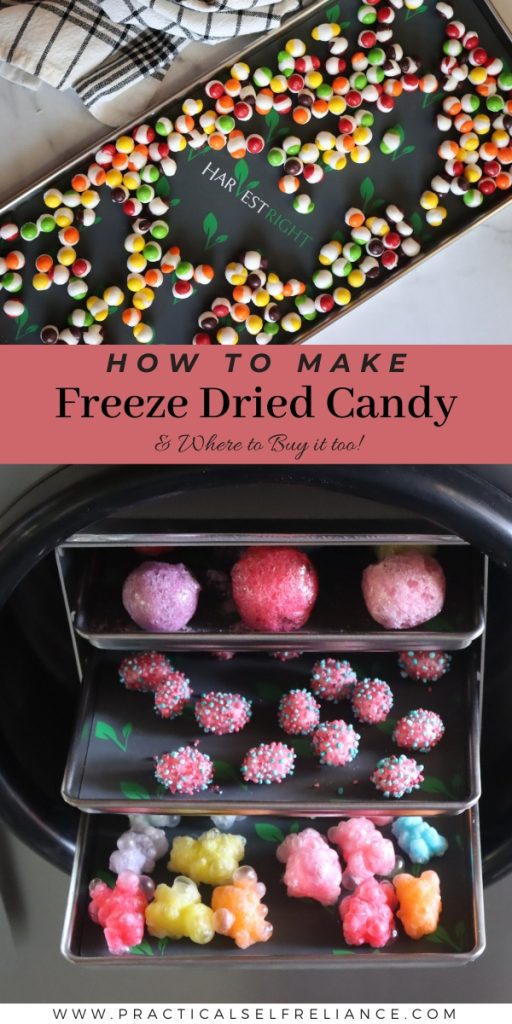
Have you ever wondered how long it takes to freeze dry candy? If you’re curious about turning your favorite sweets into crunchy, shelf-stable treats, understanding the timing is key.
Knowing exactly how long the process takes can help you plan better and get the perfect texture every time. You’ll discover the factors that affect freeze drying time and how to achieve the best results for your candy. Keep reading to unlock the secrets behind this fascinating process and make your candy experience even sweeter!
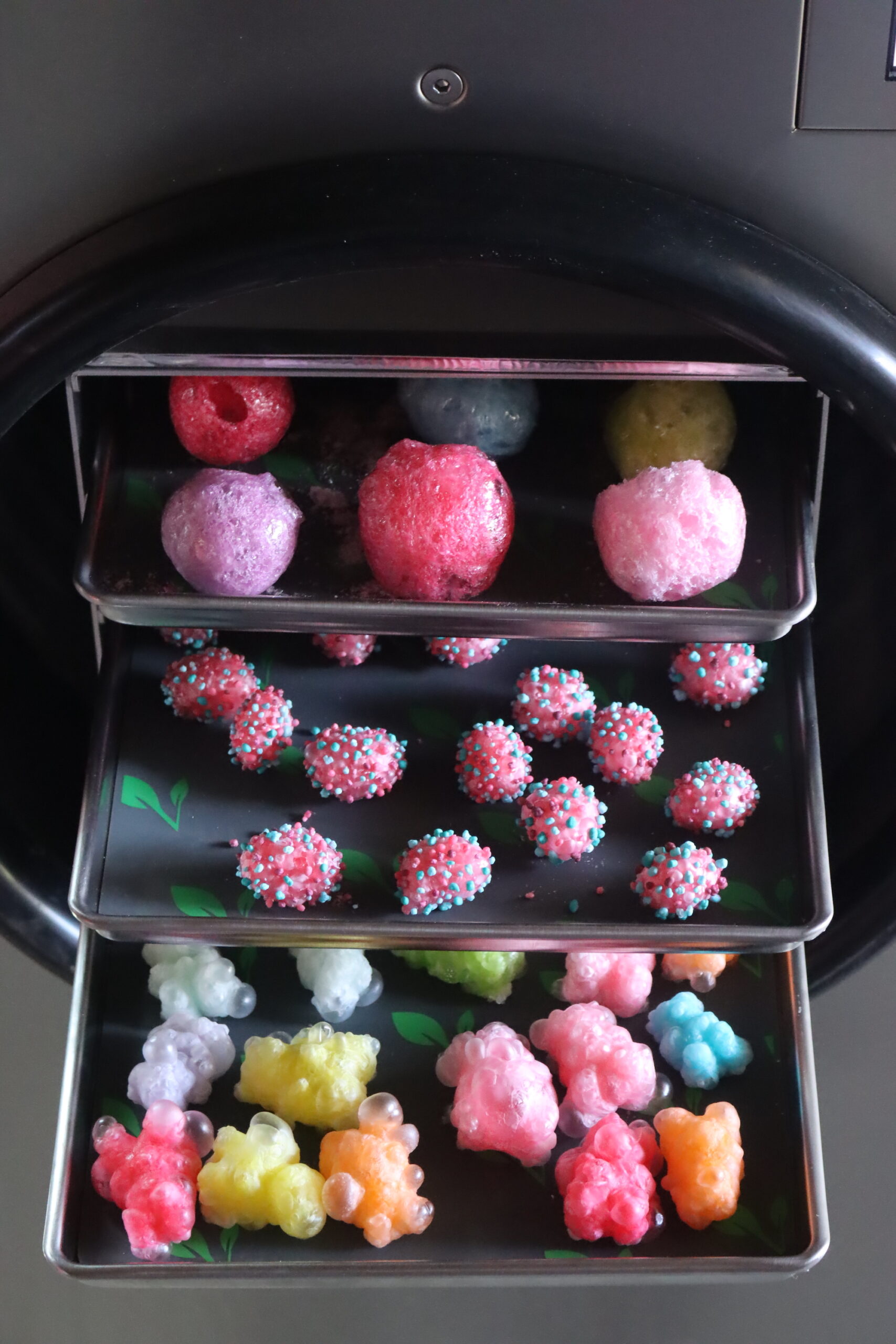
Credit: practicalselfreliance.com
Freeze Drying Basics
Freeze drying candy might sound like a high-tech kitchen experiment, but it’s actually a simple process with big benefits. Understanding the basics helps you know what to expect and how to get the best results. Let’s break down what freeze drying really means and why it’s great for your favorite sweets.
What Is Freeze Drying
Freeze drying removes moisture from candy by freezing it first and then slowly reducing the pressure. This process turns ice directly into vapor without melting it into liquid. Because the candy never heats up enough to melt, it keeps its shape, flavor, and nutrients.
This technique is different from regular drying methods that use heat, which can change the texture and taste. Freeze drying keeps candy crisp and light, almost like a crunchy cloud. Have you ever noticed how freeze-dried fruits taste so intense? The same happens with candy.
Benefits For Candy
Freeze drying candy offers several advantages that make it worth the wait. First, it extends the shelf life dramatically without needing preservatives. You can store your freeze-dried candy for months, even years, while regular candy might get stale or sticky.
Second, freeze-dried candy becomes crunchy and melts quickly in your mouth, creating a fun eating experience. This texture change can make everyday candies feel new and exciting. Plus, the process preserves the original flavors, so you get all the sweetness without any dullness.
Think about the last time you tried a freeze-dried treat—didn’t it surprise you how intense the flavor was? That’s the power of removing water without heat. You might want to try freeze drying different candies to see which ones become your favorites.
Factors Affecting Freeze Drying Time
Freeze drying candy is not a one-size-fits-all process. The time it takes can change significantly depending on several key factors. Understanding these can help you predict how long your favorite sweets will take to freeze dry and ensure the best results.
Candy Type And Size
The type of candy you choose plays a big role in freeze drying time. Hard candies like lollipops take longer because their dense structure holds moisture tightly. Softer candies, such as gummies or marshmallows, dry faster since they have more surface area and less density.
Size matters too. Smaller pieces freeze dry more quickly because the moisture has less distance to travel to escape. Cutting larger candies into bite-sized chunks can speed up the process. Have you tried freeze drying a whole chocolate bar versus small chocolate chips? The difference in time is quite noticeable.
Moisture Content
Moisture content is the biggest variable affecting how long freeze drying takes. Candies with high water content, like fruit chews, need more time to remove all moisture. On the other hand, low-moisture candies dry faster.
Knowing the moisture level can help you estimate drying time more accurately. You can even test this by weighing your candy before and after a short drying cycle. How much weight loss do you see? That’s the water leaving your candy.
Freeze Dryer Settings
Your machine’s settings directly impact drying time. Temperature, vacuum pressure, and cycle duration all influence how quickly moisture sublimates. Higher temperatures speed up drying but risk melting delicate candies.
Vacuum strength is equally important; a stronger vacuum pulls moisture away more efficiently. Experimenting with different settings can reveal the sweet spot for your specific candy. What’s your freeze dryer’s ideal balance between speed and quality?
Typical Freeze Drying Times For Popular Candies
Freeze drying candy can be an exciting process. Each type of candy has its own unique freeze drying time. Understanding these times helps in achieving the best results. Let’s explore typical freeze drying times for popular candies.
Chocolate-based Candies
Chocolate-based candies require careful handling during freeze drying. On average, these candies take about 24 to 36 hours. The fats in chocolate can make the process longer. Properly arranging them on trays can help.
Gummy Candies
Gummy candies are fun to freeze dry. They generally take 18 to 24 hours. Their chewy texture transforms into a crunchy delight. Ensure even spacing for best results.
Hard Candies
Hard candies have a shorter freeze drying time. Typically, they take about 12 to 18 hours. Their solid structure aids the process. It’s important to keep them dry and spaced.
Lollipops
Lollipops can be a bit tricky. They usually take around 24 to 30 hours. The stick makes it challenging to arrange them. Place them upright or horizontally for better results.
Step-by-step Freeze Drying Process
Understanding the freeze drying process for candy helps you appreciate the time it takes to achieve that perfect crunchy texture. Each phase plays a critical role in removing moisture while preserving flavor and shape. Let’s break down what happens from start to finish, so you know what to expect during freeze drying.
Preparation And Loading
Start by selecting fresh, high-quality candy. Avoid any pieces that are sticky or melted as they don’t freeze dry well.
Cut larger candies into smaller chunks to ensure even drying. Arrange the candy in a single layer on the trays, making sure pieces don’t touch.
Loading the trays properly is key. Overcrowding can block airflow and extend drying time, so keep space between pieces.
Freezing Phase
Once loaded, the trays move into the freeze dryer’s chamber where the temperature drops rapidly. The candy freezes solid, locking in all flavors and nutrients.
This phase usually takes several hours, depending on the candy’s size and moisture content. It’s important because it prepares the candy for moisture removal without melting or shrinking.
Primary Drying
During primary drying, the chamber pressure drops, and gentle heat is applied to the frozen candy. This causes ice to turn directly into vapor, skipping the liquid stage—this process is called sublimation.
This phase removes most of the water content and can last anywhere from 20 to 40 hours depending on candy type and batch size.
Have you noticed how freeze-dried candy keeps its original shape without becoming soggy? That’s the magic of this step.
Secondary Drying
After most ice has sublimated, the secondary drying phase removes any remaining bound moisture. This step uses slightly higher temperatures for several hours.
It ensures the candy is completely dry, which is crucial for long-term storage and crispiness. Skipping this step can lead to sticky or chewy textures later.
How much moisture do you think remains after primary drying? Usually around 1-4%, and secondary drying brings it down to below 1%.
Tips To Optimize Freeze Drying Time
Optimizing freeze drying time can save you hours and improve the quality of your candy. Small changes in how you prepare and manage your equipment make a big difference. These tips focus on practical steps you can take before and during the freeze drying process to get the best results faster.
Proper Candy Cutting
Cut your candy into smaller, uniform pieces to speed up the freeze drying process. Smaller pieces freeze and dry more evenly, preventing soggy or partially dried spots.
Think about a bag of gummy bears versus a single large block of fudge. The gummy bears dry much quicker because each piece is small and exposed to cold air. You can use a sharp knife or kitchen scissors to create consistent sizes for the best effect.
Avoiding Overloading
Don’t overload the freeze dryer trays with candy. Overcrowding blocks airflow and slows down drying time significantly.
Leave enough space between pieces so cold air can circulate freely. If you notice your candy is taking longer to dry than usual, check how packed your trays are. Have you ever tried drying a thick layer of candy only to find the middle was still wet? Spacing is key to avoiding that problem.
Maintaining Equipment
Regular maintenance of your freeze dryer ensures it runs efficiently and cuts down on drying time. Clean the trays, vacuum pump, and condenser frequently to prevent buildup that can reduce performance.
Check seals and gaskets for wear and replace them if needed. A well-maintained machine keeps temperatures stable and vacuum pressure strong, which directly impacts how quickly your candy dries.
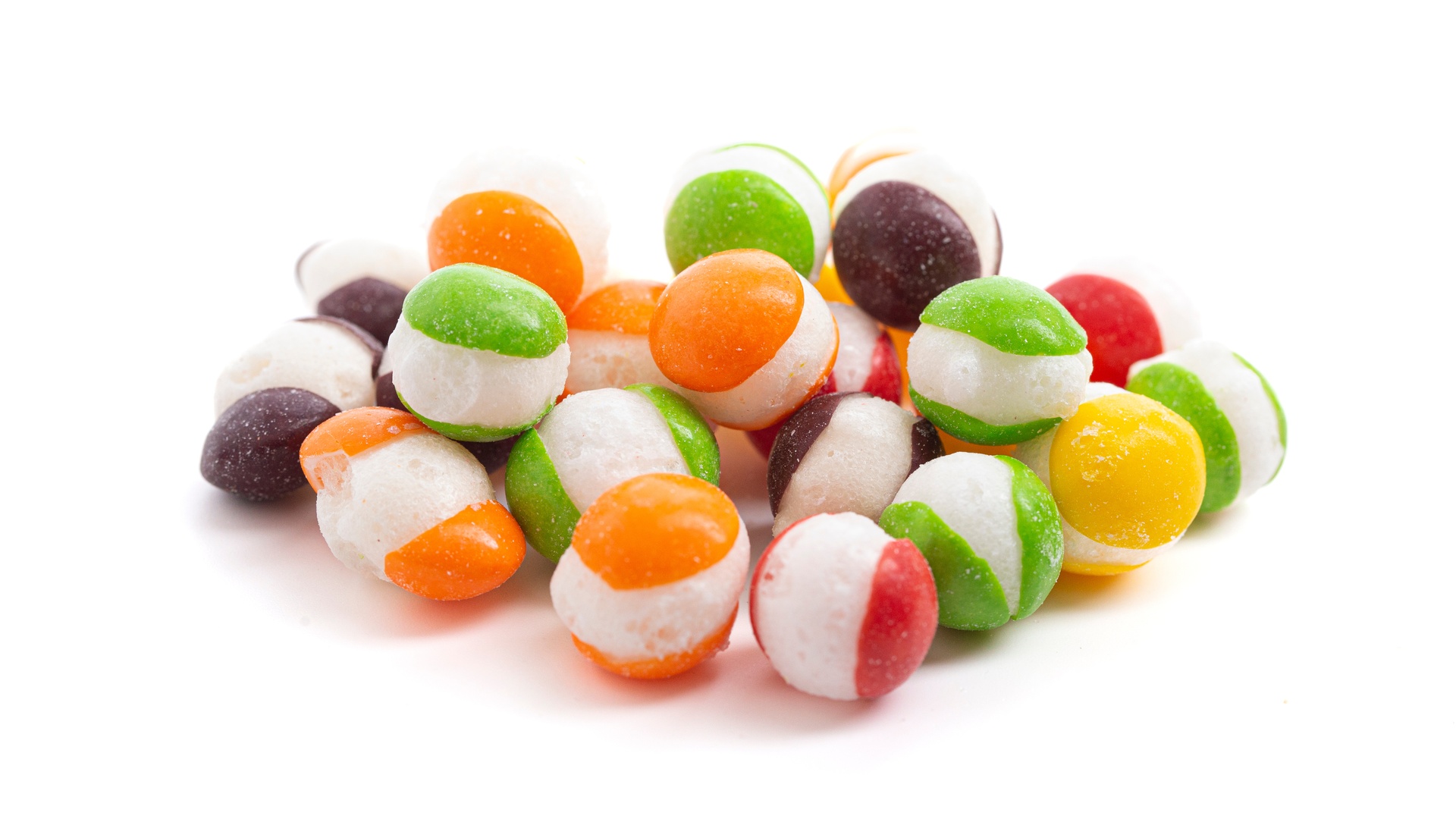
Credit: newslj.com
Common Issues And How To Fix Them
Freeze drying candy can sometimes present challenges. These issues affect the drying time and candy quality. Knowing common problems helps fix them quickly. Keep candy texture and flavor intact by addressing these points.
Incomplete Drying
Incomplete drying leaves candy soft or sticky. This happens when the freeze dryer runs too short. Candy must be frozen solid before drying starts. Extend drying time to remove all moisture. Check candy thickness; thicker pieces take longer to dry.
Use these tips to fix incomplete drying:
- Increase drying duration by several hours.
- Slice candy into smaller pieces for faster drying.
- Ensure the freeze dryer reaches the correct vacuum pressure.
- Pre-freeze candy thoroughly before freeze drying.
Candy Texture Changes
Freeze drying can alter candy texture unexpectedly. Some candies become brittle or crumbly. Others might turn too hard or lose crunch. These changes depend on candy type and freeze drying settings.
Fix texture problems with these steps:
- Adjust drying time to avoid over-drying.
- Try different freeze drying temperatures.
- Test small batches to find the best settings.
- Store candy in airtight containers after drying to keep texture.
Equipment Malfunctions
Freeze drying machines may face technical issues. Vacuum leaks, temperature errors, or sensor failures slow the process. Regular maintenance prevents many problems. Watch for unusual noises or error messages.
Solutions for equipment problems include:
- Check vacuum seals and replace if damaged.
- Calibrate temperature sensors regularly.
- Clean the freeze dryer after each use.
- Contact manufacturer support for persistent issues.
Storing Freeze-dried Candy
Storing freeze-dried candy properly is just as important as the freeze-drying process itself. Without the right storage, even the best freeze-dried candy can lose its crunch and flavor over time. You want your candy to stay fresh, tasty, and ready to enjoy whenever you crave a sweet treat.
Packaging Options
Choosing the right packaging makes a big difference in keeping freeze-dried candy fresh. Airtight containers are your best friend here—they block out moisture and air, two enemies of crispness.
- Vacuum-sealed bags:These remove all the air, extending shelf life significantly.
- Resealable Mylar bags:Often combined with oxygen absorbers for extra protection.
- Glass jars with tight lids:Great for short-term storage and easy access.
Think about how often you’ll be snacking on your candy. If it’s frequent, a jar might be more convenient. For longer storage, vacuum sealing is a smarter choice.
Shelf Life Expectations
Freeze-dried candy can last surprisingly long if stored correctly. You might be wondering, “How long exactly?” The answer varies based on packaging and storage conditions.
| Storage Method | Expected Shelf Life | Key Factors |
|---|---|---|
| Vacuum-sealed with oxygen absorbers | 1-2 years | Cool, dark place; minimal air exposure |
| Resealable Mylar bags | 6-12 months | Proper sealing and cool storage |
| Glass jars with lids | 3-6 months | Stored in dry, cool environment |
Keep your candy away from heat and humidity. Even a small amount of moisture can cause it to become sticky and lose that satisfying crunch. Have you ever opened a bag of candy only to find it soft and disappointing? Proper storage stops that from happening.

Credit: uptoptreats.com
Frequently Asked Questions
How Long Does Freeze Drying Candy Usually Take?
Freeze drying candy generally takes between 20 to 48 hours. The exact time depends on candy type, size, and moisture content.
What Factors Affect Candy Freeze Drying Time?
Candy size, moisture level, and freeze dryer efficiency affect drying time. Larger or moister candies take longer to freeze dry.
Can All Types Of Candy Be Freeze Dried?
Most candies can be freeze dried, but high-fat or gummy types may not freeze dry well. Texture changes vary by candy type.
Is Freeze Drying Candy Better Than Other Methods?
Freeze drying preserves flavor and texture better than air drying. It also extends candy shelf life without additives.
Conclusion
Freeze drying candy takes several hours, depending on size and type. Small pieces dry faster, while larger ones need more time. Temperature and machine settings also affect the process. This method keeps candy fresh and crunchy for a long time.
Try it yourself and enjoy a new way to eat candy. Patience pays off with tasty, long-lasting treats.