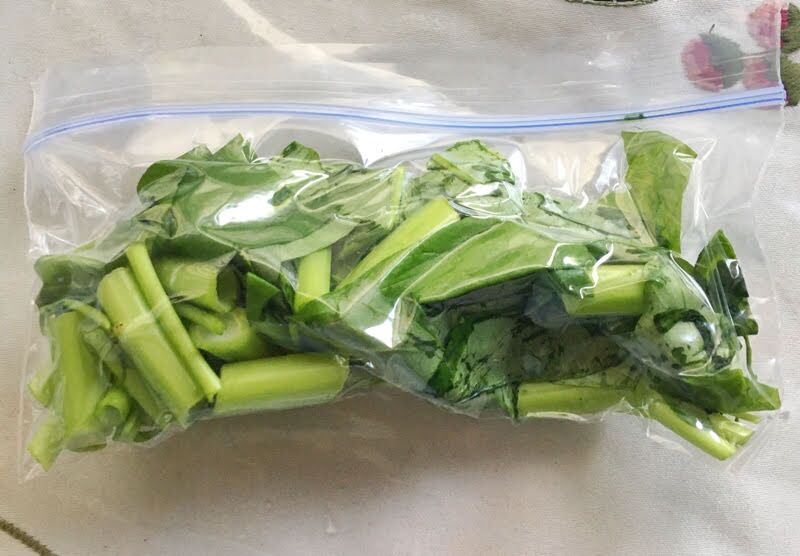
Are you wondering how to freeze bok choy without losing its fresh taste and crunch? Freezing this leafy green can save you time and reduce waste, but if not done right, it can turn mushy or flavorless.
In this guide, you’ll discover simple steps to keep your bok choy fresh and tasty even after freezing. By the end, you’ll feel confident storing bok choy so it’s ready whenever you need it. Keep reading to unlock the secrets of perfect frozen bok choy!
Choosing Bok Choy
Choosing the right bok choy is key to freezing it properly. Freshness and type affect taste and texture after freezing. Picking the best bok choy ensures good flavor and longer shelf life.
Freshness Indicators
- Leaves should be bright green and crisp, not wilted.
- Stems must feel firm and solid, not soft or slimy.
- Avoid bok choy with yellow or brown spots on leaves.
- Check for a fresh, mild smell without any sour or rotten odor.
- Choose bunches with tight, compact stalks for better quality.
Types Of Bok Choy
| Type | Description | Freezing Notes |
|---|---|---|
| Baby Bok Choy | Small size, tender leaves and stems | Freezes well but may get softer after thawing |
| Shanghai Bok Choy | Thicker stalks, mild flavor | Better texture when frozen due to firm stems |
| Regular Bok Choy | Common type, crunchy stalks, dark green leaves | Freezes well, retains flavor and crunch with blanching |
Credit: www.makergardener.com
Preparing Bok Choy
Preparing bok choy properly ensures it stays fresh and tasty after freezing. The goal is to clean and cut the vegetable carefully. This removes dirt and tough parts that may affect flavor and texture. Proper preparation helps preserve the best quality during freezing. Follow simple steps to get bok choy ready.
Cleaning And Washing
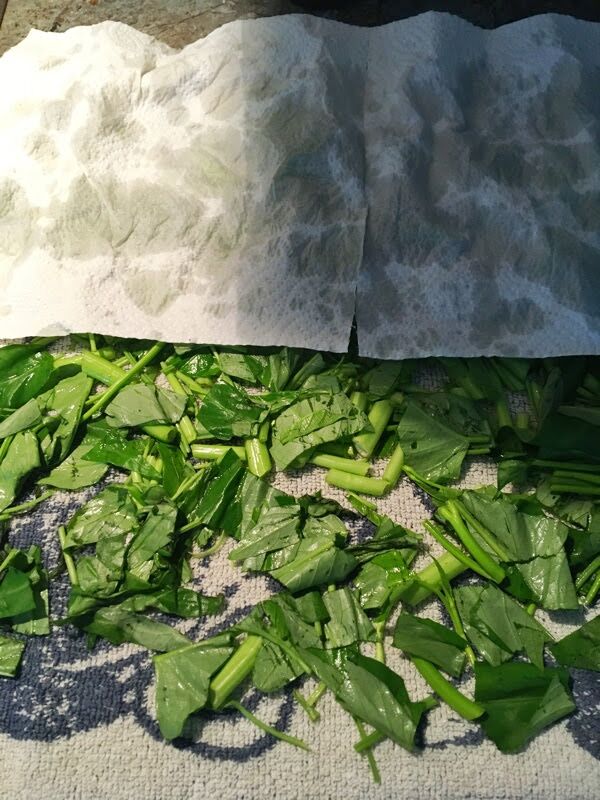
Start by rinsing bok choy under cold running water. Focus on the base and between the leaves. Dirt often hides in these areas. Use your fingers to gently separate the leaves and clean thoroughly. Avoid soaking bok choy, as it can absorb excess water. After washing, shake off extra water or pat dry with a clean towel.
Trimming And Cutting
Trim the base of the bok choy to remove any brown or tough parts. Cut off damaged outer leaves. Slice the bok choy into pieces that fit your freezing containers. You can cut into halves, quarters, or chop into smaller parts. Keep pieces uniform in size for even freezing and cooking later.
Blanching Process
Freezing bok choy effectively is more than just popping it in the freezer. The blanching process is a crucial step that prepares your bok choy for freezing, helping it retain its vibrant color, texture, and nutritional value. You might wonder why this extra step is necessary, but blanching is what keeps your bok choy fresh and tasty when you’re ready to use it in your favorite dishes.
Why Blanching Matters
Blanching stops the enzyme actions which can cause loss of flavor, color, and texture. It’s like hitting the pause button on the natural degradation process. Without blanching, your bok choy may turn mushy and lose its appealing green color.
Have you ever pulled a bag of sad, brownish veggies out of the freezer? That’s what happens when you skip blanching. By taking this step, you’re ensuring that your bok choy remains a delicious addition to your stir-fries and soups.
Step-by-step Blanching Guide
- Prepare the Bok Choy:Wash your bok choy thoroughly under running water. Remove any damaged leaves and cut the bok choy into smaller pieces for even blanching.
- Boil Water:Fill a large pot with water and bring it to a rolling boil. Make sure there’s enough water to cover the bok choy completely.
- Blanching Time:Add the bok choy to the boiling water. Let it boil for 2-3 minutes. You’ll notice the green color intensifying—this is a sign it’s working!
- Ice Bath:Quickly transfer the bok choy to a bowl of ice water. This stops the cooking process instantly, preserving the texture and color.
- Dry the Bok Choy:Drain the bok choy and pat dry with a clean towel. Ensuring it’s dry before freezing prevents ice crystals from forming.
Did you know that blanching not only preserves the nutrients but also helps in cleaning the surface of the bok choy of any remaining dirt and bacteria? Next time you prepare to freeze bok choy, remember these steps to keep your greens fresh and freezer-ready.

Credit: m.youtube.com
Freezing Techniques
Freezing bok choy is a smart way to keep its freshness and nutrients for weeks. But the technique you use can make a big difference in how well it holds up. Let’s look at some effective freezing methods that ensure your bok choy stays tasty and crisp whenever you need it.
Packaging Options
Choosing the right packaging is key to preserving the texture and flavor of bok choy. You can use airtight plastic bags, vacuum-sealed bags, or even freezer-safe containers.
- Plastic bags:These are easy and affordable. Squeeze out as much air as possible before sealing to reduce ice crystals.
- Vacuum sealing:This method removes almost all air, extending the bok choy’s shelf life and maintaining its crunch.
- Freezer containers:Rigid containers protect bok choy from being crushed, but make sure they have a tight-fitting lid to keep moisture out.
Think about how long you plan to store the bok choy. If it’s for just a few weeks, a simple plastic bag might work fine. For longer storage, vacuum sealing or containers will deliver better results.
Avoiding Freezer Burn
Freezer burn can turn your bok choy dry and unappetizing. To prevent this, focus on minimizing exposure to air and moisture.
- Blanch bok choy before freezing to stop enzyme activity that causes spoilage.
- Cool it quickly after blanching to avoid sogginess.
- Wrap tightly in plastic wrap or foil before placing it in bags or containers.
- Don’t overload your freezer; good airflow helps maintain a consistent temperature.
Have you noticed how sometimes frozen greens become slimy or taste bland? That’s usually freezer burn at work. Taking a few extra steps during packaging can keep your bok choy fresh and full of flavor.
Storage Tips
Proper storage is key to keeping bok choy fresh and tasty after freezing. Knowing the right conditions and timeline helps maintain its texture and flavor. This section shares simple tips to store bok choy correctly in the freezer.
Ideal Freezer Conditions
- Set freezer temperature to 0°F (-18°C) or lower.
- Use airtight containers or heavy-duty freezer bags to prevent freezer burn.
- Remove as much air as possible from packaging before sealing.
- Label packages with the date of freezing for easy tracking.
- Keep bok choy away from strong-smelling foods to avoid odor absorption.
Shelf Life Expectations
Bok choy can stay good in the freezer for about 6 to 8 months.
After this period, it may lose some taste and texture quality.
Use frozen bok choy within this time for best cooking results.
Credit: yujinizakaya.com.sg
Using Frozen Bok Choy
Using frozen bok choy saves time and reduces food waste. It keeps well in the freezer for months. When ready to use, frozen bok choy is versatile in many dishes. Understanding how to thaw and cook it brings out the best flavor and texture.
Thawing Methods
Frozen bok choy thaws quickly and easily. Choose a method based on your time and recipe needs.
- Place the frozen bok choy in the fridge for several hours or overnight. This is the gentlest way to thaw.
- Run cold water over the sealed bag for 5-10 minutes. This speeds up thawing without cooking the leaves.
- Use frozen bok choy directly in hot dishes like soups and stir-fries. No need to thaw first.
Cooking Suggestions
Frozen bok choy works well in many recipes. It cooks faster than fresh bok choy since it is already softened.
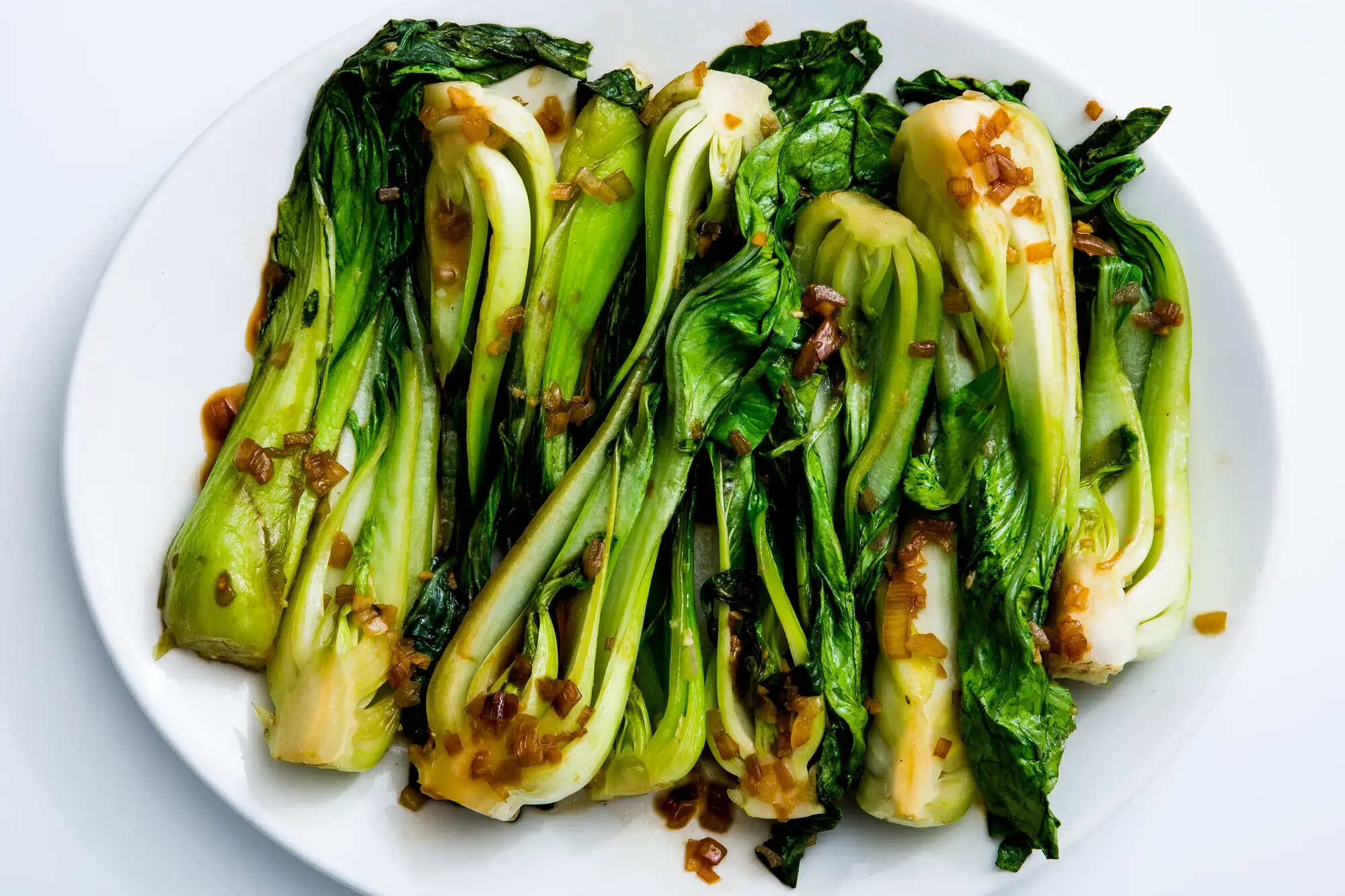
- Stir-fry frozen bok choy with garlic and soy sauce for a quick side dish.
- Add frozen bok choy to soups and stews in the last 10 minutes of cooking.
- Steam frozen bok choy for 3-5 minutes and season with salt and pepper.
- Mix frozen bok choy into casseroles or pasta dishes for extra greens.
Frequently Asked Questions
How Do You Prepare Bok Choy For Freezing?
First, wash bok choy thoroughly to remove dirt. Trim the ends and separate leaves. Blanch in boiling water for 2 minutes, then cool in ice water. Drain well before freezing in airtight bags or containers.
Can You Freeze Bok Choy Without Blanching?
Freezing bok choy without blanching is not recommended. Blanching stops enzyme activity that causes spoilage. Without blanching, bok choy may lose texture, flavor, and nutrients during freezing.
How Long Does Frozen Bok Choy Last?
Properly frozen bok choy lasts about 10 to 12 months. Store it in airtight containers or freezer bags to prevent freezer burn and maintain quality.
What Is The Best Way To Thaw Frozen Bok Choy?
Thaw frozen bok choy by placing it in the refrigerator overnight. For quick use, add it directly to soups or stir-fries without thawing.
Conclusion
Freezing bok choy keeps it fresh and ready to use later. Wash and dry the leaves well before freezing. Cut into pieces or freeze whole, depending on your recipe. Blanching helps keep the color and texture better. Store in airtight bags to avoid freezer burn.
Use frozen bok choy in soups, stir-fries, or stews. This simple method saves time and reduces food waste. Enjoy healthy greens anytime with easy freezing steps.