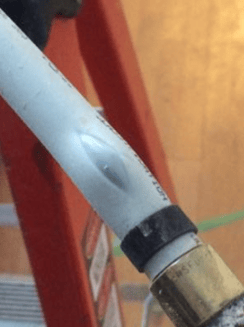
Have you ever worried about your home’s pipes bursting during a cold snap? If you’re using PEX pipes, you might wonder: can these pipes freeze and burst like traditional metal ones?
Understanding how PEX pipes behave in freezing temperatures is crucial to protecting your plumbing—and avoiding costly repairs. Keep reading to discover the truth about PEX pipes, how they handle the cold, and what you can do to keep your home safe when winter hits.

Credit: www.reddit.com
Pex Pipe Basics
Pex pipes have become a popular choice in plumbing due to their flexibility and durability. Understanding their basic properties and common uses can help you decide if they’re right for your home or project. Let’s break down what makes Pex pipes unique and where they fit best.
Material Properties
Pex stands for cross-linked polyethylene, a type of plastic known for its strength and flexibility. Unlike rigid pipes, Pex can bend without breaking, which makes installation easier in tight spaces.
This material resists corrosion and scale buildup, which means fewer issues over time. It also handles both hot and cold water well, maintaining its integrity even under temperature changes.
Have you ever struggled with pipes bursting in winter? Pex’s ability to expand slightly can reduce that risk, but it’s not completely freeze-proof. Knowing this helps you prepare better for cold weather.
Common Uses
Pex pipes are often used for residential water supply lines, radiant floor heating, and even snow melting systems. Their flexibility allows them to snake through walls and floors without many joints.
They are also popular in remodeling projects because they’re easier to work with compared to copper or PVC pipes. If you’ve done any DIY plumbing, you might have noticed how quickly Pex can be installed.
What plumbing challenges are you facing? Pex might offer a practical solution, especially if you want to avoid extensive pipe replacement or complicated fittings.
Freezing Risks For Pex Pipes
Pex pipes are popular in plumbing for their flexibility and durability. Yet, freezing temperatures can still pose risks. Understanding how cold affects these pipes helps prevent damage and costly repairs. The following sections explain how freezing impacts Pex pipes and their temperature limits.
How Freezing Affects Pex
Pex pipes can expand more than metal pipes when water inside freezes. This flexibility lowers the chance of bursting. Still, ice can cause pressure buildup inside the pipe. If the pressure becomes too high, the pipe may crack or burst. Repeated freezing and thawing cycles weaken the pipe material over time. Damage may not show immediately but can cause leaks later. Proper insulation reduces freezing risks and protects the plumbing system.
Temperature Thresholds
Water freezes at 32°F (0°C), but Pex pipes start to become vulnerable below 20°F (-6°C). At these temperatures, water inside can freeze faster, creating pressure. Pipes left exposed to cold air or wind chill are at higher risk. Maintaining indoor temperatures above freezing helps prevent damage. Insulating pipes in unheated areas adds extra protection. Using heat tape or warming cables can also keep pipes safe in extreme cold.
Bursting Potential
Pex pipes resist freezing better than metal ones but can still burst in extreme cold. Proper insulation helps protect them from damage. Taking simple steps prevents costly repairs during winter months.
When temperatures drop, the risk of PEX pipes freezing and bursting becomes a concern. While PEX pipes are known for their durability and flexibility, they are not entirely immune to the challenges posed by freezing conditions. Understanding the factors that influence their bursting potential can help you safeguard your plumbing system during cold weather.Pressure Build-up
When water inside PEX pipes freezes, it expands. This expansion creates pressure within the pipe, which can lead to a burst if the pressure exceeds the pipe’s tolerance. PEX pipes are generally more resistant to bursting compared to other materials like copper, but they are not invincible. Even a small increase in pressure can cause damage if the pipe is already stressed. Do you have a way to monitor the pressure in your pipes during freezing conditions? This could be a vital step in preventing a costly burst.Pipe Flexibility Impact
One of the advantages of PEX is its flexibility. It can stretch a bit to accommodate expanding ice, reducing the risk of bursting. However, this flexibility has its limits. In extremely cold temperatures, the material can become more brittle, reducing its ability to flex and increasing the chance of a burst. Have you considered insulating your PEX pipes to maintain their flexibility and protect against brittleness? Simple insulation could make a significant difference in preventing bursts during the coldest months.
Credit: garynsmith.net
Preventing Freeze Damage
Preventing freeze damage to PEX pipes is crucial for maintaining a safe water system. PEX pipes are flexible and more resistant to freezing than metal pipes. Still, extreme cold can cause them to freeze and burst. Taking steps to protect your pipes during winter reduces costly repairs and water damage.
Insulation Techniques
Insulating PEX pipes keeps cold air away and traps heat. Use foam pipe insulation sleeves to cover exposed pipes. Wrap insulation tape around bends and joints for extra protection. Seal gaps in walls and floors near plumbing to stop drafts. Insulation slows down heat loss and prevents freezing in cold areas.
Heating Solutions
Heating solutions add warmth around vulnerable pipes. Install heat cables or heat tape along the pipe surface. These devices turn on automatically when temperatures drop. Use thermostatically controlled heat cables for energy efficiency. Keep indoor temperatures above freezing to protect pipes inside walls. Small heaters in basements or crawl spaces help maintain warmth.
Repairing Frozen Pex Pipes
Repairing frozen PEX pipes requires quick action and careful handling to prevent further damage. PEX pipes are flexible and more resistant to bursting than traditional pipes, but freezing can still cause issues. Understanding how to safely thaw and assess the damage helps you protect your plumbing and avoid costly repairs.
Thawing Methods
Start by locating the frozen section of the pipe. Applying gentle heat is key—you can use a hairdryer, heating pad, or warm towels wrapped around the pipe.
Avoid open flames or high heat sources like a blowtorch, as they can melt or damage the PEX material. Move the heat slowly along the pipe to evenly warm it up.
If the pipe is inside a wall, open the cabinet doors or use a space heater nearby to raise the ambient temperature. Have you ever tried thawing a frozen pipe with just hot water? It’s less effective if the pipe is inaccessible or inside walls.
Damage Assessment
Once thawed, inspect the pipe for leaks or cracks. Even small splits can lead to leaks and water damage over time.
Turn on the water supply and watch for drips or wet spots around the thawed area. Check fittings and joints carefully—they’re often the weakest points after freezing.
If you notice any damage, it’s best to replace the affected pipe section instead of patching it. Temporary fixes can fail and cause bigger problems later. Do you have the tools and confidence to cut and reconnect PEX tubing, or should you call a professional?
Comparing Pex To Other Pipes
Choosing the right type of pipe for your plumbing can save you from costly repairs and headaches, especially in cold weather. Pex pipes have gained popularity, but how do they really stack up against traditional options? Let’s look closely at how Pex compares to copper and PVC pipes, focusing on their ability to resist freezing and bursting.
Copper Vs Pex
Copper pipes have been the go-to for decades due to their durability and heat resistance. However, they are rigid and can crack or burst if water inside freezes. Pex, on the other hand, is flexible and can expand slightly when frozen, reducing the chance of bursting.
One homeowner shared that after a harsh winter, their copper pipes burst causing a major leak, but their Pex pipes remained intact in other parts of the house. This flexibility of Pex can give you peace of mind in colder climates.
Still, copper resists UV damage better than Pex, so consider where your pipes will be installed. If you expect exposure to sunlight, copper might last longer without degrading.
Pvc Vs Pex
PVC pipes are common in drainage and irrigation but less so in hot water supply. PVC tends to become brittle in freezing temperatures, making it prone to cracking and bursting. Pex offers a clear advantage here with its elasticity and freeze resistance.
Think about the last time a pipe froze in your home or someone you know’s. PVC would likely have cracked, requiring replacement, whereas Pex would have held up better.
Additionally, Pex is easier to install due to its flexibility and fewer fittings, which can reduce leak points. However, PVC is usually cheaper upfront, so budget plays a role in your decision.
Are you willing to invest a bit more now to avoid potential water damage later? Your choice affects not just installation but long-term peace of mind during winter.
Cost Implications Of Freeze Damage
Freeze damage to PEX pipes can lead to significant costs that many homeowners don’t anticipate. Understanding the financial impact helps you prepare better and avoid unpleasant surprises. Whether it’s a small leak or a burst pipe, the expenses can quickly add up, affecting your budget and peace of mind.
Repair Expenses
Repairing freeze damage to PEX pipes often involves more than just patching a hole. Labor costs can rise if plumbers need to access hard-to-reach areas or cut through walls and floors. You might also face additional charges for emergency service if the damage occurs during cold nights or weekends.
Materials for repairs, like fittings and sealants, add to the total cost. Even if the pipe itself is flexible and resistant to freezing, the joints and connections may fail, requiring replacement. Have you considered how much a simple drip could cost you over time if left unchecked?
Replacement Considerations
Sometimes, repair isn’t enough, and full pipe replacement becomes necessary. Replacing PEX pipes can be costly, especially if the damage spans a large section or involves multiple pipes. You should factor in the price of new pipes, installation, and potential restoration work for walls or floors.
Choosing to replace might feel expensive upfront, but it could save money long-term by preventing recurring leaks or bursts. Think about the last time you ignored a small plumbing issue—did it get worse? Investing in replacement could be smarter than repeatedly paying for repairs.

Credit: www.reddit.com
Frequently Asked Questions
Can Pex Pipes Freeze In Cold Weather?
Yes, Pex pipes can freeze if exposed to extremely low temperatures. However, they are more flexible and resistant to bursting than metal pipes.
Do Pex Pipes Burst When Frozen?
Pex pipes are less likely to burst when frozen due to their flexibility. Still, prolonged freezing can cause damage and leaks.
How To Prevent Pex Pipes From Freezing?
Insulate exposed Pex pipes and keep indoor temperatures above freezing. Use heat tape or pipe sleeves in cold areas.
What Happens If Frozen Pex Pipes Thaw?
When frozen Pex pipes thaw, water pressure can increase. Check for leaks or cracks and repair damaged sections promptly.
Conclusion
Pex pipes can freeze but are less likely to burst than metal pipes. Their flexibility helps them expand when water freezes inside. Still, extreme cold can cause damage if pipes are not protected. Insulating pipes and keeping some water flow can prevent freezing.
Knowing these facts helps you avoid costly repairs. Stay safe and keep your plumbing working well in winter. Simple steps make a big difference.