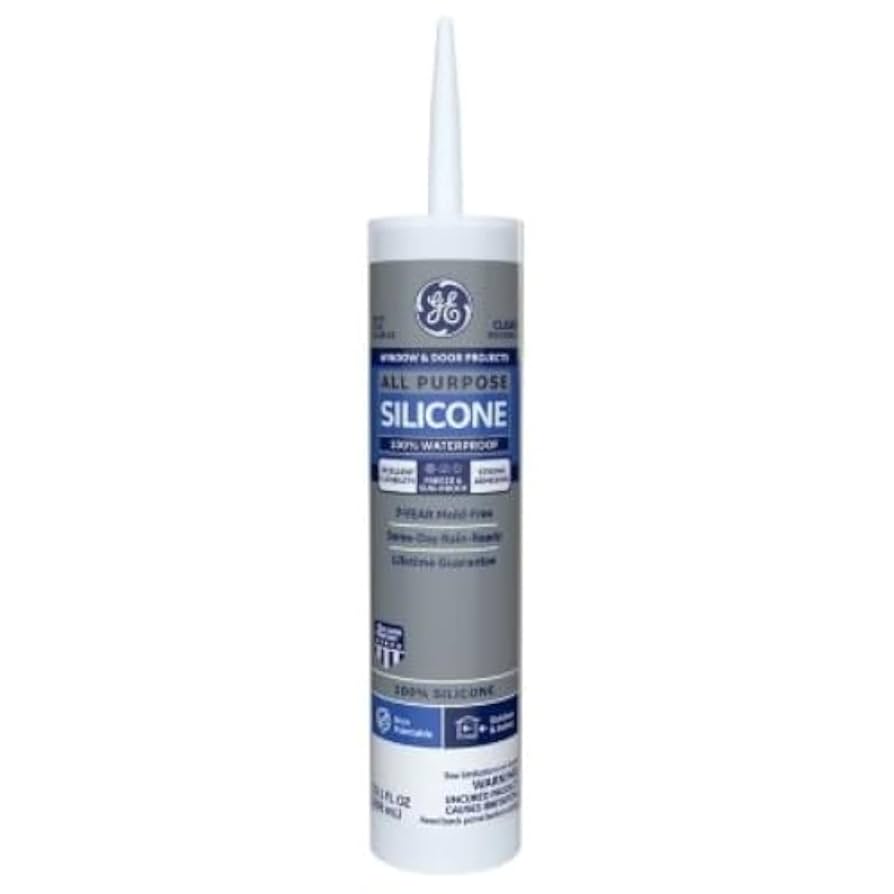
Have you ever wondered what happens to your caulk when the temperature drops? If you’re dealing with chilly weather, you might be asking yourself, “Can caulk freeze?” This question is important because the answer can affect your home’s protection and your repair plans.
Understanding how caulk behaves in freezing conditions helps you avoid costly mistakes and keeps your home safe and secure. Keep reading to find out what you need to know about caulk and cold weather so you can protect your space effectively.

Credit: www.reddit.com
Caulk Basics
Caulk is a common material used to seal gaps and cracks around homes. It keeps air, water, and pests out. Knowing the basics helps you pick the right type and apply it correctly. This section explains what caulk is and how it works.
Types Of Caulk
- Silicone Caulk: Flexible and water-resistant. Ideal for bathrooms and kitchens.
- Acrylic Latex Caulk: Paintable and easy to clean. Good for interior gaps.
- Polyurethane Caulk: Strong and durable. Works well for outdoor projects.
- Butyl Rubber Caulk: Water-resistant and sticky. Often used for roofing.
How Caulk Works
Caulk fills gaps to stop air and water leaks. It sticks to surfaces and hardens over time. This creates a barrier that keeps moisture and drafts out. Some caulks stay flexible after drying. This flexibility helps with movement caused by temperature changes.
Freezing And Caulk
Caulk is a common material used to seal gaps around windows, doors, and other areas. It helps keep out air and moisture. But what happens if caulk is exposed to freezing temperatures? Understanding how cold affects caulk is important for successful home maintenance during winter.
Can Caulk Freeze?
Most caulk types can freeze if exposed to very low temperatures. Water-based caulks are more likely to freeze because they contain water. Silicone and polyurethane caulks have less water and resist freezing better. Still, extreme cold can affect all caulks to some extent.
Freezing happens when the moisture inside the caulk turns into ice. This can cause the caulk to become hard and brittle. The risk of freezing depends on the caulk’s formula and how long it stays cold.
Effects Of Freezing On Caulk
Freezing can damage caulk in several ways:
- Cracking:Ice expansion inside the caulk may cause cracks.
- Loss of flexibility:Frozen caulk becomes stiff and loses its seal.
- Reduced adhesion:Caulk may not stick well after freezing.
- Water damage:Cracks allow moisture to enter, causing damage behind the caulk.
These effects reduce the caulk’s ability to protect your home. It is best to apply caulk at temperatures above freezing and let it cure before cold weather. Proper storage of unused caulk also prevents freezing problems.
Winter Risks For Caulk
Winter can be a challenging season for maintaining your home’s integrity, especially when it comes to caulking. The cold weather poses specific risks that could compromise the effectiveness of caulk. Understanding these winter risks can help you take proactive measures to protect your home.
Common Winter Damage
When temperatures drop, caulk can become brittle and lose its flexibility. This makes it more susceptible to cracking and splitting. Ice and snow accumulation can further exacerbate these issues by putting additional stress on the caulked areas.
Another common problem is the contraction and expansion of building materials during the freeze-thaw cycle. This movement can cause even well-applied caulk to pull away from surfaces, leaving gaps that let in cold air and moisture.
Signs Of Caulk Failure
Keep an eye out for visible cracks and gaps in the caulk lines. These are clear indicators that the caulk is no longer effectively sealing your home. You might also notice drafts or feel cold spots near windows and doors, suggesting that the caulk has failed to provide an airtight seal.
Discoloration or mold growth around caulk lines can signal water penetration. This is a warning sign that moisture is getting through, which could lead to more significant problems like rot or structural damage.
If you’re unsure about the state of your caulk, consider the last time you replaced or inspected it. Regular maintenance is key to preventing winter-related caulk failures. Are you prepared to address these issues before they escalate? Taking action now can save you from costly repairs down the line.
Protecting Caulk In Cold Weather
Protecting caulk during cold weather is crucial to maintain its flexibility and sealing power. If caulk freezes, it can crack and lose adhesion, causing drafts and water leaks. Understanding how to protect caulk from freezing starts with choosing the right type and applying it correctly.
Choosing The Right Caulk
Not all caulks handle cold weather the same way. Silicone and polyurethane caulks are more resistant to freezing and remain flexible in low temperatures.
Look for caulks labeled as “cold weather” or “low temperature” formulas. These are designed to cure even when temperatures drop below freezing.
Ask yourself: Is this caulk made to withstand the cold my home faces? Using the wrong type can mean redoing your work come spring.
Proper Application Tips
Applying caulk in cold weather requires extra care. The surface must be dry and clean—moisture can freeze and prevent proper adhesion.
Try warming the caulk tube slightly before use to make it easier to apply smoothly. Avoid applying caulk if temperatures are below the manufacturer’s recommendations.
After application, protect the caulk from freezing by covering it with plastic sheeting or a tarp. This simple step can make a big difference in curing.
Caulk Maintenance During Winter
Winter can be tough on your home’s caulk, making it crucial to keep up with maintenance. Cold temperatures and moisture can cause caulk to crack or lose its seal, leading to drafts and water damage. Staying proactive with your caulk can save you money and hassle down the road.
Regular Inspections
Check your caulk around windows, doors, and other openings at least once a month during winter. Look for signs of cracking, peeling, or gaps that let cold air in. Even small cracks can let in moisture, which can freeze and expand, causing more damage.
Use a flashlight to spot hard-to-see areas and run your fingers along the edges to feel for gaps. If you notice any brittle or crumbly sections, it’s time to act. Keeping a simple checklist can help you track problem spots over time.
Repairing Damaged Caulk
When you find damaged caulk, remove it carefully using a putty knife or a caulk removal tool. Clean the area thoroughly to remove dirt and old residue, ensuring the new caulk sticks well. Applying new caulk on a clean, dry surface is key to a long-lasting seal.
Choose a caulk suitable for cold weather and the specific area you’re working on, such as silicone for exterior use or acrylic for interior gaps. Apply it smoothly in one continuous bead and smooth it out with your finger or a caulk finishing tool. Ask yourself: is this spot exposed to water or extreme cold? That will guide your choice of caulk.
Preventing Home Damage
Preventing home damage during cold weather requires careful attention to areas vulnerable to freezing and moisture intrusion. Caulk plays a crucial role in safeguarding your home by sealing gaps and cracks before the temperature drops. But understanding how to use caulk effectively can save you from costly repairs and uncomfortable living conditions.
Sealing Windows And Doors
Windows and doors are common entry points for cold air and moisture. Applying caulk around these openings creates a tight barrier that keeps the cold out and heat in.
Check for old or cracked caulk and remove it before applying new caulk. Use a high-quality, weather-resistant caulk designed for exterior use. This small step can improve your home’s energy efficiency and prevent water damage from rain or snow seeping in.
Think about the last winter you experienced a draft near a window. Could a simple caulking job have made your home warmer and reduced your heating bill?
Protecting Pipes And Gutters
Caulk isn’t just for windows and doors; it also helps protect pipes and gutters from freezing damage. Sealing gaps where pipes enter walls or crawl spaces stops cold air from reaching vulnerable plumbing.
Inspect gutters for cracks or holes and seal them promptly. This prevents water buildup and ice dams, which can cause gutters to pull away from the house or lead to leaks.
Have you ever dealt with a burst pipe during winter? Taking a few minutes to caulk around exposed pipes now can save you from a major headache later.
Alternative Weatherproofing Methods
Alternative weatherproofing methods help protect your home when caulk cannot be used or freezes. These methods provide extra barriers against cold air and moisture. They improve energy efficiency and keep indoor spaces comfortable during harsh weather.
Using Weatherstripping
Weatherstripping seals gaps around doors and windows. It stops drafts and reduces heat loss. Different types include foam tape, V-strip, and felt. Choose the one that fits your needs and surfaces. Easy to install and replace, weatherstripping is a cost-effective option.
Applying Insulation
Insulation adds a layer of protection inside walls, attics, and basements. It keeps warm air inside and cold air out. Common materials are fiberglass, foam boards, and spray foam. Proper insulation lowers heating bills and improves comfort. Check for gaps and add insulation where needed for best results.

Credit: www.amazon.com

Credit: www.canadiantire.ca
Frequently Asked Questions
Can Caulk Freeze In Cold Weather?
Yes, caulk can freeze if exposed to very low temperatures before it cures. Freezing affects its flexibility and adhesion, leading to cracking or poor sealing. Always apply caulk in recommended temperature ranges to ensure proper curing and durability.
How Does Freezing Affect Caulk Performance?
Freezing causes caulk to harden and lose elasticity. This results in cracks and gaps, reducing its sealing ability. Frozen caulk may not bond well with surfaces, compromising insulation and moisture protection, which can lead to damage over time.
Can Frozen Caulk Be Repaired Or Replaced?
Frozen caulk usually needs to be removed and replaced. Attempting to repair frozen or cracked caulk often fails because the material loses adhesion and flexibility. Proper surface preparation and applying fresh caulk in suitable conditions ensure better results.
What Temperatures Are Safe For Caulk Application?
Most caulks should be applied above 40°F (4°C) for optimal curing. Some specialty caulks tolerate lower temperatures but check manufacturer guidelines. Applying caulk in cold weather risks freezing, poor adhesion, and weak seals.
Conclusion
Caulk can freeze in very cold weather, affecting its performance. Choose the right type of caulk for cold conditions. Store caulk properly to avoid freezing before use. Apply caulk only when temperatures are above freezing. Frozen caulk loses flexibility and may crack after drying.
Protect your home by sealing gaps before winter arrives. Taking these steps helps keep caulk strong and effective. Simple care prevents costly repairs and keeps your home warm.