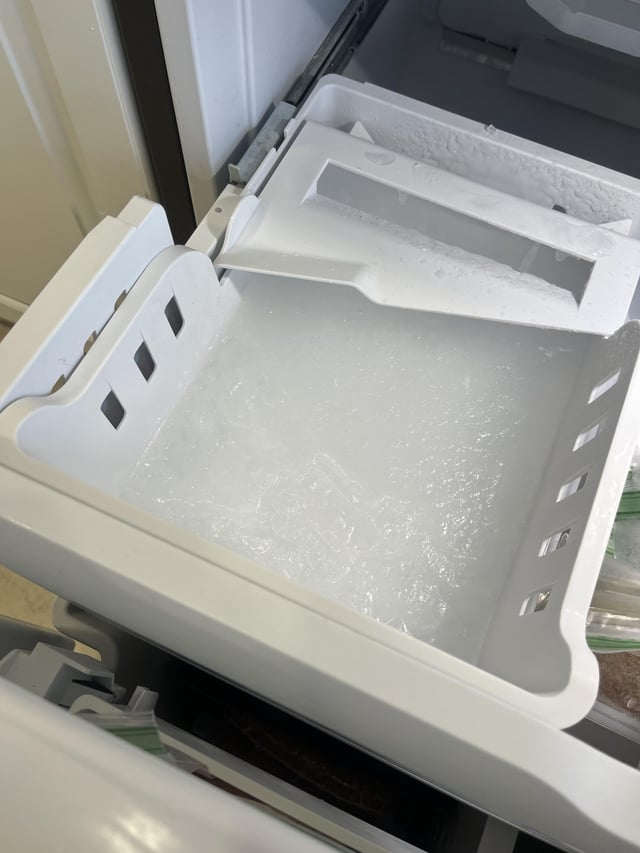
Is your GE ice maker not making ice when you need it most? It’s frustrating to open the freezer and find empty trays or no ice at all.
You rely on your ice maker to keep drinks cold and guests happy, so when it stops working, it can throw off your whole routine. But don’t worry—understanding why your GE ice maker isn’t producing ice is the first step to fixing the problem quickly.
You’ll discover the common reasons behind this issue and simple solutions you can try right now. Keep reading, and you’ll have your ice maker back to making ice in no time.
Common Causes Of Ice Maker Issues
Understanding why your GE ice maker isn’t producing ice can save you time and frustration. Several common issues often cause this problem, and pinpointing the exact one can help you fix it quickly. Let’s break down the main causes that might be stopping your ice maker from doing its job.
Water Supply Problems
Your ice maker relies on a steady water supply to function. If the water line is kinked, frozen, or blocked, water won’t reach the ice maker properly. Also, check the water inlet valve for any signs of damage or clogging.
Have you checked if the water filter is clogged? A dirty filter can reduce water flow, resulting in little or no ice production. Replacing or cleaning the filter regularly can often solve this issue.
Temperature Settings
Ice makers need the freezer to be cold enough to freeze water efficiently. If your freezer temperature is set above 10°F (-12°C), it might not freeze the water fast enough to make ice. Try adjusting the freezer to a colder setting and see if that helps.
Sometimes, the freezer door isn’t closing properly, causing temperature fluctuations. Check for any obstructions or worn-out seals that might let warm air in.
Clogged Or Frozen Lines
Water lines can freeze or get clogged over time, especially if your freezer is too cold or if there’s a buildup of mineral deposits. This stops water from flowing into the ice maker. Thawing frozen lines carefully with warm water or a hairdryer can restore flow.
Mineral buildup often occurs in areas with hard water. Regular cleaning with vinegar or a descaling agent can help prevent these blockages.
Faulty Ice Maker Components
Sometimes, the problem lies within the ice maker itself. Mechanical parts like the motor, ejector arm, or thermostat can wear out or fail. If the ice maker doesn’t cycle properly, it won’t produce ice.
Electrical issues, such as a faulty control board or wiring problems, can also stop the ice maker from working. Testing these parts with a multimeter or calling a professional might be necessary.

Credit: www.familyhandyman.com
Checking The Water Supply
When your GE ice maker stops producing ice, the first place to look is the water supply. Without a steady flow of water, your ice maker simply can’t do its job. Checking the water supply involves a few simple steps that can quickly reveal if the problem lies there.
Inspecting The Water Valve
The water valve controls the flow of water to the ice maker. If this valve is faulty or stuck, water won’t reach the ice tray. You can test the valve by unplugging the fridge and using a multimeter to check for continuity.
Sometimes, the valve might be clogged or partially closed. Make sure the valve is fully open and free of debris. Have you noticed any unusual sounds or leaks near the valve? These are clues that it may need replacement.
Ensuring Proper Water Pressure
Water pressure plays a crucial role in ice production. If the pressure is too low, the ice maker won’t fill with enough water to freeze properly. Ideally, your water supply line should maintain between 20 and 120 psi for best results.
Low water pressure often happens if the water line is kinked or the household pressure drops. Check the line for bends or damage, and try running water from the nearest faucet to see if flow feels weak. Could your neighborhood’s water supply be affecting your ice maker’s performance?
Clearing Water Line Blockages
Blockages in the water line are common culprits behind ice maker issues. Mineral buildup or small debris can clog the tubing, restricting water flow. Disconnect the water line and inspect it carefully for any visible obstructions.
Flushing the line with clean water or using a thin wire to clear minor blockages can restore flow. If the blockage persists, replacing the water line might be necessary. Have you checked your water line’s cleanliness lately?
Adjusting Temperature Controls
Adjusting the temperature controls in your freezer plays a key role in ice maker performance. Ice forms best when the freezer stays cold enough. Too warm, and water won’t freeze properly. Too cold, and ice production may slow down or stop.
Check your freezer’s temperature settings regularly to keep ice making smooth. Small changes can make a big difference. Understanding how temperature affects ice production helps fix issues fast.
Ideal Freezer Temperature
The ideal freezer temperature for most ice makers is 0°F (-18°C). This keeps water freezing steadily to form ice cubes. Temperatures above 5°F (-15°C) may cause slow or no ice production. Freezers set too cold, below -10°F (-23°C), can freeze the ice maker’s parts.
Keep the temperature dial or digital control at the manufacturer’s recommended level. Adjust it slowly and wait at least 24 hours to see effects. Avoid frequent changes to prevent inconsistent ice making.
Impact Of Temperature On Ice Production
Ice production depends on consistent cold inside the freezer. Warm spots or temperature swings stop ice from freezing. If the temperature is too high:
- Water stays liquid and does not form ice cubes.
- Ice trays may stay full but never freeze solid.
- The ice maker may stop working after repeated warm cycles.
Too low temperature can cause frozen water lines or ice buildup. This blocks water flow to the ice maker. Balance is key. Monitor the freezer temperature regularly. Adjust controls carefully to keep ice production steady and reliable.

Credit: www.reddit.com
Fixing Frozen Or Clogged Lines
If your GE ice maker isn’t making ice, frozen or clogged lines might be the culprit. This is a common issue that can disrupt your ice supply and leave you feeling frustrated. Fixing these problems doesn’t have to be a daunting task, and with a little knowledge, you can get your ice maker back on track. Let’s dive into identifying and resolving these pesky blockages.
Identifying Ice Blockages
Start by checking the water supply line connected to your ice maker. A frozen line will feel solid and may have visible frost. This blockage could halt water flow, preventing ice production.
Another sign of a blockage is slow ice production or smaller-than-usual ice cubes. This indicates that water isn’t reaching the ice maker efficiently. Don’t ignore these symptoms—they’re telling you that something’s wrong.
Thawing Techniques
To thaw a frozen line, begin by unplugging your refrigerator to ensure safety. Use a hairdryer on a low setting to gently warm the frozen area. Keep it moving to avoid heat damage to the tubing.
If you prefer a more hands-off approach, leave the refrigerator unplugged for a few hours to let the ice naturally melt. Check periodically to avoid water messes from thawed ice.
Once thawed, run a cycle to ensure the line is clear and ice production resumes. If issues persist, it might be time to check for clogs or consult a professional for further assistance.
What methods have you tried to fix your ice maker? Share your experiences and help others in the comments below!
Testing And Replacing Ice Maker Parts
Testing and replacing parts in your GE ice maker can bring it back to life without calling a technician. Knowing which components to check saves you time and frustration. Let’s look at how to inspect and replace the key parts that often cause ice production problems.
Inspecting The Motor And Ejector
The motor and ejector are responsible for pushing ice cubes out of the tray. If your ice maker hums but doesn’t produce cubes, the motor might be stuck or burnt out. You can test the motor by manually advancing the ice maker’s cycle using a screwdriver or by listening closely for the motor’s sound during operation.
The ejector arms should move smoothly without obstruction. Check for frozen ice blocking the ejector or broken arms that can’t push ice out. If the motor or ejector feels stiff or unresponsive, replacing these parts often fixes the problem quickly.
Checking The Thermostat And Sensors
Your ice maker uses a thermostat and sensors to know when to start and stop making ice. If the thermostat is faulty, the ice maker may never reach the right temperature to freeze water. Testing with a multimeter can tell if the thermostat is working properly.
Sensors can also fail or get dirty, leading to incorrect readings. Clean sensors gently and retest. If they don’t respond correctly, replacing them is usually straightforward and can restore ice production.
Replacing Defective Components
Once you identify a defective part, replacing it is often easier than you think. GE ice maker parts like motors, thermostats, and sensors are widely available online or at appliance stores.
Make sure to unplug your refrigerator before starting any replacement to avoid electric shock. Follow the manufacturer’s instructions carefully or watch tutorial videos for guidance. Would you rather pay a repair fee or save money by fixing these parts yourself?
Routine Maintenance Tips
Routine maintenance keeps your GE ice maker working smoothly. Small tasks prevent big problems. Regular care improves ice quality and extends appliance life.
Cleaning The Ice Maker
Cleaning removes dirt and mineral buildup. Use a soft cloth and mild detergent. Avoid harsh chemicals that can damage parts. Clean the ice bin and tray often. Rinse thoroughly to remove soap residue. Wipe down the exterior to keep it looking fresh.
Regular Water Filter Replacement
The water filter affects ice taste and machine health. Replace the filter every six months or as directed. A clogged filter lowers water flow and ice production. Use only filters made for your GE model. Mark the replacement date to stay on schedule.
Preventing Future Issues
Check for leaks or blockages regularly. Keep the freezer temperature between 0°F and 5°F. Avoid overloading the ice bin to prevent jams. Inspect the water line for cracks or kinks. Unplug and restart the ice maker if it stops working. These habits reduce repair needs and downtime.
When To Call A Professional
Knowing when to call a professional can save time and prevent further damage. Some ice maker issues are simple to fix. Others need expert care. Recognizing the right moment to seek help is key.
Signs Of Complex Problems
- The ice maker is completely silent or not responding.
- Water leaks appear under or inside the freezer.
- Ice cubes are misshapen or hollow consistently.
- The ice maker cycles on and off rapidly.
- Unusual noises come from the ice maker’s motor or compressor.
- Repeated ice clogs or frequent jams occur.
These signs often mean the problem is beyond simple fixes. A professional technician can diagnose and repair these issues safely.
Safety Considerations
Ice maker repairs may involve electrical parts and water lines. Mishandling these can cause injury or damage.
Professionals have the tools and training to work safely. They reduce risks of electrical shock or water leaks.
Attempting complex repairs without experience can void warranties. It can also lead to costly repairs down the road.

Credit: www.angi.com
Frequently Asked Questions
Why Is My Ge Ice Maker Not Producing Ice?
Your GE ice maker may stop making ice due to a water supply issue, a frozen water line, or a faulty ice maker assembly. Check water connections, ensure proper temperature, and inspect for any ice blockages.
How Do I Fix A Ge Ice Maker Not Making Ice?
First, verify the water supply is connected and turned on. Reset the ice maker, clean the water inlet valve, and ensure the freezer temperature is between 0-5°F. Replace defective parts if necessary.
Can A Clogged Water Filter Stop My Ge Ice Maker?
Yes, a clogged water filter can reduce water flow, causing the ice maker to stop producing ice. Replace the filter every six months or when water flow decreases.
Why Is My Ge Ice Maker Making Small Or Hollow Ice?
Small or hollow ice cubes usually indicate low water pressure or a partially frozen water line. Check water pressure, clean the water inlet valve, and defrost any frozen lines to improve ice quality.
Conclusion
A GE ice maker not making ice can be frustrating. Check water supply and temperature first. Clean the ice maker to remove any blockages. Make sure the freezer door seals tightly. Reset the ice maker if it stops working. Small fixes often solve the problem quickly.
Regular care helps keep ice making smooth. Don’t ignore early signs of trouble. Staying patient and thorough pays off. Your ice maker can work well again.