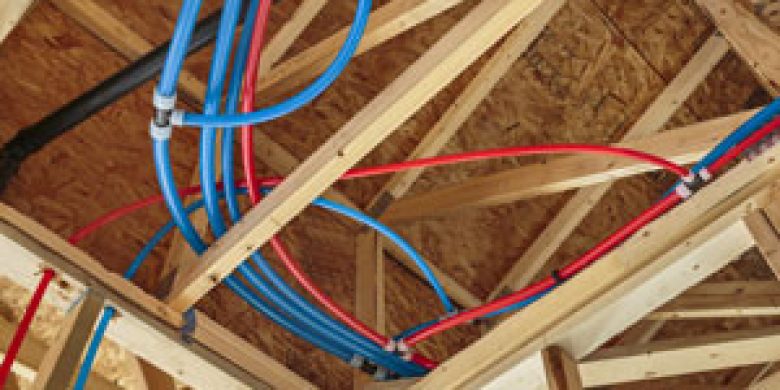
Are you worried about your PEX pipes freezing in your crawl space when the temperature drops? You’re not alone.
Many homeowners wonder if their plumbing is safe during cold weather. Understanding whether PEX can freeze—and what happens if it does—can save you from costly repairs and headaches. Keep reading to find out the truth about PEX pipes in crawl spaces and how you can protect your home this winter.
Pex Pipe Basics
Pex pipe has become a popular choice in modern plumbing, especially when dealing with spaces like crawl spaces that often face temperature challenges. Understanding the basics of Pex pipes can help you decide if they are the right fit for your home’s plumbing needs and how they react to cold environments.
Material Properties
Pex stands for cross-linked polyethylene, a type of plastic known for its flexibility and durability. Unlike rigid pipes, Pex can bend around corners without the need for many fittings, reducing leak points.
This material also resists corrosion and scale buildup, which means your water stays cleaner and the pipe lasts longer. But how does it handle freezing temperatures? Pex’s flexibility allows it to expand slightly if water inside freezes, lowering the risk of bursting compared to metal pipes.
Common Uses
Pex pipes are widely used for hot and cold water supply lines in homes. Their flexibility makes them perfect for tight spaces like crawl spaces, basements, and behind walls.
Many plumbers prefer Pex for remodeling projects because it’s easier and faster to install than traditional copper or PVC pipes. You’ll often find Pex in radiant floor heating systems too, thanks to its ability to handle both hot and cold water.
Advantages In Plumbing
- Flexibility:Easier to install in tricky spaces, fewer fittings needed.
- Durability:Resistant to corrosion and scale, which extends lifespan.
- Freeze Resistance:Can handle slight expansion during freezing without cracking.
- Cost-Effective:Generally cheaper than copper and faster to install, saving you money on labor.
If you’ve ever struggled with frozen pipes, you might appreciate how Pex’s properties can reduce damage and repair costs. Would switching to Pex be a practical step to protect your plumbing from harsh winters?
Freeze Risks In Crawl Spaces
Crawl spaces are often overlooked areas in homes, but they play a crucial role in your plumbing system’s health. One common concern is whether PEX tubing will freeze in these spaces. Understanding the specific freeze risks can help you take smart steps to protect your pipes and avoid costly repairs.
Temperature Fluctuations
Crawl spaces experience wide temperature swings, especially in colder climates. At night, temperatures can drop below freezing, while daytime warmth may raise the air temperature significantly.
This constant change stresses pipes, making them more vulnerable to freezing. Have you checked how your crawl space temperature varies throughout the day? Monitoring this can guide you in deciding if extra protection is necessary.
Moisture Levels
High moisture is common in crawl spaces and can worsen freeze risks. Damp air cools faster and increases the chance of condensation forming on pipes.
Moisture also promotes mold and rot, which can damage insulation around your PEX tubing. Keeping your crawl space dry reduces these risks and helps maintain stable pipe temperatures.
Insulation Challenges
Insulating crawl spaces is tricky because of limited access and uneven surfaces. Poor or missing insulation leaves pipes exposed to cold air.
Rigid foam board or spray foam insulation can be effective but must be installed carefully to avoid gaps. Have you inspected your crawl space insulation lately? Even small holes can undermine your efforts to keep pipes warm.
Pex Freeze Resistance
Pex pipes are known for their strong resistance to freezing in crawl spaces. This resistance comes from their unique material and design. Pex, or cross-linked polyethylene, can expand slightly when water inside freezes. This ability helps reduce the risk of pipe bursts compared to rigid pipes.
Still, extreme cold can pose challenges. Understanding how Pex handles freezing can help protect your plumbing system and avoid costly repairs.
Flexibility Benefits
Pex pipes are flexible and can bend around corners easily. This flexibility allows the pipe to expand and contract without breaking.
When water freezes inside, Pex can stretch a bit, which lowers the pressure buildup. This feature reduces the chance of cracks or bursts during freezing conditions.
Flexibility also means fewer joints and connections. Fewer joints mean fewer places where leaks can start.
Bursting Risks
Although Pex is resistant, it is not completely immune to bursting in freezing temperatures.
If water freezes too quickly or for a long time, pressure can still build up inside the pipe.
Extreme cold or poor insulation in crawl spaces increases bursting risks. Pipes that are exposed or not wrapped properly remain vulnerable.
Regular checks and good insulation help prevent freezing and bursting.
Comparisons With Other Pipes
| Pipe Type | Freeze Resistance | Burst Risk | Flexibility |
|---|---|---|---|
| Pex | High | Low | High |
| Copper | Low | High | Low |
| PVC | Medium | Medium | Low |
Pex offers better freeze resistance than copper or PVC pipes. Its flexibility and strength lower burst risks significantly.
Credit: www.diychatroom.com
Preventing Pex Freezing
Preventing Pex freezing in a crawl space protects your plumbing from damage. Pex pipes are flexible but still vulnerable to cold temperatures. Taking simple steps stops water inside pipes from freezing and expanding. This keeps your home safe and your water flowing during winter.
Proper Insulation Techniques
Insulating Pex pipes helps keep them warm in cold areas. Use foam pipe insulation sleeves or wrap pipes with fiberglass. Seal gaps in crawl space walls and floors to block cold air. Cover vents or openings that let cold air inside. Insulation acts as a shield against freezing temperatures.
Heat Tape And Other Solutions
Heat tape is an electric cable that warms pipes directly. Wrap it along the Pex pipes and plug it in during cold months. Some heat tapes turn on automatically when it gets cold. Use a thermostat-controlled heat cable to save energy. Other options include heated mats or portable heaters near pipes.
Maintaining Crawl Space Conditions
Keep the crawl space dry and warm to protect Pex pipes. Use a vapor barrier on the ground to reduce moisture. Ensure good drainage around the home to prevent water buildup. Consider installing a small heater or vent fan to control temperature. Regularly check pipes and crawl space during winter for signs of cold damage.
Signs Of Frozen Pex Pipes
Cold temperatures in crawl spaces can cause PEX pipes to freeze and block water flow. Look for frost on pipes, no water coming from taps, or strange noises in plumbing. Early signs help prevent pipe damage and costly repairs.
Experiencing frozen PEX pipes in your crawl space can be a homeowner’s nightmare, especially during the colder months. Recognizing the early signs of frozen pipes can save you from potential water damage and costly repairs. Being proactive and vigilant is key. But how can you tell if your PEX pipes are frozen?Reduced Water Flow
When you turn on your faucet and notice a trickle instead of a steady stream, it might be a sign of frozen pipes. Reduced water flow is often the first indicator that something is amiss. If you spot this issue, act quickly to prevent the pipes from bursting.Pipe Bulging
Take a moment to inspect your crawl space. If you notice any pipes that appear swollen or bulging, it’s a red flag. This occurs because water expands when it freezes, putting pressure on the pipe walls. Ignoring this can lead to pipes bursting, causing significant damage.Cold Spots
Feel along the length of your pipes. If you detect any unusually cold spots, this might indicate that water inside has frozen. This is especially true if the surrounding temperature is relatively warm. Detecting this early can help you take swift action to thaw the pipes and avoid further complications. Dealing with frozen PEX pipes isn’t just about the inconvenience of water flow issues. It’s about maintaining the integrity of your home and avoiding unnecessary stress. So, next time you’re inspecting your crawl space, keep an eye out for these signs. Could spotting these early make a difference for you this winter?
Credit: www.youtube.com
Dealing With Frozen Pipes
Frozen pipes in your crawl space can cause major headaches. They block water flow and may lead to pipe bursts if not handled carefully. Knowing how to deal with frozen PEX pipes is essential to avoid costly repairs and water damage.
Safe Thawing Methods
Thawing frozen pipes requires patience and caution. Using a hairdryer or heat gun on a low setting works well—start close to the faucet and move toward the frozen section.
Never use an open flame or high heat, as this can damage the PEX or cause a fire. Wrapping the pipe with warm towels and applying gentle heat can also help gradually raise the temperature.
Have you checked if your crawl space has any drafty areas? Sealing those can prevent refreezing after thawing.
Avoiding Damage
Applying too much force while trying to thaw or unfreeze pipes can cause cracks or leaks. Avoid banging or striking the pipes to break the ice.
Keep water running slowly through the pipe while thawing; this helps melt the ice and reduces pressure buildup. Inspect the pipe carefully after thawing to catch any small leaks early.
Protecting pipes with insulation sleeves or foam can prevent future freezing. What steps have you taken to shield your crawl space pipes during winter?
When To Call A Professional
If your frozen pipe shows signs of cracking or leaks, it’s time to get expert help. Attempting repairs without experience might make the damage worse.
Professionals have the right tools and knowledge to thaw pipes safely and fix any issues promptly. If you’re unsure about the severity or don’t feel comfortable handling the situation, calling a plumber is the safest choice.
Don’t wait until water starts pooling in your crawl space—early intervention saves both your pipes and your sanity.
Long-term Protection Tips
Protecting PEX pipes in your crawl space over the long term requires consistent effort and smart upgrades. It’s not just about preventing freezing once but avoiding damage season after season. You need strategies that fit your home’s unique setup and weather conditions.
Routine Inspections
Check your crawl space regularly, especially before winter arrives. Look for signs of moisture, cracks in insulation, or exposed pipes that might be vulnerable.
Touch the PEX pipes to feel if they’re cold or showing signs of frost. Early detection helps you act before a pipe freezes and bursts.
Ask yourself: Are there any gaps where cold air sneaks in? Sealing those can make a big difference.
Upgrading Crawl Space Setup
Consider adding insulation around your PEX pipes and on crawl space walls. Foam pipe sleeves or heat tape can provide extra warmth.
Installing a vapor barrier helps control moisture, which reduces the risk of pipe damage and mold growth.
Think about improving ventilation or adding a small heater if your crawl space stays too cold. Simple upgrades can prevent costly repairs later.
Emergency Preparedness
Have a plan ready in case pipes start to freeze. Keep a portable heat source, like a space heater or heat gun, handy for quick warming.
Know where your main water shut-off valve is located. Shutting off water quickly can minimize damage if a pipe bursts.
Consider installing a leak detector with an alarm in your crawl space to alert you early about any issues.

Credit: www.reddit.com
Frequently Asked Questions
Will Pex Pipes Freeze In A Crawl Space?
PEX pipes are more resistant to freezing than copper but can freeze if temperatures drop below 20°F. Proper insulation and maintaining warmth in the crawl space help prevent freezing and pipe damage during cold weather.
How To Prevent Pex Pipe Freezing In Crawl Spaces?
Insulate PEX pipes with foam sleeves or heat tape. Seal crawl space vents to keep cold air out. Maintain crawl space temperature above freezing using heaters or insulation to reduce the risk of pipe freezing.
Is Pex Safer Than Copper For Freezing Risks?
Yes, PEX is more flexible and less likely to burst if frozen. It expands slightly under pressure, reducing pipe damage. However, proper insulation is still necessary to avoid freezing in crawl spaces.
What Temperature Causes Pex Pipes To Freeze?
PEX pipes typically freeze at or below 20°F (-6°C). The freezing point depends on water flow and insulation quality. Maintaining a crawl space temperature above freezing prevents pipe damage.
Conclusion
Pex pipes can freeze in crawl spaces if the temperature drops very low. Insulation helps keep pipes warm and safe. Proper ventilation reduces moisture and cold air flow. Checking pipes regularly prevents surprises in winter. Taking simple steps can protect your plumbing.
Stay aware of your crawl space conditions. Avoid costly repairs by acting early. Safe pipes mean no water damage or leaks. Keep your home warm and your pipes safer.