Have you ever wondered what happens to isopropyl alcohol when temperatures drop? Knowing the exact temperature at which isopropyl alcohol freezes can be crucial, especially if you use it for cleaning, medical purposes, or in your DIY projects.
Understanding this simple fact can save you from unexpected problems and help you handle your supplies better. Keep reading, and you’ll discover the freezing point of isopropyl alcohol and why it matters to you.
Credit: www.fordforumsonline.com
Isopropyl Alcohol Basics
Isopropyl alcohol is a common household and industrial chemical that many people use without fully understanding its properties. Knowing the basics can help you handle it safely and make the most out of its uses. Let’s break down what isopropyl alcohol really is and why it’s so widely used.
Chemical Composition
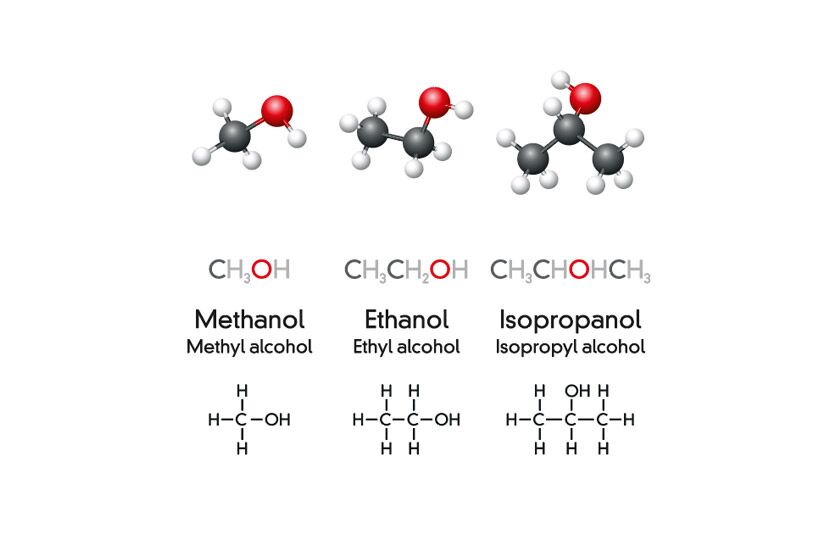
Isopropyl alcohol, also known as isopropanol, has the chemical formula C3H8O. It’s made of three carbon atoms, eight hydrogen atoms, and one oxygen atom. This simple structure gives it unique characteristics like being a clear, colorless liquid with a strong odor.
Its molecular structure makes it highly effective as a solvent and disinfectant. Have you ever wondered why it evaporates so quickly? That’s due to its low boiling point and chemical makeup, which also influence its freezing temperature.
Common Uses
You probably have isopropyl alcohol in your medicine cabinet right now. It’s widely used as a disinfectant to clean wounds and surfaces. In fact, it kills bacteria and viruses by breaking down their cell membranes.
Beyond cleaning, it’s a powerful solvent for removing oils, greases, and residues. Many electronics technicians rely on it to clean circuit boards without leaving moisture behind. It’s also popular in household products like hand sanitizers and cleaning sprays.
- Disinfecting cuts and scrapes
- Cleaning electronic devices
- Removing ink stains and adhesives
- Making homemade sanitizers
Knowing these basics helps you understand why isopropyl alcohol behaves the way it does in different temperatures, including when it freezes.

Credit: naturedivine.pk
Freezing Point Explained
The freezing point of isopropyl alcohol is an important factor for many uses. It tells us the temperature at which the liquid turns solid. This point varies depending on the purity and concentration of the alcohol. Understanding this helps in storage and application in cold environments.
Pure Isopropyl Alcohol
Pure isopropyl alcohol freezes at around -89°C (-128°F). This low freezing point means it stays liquid in very cold conditions. It is much lower than water’s freezing point of 0°C (32°F). This property makes pure isopropyl alcohol useful as an antifreeze agent.
Effect Of Concentration
The freezing point changes with different alcohol concentrations. Mixtures with water freeze at higher temperatures. For example:
- 70% isopropyl alcohol freezes near -32°C (-26°F)
- 50% concentration freezes around -32°C (-26°F)
- Less concentrated forms freeze closer to 0°C (32°F)
The higher the water content, the higher the freezing point. This is because water freezes at 0°C and raises the mixture’s freezing temperature.
Factors Influencing Freezing
Freezing points depend on purity and concentration of isopropyl alcohol. Lower temperatures freeze higher alcohol percentages. Impurities and pressure also change the freezing point.
Understanding the factors that influence the freezing point of isopropyl alcohol can help you better store and use this versatile substance. Whether you’re using it for cleaning, disinfecting, or any other purpose, knowing what affects its freezing point can ensure you get the best performance from your isopropyl alcohol. Let’s explore some key factors that can alter its freezing point.Impurities And Additives
The presence of impurities and additives can significantly impact the freezing point of isopropyl alcohol. Pure isopropyl alcohol typically freezes at around -89°C (-128°F). However, everyday products often contain additives that can alter this temperature. Consider a time when you used a commercial cleaning solution. Did it contain other chemicals or water? These additives can lower the freezing point, making it less predictable. This is why it’s crucial to check the ingredient list if you’re planning to store your alcohol in a cold environment.Environmental Conditions
Environmental factors such as temperature and humidity play a crucial role in the freezing process. If you store isopropyl alcohol in a very cold area, it might freeze faster than expected, especially if the solution is diluted. Think about your own storage habits. Do you store cleaning supplies in an unheated garage during winter? Such conditions can lead to freezing, affecting the alcohol’s effectiveness. Always consider the climate and storage environment to maintain the quality of your isopropyl alcohol. By being aware of these factors, you can ensure your isopropyl alcohol remains effective, regardless of where or how you store it. Does your storage space or choice of product need a rethink? Keeping these insights in mind will help you make informed decisions.Freezing Temperature Ranges
Understanding the freezing temperature ranges of isopropyl alcohol is crucial, especially if you use it for cleaning or in environments exposed to cold. The freezing point varies depending on the concentration of the alcohol, so knowing these differences can help you store and use it effectively. Let’s break down how the freezing temperatures change with common concentrations.
70% Isopropyl Alcohol
At 70% concentration, isopropyl alcohol is mixed with 30% water, which significantly lowers its freezing point compared to pure water. This mixture typically freezes around -32°C (-26°F). That’s much colder than your average freezer, so 70% isopropyl alcohol stays liquid in most household freezers.
If you’ve ever tried to store it in your freezer, you might have noticed it doesn’t solidify easily. This property makes 70% isopropyl alcohol ideal for cleaning electronics or surfaces in cold environments. But what happens if you need it to freeze? You’d have to expose it to extreme cold, far below typical home freezer temperatures.
91% And 99% Concentrations
For higher concentrations like 91% or 99%, the freezing point drops even further because there is less water content. For example, 99% isopropyl alcohol freezes near -89°C (-128°F), a temperature rarely encountered outside of specialized laboratory settings.
This means that these higher concentrations remain liquid under almost all normal conditions, making them excellent for use in colder environments. If you rely on isopropyl alcohol for any outdoor or industrial work, knowing this helps you avoid surprises when the temperature drops.
Have you ever wondered why your isopropyl alcohol never seems to freeze in your freezer? Now you know it’s all about the balance between water and alcohol. Would adjusting the concentration change how you store or use it?
Practical Implications
Understanding the freezing point of isopropyl alcohol has real-world uses. This knowledge helps in storing and handling it properly. Isopropyl alcohol freezes at about -89°C (-128°F). This temperature is much lower than most household freezers. Still, certain conditions can cause it to freeze or become slushy.
These practical details affect how to store and use isopropyl alcohol safely. Proper care prevents damage and maintains effectiveness.
Storage Tips In Cold Climates
- Keep isopropyl alcohol in a sealed container.
- Store it indoors away from extreme cold.
- Avoid placing it in unheated areas like garages or sheds.
- Use insulated storage if outdoor temperatures drop below freezing.
- Label containers clearly to avoid confusion.
- Check storage areas regularly for temperature changes.
Handling Frozen Isopropyl Alcohol
If isopropyl alcohol freezes, do not shake the bottle. Shaking can cause pressure build-up and spills.
Allow the bottle to warm slowly at room temperature. Avoid using heat sources like ovens or microwaves.
Once thawed, check the liquid for clarity and consistency. If it looks cloudy or has particles, discard it safely.
Frozen isopropyl alcohol may lose some effectiveness. Use fresh supplies for best results.
Surprising Facts
Isopropyl alcohol behaves quite differently when it comes to freezing, surprising many who assume it freezes like water. Understanding these unexpected details can help you handle and store it more effectively. Let’s uncover some surprising facts about its freezing point and clear up common misunderstandings.
Misconceptions About Freezing
Many people think isopropyl alcohol freezes at 0°C like water, but that’s not true. Its freezing point is much lower, around -89°C (-128°F), which means it stays liquid in extremely cold conditions.
This explains why your bottle of rubbing alcohol didn’t freeze in the freezer. Have you ever tried storing it outside on a cold winter night and noticed it stayed liquid? That’s the reason.
People sometimes confuse the freezing point with evaporation behavior, but isopropyl alcohol evaporates quickly rather than freezing at typical household temperatures.
Comparison With Other Alcohols
Isopropyl alcohol’s freezing point is much lower than many other common alcohols. For instance, ethanol freezes around -114°C (-173°F), and methanol freezes near -97°C (-143°F).
| Alcohol Type | Freezing Point (°C) | Freezing Point (°F) |
|---|---|---|
| Isopropyl Alcohol | -89 | -128 |
| Ethanol | -114 | -173 |
| Methanol | -97 | -143 |
Knowing these differences helps you pick the right alcohol for your needs, especially if you work in cold environments. How often have you considered these temperature ranges before buying or using alcohol?
Credit: berkshire.com
Frequently Asked Questions
What Is The Freezing Point Of Isopropyl Alcohol?
Isopropyl alcohol freezes at around -89°C (-128°F). Its low freezing point makes it useful in cold environments. This property helps prevent it from solidifying in typical freezing conditions.
Does Isopropyl Alcohol Freeze In Home Freezers?
Standard home freezers operate around -18°C (0°F), which is much warmer than isopropyl alcohol’s freezing point. Therefore, isopropyl alcohol will not freeze in a typical home freezer.
How Does Concentration Affect Isopropyl Alcohol’s Freezing Point?
Higher purity isopropyl alcohol has a lower freezing point. Diluted solutions freeze at higher temperatures, depending on water content. This means the more water in the mix, the higher the freezing point.
Can Freezing Isopropyl Alcohol Damage Its Properties?
Freezing usually does not damage isopropyl alcohol’s chemical properties. However, repeated freezing and thawing might cause slight separation in mixtures. Pure isopropyl alcohol remains stable even after freezing.
Conclusion
Isopropyl alcohol freezes at a much lower temperature than water. It stays liquid even in very cold conditions. This makes it useful for many tasks in winter. Knowing its freezing point helps you store and use it safely. Keep it away from extreme cold to maintain its effectiveness.
Always handle it carefully for the best results. Understanding these basics makes your work easier and safer.