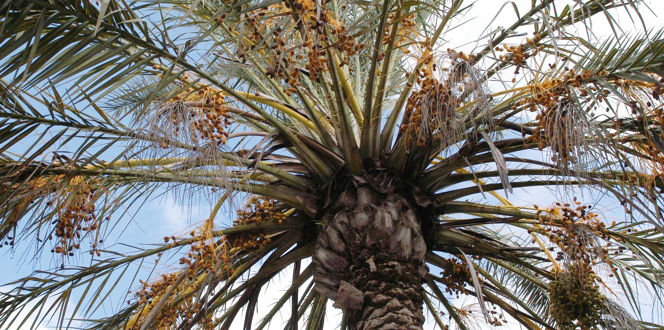
Your palm tree adds a touch of paradise to your yard, but freezing temperatures can quickly turn that beauty into a withered mess. If you want to keep your palm healthy and green through the cold months, you need to act before the frost hits.
You’ll discover simple, effective ways to protect your palm tree from freezing damage. Keep reading, and learn how to save your palm tree so it thrives year after year.
Signs Of Freeze Damage
Freeze damage can harm palm trees quickly. Early detection helps save the tree. Knowing the signs of freeze damage is crucial for timely care. These signs show how cold affects the tree’s health and growth.
Common Symptoms
- Leaves turn brown or black at the tips.
- Fronds become brittle and dry.
- Trunk shows dark, water-soaked spots.
- New growth appears stunted or weak.
- Leaf bases may look mushy or soft.
- The tree droops or loses its shape.
- Yellowing leaves that do not improve.
Long-term Effects
Freeze damage can cause slow decline in palm health. The tree may lose leaves over several months.
Branches could die back, reducing canopy size. The trunk may develop cracks or decay.
Growth slows or stops, making the tree weak. The palm becomes more vulnerable to pests and diseases.
Severe damage might kill the palm if not treated. Recovery can take many months or years.
Choosing Cold-hardy Palm Varieties
Choosing the right palm variety is key to surviving cold weather. Some palms handle freezing temperatures better than others. Picking cold-hardy species reduces damage risks during winter.
These palms have natural resistance to frost. They can stay healthy with less protection. Knowing which species thrive in your climate saves time and effort.
Best Species For Winter
- Windmill Palm (Trachycarpus fortunei):Tolerates temperatures down to 5°F (-15°C).
- Bismarck Palm (Bismarckia nobilis):Handles cold and looks striking in landscapes.
- Needle Palm (Rhapidophyllum hystrix):One of the most cold-tolerant palms, survives below 0°F (-18°C).
- European Fan Palm (Chamaerops humilis):Hardy to about 10°F (-12°C), adapts well to cold.
- Pindo Palm (Butia capitata):Can endure temperatures near 15°F (-9°C), offers unique fruit.
Planting Locations
Plant palms in protected spots to avoid cold damage. South-facing walls trap heat and reduce frost impact. Avoid low areas where cold air collects.
Near buildings or fences, palms get extra warmth and wind protection. Mulch around roots helps keep soil temperature steady. Proper location boosts palm survival in freezing weather.
Preparing Palms Before Winter
Cover palm trees with frost cloth or burlap to shield them from freezing temperatures. Water the soil well before cold nights to keep roots warm and healthy. Wrapping the trunk with insulation helps prevent frost damage during winter.
Preparing your palm trees for winter ensures their survival during freezing temperatures. Palms are tropical plants; they need extra care in cooler climates. Proper preparation helps them withstand harsh weather. Follow these simple strategies to keep your palms healthy and strong through the cold months.Pruning Techniques
Pruning helps your palm focus energy on surviving the cold. Remove dead or damaged fronds before winter. This reduces stress on the tree. Cut close to the trunk, but avoid cutting too much. Over-pruning weakens the palm and makes it vulnerable. Use clean, sharp tools to prevent infections. Regularly inspect your palm for any new damage.Watering Strategies
Watering palms properly is crucial before winter arrives. Ensure the soil is moist but not waterlogged. Water deeply once a week during the fall. This strengthens the root system for winter. Reduce watering as temperatures drop to prevent root rot. Use mulch around the base to conserve moisture. This also keeps roots insulated from freezing temperatures.
Credit: www.amazon.com
Protective Coverings And Wrapping
Protective coverings and wrapping are essential for shielding palm trees from freezing temperatures. These measures help trap heat and reduce frost damage. Wrapping also prevents cold air from directly hitting the trunk and fronds. Proper wrapping keeps the tree safe during cold nights and frost events.
Choosing the right materials and wrapping the tree correctly ensures the best protection. The coverings should allow some airflow to avoid moisture buildup, which can cause rot. Wrapping must be snug but not too tight to harm the tree. Let’s explore which materials work best and how to wrap your palm tree properly.
Materials To Use
- Frost cloth: lightweight and breathable fabric designed for frost protection
- Burlap: natural fiber that allows air circulation and blocks cold winds
- Old blankets or sheets: use only if no other options are available
- Plastic sheeting: use carefully; it traps moisture and can cause damage
- Straw or mulch: place around the tree base to insulate roots
Wrapping Methods
- Start by cleaning the trunk and removing dead fronds
- Wrap the trunk loosely from bottom to top with frost cloth or burlap
- Secure the ends with twine or soft ties to avoid tight pressure
- Cover the crown with fabric, ensuring fronds stay upright and protected
- Use stakes or poles to create a tent-like frame if needed
- Remove coverings during the day to allow sunlight and air flow
Using Heat Sources
Using heat sources helps keep palm trees safe during cold nights. Heat stops ice from forming on leaves and trunks. It also keeps the tree’s core temperature above freezing. This method is effective for short cold spells and sudden frost warnings. Small heat sources can make a big difference.
Heat Lamps And Lights
Heat lamps provide steady warmth around the palm tree. Place lamps about 3 to 6 feet away from the trunk. Keep lamps off the ground to avoid fire risk. Use bulbs designed for outdoor use to handle moisture. Lights like incandescent bulbs emit heat and light. Wrap the tree gently with frost cloth to hold heat.
- Use heat lamps with a protective cover
- Keep lamps away from dry leaves or mulch
- Turn off lamps during the day
- Check lamps regularly for safety
Soil Heating Options
Soil heating warms the roots to prevent freeze damage. Use underground heating cables or mats made for gardens. Lay cables in a spiral around the base of the tree. Cover cables lightly with soil or mulch to keep heat in. This method protects roots and improves water absorption. Soil heating works best in small areas.
- Choose cables rated for outdoor use
- Follow manufacturer instructions carefully
- Use a thermostat to control temperature
- Inspect cables for damage before use
Mulching For Root Protection
Mulching is a simple yet powerful way to shield your palm tree’s roots from freezing temperatures. By covering the soil around the base, mulch acts as an insulating blanket that keeps the ground warmer. This protection is crucial since cold soil can harm the roots and stunt your palm’s growth.
Choosing the right mulch and applying it correctly can make all the difference in your palm’s winter survival. Let’s look at the best types of mulch to use and how to apply them effectively to give your palm the best chance through cold snaps.
Best Mulch Types
- Wood Chips:These are excellent for retaining heat and moisture. They break down slowly, providing long-lasting protection.
- Straw or Hay:Lightweight and easy to spread, straw forms a thick insulating layer but may need replacement after heavy rain.
- Pine Needles:They create a natural, breathable mulch that prevents soil compaction and retains warmth.
- Leaves:Shredded leaves are an affordable option and add nutrients to the soil as they decompose.
Choosing a mulch that is readily available and suitable for your soil type can save you time and effort.
Application Tips
- Start by clearing the area around your palm’s base to remove weeds or debris that could trap moisture and cause rot.
- Spread a 3 to 4-inch layer of mulch evenly around the root zone, extending outwards to cover as much soil as possible.
- Keep the mulch a few inches away from the trunk to prevent moisture buildup, which can lead to fungal issues.
- Check the mulch throughout winter and replenish it if it compresses or blows away, maintaining consistent insulation.
- Consider watering the soil before mulching to lock in moisture, which helps roots stay healthy during dry cold spells.
Have you noticed how mulch not only protects roots but also improves soil health over time? It’s a simple step that pays off season after season.
Monitoring Weather And Timing
Watching the weather closely helps protect palm trees from freezing damage. Knowing the right time to act keeps your palm safe. Timing is key to preparing for cold nights. Early warnings allow for better protection steps.
Frost Alerts
Sign up for frost alerts from local weather services. These alerts warn about dropping temperatures below freezing. Use apps or websites that send notifications. Pay attention to these alerts especially during winter months. They give you time to prepare and protect your palm trees.
When To Act
Take action as soon as a frost alert is received. Cover your palm tree before the temperature drops. Avoid waiting until the cold has already started. Use blankets or frost cloths to keep heat in. Remove covers during the day to let the tree breathe. Acting early reduces the risk of freeze damage.
Credit: www.bnd.com
Post-freeze Care
After a freeze, your palm tree needs special attention to bounce back strong. Post-freeze care is crucial because the damage might not be obvious right away. Taking the right steps at this stage can make the difference between recovery and decline.
Assessing Damage
Start by carefully inspecting your palm tree once the frost has melted. Look for blackened or wilted fronds, which are common signs of freeze injury. Don’t rush to remove damaged leaves immediately; sometimes, they protect the tree from further stress.
Check the trunk for soft spots or discoloration, as these can indicate deeper damage. You might also notice a lack of new growth after a few weeks—that’s a red flag. Have you ever seen a palm that looked fine but then started to decline? That’s why ongoing observation matters.
Recovery Practices
After assessing the damage, focus on helping your palm heal. Trim only the fully dead fronds to avoid stressing the tree further. Use clean, sharp tools to prevent infection.
Water your palm deeply but avoid overwatering, especially if the soil is still cold. Add a balanced fertilizer to support new growth, but wait until you see signs of recovery. Mulching around the base can help regulate soil temperature and retain moisture.
Keep your palm protected from wind and direct sun while it recovers. Have you tried using frost cloths or temporary windbreaks? These can reduce additional stress during the healing phase. Remember, patience is key—palms can take months to fully recover from freeze damage.

Credit: www.epicgardening.com
Frequently Asked Questions
How Can I Protect Palm Trees From Freezing Temperatures?
Cover palm trees with frost cloths or burlap to trap heat. Use mulch around the base to insulate roots. Water the soil before frost to retain warmth. Avoid pruning in cold weather to reduce stress.
What Materials Work Best For Palm Tree Frost Protection?
Use breathable frost cloths, burlap, or old bed sheets. Avoid plastic, as it traps moisture and causes damage. These materials allow air circulation while protecting from cold wind and frost.
When Is The Best Time To Cover Palm Trees?
Cover palms before sunset when temperatures start dropping. Remove coverings after sunrise to prevent overheating. Monitor local frost warnings to time protection accurately.
Does Watering Help Protect Palm Trees From Freezing?
Yes, watering moistens soil which retains heat longer. Avoid overwatering as soggy roots can cause damage. Water your palm tree a day before the expected freeze.
Conclusion
Protecting palm trees from freezing helps them stay healthy and strong. Use blankets or wraps to keep the cold off leaves and trunks. Water the soil well before cold nights to protect roots. Choose palm types that handle cold better for your area.
Small steps now can save your tree from winter damage. Keep watching the weather and act quickly when frost arrives. Your palm tree will thank you with lush, green growth. Simple care makes a big difference during cold months.