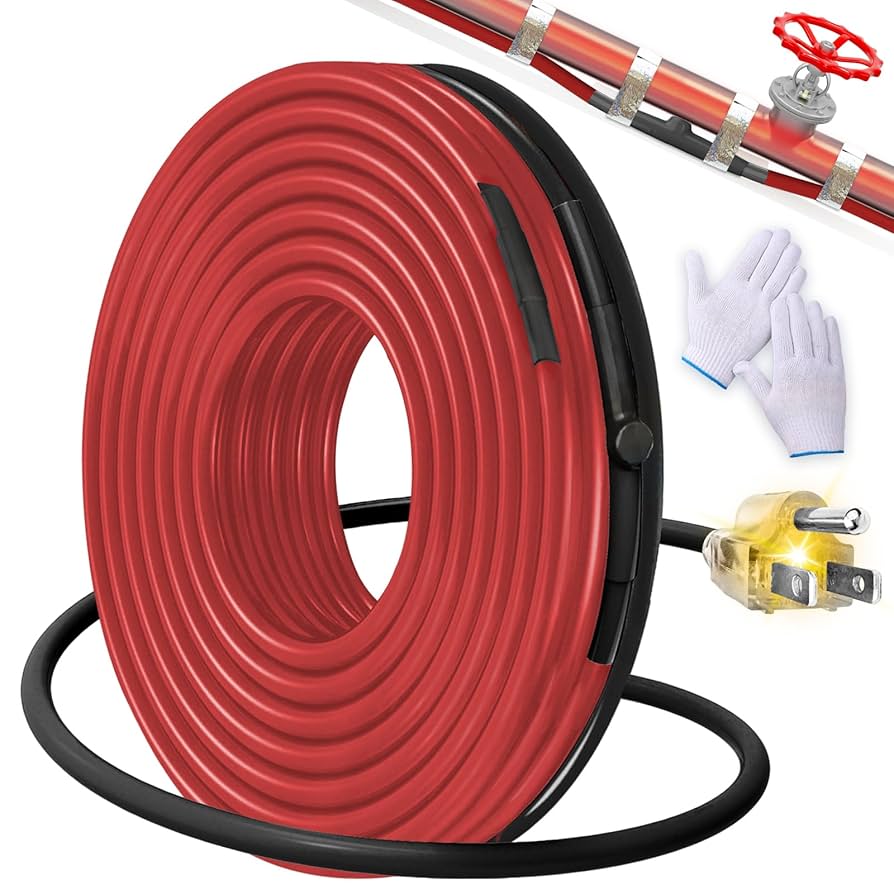
Imagine waking up in your RV to find frozen pipes that have burst overnight. It’s a nightmare no RV owner wants to face.
But what if you could stop this problem before it even starts? You can, and it’s easier than you think. You’ll discover simple, effective ways to keep your RV pipes from freezing—saving you time, money, and stress. Keep reading, because protecting your RV this winter could be the smartest move you make.
Why Rv Pipes Freeze
RV pipes freeze because water inside them turns to ice at low temperatures. Ice expands and puts pressure on the pipes. This pressure can cause cracks or bursts. Pipes in RVs are more vulnerable because they are often exposed to cold air. Understanding why pipes freeze helps prevent damage and costly repairs.
Common Freeze Causes
- Cold weather with temperatures below freezing
- Pipes located in unheated or poorly insulated areas
- Leaving water in the pipes during winter
- Sudden drops in temperature at night
- Faulty or no use of heat sources near pipes
Impact Of Freezing Pipes
- Cracked or burst pipes causing leaks
- Water damage inside the RV
- Costly repairs and replacements
- Disruption of water supply and use
- Possible mold growth from leaks

Credit: www.amazon.com
Preparing Your Rv For Winter
Preparing your RV for winter is essential to avoid costly repairs and ensure your pipes stay intact through freezing temperatures. Taking the right steps before the cold hits can save you hours of frustration and prevent damage that might ruin your next trip. Have you ever faced the headache of frozen pipes in the middle of a chilly morning? Let’s look at practical ways to protect your RV’s plumbing system.
Drain Water Systems
Completely draining your RV’s water systems is one of the most effective ways to prevent freezing. Start by emptying the fresh water tank, water heater, and all water lines.
Don’t forget to open all faucets, including the outdoor shower if you have one, to let any remaining water escape. Leaving water trapped inside can freeze and expand, causing cracks or leaks.
Remember to flush the toilets and drain the black and gray water tanks as well. Even a small amount of leftover water in pipes can cause damage during freezing conditions.
Use Antifreeze Safely
Using RV-specific antifreeze is a smart way to protect your plumbing, but it needs to be done correctly. Only use non-toxic antifreeze designed for RV use to avoid damaging your water system or harming the environment.
Pour antifreeze into the drains, toilets, and water lines after draining the water systems. This creates a protective barrier inside the pipes that helps prevent freezing and cracking.
Be careful not to mix antifreeze with drinking water. Some RV owners have found it helpful to label their faucets or use tags to avoid accidental use of antifreeze-tainted water.
Insulating Pipes Effectively
Preventing RV pipes from freezing is crucial for winter trips. Insulating pipes effectively can save you from costly repairs. Proper insulation helps maintain water flow and avoid pipe bursts.
Choosing Insulation Materials
Selecting the right insulation material is vital. Foam pipe insulation is a popular choice. It is easy to install and provides good protection. Fiberglass wraps are another option. They offer excellent thermal resistance. Consider the climate and your RV’s needs. Choose a material that suits your travel conditions.
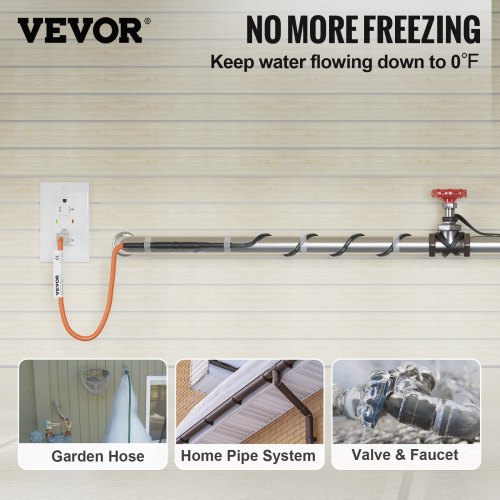
Applying Pipe Wraps And Heat Tape
Pipe wraps and heat tape add extra protection. Pipe wraps are simple to use. Just wrap them around the pipes snugly. Ensure there are no gaps. Heat tape is another effective solution. It provides warmth directly to the pipes. Follow the manufacturer’s instructions for installation. Use these tools to keep your pipes safe during cold months.
Credit: www.vevor.com
Maintaining Heat Inside The Rv
Keeping the inside of your RV warm is key to stopping pipes from freezing. Warm air helps maintain water flow and prevents ice buildup. Use simple heating methods to keep the temperature steady and comfortable.
Using Space Heaters
Space heaters are a practical way to add warmth inside your RV. Choose electric models that are safe and designed for small spaces. Place heaters near water lines and pipes to keep them warm. Run them on low settings to save energy but still provide enough heat.
Keep heaters away from flammable materials. Never leave them on unattended. Some heaters have timers or thermostats for better control. These features help maintain a constant temperature, protecting your pipes from freezing.
Sealing Drafts And Gaps
Cold air entering through drafts can cool down your RV quickly. Find gaps around windows, doors, and vents. Use weather stripping or caulk to seal these openings. This keeps warm air inside and cold air out.
Check for leaks near plumbing areas. Cover larger gaps with foam tape or insulation strips. Even small cracks let in cold air that can freeze pipes. Sealing drafts reduces heat loss and lowers energy costs.
Additional Tips To Avoid Freezing
Protecting your RV pipes from freezing needs more than basic steps. Small actions can stop big problems. Here are extra tips that help keep water flowing and pipes safe during cold nights and chilly days.
Running Water Trick
Keep a slow drip of water running through faucets. Moving water freezes less easily than still water. This small flow reduces pressure in pipes and lowers freeze risk. Even a trickle can make a big difference on cold nights.
Monitoring Temperature
Use a simple thermometer inside your RV near pipes. Watch the temperature closely as it drops. If it gets near freezing, take action quickly to warm pipes. Some RVers use smart sensors that send alerts to phones. Staying aware helps avoid frozen pipes before damage starts.
Emergency Measures For Frozen Pipes
Frozen pipes in an RV can cause major problems fast. Acting quickly helps reduce damage and restore water flow. Emergency steps focus on safely thawing pipes and preventing breaks. These actions protect your RV’s plumbing and save costly repairs.
Thawing Frozen Pipes Safely
Start by locating the frozen section of pipe. Use a hairdryer or heat lamp to warm the pipe slowly. Move the heat source along the pipe evenly. Avoid open flames or high heat, as they can damage pipes or start fires.
Keep water faucets open during thawing. Flowing water helps melt ice inside the pipes. If no heat source is available, wrap the pipe with warm towels. Replace towels frequently to maintain heat.
Preventing Pipe Damage
Do not use sharp tools to break ice inside pipes. This can cause cracks or leaks. Check pipes carefully for signs of damage after thawing. Look for cracks, bulges, or wet spots.
If you notice leaks, turn off the water supply immediately. Use pipe repair tape or clamps as a temporary fix. Contact a professional plumber for a permanent repair.
Credit: www.happycampers.store
Frequently Asked Questions
How Can I Stop Rv Pipes From Freezing In Winter?
Insulate your RV pipes with foam sleeves or heat tape. Keep the interior warm and seal any drafts. Drain water tanks and use antifreeze when storing your RV in freezing temperatures.
What Materials Are Best For Insulating Rv Pipes?
Foam pipe insulation and heat tape are ideal for RV pipes. They provide effective thermal protection and prevent freezing. Choose materials rated for outdoor use and suitable for your RV pipe size.
Should I Use Rv Antifreeze To Prevent Pipe Freezing?
Yes, non-toxic RV antifreeze protects pipes during cold storage. It lowers the freezing point of water inside pipes and tanks. Always use RV-specific antifreeze to avoid damage to plumbing systems.
Is It Necessary To Keep The Rv Heater On To Avoid Freezing?
Yes, running the RV heater maintains interior warmth and prevents pipe freezing. Keep the thermostat at a low setting during cold nights. This helps maintain steady temperatures and protects plumbing.
Conclusion
Protecting your RV pipes from freezing saves time and money. Use insulation and heat tape to keep pipes warm. Drain water from pipes before cold weather arrives. Check seals and vents to stop cold air leaks. Small steps prevent big problems during winter trips.
Stay prepared and enjoy your travels without worry. Easy care keeps your RV safe and ready.