Have you ever wondered exactly what temperature makes ice melt? It’s a simple question, but the answer can surprise you.
Understanding how and why ice melts isn’t just useful for keeping your drinks cold or planning a winter trip—it can help you in everyday moments, from cooking to saving energy at home. By the end of this article, you’ll know the science behind melting ice and how temperature plays a key role.
Keep reading, because what you learn here might change the way you think about something as common as ice.

Credit: ninjadeicer.com
Ice Melting Basics
Understanding ice melting starts with the basics of temperature and water’s properties. Ice is simply frozen water, and it changes back to liquid when heated. This change depends on reaching a specific temperature. Knowing these facts helps explain why ice melts in some conditions and stays solid in others.
Freezing Point Of Water
Water freezes at 0 degrees Celsius (32 degrees Fahrenheit). At this temperature, water molecules slow down and form a solid structure called ice. This point is also where ice begins to melt if the temperature rises. The freezing point can change slightly due to impurities like salt in water, but pure water melts exactly at 0°C.
How Temperature Affects Ice
When the temperature is above 0°C, ice starts melting. Heat energy breaks the bonds holding water molecules in a solid form. The higher the temperature, the faster ice melts. Even a small rise above freezing causes ice to turn into water. Below 0°C, ice stays solid because molecules do not have enough energy to move freely.

Credit: medium.com
Factors Influencing Ice Melting
Understanding what makes ice melt involves more than just knowing the temperature. Several factors influence how quickly ice turns to water, and these can change the melting point itself. Let’s look closely at some key elements that affect ice melting and how they impact what you observe in daily life.
Pressure Effects
Pressure plays a surprising role in melting ice. When you increase pressure on ice, it can actually melt at temperatures below 0°C (32°F). This happens because pressure changes the structure of ice, making it easier for molecules to break free and turn into water.
Think about ice skating: the blade puts pressure on the ice, creating a thin layer of water that allows smooth gliding. Have you ever wondered why ice beneath a heavy object might melt faster? That’s pressure at work.
Impurities And Salts
Pure ice melts at 0°C, but add impurities like salt, and the melting point drops. Salt lowers the freezing point by disrupting the way water molecules bond in ice. This is why roads are salted in winter to prevent ice from forming or to melt existing ice quickly.
You can try this at home: sprinkle salt on an ice cube and watch it melt faster than a plain one. The salt ions interfere with the freezing process, making ice less stable and easier to melt.
Surface Area And Shape
The shape and size of ice affect how fast it melts. Ice with a larger surface area melts quicker because more of it is exposed to warm air or water. Small, thin ice chips disappear faster than a big, solid block.
Imagine holding a handful of crushed ice versus a single large cube in your drink. The crushed ice chills your drink quickly but melts faster, diluting your beverage sooner. How you use ice can change your experience significantly.
Unexpected Melting Temperatures
Ice usually melts at 0°C (32°F), but changes in pressure or impurities can shift this temperature. Unexpected melting points often surprise many in everyday life. Understanding these factors helps explain why ice melts differently under various conditions.
Unexpected Melting Temperatures Ice, the seemingly simple frozen water, hides many secrets about its melting behavior. While most of us know that ice melts at 0°C (32°F) under normal conditions, its melting point can vary under different circumstances. Let’s dive into some surprising conditions that affect how and when ice melts.Supercooled Water
Supercooled water is a fascinating phenomenon where water remains liquid below its freezing point. It can exist at temperatures as low as -40°C (-40°F) without freezing. But a slight disturbance, like a shake or a speck of dust, can cause it to freeze instantly. This concept challenges our perception of water and ice. Have you ever wondered how this might affect your winter travels? Keeping an eye on supercooling can be crucial in understanding unexpected ice formation on roads.Ice Under High Pressure
Pressure can dramatically alter the melting point of ice. When you apply high pressure to ice, it can melt at temperatures below its usual melting point. This is due to the unique properties of water molecules under pressure. Imagine squeezing an ice cube until it starts to melt in your hand. The same principle is at play. This is why ice skates glide so smoothly; the pressure from the blade lowers the melting point of ice, creating a thin layer of water that reduces friction.Effect Of Altitude
Altitude plays a significant role in the melting point of ice. At higher altitudes, where atmospheric pressure is lower, ice melts at a slightly lower temperature. This might seem minor, but for mountain climbers, this can be a vital piece of information. Think about how this could impact your next high-altitude adventure. Will you need to adjust your gear or strategies when dealing with ice? Understanding these subtle changes can make a big difference in your preparation and safety.Practical Implications
Understanding the temperature at which ice melts has real-world uses. It helps manage safety, protects the environment, and guides everyday actions. Knowing these practical implications makes dealing with ice easier and smarter.
Road Safety And Salt Use
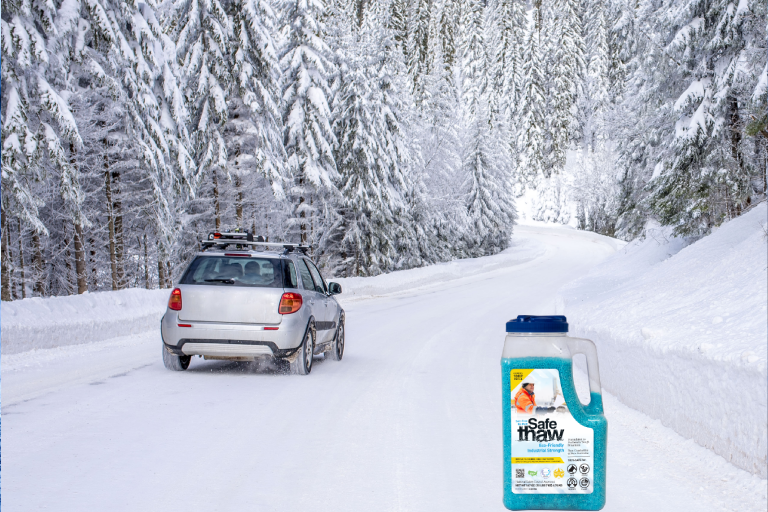
Ice melts at 0°C (32°F) under normal conditions. Salt lowers the freezing point, helping ice melt below this temperature. This process improves road safety by reducing slippery surfaces. Salt is spread on roads in winter to prevent ice buildup.
Too much salt can harm plants and water sources. Drivers should still be careful. Salt helps but does not remove all dangers. Wearing proper tires and driving slowly remain important.
Climate Change Impact
Rising temperatures cause ice to melt faster worldwide. This affects sea levels and weather patterns. Melting ice in polar regions threatens wildlife habitats. It also changes freshwater availability for many communities.
Tracking ice melt helps scientists understand climate change effects. It guides policies to protect the environment and reduce global warming.
Everyday Ice Handling Tips
- Store ice at or below 0°C (32°F) to keep it solid.
- Use salt to melt ice on driveways and walkways safely.
- Remove ice carefully to avoid slipping and injuries.
- Keep ice away from heat sources to prevent quick melting.
- Use insulated containers to slow ice melting during transport.

Credit: learningmole.com
Frequently Asked Questions
At What Temperature Does Ice Start To Melt?
Ice begins melting at 0°C (32°F) under normal atmospheric pressure. This is its melting point, where solid ice turns into liquid water.
Does Pressure Affect Ice Melting Temperature?
Yes, increased pressure can lower ice’s melting point slightly. This is due to pressure-induced changes in ice’s molecular structure.
Why Does Ice Melt Faster Above 0°c?
Above 0°C, heat energy breaks ice’s bonds, turning it into water. Higher temperatures increase melting speed by supplying more heat.
Can Salt Change Ice Melting Temperature?
Salt lowers ice’s melting point by disrupting its molecular bonds. This causes ice to melt at temperatures below 0°C, useful for de-icing roads.
Conclusion
Ice melts when the temperature rises above 0°C (32°F). This is the point where solid ice turns into liquid water. Factors like salt or pressure can change this melting point. Understanding this helps in daily life and science. Next time you see ice melting, remember the temperature’s role.
Simple science, yet very useful.