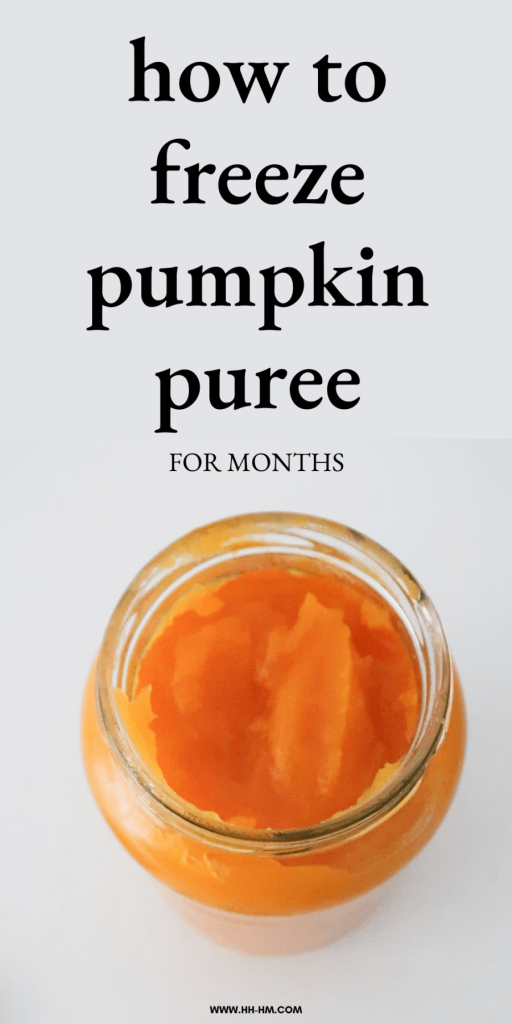
Have you ever found yourself with more fresh pumpkin than you can use right away? Freezing fresh pumpkin is a smart way to keep its natural flavor and nutrients ready for your next recipe.
But how do you do it correctly so your pumpkin stays tasty and fresh? You’ll discover simple, effective steps to freeze fresh pumpkin at home. Whether you want to save time, reduce waste, or enjoy pumpkin all year round, this guide is made just for you.
Keep reading to unlock the secrets of perfect pumpkin freezing!
Choosing The Right Pumpkin
Choosing the right pumpkin is key to freezing fresh pumpkin successfully. Not every pumpkin is good for freezing. Picking the right type ensures better taste and texture after freezing. Freshness also plays a big role. Only fresh pumpkins keep their flavor and nutrients well. Learn which pumpkins freeze best and how to spot freshness.
Best Varieties For Freezing
- Sugar pumpkins are ideal for freezing. They have sweet, dense flesh.
- Pie pumpkins offer a smooth texture and rich flavor.
- Cinderella pumpkins are also good. Their flesh is moist and sweet.
- Avoid large carving pumpkins. They tend to be watery and bland.
- Choose smaller, meatier pumpkins for better results.
Signs Of Freshness
- The skin should be firm and free of soft spots.
- Look for a deep, even color. Dull skin means old pumpkin.
- The stem should be dry and intact. Broken stems indicate age.
- Check for mold or cuts on the surface. These cause spoilage.
- The pumpkin should feel heavy for its size, showing moisture inside.
Preparing The Pumpkin
Preparing fresh pumpkin for freezing is a simple process that helps preserve its flavor and texture. Proper preparation ensures the pumpkin stays fresh and easy to use later. Start by handling the pumpkin carefully and follow each step to get it ready for freezing.
Cleaning And Peeling
Wash the pumpkin under cold running water to remove dirt. Use a vegetable brush to scrub the skin gently. Dry the pumpkin with a clean towel. Use a sharp peeler or knife to remove the tough outer skin. Remove all the green and hard parts to get to the soft flesh inside.
Removing Seeds And Strings
Cut the pumpkin in half to access the inside. Scoop out the seeds with a spoon. Remove all the stringy fibers attached to the seeds. You can save the seeds for roasting if you like. Make sure the cavity is clean and free of any strings.
Cutting Into Pieces
Cut the peeled pumpkin into small, even pieces. Cubes work well for cooking and baking later. Try to keep the pieces similar in size for quick freezing. Smaller pieces freeze faster and thaw evenly. Place the cut pumpkin in a bowl ready for blanching or freezing.
Cooking Methods Before Freezing
Peel and cut fresh pumpkin into cubes before freezing. Blanching the pieces in boiling water helps keep their color and texture. Let them cool, dry well, then pack in airtight bags for best results.
Freezing fresh pumpkin is a fantastic way to enjoy its goodness throughout the year. Before you toss those vibrant orange chunks into the freezer, cooking them is a crucial step. Why? It enhances flavor, texture, and ensures the pumpkin retains its nutrients. Plus, it makes the blending process smoother if you’re planning on soups or pies later on. Let’s dive into the different cooking methods you can try before freezing your pumpkin.Boiling
Boiling is a straightforward method that many home cooks prefer. Simply cut your pumpkin into manageable chunks and remove the seeds. Place the pieces in a large pot filled with water. Bring the water to a boil and let the pumpkin cook until it’s tender, which typically takes about 15-20 minutes. Once done, drain the water and let the pumpkin cool. This method is quick and ensures your pumpkin is soft enough to puree or mash before freezing.Steaming
Steaming helps maintain more of the pumpkin’s natural nutrients compared to boiling. Cut the pumpkin into chunks, and place them in a steamer basket over boiling water. Cover and let the steam work its magic for about 20 minutes or until the pumpkin is tender. Steaming is a gentle method, making it a great choice if you plan to use the pumpkin for recipes that require a firm texture, like a chunky stew. Once cooled, your steamed pumpkin is ready to freeze.Roasting
Roasting can elevate your pumpkin’s flavor profile with a rich, caramelized taste. Preheat your oven to 400°F (200°C). Spread the pumpkin chunks on a baking sheet, drizzle with a bit of olive oil, and sprinkle with salt. Roast for about 25-30 minutes, turning halfway through. Roasting not only intensifies the pumpkin’s natural sweetness but also gives it a slightly smoky edge. Once cooled, this flavorful pumpkin can be frozen and later transformed into a delicious soup or pie filling. Choosing the right cooking method depends on how you intend to use the pumpkin later. So, which method will you try first?
Credit: mandiofthemountains.com
Cooling And Mashing
After roasting or boiling your fresh pumpkin, the next critical step is to cool it properly and decide on the texture before freezing. This phase can affect how easy it is to use later and how well it keeps its flavor and nutrients. Let’s break down why cooling matters and whether you should mash your pumpkin or leave it in chunks.
Allowing Pumpkin To Cool
Hot pumpkin can trap steam in storage bags, causing ice crystals and freezer burn. Let your pumpkin cool at room temperature for about 30 to 60 minutes. Avoid leaving it out too long to prevent bacteria growth—think of it like handling leftovers safely.
Placing the pumpkin in a shallow container speeds up cooling. You can even stir it occasionally to release heat evenly. Have you noticed how much faster food cools on a wide plate versus a deep bowl? This simple trick can save you time and keep your pumpkin fresh.
Mashing Vs. Leaving In Chunks
Mashing pumpkin creates a smooth texture, perfect for soups, pies, or baby food. It also takes up less space in the freezer and thaws quickly. If you often cook with pumpkin puree, mashing before freezing will save you prep time later.
On the other hand, leaving pumpkin in chunks gives you more flexibility for recipes like stews or roasting later. Chunks retain their shape and texture better after thawing, so you can use them as you would fresh pumpkin. Ask yourself—do you want convenience or versatility when cooking?
Try freezing some pumpkin mashed and some in chunks. You might find one method fits your cooking style better. Either way, proper cooling before freezing sets the stage for delicious pumpkin dishes all year round.
Packaging For Freezing
Proper packaging is essential when freezing fresh pumpkin. It not only protects the pumpkin’s texture and flavor but also helps you make the most of your freezer space. How you package pumpkin can determine how long it stays fresh and how easy it is to use later.
Choosing Containers
Pick containers that fit your freezer and lifestyle. Rigid plastic containers with tight lids work well if you plan to store pumpkin for a long time. They protect pumpkin from getting squished and keep odors out.
Alternatively, freezer-safe zip-top bags save space and let you flatten the pumpkin for quicker thawing. Glass jars with wide mouths are great if you want to scoop out pumpkin directly without defrosting the entire batch.
Portioning Tips
Think about how you’ll use the pumpkin before freezing. Dividing pumpkin into smaller portions helps you thaw just what you need without waste. Use ice cube trays for tiny amounts or small containers for a cup or two.
Label each portion with the date and size. This helps you track freshness and grab the right amount quickly when cooking. Have you ever thawed too much pumpkin only to toss leftovers? Portioning prevents that.
Removing Air To Prevent Freezer Burn
Air is the enemy of frozen pumpkin. It causes freezer burn, which dries out the pumpkin and dulls its taste. Press bags flat to squeeze out air or use a vacuum sealer if you have one.
If using containers, fill them as much as possible to minimize air space. You can also cover the pumpkin surface with plastic wrap before sealing the container. This extra step keeps air away and locks in freshness.
Freezing And Storage Tips
Freezing fresh pumpkin preserves its flavor and texture for future use. Proper freezing and storage keep the pumpkin fresh and safe to eat. Follow these tips to maintain quality and enjoy pumpkin year-round.
Ideal Freezing Temperature
Keep your freezer at 0°F (-18°C) or below. This temperature stops bacterial growth and maintains pumpkin freshness. Avoid temperature changes to prevent freezer burn.
Labeling And Dating Packages
Use airtight containers or freezer bags for pumpkin storage. Label each package with the date and type of pumpkin. Clear labels help track freshness and avoid waste.
Storage Duration
Frozen pumpkin stays good for 6 to 12 months. Use it within this time for best taste and texture. Discard if you notice freezer burn or off smells.
Thawing And Using Frozen Pumpkin
Thawing and using frozen pumpkin is simple and convenient. Proper thawing keeps the pumpkin fresh and tasty. Using frozen pumpkin in cooking saves time and adds rich flavor to dishes. Understanding how to thaw and cook it helps you enjoy pumpkin year-round.
Safe Thawing Methods
Thaw frozen pumpkin in the refrigerator overnight. This keeps it safe and prevents bacteria growth. For faster thawing, place the pumpkin in a sealed bag and submerge it in cold water. Change the water every 30 minutes until thawed. Avoid thawing pumpkin at room temperature to prevent spoilage.
Cooking With Frozen Pumpkin
Frozen pumpkin works well in soups, pies, and casseroles. You can cook it directly from frozen by adding extra cooking time. Drain excess water after thawing to avoid watery dishes. Puree thawed pumpkin smoothly for baking or blending into sauces.
Recipe Ideas
- Pumpkin soup with garlic and herbs
- Classic pumpkin pie with cinnamon and nutmeg
- Pumpkin pancakes topped with maple syrup
- Roasted pumpkin mixed with quinoa salad
- Pumpkin muffins with chocolate chips

Credit: mandiofthemountains.com

Credit: hh-hm.com
Frequently Asked Questions
How Do You Prepare Fresh Pumpkin For Freezing?
To freeze fresh pumpkin, first peel, remove seeds, and cut into cubes. Blanch the cubes in boiling water for 2 minutes, then cool quickly in ice water. Drain well before packing in airtight freezer bags or containers.
Can You Freeze Pumpkin Puree Made From Fresh Pumpkin?
Yes, you can freeze pumpkin puree. Cook and mash fresh pumpkin, let it cool, then portion into freezer-safe containers. Leave space for expansion and label with the date. Use within 3 months for best quality.
How Long Does Frozen Fresh Pumpkin Last?
Frozen fresh pumpkin typically lasts 8 to 12 months in the freezer. For optimal taste and texture, use it within this timeframe. Always store it in airtight containers or freezer bags to prevent freezer burn.
Do You Need To Blanch Fresh Pumpkin Before Freezing?
Blanching fresh pumpkin before freezing helps preserve color, flavor, and texture. It also slows enzyme activity that causes spoilage. Blanch cubes for 2 minutes in boiling water, then cool immediately in ice water.
Conclusion
Freezing fresh pumpkin keeps it fresh for months. Cut the pumpkin into pieces or mash it first. Use airtight containers or freezer bags to avoid freezer burn. Label the packages with dates to track freshness. Thaw pumpkin in the fridge before cooking or baking.
This simple method saves time and reduces waste. Enjoy pumpkin in soups, pies, and more anytime. Freezing is an easy way to enjoy pumpkin all year. Try it today and keep pumpkin ready for your recipes.