Are you wondering if you can freeze bok choy without blanching it first? You’re not alone.
Freezing vegetables is a great way to keep them fresh longer, but skipping the blanching step can be risky. What if your bok choy turns mushy or loses its flavor? You’ll discover the truth about freezing bok choy without blanching.
You’ll learn simple tips to keep your greens crisp, tasty, and ready to use whenever you want. Keep reading to make sure your bok choy stays fresh and delicious in the freezer!

Credit: mycuratedtastes.com
Freezing Bok Choy Basics
Freezing bok choy is a smart way to keep this leafy vegetable fresh for longer. It helps reduce waste and saves money. Understanding the basics of freezing bok choy ensures the best taste and texture after thawing. This section explains why freezing is useful, what blanching means, and what happens if you skip blanching.
Why Freeze Bok Choy
Freezing bok choy preserves its nutrients and flavor. It extends the shelf life beyond a few days. You can enjoy bok choy even when it is out of season. Freezing also helps keep the vegetable ready for quick meals. It reduces food waste by storing leftovers properly.
Blanching Explained
Blanching means briefly boiling bok choy, then cooling it fast in ice water. This process stops enzymes that cause spoilage. It helps maintain the vegetable’s color, texture, and taste. Blanching also reduces bacteria and dirt. It prepares bok choy for longer freezer storage.
Impact Of Skipping Blanching
Freezing bok choy without blanching can cause texture changes. The vegetable may become limp and mushy after thawing. Colors might fade or turn dull. Unblanched bok choy can lose more nutrients over time. The freezer life may shorten, leading to faster spoilage.
Credit: practicalselfreliance.com
Freezing Bok Choy Without Blanching
Freezing bok choy without blanching is a question many home cooks ask. Skipping blanching can save time and effort, but it also raises concerns about texture and flavor after thawing. Understanding how to properly prepare and store bok choy for freezing without blanching can help you decide if this method fits your kitchen routine.
Preparation Steps
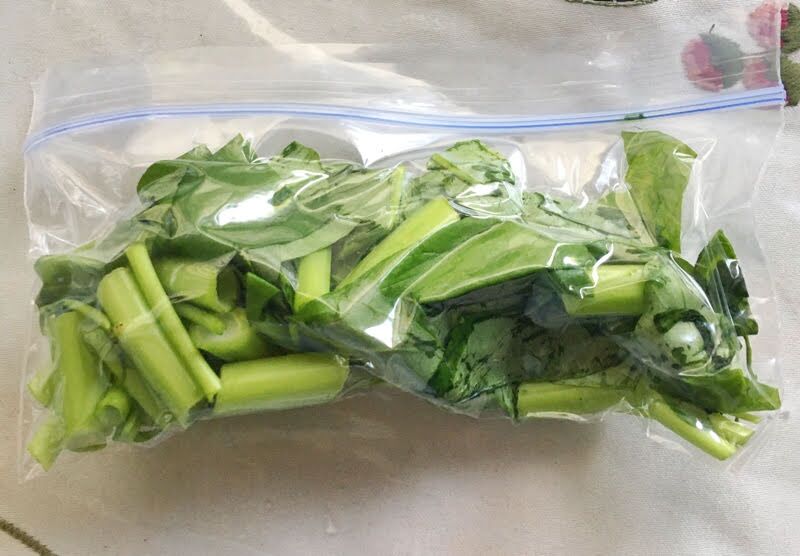
Start by washing the bok choy thoroughly to remove any dirt or grit. Pat the leaves dry with a clean towel or use a salad spinner to remove excess moisture.
Chop the bok choy into the size you plan to use later, such as bite-sized pieces for soups or stir-fries. Removing excess water helps prevent ice crystals that can damage the texture.
Consider freezing the bok choy on a tray first to keep the pieces separate before transferring them to a bag. This step avoids clumping and makes it easier to grab the amount you need.
Storage Methods
- Use airtight freezer bags or containers to store the prepared bok choy. Press out as much air as possible to reduce freezer burn.
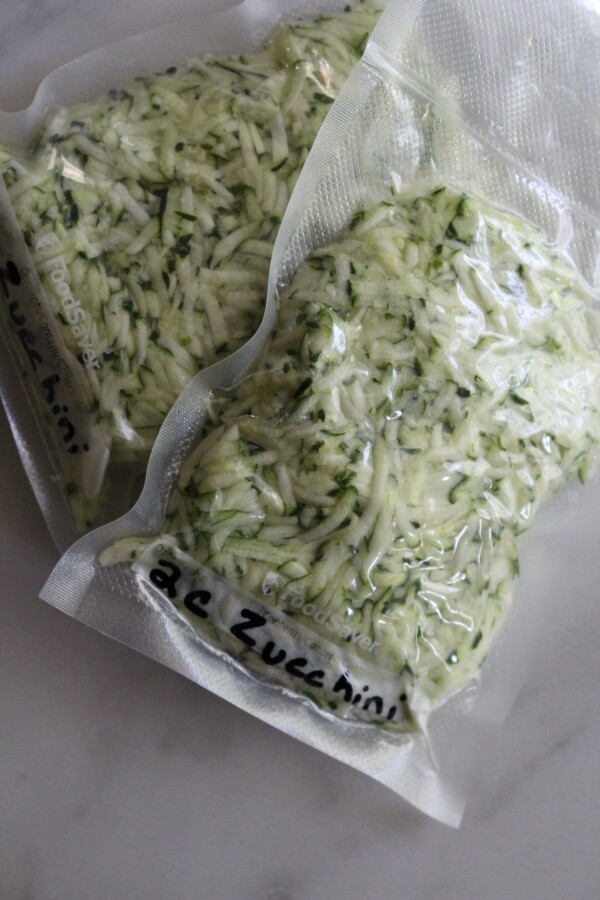
- Label the bags with the date to keep track of freshness. It’s easy to forget when you froze your vegetables!
- Store the bok choy in a single layer or loosely packed to allow for quicker freezing and better texture retention.
Freezing Duration
Without blanching, bok choy generally maintains good quality for about 2 to 3 months in the freezer. Beyond this, the texture might degrade, becoming limp or mushy once thawed.
Have you noticed how some frozen vegetables still taste fresh after months, while others lose their crunch? This difference often comes down to whether they were blanched.
If you plan to use bok choy quickly, freezing without blanching is a convenient option. For longer storage, blanching might be worth the extra step to keep your bok choy tasting fresh.
Texture And Flavor Changes
Freezing bok choy without blanching can change its texture and flavor. These changes affect how the vegetable feels and tastes after thawing. Understanding these changes helps in deciding how to use frozen bok choy.
Effects On Crispness
Bok choy loses its crispness when frozen without blanching. The freezing process breaks down cell walls. This makes the leaves and stems softer. They may feel limp and less crunchy after thawing. The change in texture can affect dishes that require a fresh, crisp bite.
Taste Differences
The taste of bok choy can become milder after freezing. Without blanching, some natural flavors might fade. The vegetable may taste less fresh, with a subtle difference in flavor intensity. This is important to consider for flavor-rich recipes.
Best Uses After Freezing
Frozen bok choy works well in cooked dishes. Use it in soups, stews, and stir-fries. The texture changes are less noticeable in these dishes. It can also enhance casseroles and sauces. Avoid using it in salads or raw dishes where crispness is key.
Expert Tips For Best Results
Freezing bok choy without blanching can save time, but it requires careful handling to keep it fresh and tasty. The key lies in how you pick, pack, and thaw your bok choy. These expert tips will help you maintain the best texture and flavor, even without that blanching step.
Choosing Fresh Bok Choy
Start with bok choy that looks crisp and vibrant. Avoid any leaves that are yellowed or wilted, as these won’t freeze well. Fresh bok choy holds up better during freezing and thawing, preserving its crunch and color.
Check the stems too—they should be firm and not slimy. Think about how long you plan to store it; the fresher it is going in, the better it comes out. Have you noticed how fresh greens just taste better even after freezing?
Packaging Tips
Proper packaging is crucial to prevent freezer burn and keep bok choy crisp. Use airtight containers or freezer bags, and squeeze out as much air as possible. You can even wrap the bok choy tightly in plastic wrap before placing it in a bag for extra protection.
Label your packages with the freezing date to track freshness. If you want to keep portions handy, freeze smaller amounts separately. This way, you only thaw what you need and avoid waste.
Thawing Recommendations
Thaw bok choy slowly in the refrigerator rather than at room temperature. This gentle thawing helps preserve texture and reduces sogginess. If you’re in a hurry, you can add frozen bok choy directly to soups or stir-fries without thawing—it cooks quickly and keeps good flavor.
Have you tried rinsing thawed bok choy with cold water? It can refresh the leaves and improve texture before cooking. These small steps can make a big difference in your cooking experience.
Common Mistakes To Avoid
Freezing bok choy without blanching is possible but tricky. Many common mistakes can ruin its texture and flavor. Avoid these errors to keep your bok choy fresh and tasty after freezing.
Freezing Wet Bok Choy
Freezing bok choy with water droplets can cause ice crystals to form. These crystals damage the leaves and make them soggy. Always dry bok choy completely before freezing. Use a clean kitchen towel or salad spinner to remove excess moisture.
Using Improper Containers
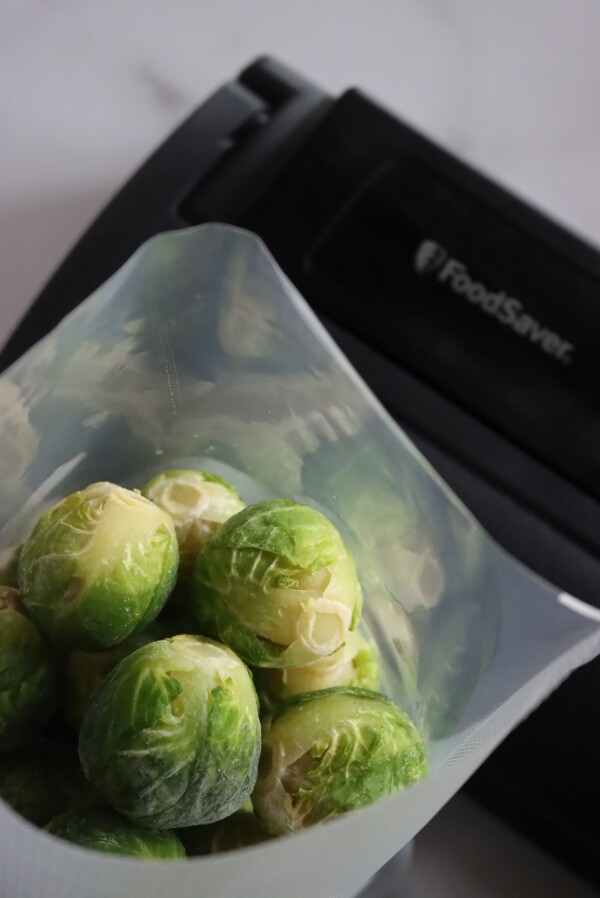
Storing bok choy in containers that are not airtight invites freezer burn. This makes the vegetable tough and discolored. Use freezer-safe bags or containers with tight seals. Remove as much air as possible to maintain freshness.
Ignoring Storage Time Limits
Bok choy loses quality if frozen too long. Its texture becomes mushy and flavor dulls after several months. Label your containers with the freezing date. Use frozen bok choy within 3 to 6 months for best taste and texture.
Credit: practicalselfreliance.com
Frequently Asked Questions
Can You Freeze Bok Choy Without Blanching?
Yes, you can freeze bok choy without blanching, but it may lose texture and flavor. Blanching preserves color, nutrients, and crispness better during freezing.
What Happens If Bok Choy Is Frozen Raw?
Freezing raw bok choy can cause it to become soft and watery after thawing. Blanching helps maintain firmness and taste.
How To Freeze Bok Choy Without Blanching?
Wash and dry bok choy thoroughly, then chop and place it in airtight freezer bags. Remove excess air before freezing for best results.
Is Frozen Bok Choy Without Blanching Safe To Eat?
Yes, frozen bok choy without blanching is safe but may have altered texture. It is best used in cooked dishes after thawing.
Conclusion
Freezing bok choy without blanching is possible but has downsides. The texture might become soft and lose some flavor. Blanching helps keep the color and crispness longer. Still, freezing raw bok choy saves time and works for quick meals. Store it in airtight bags to avoid freezer burn.
Use frozen bok choy within a few months for best taste. Try both ways to see what fits your needs. Simple steps make your bok choy last longer and stay tasty.