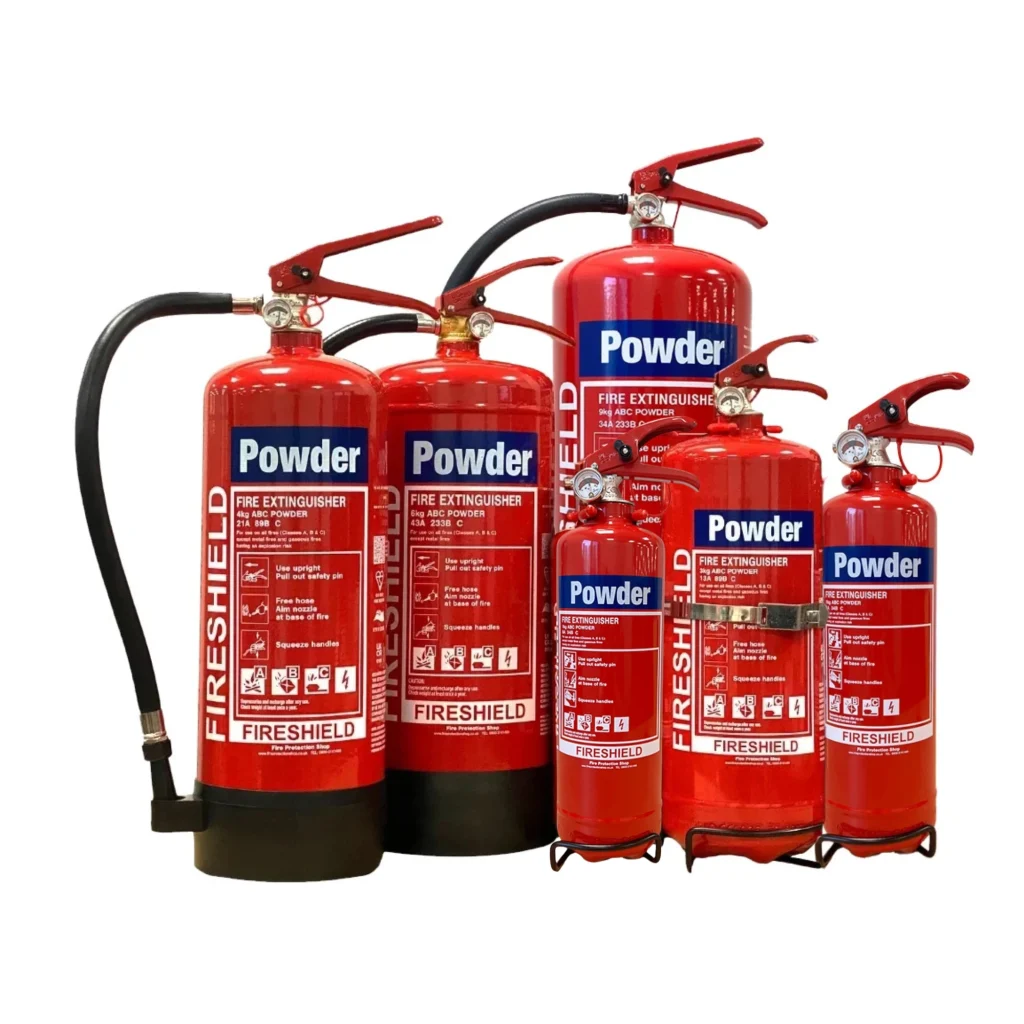
Have you ever wondered if your fire extinguisher can freeze when the temperature drops? If you rely on your extinguisher to protect your home or workplace, understanding how cold weather affects it is crucial.
Imagine needing it during an emergency, only to find it frozen and useless. You’ll discover the facts about fire extinguishers and freezing, what happens inside them in the cold, and how you can keep yours ready to use no matter the weather.
Keep reading to make sure your safety equipment works when you need it most.
How Fire Extinguishers Work
Understanding how fire extinguishers work helps you appreciate their design and limitations, especially in extreme conditions like freezing temperatures. Each extinguisher is a compact, powerful tool engineered to fight specific types of fires quickly and effectively. Knowing the basics can guide you in choosing the right extinguisher and maintaining it properly.
Basic Components
Every fire extinguisher has a few key parts that work together to put out fires. The cylinderholds the extinguishing agent under pressure. The handle and leverallow you to release the agent when you squeeze them.
Attached to the cylinder, you’ll find a hose or nozzlethat directs the agent toward the fire. A pressure gaugeshows if the extinguisher is ready to use. Without these components working well together, the extinguisher won’t be effective when you need it most.
Types Of Extinguishing Agents
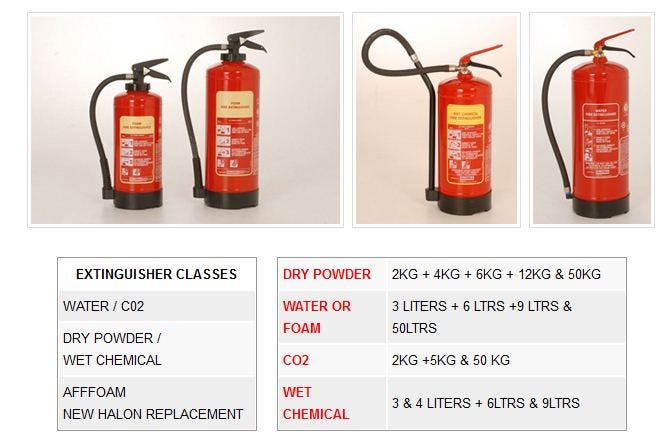
Fire extinguishers use different agents designed to combat various fire classes. Water-based extinguishers cool down fires but shouldn’t be used on electrical or grease fires. Carbon dioxide (CO2) extinguishers smother flames by cutting off oxygen, making them ideal for electrical fires.
Dry chemical agents are among the most versatile, interrupting the chemical reactions that sustain fires. Some extinguishers use foam, which blankets the fire and stops vapors from escaping. Choosing the right agent for your environment is crucial — using the wrong one can make things worse.
Have you ever checked if your extinguisher suits the types of fire risks in your home or workplace? This simple step could save your property and your life.
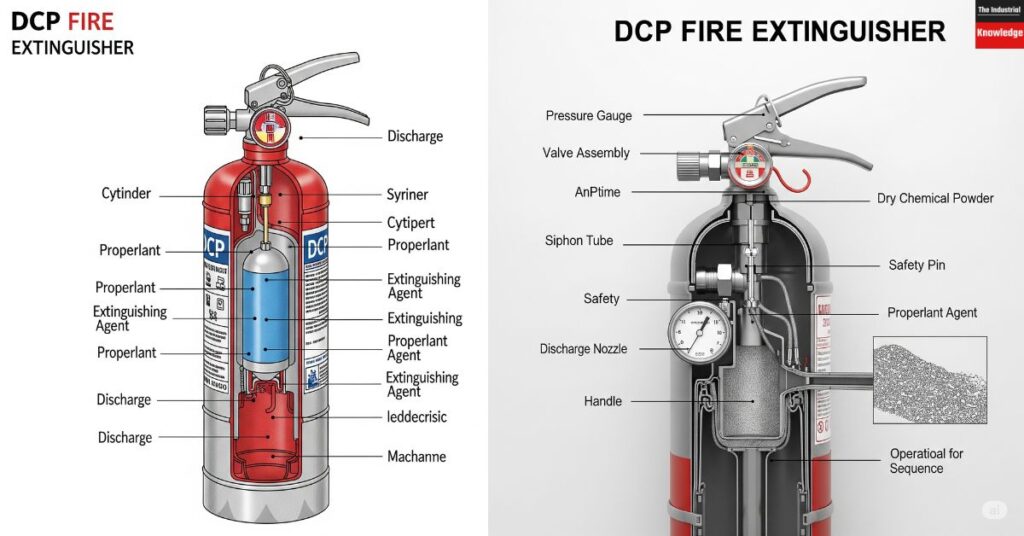
Credit: theindustrialknowledge.in
Effects Of Cold On Fire Extinguishers
Cold weather can affect fire extinguishers in several ways. Understanding these effects helps keep them ready for use. Low temperatures may cause problems that reduce extinguisher performance. Knowing how cold impacts these devices is important for safety.
Temperature Limits
Each fire extinguisher has a temperature range for safe use. Most operate well between 40°F and 120°F (4°C to 49°C). Some models can handle colder climates but have limits. Extreme cold can cause the extinguisher to fail or burst.
Check the label or manual for specific temperature guidelines. Store extinguishers indoors or in insulated areas during winter. Avoid exposing them to freezing temperatures below their limit.
Risks Of Freezing
Freezing can cause the extinguisher’s contents to solidify or separate. Water-based extinguishers are more prone to freezing damage. Frozen chemicals may clog the nozzle, stopping discharge.
Pressure inside the extinguisher can drop in cold weather. This lowers the spray force and coverage area. In worst cases, freezing can crack the extinguisher shell.
Regular inspection ensures the extinguisher works despite cold conditions. Replace or service any unit showing signs of freeze damage.
Common Extinguisher Types In Cold Climates
In cold climates, selecting the right fire extinguisher is crucial. Freezing temperatures can affect the performance of certain extinguishers. Understanding how different types handle cold weather helps ensure safety. Let’s explore common extinguisher types used in chilly environments.
Water-based Extinguishers
Water-based extinguishers can freeze in cold climates. Their primary component, water, solidifies below 32°F (0°C). Freezing compromises their function during emergencies. Antifreeze additives may prevent freezing. Yet, these solutions aren’t always reliable in extreme cold.
Dry Chemical Extinguishers
Dry chemical extinguishers are well-suited for cold climates. They contain powders that don’t freeze in low temperatures. These extinguishers are effective for Class A, B, and C fires. They are versatile and reliable in winter conditions.
Carbon Dioxide Extinguishers
Carbon dioxide extinguishers perform well in cold environments. CO2 remains gaseous, even in freezing temperatures. These extinguishers are ideal for electrical fires. They are effective without leaving residue, making them a clean choice.

Credit: www.indiamart.com
Preventing Freeze Damage
Preventing freeze damage to fire extinguishers is essential for safety. Cold temperatures can affect their performance. Frozen extinguishers might not work when needed most. Proper care extends their lifespan and ensures readiness.
Proper Storage Tips
- Store extinguishers indoors or in heated areas.
- Avoid placing them near windows or outside walls.
- Keep them off cold floors or concrete slabs.
- Use wall brackets to mount extinguishers securely.
- Check storage areas regularly for temperature drops.
Insulation And Heating Options
- Wrap extinguishers with insulating materials like foam sleeves.
- Install thermostatically controlled heating pads nearby.
- Use heated cabinets designed for fire extinguisher storage.
- Maintain ambient temperatures above freezing (32°F or 0°C).
- Monitor heat sources to avoid overheating the extinguisher.
Signs Of Freeze Damage
Freeze damage can harm a fire extinguisher in many ways. It may not work properly or look different. Spotting signs early helps keep it ready for use. Watch for both physical changes and performance problems to know if freezing occurred.
Physical Indicators
- Cracks or bulges on the extinguisher body
- Discoloration or rust spots on metal parts
- Frozen or solidified contents inside the cylinder
- Damaged or brittle hose and nozzle
- Loose or broken pressure gauge glass
Performance Issues
- Extinguisher feels unusually heavy or light
- Difficulty in discharging or no spray at all
- Weak or inconsistent spray pattern
- Delayed pressure gauge response or no pressure reading
- Extinguisher not releasing powder or foam correctly
Maintenance In Cold Weather
Maintaining your fire extinguisher during cold weather is essential to ensure it works perfectly when you need it the most. Cold temperatures can affect the extinguisher’s pressure and functionality, so staying on top of maintenance helps avoid surprises. Let’s look at how regular inspections and timely refilling keep your extinguisher reliable, even in freezing conditions.
Regular Inspections
Check your extinguisher frequently during cold months. Look for any signs of damage, rust, or dents that might affect its performance. Cold weather can cause the pressure gauge to drop, so verify the needle stays in the green zone.
Make sure the extinguisher is stored in an accessible spot that won’t expose it directly to freezing temperatures. Have you noticed how some garages or sheds get colder than others? Keeping your extinguisher in a slightly warmer area can prevent freezing issues.
Refilling And Servicing
Refill your extinguisher promptly after use or if the pressure drops below recommended levels. Cold weather can cause seals to shrink or crack, so servicing ensures all parts are intact and functional.
Professional servicing includes checking the internal components and recharging the extinguisher with the correct agent. This step is crucial because a partially frozen or low-pressure extinguisher might fail in an emergency. Have you scheduled your fire extinguisher’s winter service yet?
Choosing The Right Extinguisher For Winter
Choosing the right fire extinguisher for winter is important to keep it working properly. Cold temperatures can affect some extinguishers by freezing the chemicals inside. This can make them less effective or even useless in an emergency.
Extinguishers designed for cold climates have special features. They resist freezing and stay ready to use. Knowing which models perform well in winter helps protect your home or workplace.
Recommended Models
- Dry chemical extinguishers are common and resist freezing well.
- Class ABC extinguishers work for many fire types and handle cold better.
- Carbon dioxide extinguishers avoid freezing since they contain gas, not liquid.
- Some manufacturers offer winter-grade extinguishers with antifreeze additives.
- Look for models labeled as suitable for low temperatures.
Manufacturer Guidelines
- Check the temperature range listed on the extinguisher label.
- Follow storage instructions to prevent freezing and damage.
- Inspect extinguishers regularly in winter months for any signs of freezing.
- Replace or service units that do not meet cold weather standards.
- Contact manufacturers for advice on using extinguishers in freezing conditions.
Credit: medium.com
Frequently Asked Questions
Will A Fire Extinguisher Freeze In Cold Weather?
Yes, some fire extinguishers can freeze if exposed to extremely low temperatures. Freezing may damage the extinguisher’s internal components, affecting performance. Check the label for the operating temperature range and store it in a temperature-controlled environment during winter.
How Does Freezing Affect Fire Extinguisher Performance?
Freezing can cause the extinguisher’s contents to thicken or solidify. This reduces pressure and flow rate, making it harder to discharge effectively. Damaged seals or valves may also occur, leading to leaks or failure during use.
Can All Fire Extinguishers Withstand Freezing Temperatures?
No, not all extinguishers are designed for freezing conditions. Dry chemical extinguishers usually tolerate cold better than water-based models. Always verify the manufacturer’s specifications to ensure your extinguisher is suitable for your climate.
What Should I Do If My Fire Extinguisher Freezes?
If frozen, bring the extinguisher indoors to thaw gradually at room temperature. Do not apply direct heat. After thawing, inspect for damage and test functionality. Replace or service it if any issues are found.
Conclusion
Fire extinguishers can freeze in very cold weather. This may cause damage or stop them from working. Keep them in places that stay warm and dry. Check your extinguisher often to make sure it works well. Knowing this helps you stay safe during winter months.
Don’t ignore the risk of freezing. Protect your extinguisher so it works when you need it most. Safety always comes first.