Have you ever wondered what happens to your olive oil if it freezes? Maybe you stored it in a cold place or left it out during winter and noticed it looking cloudy or solid.
You might be asking yourself, “Does olive oil go bad if it freezes? ” This question is important because you want to make sure your olive oil stays fresh and safe to use. You’ll discover what freezing does to olive oil, how to tell if it’s still good, and the best ways to store it.
Keep reading to protect your olive oil and make the most of every drop.
Olive Oil Basics
Olive oil is a kitchen staple known for its flavor and health benefits. Understanding its basics helps in proper use and storage. Olive oil varies in taste, color, and quality. These differences affect how it reacts to temperature changes like freezing.
Types Of Olive Oil
- Extra Virgin Olive Oil:Made from pure, cold-pressed olives. It has the best flavor and nutrients.
- Virgin Olive Oil:Also from olives, but with a slightly lower quality than extra virgin.
- Refined Olive Oil:Processed to remove flaws, milder in taste, and lighter in color.
- Olive Pomace Oil:Extracted from olive leftovers. It has the lightest flavor and lowest cost.
Storage Recommendations
Store olive oil in a cool, dark place away from heat and light. Use airtight containers to keep it fresh. Avoid storing it near the stove or window. Proper storage extends olive oil’s shelf life and preserves its flavor.

Credit: www.yahoo.com
How Freezing Affects Olive Oil
Freezing olive oil might seem like a good way to extend its shelf life, but how does the cold actually affect this pantry staple? Understanding the changes olive oil undergoes when frozen helps you decide if freezing is a smart option for you. Let’s break down what happens physically and how the flavor and aroma respond to freezing temperatures.
Physical Changes During Freezing
When olive oil freezes, its texture and appearance change noticeably. The oil thickens and may turn cloudy or develop a solid, waxy consistency. This happens because the fatty acids and other components start to crystallize at low temperatures.
Once thawed, olive oil usually returns to its original liquid state, but sometimes you might notice a slight separation or sediment at the bottom. This doesn’t mean the oil has spoiled—it’s just a natural result of freezing. Have you ever seen your olive oil turn cloudy after being in the fridge? The freezing process is similar but more intense.
Impact On Flavor And Aroma
Flavor and aroma are the soul of olive oil, and freezing can affect both, but not always negatively. Some delicate notes might become muted or less vibrant after freezing and thawing. However, if the oil was fresh and high quality to begin with, the impact tends to be minimal.
If you’ve ever tasted olive oil that lost its punch or smelled slightly off after freezing, it might be due to prolonged storage or repeated freezing and thawing cycles. Avoid opening the container multiple times while frozen to keep the oil’s taste intact.
Would you risk freezing your olive oil if it means preserving it longer, even if the flavor softens a bit? It depends on how you plan to use it—cooking oils might tolerate freezing better than those you use for finishing dishes.
Is Frozen Olive Oil Safe To Use?
Olive oil may thicken or become cloudy when frozen, but it remains safe to use. Freezing does not spoil the oil or change its flavor significantly. Simply let it return to room temperature before using.
Is it safe to use olive oil that has been frozen? Many wonder if freezing affects its quality or safety. Olive oil can indeed freeze, forming a cloudy, thick consistency. But what happens to its safety and nutritional value?Nutritional Value After Freezing
Freezing does not alter the nutritional value of olive oil. The vitamins and healthy fats remain intact. This means you can enjoy the same health benefits. The antioxidants in olive oil also stay preserved. These compounds are vital for heart health. So, frozen olive oil is still a healthy choice.Signs Of Spoilage
Check for spoilage before using frozen olive oil. Rancid smells indicate the oil has gone bad. An off taste is another sign of spoilage. Look for unusual colors or cloudiness that doesn’t clear when thawed. Proper storage minimizes spoilage risk. Use airtight containers to keep the oil fresh. Store it in a cool, dark place to extend its shelf life.
Credit: www.youtube.com
Proper Ways To Freeze Olive Oil
Freezing olive oil might seem unusual, but it can be a smart way to extend its shelf life without losing quality. However, freezing olive oil requires a bit of care to keep its flavor and texture intact. Understanding the right methods for freezing and thawing can make all the difference.
Packaging Tips
Choose containers that can handle expansion when olive oil freezes. Glass jars with wide mouths or silicone molds work well because they allow the oil to expand without breaking the container.
Avoid plastic bottles that might crack or leak. Instead, use airtight containers to prevent the oil from absorbing odors from other frozen items.
Consider freezing olive oil in small portions. Ice cube trays are perfect for this because they let you thaw only what you need, reducing waste and preserving freshness.
Thawing Techniques
Thaw olive oil gradually at room temperature rather than using heat. Quick warming can affect the oil’s flavor and texture.
If the oil becomes cloudy or grainy after thawing, don’t worry. This is normal and will clear up once it returns to room temperature.
Have you ever noticed a change in taste after thawing? Try gently stirring the oil to restore its smooth consistency before use.
Alternatives To Freezing Olive Oil
Freezing olive oil is not the best choice for preserving its quality. It can change the texture and flavor. There are better ways to keep olive oil fresh and tasty for a long time. Proper storage helps maintain its natural taste and health benefits. Here are some smart alternatives to freezing olive oil.
Ideal Storage Temperatures
Olive oil stays best at cool, steady temperatures. The ideal range is between 57°F and 70°F (14°C to 21°C). Avoid places that are too hot or too cold. Heat can cause olive oil to spoil faster. Cold can make it cloudy and thick but not harmful.
Store olive oil in a dark cupboard or pantry away from sunlight. Light breaks down the oil’s good compounds. Keep bottles sealed tightly to keep the air out. This slows down the aging process.
Avoiding Oxidation
Oxidation is the enemy of fresh olive oil. It happens when air touches the oil and breaks it down. To avoid this, always close the bottle tightly after use. Use smaller bottles if you do not use olive oil often. This way, air exposure is minimal.
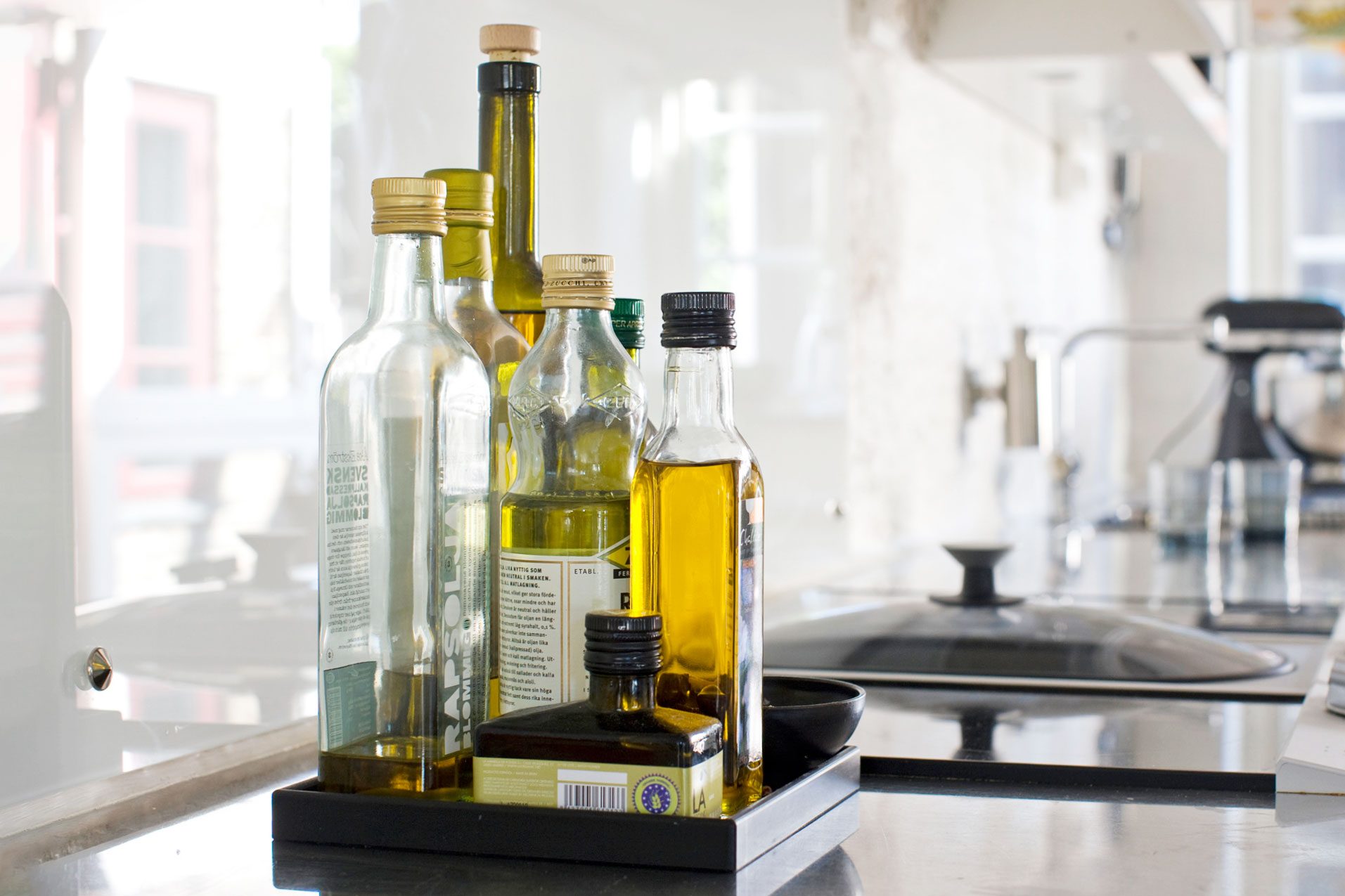
Choose containers made of dark glass or stainless steel. These materials protect oil from light and air. Avoid clear plastic or glass bottles. They let in light and speed up oxidation.
Credit: www.tasteofhome.com
Frequently Asked Questions
Does Freezing Olive Oil Affect Its Quality?
Freezing olive oil may cause it to thicken or solidify but does not harm its quality. Once thawed, it returns to normal and retains flavor and nutrients.
How Long Can Olive Oil Stay Frozen?
Olive oil can safely stay frozen for up to one year. Proper storage in an airtight container helps maintain its quality during freezing.
Will Frozen Olive Oil Spoil Faster?
No, freezing olive oil actually slows down spoilage. Cold temperatures preserve freshness by preventing oxidation and rancidity, extending its shelf life.
Can Freezing Change Olive Oil’s Taste?
Freezing olive oil typically does not alter its taste. If stored correctly, flavor and aroma remain stable after thawing.
Conclusion
Olive oil can freeze without going bad. Freezing may change its look and thickness. Once thawed, it still works well for cooking. Keep it in a cool, dark place to stay fresh longer. Trust your senses—smell and taste—to check quality.
Using frozen then thawed oil is safe and fine. No need to throw it away after freezing. Simple care helps olive oil last and stay tasty.