Have you ever wondered how an ice maker turns water into those perfect, chilly cubes you enjoy in your drinks? Understanding how an ice maker works can make you appreciate this handy appliance even more.
Whether you want to troubleshoot a problem or just satisfy your curiosity, knowing the process behind ice making can be surprisingly simple and useful. Keep reading, and you’ll discover the cool science and smart mechanics that bring ice right to your fingertips.
Credit: www.maytag.com
Types Of Ice Makers
Ice makers come in various shapes and sizes, each designed to meet different needs and spaces. Understanding the types can help you choose the right one for your home, office, or business. Let’s look at the main categories and what makes each unique.
Portable Ice Makers
Portable ice makers are compact and easy to move around. You can place them on your kitchen counter or take them to a party or camping trip. They typically produce ice quickly, often within 6-15 minutes, making them perfect for small gatherings or daily use.
These machines usually make bullet-shaped or nugget ice, which cools drinks fast and feels great in your mouth. If you’ve ever hosted a last-minute get-together, you know how handy having a portable ice maker can be to avoid running out of ice.
Built-in Ice Makers
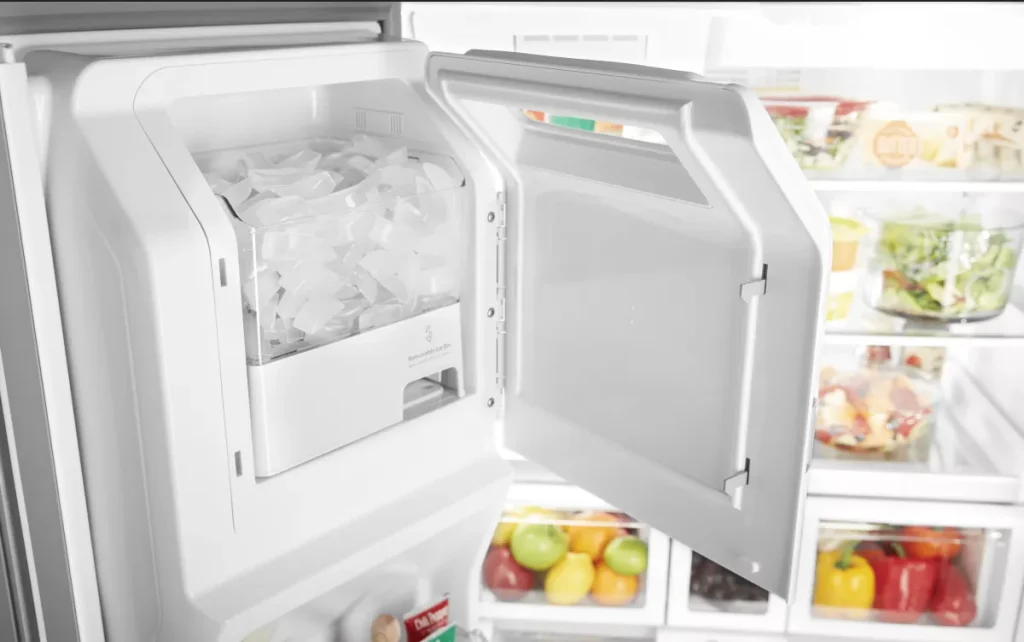
Built-in ice makers are integrated into your refrigerator or freezer. They save space and automatically refill, so you don’t have to think about running out of ice. These are ideal if you want a seamless look and convenience in your kitchen.
However, they often require professional installation and can take longer to produce ice compared to portable options. If you enjoy hosting dinners regularly, a built-in ice maker ensures you always have ice ready without extra effort.
Commercial Ice Machines
Commercial ice machines are designed for heavy use in restaurants, bars, and hotels. They produce large quantities of ice quickly and come in various types, such as flake, cube, or nugget ice, depending on your needs.
These machines are built to be durable and efficient, handling continuous operation throughout the day. If you run a business where ice is essential, investing in a commercial ice machine saves time and keeps your customers happy.

Credit: www.popularmechanics.com
Key Components
Understanding an ice maker starts with knowing its key parts. Each component plays a specific role in making ice quickly and efficiently. These parts work together smoothly to provide fresh ice whenever needed.
Water Supply System
The water supply system brings water into the ice maker. It usually connects to a water line or a reservoir. This system controls the amount of water entering the freezing area. Valves and filters help keep the water clean and at the right flow rate.
Freezing Mechanism
The freezing mechanism cools the water to form ice. It uses a refrigeration system to lower the temperature. Water fills a mold, then freezes solid. Sensors check the ice’s thickness to know when it is ready.
Ice Ejection System
The ice ejection system removes ice from the mold. It often uses a heating element or a mechanical arm to loosen the ice cubes. Once freed, the ice drops into a storage bin. This system ensures fresh ice is ready for use without delay.
Step-by-step Ice Making Process
The ice making process is a fascinating journey from water to ice cubes. Understanding each step helps you appreciate the technology behind your ice maker. This guide will walk you through the intricate process, breaking it down into simple steps.
Water Filling
The ice maker begins by filling its tray with water. A water valve opens, allowing water to flow into the ice mold. This action ensures the tray fills to the correct level. The water valve then closes, stopping the flow of water.
Freezing Cycle
Next, the freezing cycle begins. The ice maker’s cooling system activates, lowering the mold’s temperature. As the temperature drops, water slowly turns into ice. This process usually takes a few hours.
Ice Harvesting
Once the water freezes, it’s time for ice harvesting. The ice maker’s heating element warms the mold slightly. This gentle heat loosens the ice cubes from the mold. A motor then activates, pushing the cubes into the ice bin.
Ice Storage
Finally, the ice cubes settle in the storage bin. The bin keeps the cubes cold until you need them. A sensor monitors the bin’s ice level. If the bin is full, the ice maker stops making more ice. This ensures efficient operation and prevents overflow.
Factors Affecting Ice Quality
The quality of ice produced by your ice maker depends on several important factors. Understanding these can help you get clearer, longer-lasting ice cubes that enhance your drinks. Let’s break down what really influences the ice you get.
Water Purity
The purity of the water you use plays a huge role in ice quality. Impurities like minerals, chlorine, or sediments can cause cloudy or off-tasting ice. Have you noticed how using filtered or distilled water often results in clearer, tastier ice?
Using clean water not only improves taste but also prevents buildup inside your machine. This means your ice maker runs better and lasts longer. Consider installing a water filter if your tap water isn’t great.
Freezing Speed
How fast your ice maker freezes water affects the crystal structure of the ice. Quick freezing traps air bubbles and impurities, causing cloudy ice cubes. Slower freezing allows these elements to escape, producing clearer ice.
Some machines let you adjust freezing speed—try setting it slower if you want crystal-clear ice for cocktails. You might be surprised how much this small change improves your ice quality.
Temperature Control
Maintaining the right temperature is crucial for consistent ice production. If the temperature fluctuates too much, ice cubes may form unevenly or stick together. Your ice maker works best at a steady, cold setting.
Check your unit’s temperature regularly and make adjustments if needed. Do you know the ideal temperature setting for your specific ice maker? Keeping it stable can make a noticeable difference in the ice you get.
Common Issues And Troubleshooting
Ice makers are handy appliances, but they can face common problems. Knowing basic troubleshooting helps you fix issues fast. This section covers typical problems and simple solutions.
Ice Not Forming
No ice means the machine is not freezing water properly. Check the water supply line for blockages or leaks. Make sure the ice maker is turned on and the freezer temperature is below 32°F (0°C). A dirty or clogged water filter can also stop ice formation. Replace the filter if it is old or dirty. Inspect the ice mold for any damage or frost buildup that can prevent ice from forming.
Slow Ice Production
Slow ice production can happen if the freezer temperature is too high. Set the temperature between 0°F and 5°F (-18°C to -15°C). Check for poor ventilation around the ice maker. Dust or dirt on the condenser coils can reduce cooling efficiency. Clean the coils regularly. Using the ice maker heavily or frequently opening the freezer door may also slow down ice making.
Ice Sticking Together
Ice cubes that stick together often mean the ice bin is too full or the cubes are melting slightly and refreezing. Avoid overfilling the ice bin. Keep the freezer door closed to maintain a steady temperature. If ice cubes are small or misshapen, clean the ice mold to remove any residue. Using clean, fresh water improves ice quality and prevents clumping.
Maintenance Tips For Longevity
Maintaining an ice maker ensures it works well for a long time. Simple care habits prevent breakdowns and keep ice clean and fresh. Regular attention protects the machine and saves money on repairs.
Regular Cleaning
Clean the ice maker every few weeks. Remove ice and unplug the machine first. Use warm water and mild soap to wipe all surfaces. Clean the ice bin and trays carefully. Dry all parts before restarting. This stops bacteria and mold from growing.
Filter Replacement
Change the water filter as the manual advises. A clogged filter reduces water flow and ice quality. Keep a schedule for filter replacement. Use only the correct filter type. Clean filters keep ice clear and taste good.
Preventing Scale Build-up
Hard water causes mineral scale in the machine. Scale clogs pipes and reduces ice production. Use a descaling solution designed for ice makers. Run the solution through the machine monthly. Rinse well afterward to remove all residues. Scale prevention keeps parts working smoothly.
Innovations In Ice Making Technology
Ice makers have come a long way from simple trays in your freezer. Modern innovations focus on making ice production faster, smarter, and more efficient. These advances not only save energy but also give you more control over the type and quality of ice you get.
Energy Efficiency
New ice makers use less electricity while producing the same amount of ice. Advanced compressors and better insulation keep energy use low without sacrificing speed.
Some models include energy-saving modes that adjust ice production based on your usage patterns. Have you noticed how your energy bill drops when you use appliances designed to be energy efficient?
Smart Ice Makers
Smart ice makers connect to your home network, allowing you to control them from your phone. You can schedule ice production, check ice levels, or even get alerts when maintenance is needed.
This technology helps avoid running the machine unnecessarily and wasting water or power. Imagine starting your ice maker on your way home so fresh ice is ready when you arrive.
Custom Ice Shapes
Forget the standard cube—innovative ice makers offer a variety of shapes like spheres, nuggets, or flakes. These shapes affect how quickly ice melts and how it chills your drinks.
Custom shapes can make your beverages more enjoyable or better suited for certain uses like smoothies or cocktails. Have you tried different ice shapes and noticed how they change the drinking experience?

Credit: www.harlemworldmagazine.com
Frequently Asked Questions
How Does An Ice Maker Produce Ice Cubes?
An ice maker freezes water in a mold using a refrigeration cycle. It cools the water until it solidifies, then ejects the ice cubes into a storage bin automatically.
What Are The Main Components Of An Ice Maker?
Key parts include a water inlet valve, freezing tray, thermostat, compressor, and ejector blades. These components work together to freeze and release ice cubes efficiently.
How Often Should I Clean My Ice Maker?
Clean your ice maker every 1-3 months to prevent mold and buildup. Regular cleaning ensures fresh ice and maintains the machine’s performance and hygiene.
Why Is My Ice Maker Not Making Ice?
Common issues include water supply problems, clogged filters, or thermostat malfunctions. Check water flow, clean filters, and verify temperature settings to fix ice production problems.
Conclusion
An ice maker uses a simple process to create ice cubes quickly. Water fills the tray, then cools until it freezes solid. The machine heats slightly to release the ice cubes. This cycle repeats to keep ice ready to use.
Understanding this helps you choose or fix your ice maker. Now, you can enjoy cold drinks anytime with ease. Ice makers save time and effort in daily life. They work quietly and efficiently in homes or offices. Knowing how they function makes using them more satisfying.