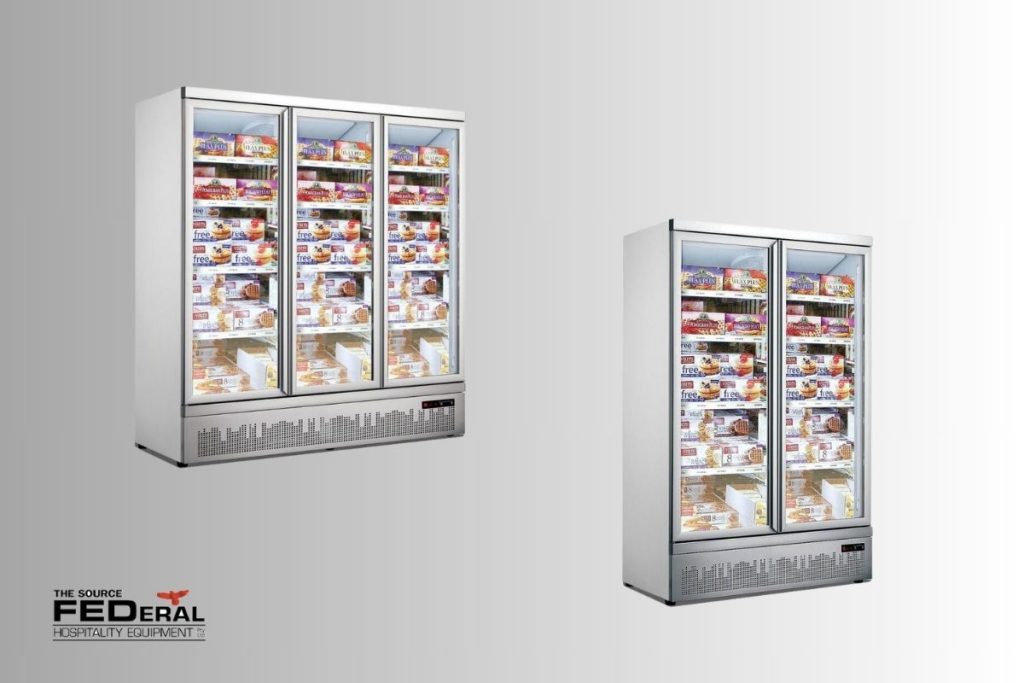
Are you sure your commercial freezer is set to the right temperature? Getting it wrong can lead to spoiled food, wasted money, and even health risks.
But what temperature should a commercial freezer be set at to keep your products fresh and safe? You’ll discover the exact temperature settings that protect your inventory and ensure top quality. Keep reading—you’ll learn simple tips that can save you time, money, and stress every day.
Ideal Temperature Range
Setting the ideal temperature range for your commercial freezer is crucial for preserving food quality and ensuring safety. If the temperature is too high, food can spoil quickly. Set it too low, and you risk freezing damage or excessive energy use.
Finding the right balance means maintaining a temperature that keeps food frozen solid without wasting energy or compromising texture and flavor. What’s the best temperature range that hits this sweet spot? Let’s break it down.
Recommended Settings For Commercial Freezers
Most experts agree that commercial freezers should be set between -10°F and 0°F (-23°C to -18°C). This range keeps food safely frozen while preventing freezer burn.
- Setting temperatures closer to 0°F (-18°C) is ideal for short-term storage and frequently accessed freezers.
- Lower temperatures near -10°F (-23°C) work better for long-term storage, especially for meat and seafood.
- Maintain consistent temperature; fluctuations can cause thawing and refreezing, damaging food quality.
Remember, different food items may require slight adjustments, but sticking within this range is a solid rule of thumb.
Impact Of Temperature On Food Safety
Freezing doesn’t kill bacteria, but it stops their growth. Keeping your freezer in the right temperature range is essential to prevent bacteria from multiplying when food thaws.
Temperatures above 0°F (-18°C) increase the risk of spoilage and foodborne illnesses. Have you ever noticed freezer burn ruining your leftovers? That often happens when food is exposed to fluctuating or higher temperatures.
Proper temperature control also affects texture and taste. For example, frozen vegetables kept too cold for long periods may lose their crunch, while meats can become dry and tough.
To protect your customers and avoid costly waste, monitor your freezer temperature regularly with a reliable thermometer. Small adjustments can make a big difference in food safety and quality.

Credit: www.foodequipment.com.au
Factors Influencing Temperature Choice
Choosing the right temperature for your commercial freezer isn’t a one-size-fits-all decision. Several factors come into play, influencing what setting will keep your products safe and maintain quality. Understanding these can help you avoid costly mistakes and ensure your freezer works efficiently.
Type Of Stored Products
The kind of items you store dictates the ideal freezer temperature. Meat and seafood often require temperatures below -18°C (0°F) to stay fresh and prevent bacteria growth. On the other hand, frozen fruits and vegetables might tolerate slightly warmer temps without losing texture or taste.
Think about how sensitive your products are to freezing damage. Ice cream, for example, needs a consistent, very low temperature to prevent ice crystals. Are you storing prepared meals? They often need stricter temperature control to maintain safety and flavor.
Freezer Usage And Traffic
How often you open your freezer affects the internal temperature. If your freezer door opens frequently during busy hours, the temperature can fluctuate, risking product quality. A freezer in a high-traffic kitchen area may need a colder baseline to compensate for this.
Consider the size and type of your freezer too. Chest freezers hold cold better during door openings compared to upright models. Are you running a 24/7 operation or just occasional use? This impacts how you set and monitor your temperature.
Climate And Location Effects
Where your freezer is located influences the temperature settings you need. In warmer or humid environments, freezers have to work harder to maintain cold, which might require lower settings. Conversely, in cooler climates, you may conserve energy by adjusting temperature slightly higher without risking spoilage.
Have you noticed your freezer struggling during summer months? This is common in tropical areas or non-air-conditioned spaces. Adjusting settings seasonally can save energy and protect your inventory from unexpected temperature swings.
Common Temperature Settings By Industry
Commercial freezers usually need to be set between -10°F and 0°F to keep food safe and fresh. Different industries may adjust temperatures slightly based on their specific storage needs. Proper settings help maintain quality and prevent spoilage.
Determining the ideal temperature settings for commercial freezers is crucial across various industries. The right temperature not only ensures product safety but also optimizes energy efficiency and operational costs. Let’s explore how different industries set their commercial freezer temperatures to meet their unique needs.Restaurants And Food Service
In the bustling world of restaurants and food service, maintaining the quality and safety of ingredients is paramount. Freezers in this industry are typically set between -10°F to 0°F (-23°C to -18°C). This range keeps meats, seafood, and other perishables at their best, ensuring your dishes taste fresh and delicious every time they reach a customer’s table. Imagine preparing a gourmet meal only to find the ingredients spoiled due to improper storage. Setting your freezer at the recommended temperature not only prevents such mishaps but also helps in maintaining the trust of your clientele.Grocery And Retail Stores
Grocery and retail stores have a diverse range of products, each requiring specific storage conditions. Commercial freezers here often maintain temperatures around 0°F (-18°C) to preserve the quality of frozen goods like ice cream, frozen meals, and vegetables. Consider the disappointment of a customer buying a tub of ice cream only to find it partially melted. Consistent and accurate temperature settings help avoid such scenarios, ensuring customer satisfaction and repeat business.Pharmaceutical And Medical Use
In the pharmaceutical and medical sectors, precise temperature control is non-negotiable. Freezers are usually set between -20°F to -10°F (-29°C to -23°C) for storing vaccines, blood samples, and other sensitive materials. Imagine the consequences of a compromised vaccine due to improper storage. Strict adherence to recommended settings not only protects the integrity of medical supplies but also plays a crucial role in safeguarding public health. Are your commercial freezers set to the right temperature for your industry? Taking a moment to double-check could save you from potential losses and ensure the safety and satisfaction of your customers or patients.Energy Efficiency Tips
Energy efficiency in commercial freezers saves money and reduces environmental impact. Setting the right temperature and maintaining the unit properly helps lower power consumption. Small changes can lead to big savings over time.
Optimal Temperature For Power Savings
Setting a commercial freezer between -18°C and -20°C (-0.4°F to -4°F) balances food safety and energy use. Colder temperatures increase electricity bills without much benefit. Avoid setting the freezer too cold.
Keeping the door closed reduces cold air loss. Less frequent door openings keep the temperature stable and reduce compressor work. Use door alarms or automatic closers to help.
Maintenance Practices To Preserve Efficiency
Clean condenser coils regularly to improve cooling efficiency. Dust and dirt build-up forces the freezer to use more energy. Check and replace door seals if they are worn or cracked.
Defrost the freezer as needed to prevent ice build-up. Thick ice layers block airflow and make the compressor work harder. Schedule regular inspections to catch problems early.
Troubleshooting Temperature Issues
Keeping your commercial freezer at the right temperature is crucial for food safety and operational efficiency. But what happens when the temperature doesn’t stay steady? Troubleshooting these issues quickly can save you from costly spoilage and compliance headaches.
Signs Of Incorrect Freezer Temperature
How do you know if your freezer isn’t at the correct temperature? Watch for frost build-up on the walls or around the door seals. This often indicates the freezer is too warm or the door isn’t sealing properly.
Another sign is food thawing or developing ice crystals, which means the temperature fluctuates too much. You may also notice an unusual smell or water pooling inside—both warning signals that something’s off.
Have you checked your temperature logs recently? Sudden spikes or drops can reveal hidden problems before they affect your inventory.
Steps To Correct Temperature Fluctuations
Start by inspecting door seals and hinges. Damaged or loose seals allow warm air in, causing temperature swings. Replace or repair seals immediately if you spot any gaps.
Next, verify the thermostat settings. Make sure it’s set to the recommended commercial freezer temperature, typically between -18°C and -22°C (0°F to -8°F). Adjust as needed to maintain consistency.
Keep the freezer well-organized. Overloading or blocking air vents disrupts airflow and temperature distribution. Arrange items so cold air circulates freely.
Regularly clean the condenser coils. Dust buildup forces the compressor to work harder, leading to uneven cooling. A clean coil improves efficiency and stabilizes temperature.
If fluctuations persist, consider investing in a temperature monitoring system. It alerts you in real-time, helping you act fast before problems escalate.
Credit: www.bodegacooler.com
Regulations And Compliance
Maintaining the correct temperature in a commercial freezer is essential for safety and quality. Regulations and compliance ensure businesses follow strict rules to protect food and customers. These rules help prevent foodborne illnesses and keep products fresh. Understanding these standards and requirements is critical for every business using commercial freezers.
Food Safety Standards
Food safety standards set the temperature limits for commercial freezers. The ideal temperature is usually at or below -18°C (0°F). This temperature stops bacteria growth and preserves food quality. Businesses must follow local and national safety laws. These standards also guide how to store different types of food safely. Meeting these rules reduces risks of contamination and spoilage.
Inspection And Monitoring Requirements
Regular inspections check if freezers meet temperature rules. Health inspectors visit to ensure compliance with food safety laws. Businesses must keep detailed temperature logs. These records prove that food stays at safe temperatures. Automated monitoring systems help track temperatures continuously. Prompt action is required if temperatures go above set limits. Proper monitoring avoids fines and protects public health.

Credit: www.foodequipment.com.au
Frequently Asked Questions
What Is The Ideal Temperature For A Commercial Freezer?
The ideal temperature for a commercial freezer is 0°F (-18°C). This setting ensures food stays frozen and safe for long periods. It prevents bacterial growth and maintains food quality effectively.
Why Keep A Commercial Freezer At 0°f?
Keeping a commercial freezer at 0°F preserves food freshness and safety. It slows bacterial growth and enzymatic activity. This temperature meets food safety standards and helps avoid spoilage and waste.
How Often Should Commercial Freezer Temperature Be Checked?
Commercial freezer temperatures should be checked at least twice daily. Regular monitoring ensures the freezer stays at the correct temperature. It helps detect malfunctions early and prevents food safety risks.
Can Freezer Temperature Affect Food Quality?
Yes, freezer temperature directly impacts food quality. If too warm, food may thaw and spoil. If too cold, freezer burn can occur, affecting texture and taste. Proper temperature preserves freshness and extends shelf life.
Conclusion
Setting a commercial freezer to the right temperature keeps food fresh and safe. The ideal range is usually between -18°C and -22°C (0°F to -8°F). This range slows bacteria growth and preserves quality. Regularly check your freezer’s temperature with a reliable thermometer.
Adjust settings if you notice any changes. Proper maintenance helps avoid food spoilage and saves money. Keep your freezer clean and organized for better airflow. A well-set freezer protects your business and meets health standards. Simple steps make a big difference in food safety and quality.