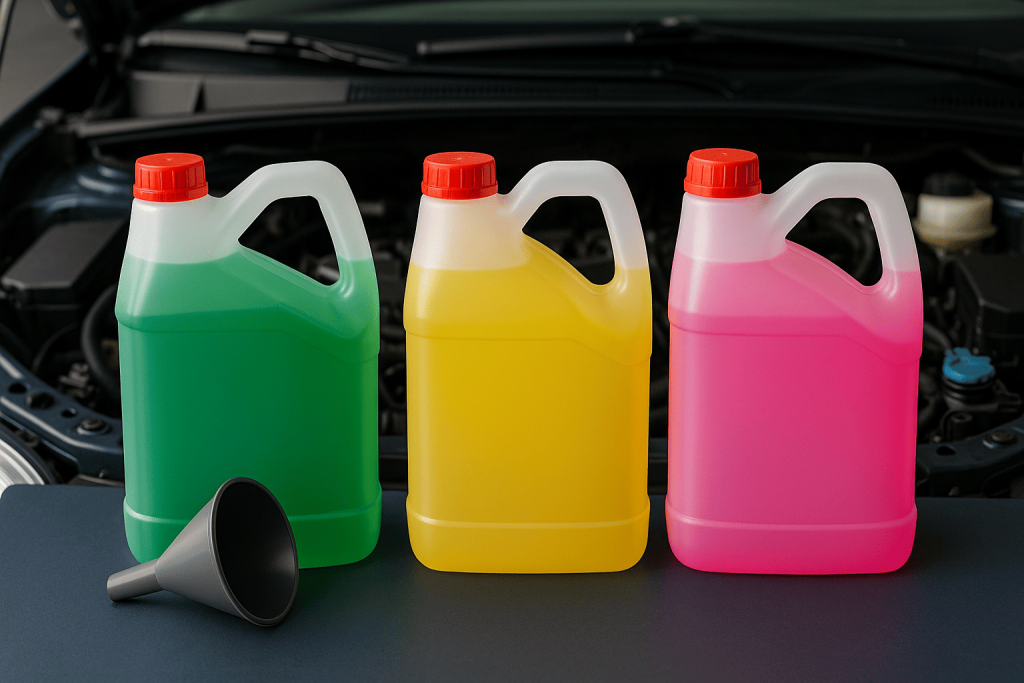
Have you ever wondered if pure antifreeze can freeze? It’s a question that might surprise you, especially if you rely on antifreeze to protect your car during cold weather.
Understanding how antifreeze works and whether it can freeze is crucial to keeping your engine safe and running smoothly. You’ll discover the truth about pure antifreeze, how it behaves in freezing temperatures, and what that means for your vehicle. Keep reading—you don’t want to risk engine damage by missing this important info.

Credit: www.motor.com
What Is Pure Antifreeze
Understanding what pure antifreeze is can help you make better decisions about your vehicle’s cooling system. Pure antifreeze is a concentrated liquid designed to prevent the coolant inside your engine from freezing or overheating. It’s not something you use directly in your car without mixing.
This concentrated form contains chemicals like ethylene glycol or propylene glycol, which lower the freezing point of the coolant. It also raises the boiling point, protecting your engine in extreme temperatures. But how does this pure antifreeze behave on its own?
Composition Of Pure Antifreeze
Pure antifreeze mainly consists of glycol-based compounds mixed with additives that protect against corrosion and wear. Ethylene glycol is the most common ingredient, known for its excellent heat transfer properties. Propylene glycol is a safer alternative often used in environments where toxicity is a concern.
The additives help your cooling system last longer and prevent rust build-up inside the radiator and engine. This mixture is thick and syrupy, unlike the diluted coolant you find in your radiator.
Difference Between Pure Antifreeze And Engine Coolant
Pure antifreeze is not the same as engine coolant, which is usually a 50/50 mix of antifreeze and water. This dilution allows the coolant to flow easily through your engine and radiator. Using pure antifreeze without mixing can cause overheating and damage due to its higher viscosity and boiling point.
Water helps carry heat away from the engine, while antifreeze prevents freezing and corrosion. You might wonder why manufacturers sell pure antifreeze if it’s not ready to use—this is because it gives you control over the mix ratio depending on your climate and engine needs.
Does Pure Antifreeze Freeze?
Pure antifreeze has a much lower freezing point than water, but it can still freeze under extreme cold conditions. For example, pure ethylene glycol freezes around -12°C (10°F), which is much lower than water but higher than the freezing point of a proper 50/50 coolant mix.
This means relying on pure antifreeze alone without dilution could still risk freezing in very cold weather. Have you ever wondered why your mechanic always recommends mixing antifreeze with water? The reason lies in achieving the best balance between freeze protection and heat transfer.
Credit: www.clubfrontier.org
Freezing Point Of Pure Antifreeze
Understanding the freezing point of pure antifreeze is vital for protecting engines in cold weather. Pure antifreeze has a much lower freezing point than water. This quality helps prevent engine coolant from freezing and damaging the engine. The freezing point depends on its chemical makeup and concentration.
Chemical Composition Impact
Pure antifreeze mainly contains ethylene glycol or propylene glycol. These chemicals lower the freezing point by disrupting ice formation. The molecules interfere with water’s ability to form solid ice crystals. This effect is called freezing point depression. The more glycol in the mix, the lower the freezing point.
Ethylene glycol is more common in automotive antifreeze. Propylene glycol is safer but less effective at lowering the freezing point. Pure antifreeze can have a freezing point as low as -50°F (-46°C) or even lower. This is much colder than most natural winter temperatures.
Comparison With Water
| Liquid | Freezing Point |
|---|---|
| Pure Water | 32°F (0°C) |
| Pure Antifreeze (Ethylene Glycol) | Approximately -50°F (-46°C) |
| 50/50 Antifreeze-Water Mix | About -34°F (-37°C) |
Water freezes at 32°F (0°C), making it unsuitable alone for engine cooling in cold weather. Pure antifreeze has a much lower freezing point, preventing ice damage. A typical mix of antifreeze and water still offers strong freeze protection. This balance also helps with heat transfer inside the engine.
How Antifreeze Works In Engines
Antifreeze is crucial for engine health. It stops engines from freezing in cold weather. It also prevents overheating during hot temperatures. Understanding how antifreeze works helps you maintain your vehicle.
Heat Transfer Properties
Antifreeze helps in heat transfer. It circulates through the engine, absorbing excess heat. This process keeps engine temperature stable. A stable temperature means better engine performance. It also ensures the engine parts do not overheat or get damaged.
Preventing Freezing And Boiling
Antifreeze lowers the freezing point of the coolant. This prevents the liquid from freezing inside the engine. Frozen coolant can cause serious damage. It also raises the boiling point. This means the coolant will not boil away in high heat. Keeping the engine cool even in hot climates.
Common Misconceptions About Antifreeze
Many people believe that pure antifreeze can never freeze. This common misconception can lead to costly mistakes, especially in colder climates. Understanding what antifreeze really does and how it behaves is key to protecting your vehicle’s engine from freezing damage.
Myth Vs Reality
Many assume that pure antifreeze alone prevents freezing. The reality is different. Pure antifreeze actually freezes at a much lower temperature than water, but it still freezes at around -50°F (-45°C), which is cold but not impossible in extreme conditions.
Your engine rarely runs on pure antifreeze. It’s usually mixed with water to create a coolant that balances freezing and boiling points. This blend is what truly protects your engine from freezing and overheating.
Effects Of Dilution
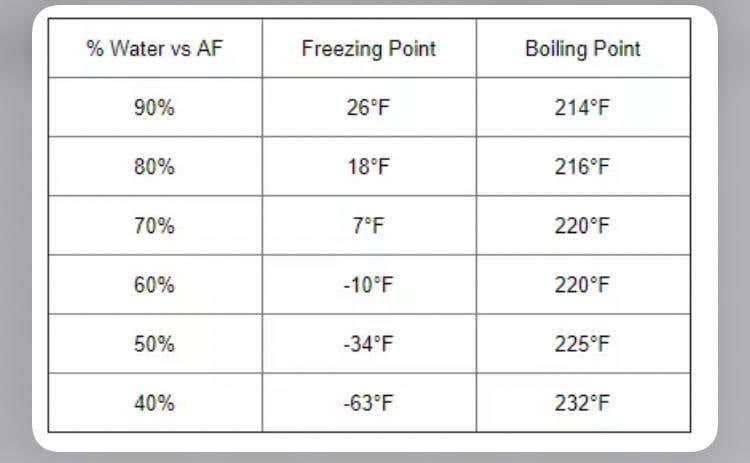
Antifreeze is almost always diluted with water. The typical mixture is 50% antifreeze and 50% water. This mix lowers the freezing point to about -34°F (-37°C), which suits most winter climates.
If you add too much water, the freezing point rises, risking engine freeze. Too much antifreeze can reduce heat transfer efficiency, causing overheating. Have you checked your antifreeze-to-water ratio lately? It could save your engine from winter damage.
Testing Antifreeze For Freezing
Testing antifreeze for freezing is essential to ensure your vehicle’s cooling system works properly during cold weather. Pure antifreeze doesn’t freeze easily, but its effectiveness depends on concentration and mixture with water. Knowing how to test your antifreeze can save you from unexpected breakdowns and costly repairs.
Laboratory Methods
Laboratories use precise instruments like a refractometer or a freeze point tester to measure antifreeze concentration and freezing point. These tools provide accurate readings by analyzing a small sample of your coolant. Professionals often check for contaminants and chemical balance too, ensuring your antifreeze meets safety standards.
Have you ever wondered how mechanics know the exact freezing point of your antifreeze? Their equipment gives them clear data, which helps them recommend the right antifreeze mixture for your vehicle’s climate conditions.
Diy Testing Tips
You can test antifreeze at home with a simple antifreeze tester or hydrometer. These devices are affordable and easy to use, giving you a quick idea if your coolant is strong enough to prevent freezing. Just draw a sample from your radiator or reservoir, and check the reading against the tool’s scale.
Another practical tip is to monitor your vehicle’s temperature gauge and look for signs like slow heating or overheating, which might signal antifreeze issues. Have you checked your antifreeze lately? Testing it yourself can be a quick step to avoid winter headaches.
Choosing The Right Antifreeze Mix
Choosing the right antifreeze mix is crucial to protect your engine from freezing and overheating. The right balance ensures your vehicle runs smoothly, no matter the weather. Let’s look closely at how concentration ratios and seasonal changes affect your antifreeze choice.
Concentration Ratios
The ratio of antifreeze to water makes a big difference. Pure antifreeze doesn’t freeze easily, but it’s too thick to flow well in your engine. Usually, a 50/50 mix of antifreeze and water works best.
Higher concentrations, like 60/40 antifreeze to water, can lower the freezing point further but may reduce heat transfer. Too much pure antifreeze can lead to overheating. You want a balance that keeps your engine cool in summer and protected in winter.
Think about your local climate. If you live somewhere extremely cold, increasing the antifreeze concentration can help. But in milder climates, sticking to a 50/50 mix saves your engine and your wallet.
Seasonal Considerations
Your antifreeze mix should match the season’s demands. In winter, a stronger antifreeze mix prevents freezing and protects your engine block. In summer, the same mix helps avoid overheating.
Some drivers switch to a different ratio as seasons change. But constantly changing your mix can introduce air bubbles and cause corrosion. Instead, use a reliable all-season antifreeze or test your mix’s freezing and boiling points regularly.
Have you checked your antifreeze levels this season? A quick test can save you from costly repairs. Keeping your antifreeze at the right concentration means peace of mind all year round.
Risks Of Using Pure Antifreeze
Using pure antifreeze in your vehicle carries several risks. It may not perform as expected under cold conditions. Understanding these risks can help protect your engine and save money.
Potential Engine Damage
Pure antifreeze lacks water, which helps absorb and transfer heat. Without this, the engine can overheat easily. Overheating causes parts to warp or crack. It may also lead to gasket failure and leaks. Pure antifreeze alone does not protect against corrosion well. Corrosion can damage metal parts inside the engine. This can reduce engine life and cause costly repairs.
Cost And Efficiency Issues
Pure antifreeze is more expensive than a proper mix with water. Using it alone wastes money because it does not cool efficiently. The engine uses more fuel to stay cool. This lowers overall fuel efficiency. Also, pure antifreeze can thicken in cold temperatures. Thick fluid does not flow well through the engine. This reduces the cooling system’s performance, raising the risk of overheating.
Credit: www.e46fanatics.com
Frequently Asked Questions
Does Pure Antifreeze Freeze In Cold Temperatures?
Pure antifreeze freezes at a much lower temperature than water. However, it can freeze if temperatures drop extremely low, typically below -50°F (-46°C). In most conditions, pure antifreeze remains liquid, providing effective protection against freezing in vehicle cooling systems.
How Does Pure Antifreeze Prevent Engine Freezing?
Pure antifreeze lowers the freezing point of the coolant mixture. This prevents ice formation inside the engine and radiator. It also raises the boiling point, ensuring the engine runs efficiently in extreme temperatures without freezing or overheating.
Is Pure Antifreeze Safe To Use Without Mixing?
Using pure antifreeze alone is not recommended. It is too concentrated and can cause overheating or damage. Always mix antifreeze with water as per manufacturer guidelines for optimal performance and protection.
What Temperature Does Pure Antifreeze Freeze At?
Pure antifreeze typically freezes around -50°F (-46°C). This freezing point varies slightly depending on the chemical formulation. It offers superior freeze protection compared to water or diluted mixtures.
Conclusion
Pure antifreeze has a much lower freezing point than water. It rarely freezes under normal cold weather. This makes it useful in protecting engines during winter. Still, very extreme cold can freeze pure antifreeze. Mixing antifreeze with water helps balance freezing and boiling points.
Regular checks keep your vehicle safe and running well. Knowing how antifreeze works helps you avoid engine damage. Stay prepared for cold seasons with the right antifreeze mix.