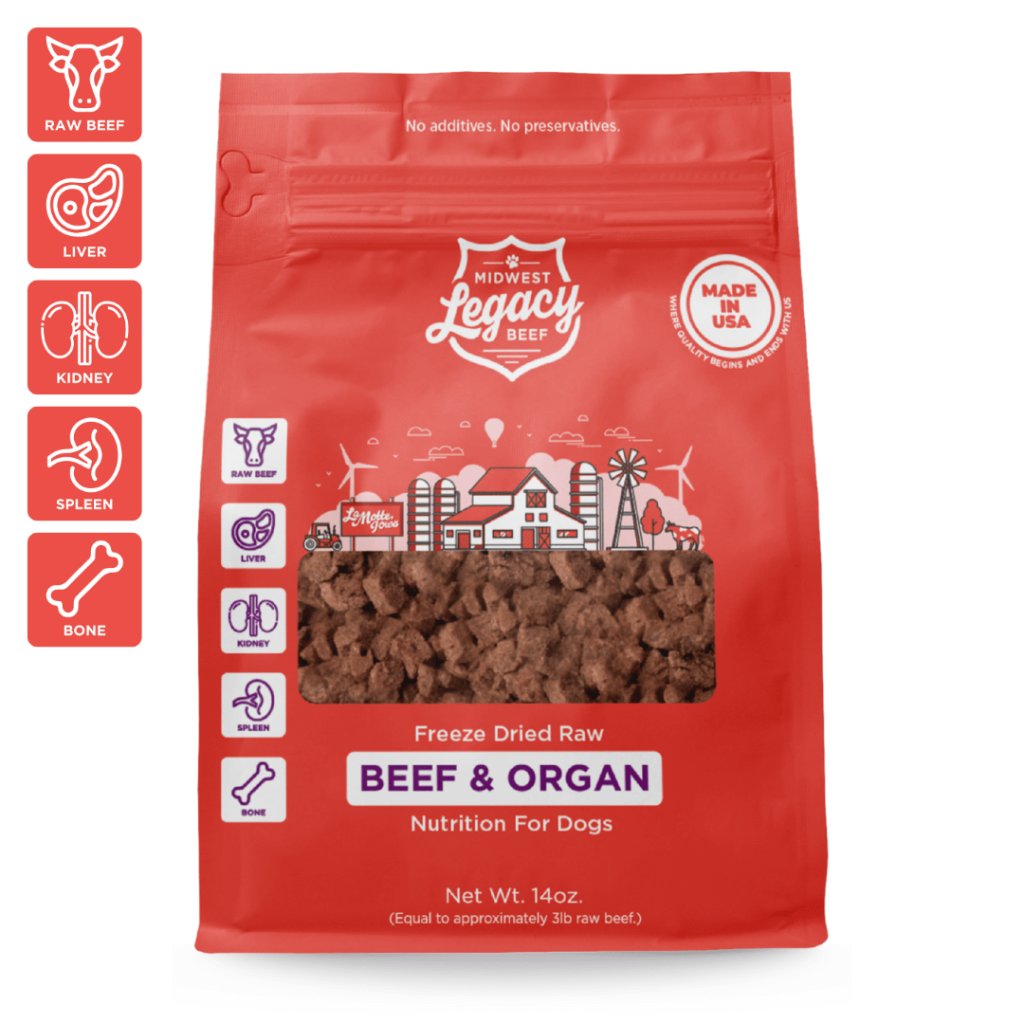
Are you looking for a simple way to preserve liver while keeping its nutrients intact? Freeze drying liver is a smart method that lets you store it for a long time without losing flavor or quality.
Imagine having ready-to-use liver on hand whenever you need it—no waste, no rush. In this guide, you’ll discover easy steps to freeze dry liver at home, saving you time and money. Keep reading to unlock the secrets to perfect preservation and never worry about your liver going bad again.
Benefits Of Freeze Drying Liver
Freeze drying liver offers many important benefits. This process removes moisture without harming the liver’s quality. It keeps the liver fresh for a long time. Many people use freeze drying to store liver safely and easily. The benefits include preserving nutrients, extending shelf life, and making storage easy.
Nutritional Preservation
Freeze drying keeps most nutrients intact. Vitamins and minerals stay strong during the process. The liver keeps its high protein content. This means you get the same health benefits as fresh liver. The low heat used avoids nutrient damage. Freeze drying protects delicate nutrients like vitamin A and iron.
Extended Shelf Life
Removing moisture stops bacteria and mold growth. This lets liver last much longer without spoiling. Freeze dried liver can stay good for months or years. It needs no refrigeration, saving space and energy. The liver remains safe to eat even after long storage. This reduces food waste and saves money.
Convenience And Portability
Freeze dried liver is lightweight and easy to store. It does not need cold storage or special packaging. You can carry it on trips or camping easily. It rehydrates quickly with water for easy cooking. This makes it a great option for busy lifestyles. Freeze dried liver fits well in emergency food supplies.

Credit: www.amazon.com
Choosing The Right Liver
Choosing the right liver is essential for a successful freeze drying process. The quality and type of liver influence the taste, texture, and nutrition of the final product. Selecting fresh and suitable liver ensures the best results and reduces waste.
Types Of Liver Suitable For Freeze Drying
Different animals provide various types of liver, each with unique flavors and textures. Common choices include:
- Beef liver: Dense and rich in nutrients.
- Chicken liver: Mild flavor and softer texture.
- Pork liver: Strong taste, slightly firmer.
- Lamb liver: Delicate and tender.
Choose the type based on your preference and intended use.
Quality Indicators
Freshness matters most. Look for these signs:
- Bright, deep color without discoloration.
- Firm texture, not slimy or sticky.
- Neutral or mild smell, no sour odor.
- Absence of bruises or spots.
High-quality liver retains nutrients and freezes well.
Preparation Tips
Proper preparation improves freeze drying results:
- Rinse liver gently under cold water.
- Trim away fat, membranes, and veins.
- Slice liver into thin, even pieces for quick drying.
- Pat dry with paper towels to remove excess moisture.
- Store liver cold and use quickly to maintain freshness.
Equipment Needed
Freezing dry liver at home is a fascinating way to preserve this nutritious organ meat. But to do it successfully, having the right equipment is key. As you embark on this journey, consider what specific tools you’ll need to achieve the best results.
Freeze Dryer Options
The heart of the freeze-drying process is, naturally, the freeze dryer. You’ll find various models tailored for home use. Some popular options include:
- Harvest Right Freeze Dryer:Known for its reliability and user-friendliness, it’s a favorite among home enthusiasts.
- Lab-Grade Freeze Dryers:These are more expensive but offer precision and efficiency for those serious about their freeze-drying endeavors.
When selecting a freeze dryer, consider the batch size you plan to process and the space you have available at home. Have you thought about where you’ll store this equipment?
Additional Tools
Beyond the freeze dryer, a few additional tools can make the process smoother:
- Vacuum Sealer:Essential for packaging the liver post-drying to ensure it remains fresh for extended periods.
- Sharp Knife:A good knife will help you cut the liver into even slices, crucial for uniform drying.
- Food Scale:Weighing the liver ensures you’re freeze-drying the right amount, optimizing the process.
These tools might seem simple, but they play a significant role in ensuring your freeze-drying success. Do you already have some of these in your kitchen arsenal?
Safety Gear
Safety is paramount when handling raw liver and operating a freeze dryer:
- Gloves:Protect your hands from raw meat and any potential contaminants.
- Apron:Keeping your clothing clean is easier with a durable apron.
- Eye Protection:Especially important if you’re working with a more industrial-grade freeze dryer.
While it might seem like overkill, safety gear ensures that you’re not just efficient but also safe. Have you considered all safety precautions for your freeze-drying setup?

Credit: midwestlegacybeef.com
Step-by-step Freeze Drying Process
Freeze drying liver preserves its nutrients and extends its shelf life while maintaining flavor and texture. The process requires attention to detail and a few key steps to ensure the best results. Knowing how to prepare and operate your equipment can make all the difference in the quality of your freeze-dried liver.
Cleaning And Slicing
Start by thoroughly rinsing the liver under cold water to remove any blood or impurities. Pat it dry with paper towels to reduce surface moisture, which can affect the drying process.
Slice the liver into thin, uniform pieces—about ¼ inch thick. Uniform thickness helps the freeze dryer work evenly, preventing some pieces from drying too fast or too slow.
Pre-freezing Techniques
Place the liver slices on a baking sheet lined with parchment paper, making sure they don’t touch each other. This prevents them from sticking together during freezing.
Freeze the slices at a very low temperature, ideally below -20°F (-29°C), for at least 12 hours. Pre-freezing locks in freshness and prepares the liver for the sublimation phase in the freeze dryer.
Operating The Freeze Dryer
Load the frozen liver slices onto the freeze dryer trays, spacing them evenly. Avoid stacking or crowding to allow cold air to circulate properly.
Set your freeze dryer according to the manufacturer’s instructions, usually starting with a low temperature and gradually increasing. The machine will freeze the liver further, then reduce pressure to turn ice directly into vapor.
Monitor the process; freeze drying can take between 20 to 40 hours depending on your machine and liver thickness. Patience here ensures the liver dries completely without losing nutrients.
Storage After Drying
Once dry, immediately transfer the liver slices to airtight containers or vacuum-sealed bags. Oxygen and moisture are the enemies here, so remove as much air as possible.
Store the containers in a cool, dark place to maintain quality. Properly stored freeze-dried liver can last up to 25 years—have you ever thought about preparing emergency food this way?
Common Mistakes To Avoid
Freezing drying liver can be a game-changer for preserving nutrients and extending shelf life. However, small missteps can ruin your efforts and waste valuable food. Knowing which mistakes to avoid will make your freeze-drying process much smoother and more effective.
Improper Slicing Thickness
Slicing liver too thick can slow down the drying time and cause uneven freeze drying. Thick pieces hold moisture inside, leading to spoilage or freezer burn later. On the other hand, slices that are too thin may dry out too quickly and become brittle, losing texture and flavor.
Try to keep your slices about 1/4 inch thick. This thickness balances moisture removal with maintaining the liver’s integrity. Have you measured your slices before? A kitchen scale or ruler can help ensure consistency.
Skipping Pre-freezing
Many skip pre-freezing and go straight to the freeze dryer, but this step is crucial. Pre-freezing helps the liver solidify quickly, which preserves its structure and nutrients during drying. Without it, the liver may thaw partially and refreeze unevenly, damaging the final product.
Put your liver slices in the freezer for a few hours before placing them in the freeze dryer. This extra step takes time but pays off with better texture and taste. Have you noticed a difference when you skipped this step?
Incorrect Storage Methods
Once freeze dried, liver is very sensitive to moisture and air. Storing it improperly can cause it to absorb humidity and spoil fast. Many store it in simple plastic bags without sealing or add no moisture absorbers.
Use vacuum-sealed bags or airtight containers with oxygen absorbers or silica gel packets. Keep your freeze-dried liver in a cool, dark place to extend its shelf life. How do you currently store your dried liver? Small changes here can lead to big improvements.
Rehydrating Freeze Dried Liver
Rehydrating freeze dried liver is a simple yet crucial step to bring back its natural texture and flavor. Getting it right means you can enjoy liver almost as if it were freshly cooked. The process doesn’t take long, but knowing the best way to do it can make all the difference in your dishes.
Best Practices For Rehydration
Start with cold or lukewarm water instead of hot water. This helps preserve the liver’s delicate proteins and prevents it from becoming too mushy. Use just enough water to cover the freeze dried liver completely—too much water can dilute the flavor.
Let it soak for about 10 to 15 minutes. Check the texture by gently pressing it; it should feel soft but still hold its shape. If needed, drain any excess water to avoid sogginess before cooking.
Uses In Cooking
Rehydrated liver works well in a variety of recipes. You can add it to stews, sauces, or even scrambled eggs for a boost of nutrition. Because it rehydrates quickly, it’s perfect for quick meals or camping trips.
Try mixing it with ground meat to create flavorful meatballs or patties. Have you ever thought about blending it into a pâté? The rehydrated liver blends smoothly and enhances the richness without overpowering other ingredients.
Maintaining Flavor And Texture
Avoid over-soaking the liver as it can become watery and lose its rich taste. Patting it dry gently with a paper towel after rehydration helps maintain a firmer texture. Adding a pinch of salt during rehydration can enhance the natural flavor subtly.
When cooking, use medium heat to avoid toughening the liver. The goal is to keep it tender and flavorful. Have you noticed how even slight changes in cooking time affect texture? Paying attention to these details ensures your freeze dried liver tastes just right every time.
Troubleshooting Issues
Freezing drying liver can sometimes lead to challenges that affect the quality of the final product. Troubleshooting these issues helps ensure the liver stays fresh and safe. Knowing common problems and how to fix them saves time and prevents waste.
Dealing With Moisture Retention
Moisture retention is a common problem during freeze drying. It causes the liver to stay soft or soggy after drying. This happens when the freeze dryer does not remove all the water content.
To reduce moisture:
- Slice the liver into thin, even pieces for better drying.
- Ensure the freeze dryer runs long enough for full moisture removal.
- Check the vacuum pressure; low pressure slows drying.
- Avoid overloading the freeze dryer tray.
Proper drying creates a crisp, shelf-stable product.
Preventing Oxidation
Oxidation causes the liver to discolor and develop off-flavors. It happens when the liver is exposed to air and light during or after drying.
Steps to prevent oxidation:
- Store the freeze-dried liver in airtight containers.
- Use vacuum-sealed bags to limit air exposure.
- Keep the liver in a cool, dark place.
- Add oxygen absorbers inside storage packages.
These steps keep the liver fresh and tasty for longer.
Handling Equipment Malfunctions
Equipment issues can disrupt the freeze drying process and damage the liver. Common problems include temperature fluctuations and vacuum pump failures.
To handle malfunctions:
- Regularly clean and maintain the freeze dryer.
- Check seals and gaskets for leaks.
- Monitor temperature and vacuum levels during drying.
- Have a backup plan or spare parts ready.
Early detection of problems avoids ruined batches and saves money.
Credit: medium.com
Storage Tips For Long-term Preservation
Proper storage is crucial to keep your freeze-dried liver fresh and nutritious for a long time. Without the right storage approach, you risk losing flavor, texture, and essential nutrients. Let’s dive into how you can protect your freeze-dried liver effectively.
Ideal Packaging Materials
Choosing the right packaging material makes a big difference in preservation. Use airtight containers like vacuum-sealed bags or Mylar bags with oxygen absorbers to keep moisture and air out. Glass jars with tight-fitting lids also work well if you add desiccant packets to control humidity.
Think about what you have on hand—can you reuse vacuum-seal bags from other foods? I once stored my freeze-dried liver in regular zip-lock bags and noticed a quick loss of crispness. Airtight packaging is not just a suggestion; it’s a necessity.
Optimal Storage Conditions
Temperature and light exposure impact how long your freeze-dried liver stays good. Store it in a cool, dark place away from direct sunlight, like a pantry or cupboard. Avoid areas with high humidity or temperature fluctuations, such as near the stove or windows.
Have you checked the temperature of your storage spot lately? Even a slight warmth can reduce shelf life. Aim for a stable environment around 50-70°F (10-21°C) for best results.
Shelf Life Expectations
Freeze-dried liver can last a long time, but it depends on storage quality. Properly packaged and stored, it can maintain quality for 10 to 25 years. However, exposure to air or moisture can cut this time drastically.
Ask yourself how often you’ll access the liver. Frequent opening can introduce air and moisture, reducing shelf life. Store portions separately to keep the rest sealed and fresh longer.
Frequently Asked Questions
How Do You Prepare Liver For Freeze Drying?
First, clean the liver thoroughly and trim off any fat. Slice it into thin, even pieces. This ensures uniform freeze drying and better texture. Pre-freeze the slices before placing them in the freeze dryer for optimal results.
What Equipment Is Needed To Freeze Dry Liver?
You need a home freeze dryer, vacuum-sealed bags, and airtight containers. A quality freeze dryer controls temperature and pressure precisely. These tools preserve liver nutrients and extend shelf life effectively.
How Long Does Freeze Drying Liver Take?
Freeze drying liver typically takes 24 to 48 hours. Time depends on liver thickness and freeze dryer model. Patience ensures complete moisture removal and high-quality preservation.
Can Freeze Dried Liver Be Stored Long-term?
Yes, freeze dried liver stores well for 1 to 2 years. Keep it in airtight containers, away from moisture and light. Proper storage maintains flavor, nutrients, and texture over time.
Conclusion
Freezing dry liver keeps it fresh and tasty for a long time. It stops bacteria and mold from growing. The liver keeps its nutrients and flavor after freeze drying. You just need the right tools and steps to do it well.
Store the dried liver in a cool, dry place. This method saves money and reduces food waste. Try it to enjoy liver anytime, without spoilage. Easy to prepare, easy to store. A smart way to keep liver ready for meals.