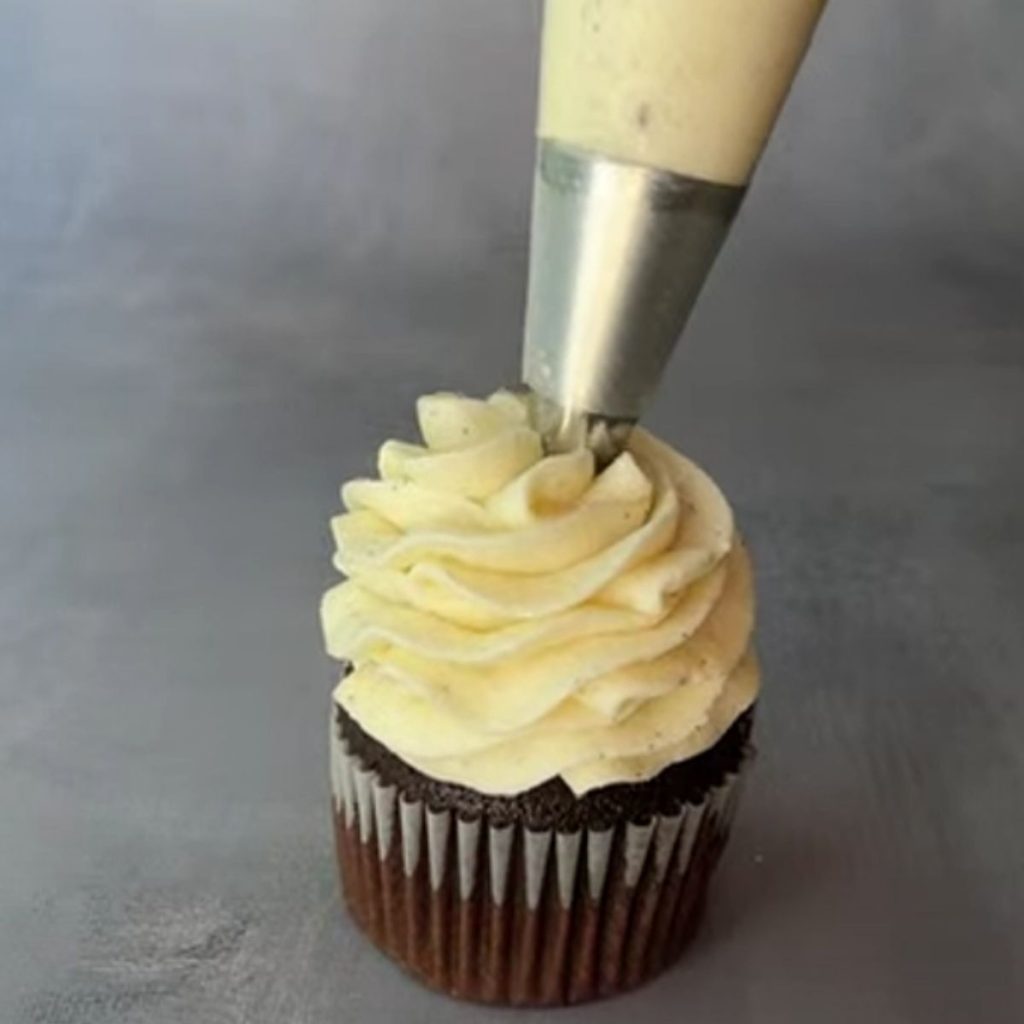
Want to make smooth, creamy buttercream icing but don’t have powdered sugar on hand? You’re not alone.
Many people think powdered sugar is the only way to get that perfect texture and sweetness. But what if you could create delicious buttercream without it? In this guide, you’ll discover simple, easy methods to whip up buttercream using ingredients you probably already have.
By the end, you’ll be confident in making icing that looks and tastes just right—no powdered sugar needed. Ready to impress your friends and family with your baking skills? Let’s get started!
Ingredients Needed
Making buttercream icing without powdered sugar might sound tricky, but it’s all about choosing the right ingredients. Each component plays a key role in texture, sweetness, and flavor. Knowing what to use lets you customize your icing exactly how you want it.
Butter Choices
Butter is the base of your icing, so pick one that fits your taste and texture needs. Unsalted butter gives you control over salt levels, while salted adds a subtle savory note.
For a lighter, fluffier texture, try whipped butter or European-style butter with higher fat content. Ever considered using a mix of butter and shortening? It can help stabilize the icing, especially in warmer kitchens.
Sweetener Alternatives
Since powdered sugar isn’t on the list, you need other ways to sweeten your buttercream. Granulated sugar is a common choice but needs to be finely ground or dissolved to avoid a gritty texture.
Honey, maple syrup, or agave nectar add sweetness plus unique flavors. Keep in mind, liquid sweeteners might change the consistency, so balance them with less liquid elsewhere.
Have you tried stevia or monk fruit sweeteners? They’re great for cutting sugar but can have a distinct aftertaste, so test small batches first.
Flavor Additions
Vanilla extract is classic and brings warmth to your buttercream. Almond extract or citrus zest can brighten the flavor and add a fresh twist.
Think beyond extracts—adding a pinch of cinnamon or cocoa powder can transform your icing. Why not experiment with coffee or a splash of liqueur for a grown-up version?
Flavoring your buttercream lets you tailor it to match any cake or occasion. What bold flavor will you try next?
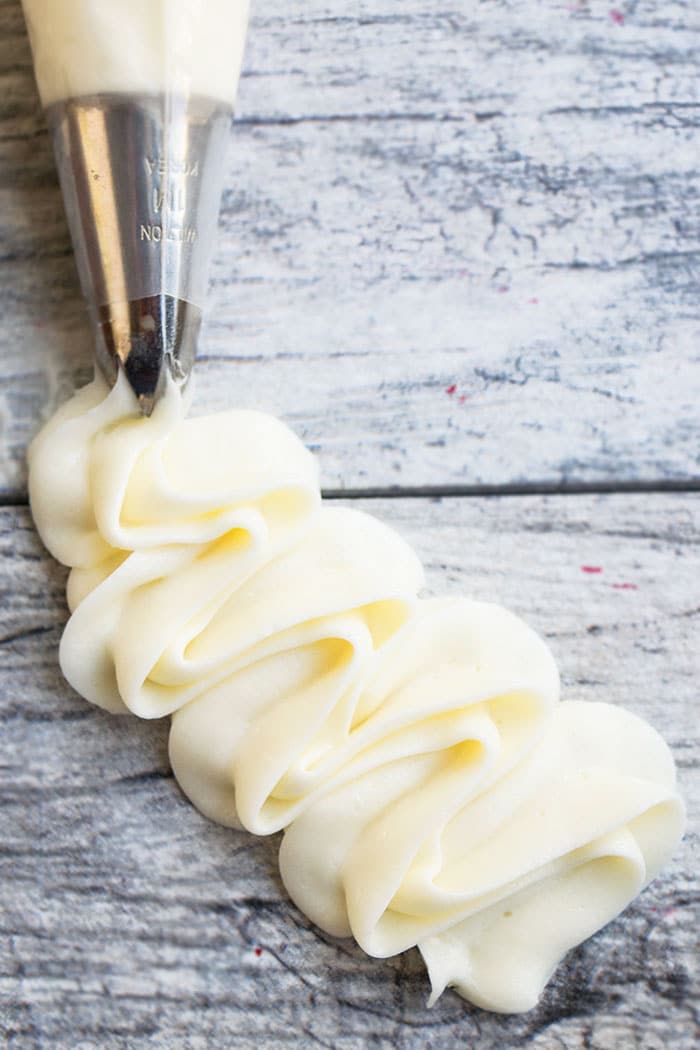
Credit: cakewhiz.com
Preparing The Butter
Preparing the butter is a crucial step when making buttercream icing without powdered sugar. The butter’s texture and temperature directly affect how well your icing whips and holds its shape. Getting this part right can save you from a gritty or runny mess, so it’s worth the attention.
Softening Techniques
Butter should be soft but not melted. If it’s too cold, it won’t blend smoothly with your other ingredients, leaving lumps in your icing. On the other hand, melted butter can make the icing too runny and hard to control.
Here are some easy ways to soften butter perfectly:
- Leave the butter out on the counter for about 30 minutes before you start.
- Cut it into small cubes to speed up softening.
- If you’re in a hurry, microwave it in 5-second bursts, checking often to avoid melting.
- Place the butter between two sheets of parchment paper and gently flatten it with a rolling pin to soften evenly.
Have you ever tried to mix cold butter directly? It’s frustrating! Softening it properly makes the mixing process smoother and faster.
Achieving The Right Texture
Your butter should feel soft to the touch but still hold its shape. When you press it gently with your finger, it should give slightly without feeling greasy or oily. This texture helps create a light and fluffy buttercream.
Start beating your softened butter on medium speed. It will look pale and creamy after a few minutes—that’s a good sign. If it’s still stiff or clumpy, give it a bit more time to soften or beat longer.
Do you notice how the texture changes as you whip? That’s the butter incorporating air, which leads to a smooth, spreadable icing.
Sweetener Options
Creating a creamy, delightful buttercream icing without powdered sugar might seem daunting, but it’s totally doable. You just need to explore alternative sweeteners that can bring out the best in your icing. From granulated sugar to honey, each option adds a unique twist to your recipe. Let’s dive into these sweetener alternatives and discover how you can craft a delicious buttercream icing with what you have on hand.
Using Granulated Sugar
Granulated sugar is a staple in most kitchens and can be a great substitute for powdered sugar. The key is to dissolve it properly to avoid a gritty texture in your icing. To do this, you can blend the granulated sugar in a food processor until it’s fine, almost like powdered sugar.
Another method is to dissolve the sugar in a bit of liquid, such as milk or water, by heating it gently. This ensures a smooth consistency. Have you ever tried this approach before? It might just become your new favorite trick for making buttercream.
Honey And Maple Syrup
Looking for a natural sweetener option? Honey and maple syrup are excellent choices. They add a rich, deep flavor profile to your icing. Plus, they dissolve easily, ensuring a smooth texture without the need for extra processing.
However, keep in mind that both honey and maple syrup can slightly alter the color and flavor of your icing. This can be a delightful change, especially if you’re aiming for a more rustic or natural look and taste. Give it a try, and you might find yourself pleasantly surprised!
Condensed Milk Method
Condensed milk not only sweetens but also adds a creamy texture to your buttercream icing. This method is particularly handy if you’re looking for an ultra-smooth and luscious finish. Simply mix condensed milk with butter and vanilla extract, and whip it until it reaches your desired consistency.
Using condensed milk is a great choice for those who prefer a less sugary taste. It’s a versatile option that can easily be adjusted to suit your sweetness preference. Have you ever considered using condensed milk in your icing before? It might just become your go-to secret ingredient.

Credit: cupcakesavvyskitchen.com
Mixing Process
The mixing process is key to making smooth buttercream icing without powdered sugar. It affects texture, flavor, and how well the icing spreads. Proper mixing creates a creamy consistency and prevents lumps or graininess. Patience and attention during mixing improve the final result.
Step-by-step Instructions
- Start with softened butter at room temperature for easy blending.
- Beat the butter using a hand mixer or stand mixer until fluffy.
- Add granulated sugar gradually while mixing on low speed.
- Pour in a small amount of milk or cream to help dissolve sugar.
- Mix on medium speed to combine ingredients fully and make it smooth.
- Scrape the bowl sides often to ensure even mixing.
- Continue beating until the icing looks creamy and light.
Avoiding Graininess
Graininess happens if sugar does not dissolve properly in butter and liquid. Use fine granulated sugar for a smoother texture. Mix slowly at first to allow sugar to dissolve fully. Adding warm milk or cream helps sugar melt faster. Keep beating until the texture feels silky and no grains remain.
Adjusting Consistency
Adjust thickness by adding milk or powdered sugar alternatives gradually. For thinner icing, add milk a teaspoon at a time. For thicker icing, add more granulated sugar or a small amount of cornstarch. Mix well after each addition to reach the desired consistency. The icing should spread easily but hold shape on cakes or cupcakes.
Flavor Enhancements
Enhancing the flavor of buttercream icing without powdered sugar is simple and fun. Small additions can change the taste and make your frosting stand out. These flavor boosts add depth and freshness. They bring variety without extra fuss. Here are some easy ways to enrich your buttercream’s flavor.
Vanilla Extract
Vanilla extract is a classic choice for buttercream. It adds a warm, sweet aroma and smooth taste. Just a teaspoon can brighten the whole frosting. Use pure vanilla extract for the best flavor. This simple addition complements other ingredients well.
Cocoa Powder
Cocoa powder turns your buttercream into a chocolate treat. Choose unsweetened cocoa for a rich, deep flavor. It blends smoothly with butter and milk. Cocoa gives a slightly bitter note that balances the sweetness. Mix it well to avoid lumps and create a silky texture.
Citrus Zest
Citrus zest adds a fresh, tangy twist to buttercream. Lemon, orange, or lime zest works great. It brightens the icing and cuts through the richness. Use a fine grater to avoid large bits. A teaspoon of zest lifts the flavor with natural oils and aroma.
Tips For Best Results
Making buttercream icing without powdered sugar can be simple with the right tips. Getting the texture and taste just right takes a few key steps. Focus on using fresh ingredients and proper mixing techniques. These tips help create smooth, creamy icing that holds well and tastes great.
Storage Suggestions
Store buttercream in an airtight container to keep it fresh. Keep it in the refrigerator if not using right away. Let it come to room temperature before spreading on cakes. Stir gently to restore smoothness after chilling. For longer storage, freeze buttercream in a sealed container. Thaw in the fridge overnight, then whip lightly before use.
Troubleshooting Common Issues
- If buttercream is too runny, chill it briefly and whip again.
- For grainy texture, beat longer until smooth and fluffy.
- If it’s too stiff, add a small amount of milk or cream.
- Buttercream that separates needs more mixing at low speed.
- Make sure butter is soft but not melted for best results.
Creative Uses
Buttercream icing made without powdered sugar opens up a world of creative uses beyond the typical cake topping. Its unique texture and flavor profile can transform your desserts in unexpected ways. Are you ready to discover how this versatile icing can elevate your baking projects?
Cake Decorating Ideas
Use this buttercream to create smooth, elegant finishes on cakes. Because it’s less sweet and a bit denser, it holds shapes well, making it perfect for piping borders and intricate designs.
Try adding natural food coloring or extracts like vanilla or almond to customize the flavor and appearance. Have you experimented with simple spatula techniques to create rustic, textured looks that wow without extra effort?
Frosting For Cupcakes
This buttercream works wonderfully on cupcakes, providing a rich, creamy topping that isn’t overly sweet. You can pipe it in swirls or dollop it generously for a homemade feel.
Adding a sprinkle of chopped nuts or a dusting of cinnamon on top adds texture and flavor. How about mixing in some fresh fruit puree to create unique frosting flavors that surprise your guests?
Filling Options
Use this buttercream as a filling between cake layers or inside pastries. Its thicker consistency helps keep fillings stable and prevents sogginess.
Try mixing in chopped chocolate, crushed cookies, or even jam for a delightful surprise in every bite. What combinations could you create to make your desserts stand out?
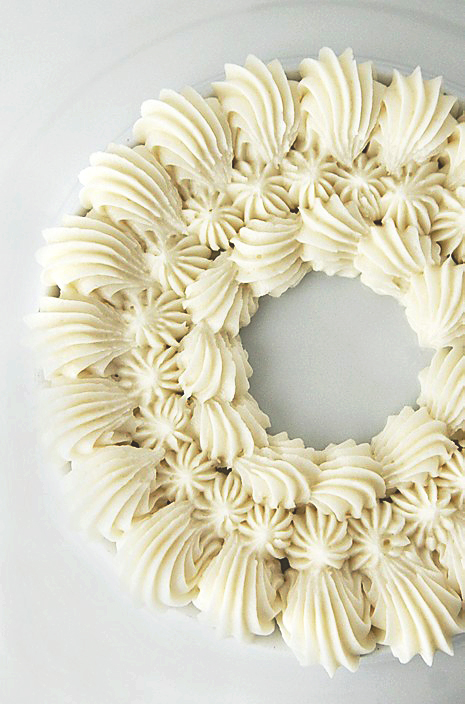
Credit: savorysweetlife.com
Frequently Asked Questions
Can I Make Buttercream Without Powdered Sugar?
Yes, you can make buttercream using granulated sugar or honey. Adjust the texture by blending sugar finely or using a syrup for smoothness.
What Substitutes Work For Powdered Sugar In Buttercream?
Granulated sugar, honey, or maple syrup can replace powdered sugar. Use finely ground sugar or syrup to maintain smooth consistency in buttercream.
How To Achieve Smooth Buttercream Without Powdered Sugar?
Blend granulated sugar into a fine powder or use syrup alternatives. Whip butter and liquids well to create a creamy, smooth buttercream texture.
Is Homemade Buttercream Without Powdered Sugar Safe To Store?
Yes, store homemade buttercream in an airtight container. Keep it refrigerated and use within 3-5 days for freshness and safety.
Conclusion
Making buttercream icing without powdered sugar is simple and fun. You only need a few common ingredients. This method lets you enjoy fresh, smooth icing anytime. It’s perfect for cakes, cupcakes, and other treats. Try it at home and see how easy it is.
No special sugar needed. Your desserts will taste just as sweet and creamy. Keep experimenting to find your favorite flavor and texture. Baking can be simple and delicious with this easy recipe. Enjoy your homemade buttercream icing today!