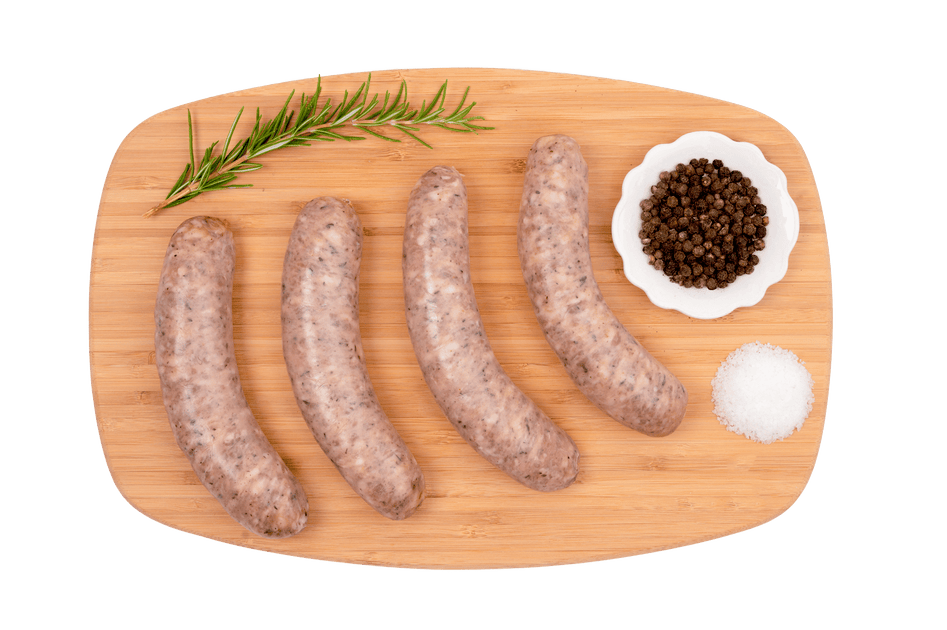
Are you wondering if you can freeze hog casings to keep them fresh longer? If you’ve ever worked with casings for homemade sausages, you know how important it is to store them properly.
Freezing might seem like an easy solution, but is it really safe? You’ll discover the best way to freeze hog casings without ruining their quality. Keep reading to learn the simple steps that will help you save money and avoid waste, so your next sausage-making project turns out perfect every time.
Why Freeze Hog Casings
Freezing hog casings is a smart choice if you want to keep them fresh and ready for your next sausage-making adventure. These natural casings can spoil quickly if left at room temperature or even in the fridge for too long. Freezing helps you preserve their quality without the pressure to use them immediately.
Benefits Of Freezing
Freezing hog casings slows down the growth of bacteria and prevents spoilage. This means you can store them safely for several months without losing their texture or flavor.
Another benefit is convenience. By freezing casings in portion-sized bundles, you can thaw only what you need. This reduces waste and saves money.
Freezing also maintains the elasticity of the casings. This is crucial because you want your sausages to have a nice snap and hold their shape well.
When To Freeze Casings
Freeze hog casings as soon as you bring them home if you don’t plan to use them within a few days. Fresh casings last only about a week in the fridge.
If you buy casings in bulk, freezing right away prevents them from drying out or developing an unpleasant smell. Always rinse them thoroughly before freezing to remove excess salt and debris.
Ask yourself: Are you planning to make sausages in the next few days? If not, freezing is the best way to keep your casings fresh and ready for whenever inspiration strikes.
Preparing Casings For Freezing
Preparing hog casings for freezing ensures they stay fresh and safe for future use. Proper preparation removes unwanted residues and preserves texture. Clean casings freeze better and prevent spoilage during storage.
Cleaning And Rinsing
Start by soaking the casings in cool water for about 30 minutes. This softens them and makes cleaning easier. Gently run water through the casings to flush out any dirt inside. Use your fingers to rub the surface lightly, removing any stuck particles. Rinse until the water runs clear and the casings feel smooth.
Removing Salt And Debris
Most hog casings come salted to preserve them. Soaking in water removes this salt and prevents a salty taste. Change the water several times during soaking to wash away salt and debris. For stubborn bits, use a soft brush to clean the casings gently. Make sure to rinse thoroughly, leaving no salt or dirt behind before freezing.
Best Freezing Methods
Freezing hog casings properly is key to preserving their quality and making sure they stay safe to use later. Choosing the right freezing method can save you from waste and frustration when you’re ready to make sausages again. Let’s look at some effective ways to freeze hog casings so they stay fresh and ready for your next cooking adventure.
Packaging Techniques
Good packaging is your first defense against freezer burn and spoilage. Start by rinsing the hog casings thoroughly to remove excess salt or debris.
Wrap the casings tightly in plastic wrap or place them inside a sealable freezer bag. Press out as much air as possible before sealing.
Label the package with the date so you can keep track of how long they’ve been frozen. This simple step helps you avoid using old or degraded casings unknowingly.
Using Vacuum Sealers
Vacuum sealing is a game-changer for freezing hog casings. Removing all the air creates a tight seal that significantly slows down freezer burn and dehydration.
If you have a vacuum sealer, use it to package your casings individually or in small portions. This way, you only thaw what you need without exposing the rest to air.
Many sausage makers swear by vacuum sealing because it maintains the texture and flexibility of the casings much better than other methods.
Alternative Wrapping Options
Don’t have a vacuum sealer? No problem. You can use layers of aluminum foil combined with plastic wrap as an alternative.
Start by wrapping the casings in a layer of plastic wrap, then add a layer of foil for extra protection. This double layer helps block moisture and freezer odors.
Another option is freezer paper, which has a plastic coating on one side to help prevent moisture loss. Whichever option you choose, make sure the casings are sealed tightly to avoid air exposure.
Credit: shop.overseacasing.com
Storage Duration And Conditions
Proper storage of hog casings is important to keep them fresh and safe for use. Knowing the right freezer conditions and storage time helps maintain their quality. Freezing hog casings slows down bacteria growth and preserves texture. Careful handling before freezing also makes a difference.
Ideal Freezer Temperature
Set your freezer to 0°F (-18°C) or lower. This temperature keeps hog casings frozen solid and safe. Avoid temperature changes to prevent freezer burn. Use airtight packaging like vacuum-sealed bags or heavy-duty freezer bags. Remove as much air as possible to stop freezer damage.
How Long Casings Last Frozen
Hog casings can last up to 6 months in the freezer. Beyond this, quality and texture may decline. Label packages with the date before freezing. Use older casings first to avoid waste. Thaw casings slowly in the refrigerator for best results. Never refreeze thawed casings to keep safety and quality intact.
Thawing Hog Casings Safely
Thawing hog casings safely is essential to maintain their quality and prevent any food safety issues. Improper thawing can lead to damage or bacterial growth, which affects the texture and taste of your sausages. Understanding the right methods to thaw hog casings helps you get the best results every time you prepare your sausages.
Recommended Thawing Methods
The safest way to thaw hog casings is slowly in the refrigerator. This keeps the casings at a consistent, safe temperature and minimizes the risk of bacterial growth.
- Place the frozen casings in a sealed plastic bag to avoid contamination.
- Allow them to thaw overnight or for about 12-24 hours in the fridge.
- If you need them faster, submerge the sealed bag in cold water, changing the water every 30 minutes until thawed.
Microwaving or leaving casings out at room temperature to thaw can cause uneven thawing and increase the risk of spoilage.
Avoiding Damage During Thawing
Hog casings are delicate and can tear easily if handled improperly during thawing. Avoid rough handling or squeezing the casings too hard.
- Keep the casings moist by wrapping them in a damp cloth during thawing.
- Do not use hot water or rapid thawing, as this can weaken the structure.
- Once thawed, gently rinse the casings under cool water before use to remove excess salt or debris.
Have you ever noticed your casings tearing during stuffing? This often happens because they dried out or were thawed too quickly. Treating them gently will save you from frustrating sausage-making moments.

Credit: www.familybalancesheet.org
Common Mistakes To Avoid
Freezing hog casings might seem simple, but many people stumble on avoidable errors. These mistakes can ruin the texture, safety, and taste of your casings, leaving you frustrated. Knowing what to avoid helps you keep your casings fresh and ready for your next sausage-making adventure.
Improper Cleaning
Skipping thorough cleaning before freezing is a big pitfall. Leftover salt, fat, or debris can cause off-flavors and even spoilage during storage.
Rinse your casings well under cold water, removing any residue. Imagine biting into a sausage with a strange aftertaste because you didn’t clean the casings properly—definitely not worth it.
Incorrect Packaging
Many assume wrapping casings in any plastic is enough, but that’s far from true. Air exposure leads to freezer burn, drying out the casings and affecting their elasticity.
Use airtight, vacuum-sealed bags or heavy-duty freezer bags. Remove as much air as possible before sealing. Have you ever found freezer-burned meat? It’s just as damaging to casings.
Refreezing Risks
Refreezing thawed casings is tempting if you thaw too much at once, but it weakens the structure and promotes bacterial growth.
Only freeze casings in portions you plan to use entirely. Think about how often you’ve defrosted and refrozen food—does it taste or feel the same afterward? Your hog casings deserve better care.
Tips For Maintaining Casings Quality
Preserving the quality of hog casings is crucial for sausage making. Freezing can help extend their shelf life. Proper handling is key to maintaining their texture and usability. Learn effective tips to ensure your casings remain fresh and ready for use.
Handling Frozen Casings
Thaw frozen casings in the refrigerator overnight. This slow thawing preserves their integrity. Avoid using hot water to speed up the process. This can damage the casings. Gently rinse them in cold water before use. This removes any excess salt or ice crystals. Pat them dry with a clean cloth.
Signs Of Spoilage
Check for an off smell when you open the package. Spoiled casings often emit a strong odor. Look for any discoloration or slimy texture. These are signs of spoilage. If in doubt, discard the casings to ensure food safety.

Credit: www.familybalancesheet.org
Frequently Asked Questions
Can You Freeze Hog Casings Safely?
Yes, you can freeze hog casings safely. Wrap them tightly in plastic wrap or vacuum-seal them. Store in the freezer for up to six months to maintain quality and prevent spoilage.
How Should Hog Casings Be Prepared Before Freezing?
Rinse hog casings thoroughly with cold water before freezing. Remove excess salt if packed in brine. Dry them gently and wrap tightly to avoid freezer burn.
Will Freezing Affect The Texture Of Hog Casings?
Freezing hog casings may slightly change texture but generally maintains quality. Proper wrapping prevents freezer burn and preserves their elasticity for sausage making.
How Long Can Hog Casings Be Frozen?
Hog casings can be frozen for up to six months. Beyond this, quality and texture may decline. Always check for off-odors or discoloration before use.
Conclusion
Freezing hog casings helps keep them fresh for longer. Wrap them tightly to avoid freezer burn. Thaw slowly in the fridge before use. This method saves time and reduces waste. Proper storage keeps casings safe and ready. Try freezing to make sausage making easier.
Simple steps lead to better results every time.