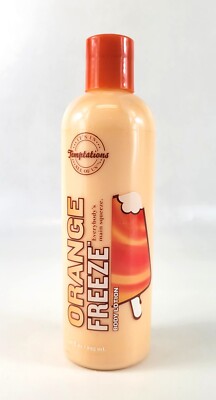
Have you ever left your lotion outside on a chilly night and wondered, “Does lotion freeze?” It’s a simple question, but the answer can affect how you care for your skin and store your favorite products. If you’ve ever found your lotion feeling thick or clumpy, you might be dealing with freezing or something similar.
Understanding what happens to lotion in cold temperatures can help you keep your skin smooth and your lotions working just right. Keep reading to discover the truth about lotion and freezing, and learn how to protect your skincare investment.
Lotion Composition
The composition of lotion plays a crucial role in determining whether it freezes or not. Understanding what goes into your lotion helps you grasp how it reacts under cold temperatures. Let’s break down the main components that define lotion’s behavior.
Key Ingredients
Lotion typically contains water, oils, emulsifiers, and sometimes preservatives or fragrances. Each ingredient has a specific function that affects texture and stability. Have you ever noticed how some lotions feel heavier while others absorb quickly? That difference usually comes down to the ingredient mix.
Water Content Role
Water is the primary ingredient in most lotions, often making up 60-80% of the formula. Since water freezes at 0°C (32°F), lotions with higher water content are more prone to freezing in cold environments. However, the presence of other substances can lower the freezing point, meaning your lotion might not freeze solid but could become thicker or separate.
Oil And Emulsifiers
Oils in lotion provide moisture and create a barrier on your skin. They don’t freeze easily, which helps prevent the entire lotion from solidifying. Emulsifiers blend water and oil together, keeping the lotion smooth and stable. Without strong emulsifiers, water and oil separate, especially when chilled. Have you ever seen your lotion split after being left in the cold? That’s often due to weak emulsifiers struggling to hold the mixture together.

Credit: www.thetimes.com
Freezing Point Basics
Understanding the freezing point basics helps explain if lotion freezes. The freezing point is the temperature where a liquid turns solid. For lotions, this depends on many factors. These include the lotion’s ingredients and how they interact with cold.
Freezing can change the lotion’s texture and effectiveness. Knowing what causes freezing helps prevent damage during cold weather. It also guides how to store lotion safely.
What Causes Freezing
Freezing happens when the lotion’s temperature drops below its freezing point. Water inside the lotion forms ice crystals. These crystals can break down the lotion’s smooth texture.
The amount of water affects freezing. More water means a higher chance of freezing. Other factors like air exposure and container type also play a role.
Effect Of Ingredients On Freezing
Lotion ingredients change its freezing point. Water-based lotions freeze easier than oil-based ones. Oils lower the freezing point, making lotion freeze less quickly.
Common ingredients that affect freezing:
- Water – freezes at 0°C (32°F)
- Oils and waxes – freeze below water’s freezing point
- Alcohols and glycerin – lower freezing point further
Ingredients like glycerin keep lotion soft even in cold. This stops the lotion from becoming hard or grainy.
Temperature Thresholds
Each lotion has a different freezing temperature. Most water-based lotions freeze near 0°C (32°F). Oil-based lotions freeze at much lower temperatures.
Below are typical temperature ranges:
| Lotion Type | Freezing Point Range |
|---|---|
| Water-based Lotion | 0°C to -5°C (32°F to 23°F) |
| Oil-based Lotion | -10°C to -20°C (14°F to -4°F) |
| Lotion with Glycerin or Alcohol | -5°C to -15°C (23°F to 5°F) |
Keeping lotion above these temperatures protects it from freezing. Store lotion in cool but not freezing places for best results.
Does Lotion Actually Freeze?
Many wonder if lotion can freeze like water. The answer is not simple. Lotion has water, oils, and other ingredients. These elements affect its freezing point. Freezing depends on lotion type and storage conditions. Understanding this helps protect your lotion from damage.
Common Household Scenarios
Lotion often stays in bathrooms or bedrooms. These places usually do not get very cold. But if you leave lotion outside in winter, it may freeze. Another place is a car during cold nights. Car interiors can drop below freezing. This may cause lotion to freeze or become thick.
Variations Among Types
Lotions vary by formula. Some have more water, others more oils. Water-rich lotions freeze easier because water turns to ice at 32°F (0°C). Lotions with oils and creams freeze at lower temperatures. Some lotions contain antifreeze ingredients. These lower the freezing point. Check the label for ingredients like glycerin or alcohol. They help lotion resist freezing.
Signs Of Frozen Lotion
Frozen lotion looks different. It may become lumpy or grainy. Texture changes from smooth to rough. When thawed, lotion might separate. Oil and water parts split apart. The scent could change or fade. If lotion feels hard or stiff, it may be frozen. Using frozen lotion can irritate skin. Always check lotion condition after cold exposure.
Impact Of Freezing On Lotion
Lotion can freeze in very cold temperatures, causing its texture to change. Freezing may separate ingredients, making the lotion less smooth and harder to apply. Once thawed, some lotions might not feel the same as before.
When the temperatures drop and you’re left wondering if your lotion can handle a chilly environment, it’s important to understand the impact freezing can have on your favorite skincare products. While lotions are designed to hydrate and protect your skin, exposing them to freezing conditions can alter their properties significantly. Here’s a closer look at what happens when lotion freezes and how it affects its usability.Texture Changes
Freezing can dramatically change the texture of your lotion. Imagine reaching for a bottle of your favorite lotion only to find it feeling grainy or uneven. This texture change occurs because the emulsion in the lotion can crystallize when exposed to cold temperatures. Once thawed, the lotion may not return to its original smoothness. This can be disappointing, especially if you enjoy the feel of a silky, luxurious lotion on your skin.Effect On Efficacy
Does freezing affect how well your lotion works? Unfortunately, yes. The active ingredients in lotions, such as moisturizers and essential oils, can become less effective after freezing. When ingredients separate, they might not blend back to the original formulation, reducing the lotion’s ability to hydrate your skin effectively. Imagine expecting soft, supple skin only to find your lotion isn’t quite doing the job anymore.Separation And Consistency
Freezing can also cause separation in your lotion. Water and oil-based components may separate, creating a consistency that is hard to remedy. This separation can lead to a watery or oily layer on top, making it difficult to use the lotion evenly. If you’ve ever found yourself shaking a bottle or stirring a jar of lotion in hopes of combining the ingredients, you know how frustrating this can be. Understanding these impacts can help you decide whether to risk freezing your lotion or find alternative storage solutions. Have you noticed any changes in your lotions during the winter? How do you ensure your skincare products stay effective all year round?Storage Tips To Prevent Freezing
Proper storage of lotion helps keep its texture and effectiveness. Freezing can ruin the lotion, causing it to separate or change color. Taking simple steps prevents freezing and keeps lotion safe to use. Here are some storage tips to avoid freezing.
Ideal Temperature Range
Lotion stays best between 50°F and 77°F (10°C to 25°C). Temperatures below 50°F risk freezing the lotion. Avoid storing lotion in places that get very cold. Keep it away from direct sunlight or heat sources. Stable, moderate temperatures protect lotion from damage.
Best Storage Locations
- Inside a bathroom cabinet away from windows
- In a bedroom drawer or shelf
- On a vanity table in a room with controlled temperature
- Kitchen cabinets that stay cool but not cold
Places that do not have temperature swings work best. Avoid garages, basements, or porches during cold months. These areas may expose lotion to freezing temperatures.
Travel And Outdoor Considerations
During travel, keep lotion in insulated bags to maintain warmth. Avoid leaving lotion in cars overnight during cold weather. When camping or hiking, store lotion in a sleeping bag or insulated container. Protect lotion from freezing by placing it near body heat or inside warm clothing.
Reviving Frozen Lotion
Finding your lotion frozen can be frustrating, especially when you rely on it daily. But before you toss it out, there’s a good chance you can bring it back to life. Understanding how to safely thaw and restore your lotion can save you money and reduce waste.
Safe Thawing Methods
Never use direct heat like a microwave or stove to thaw frozen lotion—it can ruin the formula. Instead, let it thaw slowly at room temperature. Placing the lotion container in a bowl of lukewarm water speeds up thawing without overheating.
Make sure the container is tightly sealed to prevent water from getting in. Avoid shaking the lotion vigorously while thawing; gentle stirring after it’s fully thawed is better. Have you tried this with your frozen lotion before?
Restoring Texture
Once thawed, lotion may separate or look grainy. You can restore its smooth texture by stirring gently with a clean spoon or spatula. If the lotion feels too thick, adding a few drops of distilled water and mixing slowly can help.
Remember, avoid adding anything harsh like alcohol or oils, which might break the formula. If you notice lumps that won’t mix back, your lotion might be beyond saving. How often do you check your lotion’s texture before use?
When To Discard
Frozen lotion isn’t always salvageable. If it smells off, changes color, or the texture remains clumpy after thawing, it’s safer to throw it away. Using compromised lotion could irritate your skin or reduce effectiveness.
Consider your skin’s health before deciding to keep or discard. Would you risk irritation just to save a bottle? Sometimes, replacing the lotion is the better choice for your skin’s well-being.
Myths About Lotion Freezing
Lotion freezing is a topic surrounded by many myths that can confuse even the most cautious skincare enthusiasts. People often wonder if their favorite lotion will lose its effectiveness or texture after freezing. Let’s clear up some common misunderstandings and look at the facts so you can better care for your skincare products.
Common Misconceptions
Many believe that lotion freezes the same way water does, turning solid and unusable. However, lotions contain oils and emulsifiers that lower their freezing point, making them less likely to freeze solid in a typical home freezer.
Another myth is that once lotion freezes, its ingredients separate and become ineffective. While texture might change temporarily, most lotions regain their original consistency after warming up. Have you ever noticed your lotion feels grainy after being in a cold car? That’s a temporary change, not a sign of spoilage.
Lotion Vs Other Skincare Products
Lotion behaves differently than water-based products like toners or serums. For instance, pure water-based skincare products freeze quickly and can be damaged by freezing. Lotions, with their blend of water and oils, resist freezing better but can still experience texture changes.
Ointments and balms, which are mostly oil-based, rarely freeze solid because oils have much lower freezing points. This means your healing balms or thick creams are safer to store in colder environments than lotions.
Scientific Facts
Lotion is an emulsion—a mix of water and oil stabilized by emulsifiers. This combination prevents it from freezing at 32°F (0°C) like pure water. Instead, lotions freeze at much lower temperatures, often below typical household freezer conditions.
When lotion does freeze, ice crystals can form and disrupt the emulsion temporarily. However, gentle warming and shaking usually restore it. Scientific studies show that freezing does not kill the active ingredients, so your lotion remains effective.
So, why worry about lotion freezing? Understanding its composition helps you store it properly and avoid unnecessary product waste. Have you checked where you keep your lotion during winter or while traveling? Your routine might need a small tweak to keep your skincare performing at its best.

Credit: www.kitchenparade.com
Credit: butlerhemp.co
Frequently Asked Questions
Does Lotion Freeze At Low Temperatures?
Lotion can freeze if exposed to temperatures below 32°F (0°C). Freezing changes its texture and consistency. However, most lotions thaw without losing effectiveness.
How Does Freezing Affect Lotion Quality?
Freezing can cause lotion to separate or become grainy. This may impact its smooth application but usually doesn’t harm the moisturizing properties.
Can Frozen Lotion Still Be Used Safely?
Yes, frozen lotion is safe once thawed completely. Shake or mix it well before use to restore its original texture.
What Ingredients In Lotion Freeze Easily?
Water-based ingredients freeze quickly, causing lotion to solidify. Oils and emulsifiers lower the freezing point, making some lotions more resistant to freezing.
Conclusion
Lotion can freeze in very cold places. Freezing may change how lotion looks and feels. It might become thick or separate. Most lotions still work after thawing. Store lotion in a cool, dry spot. Avoid leaving lotion outside in winter.
Keep your skin soft by using lotion properly. Watch for changes in lotion after cold exposure. Taking care of lotion helps keep it fresh. Simple steps can protect your lotion’s quality.