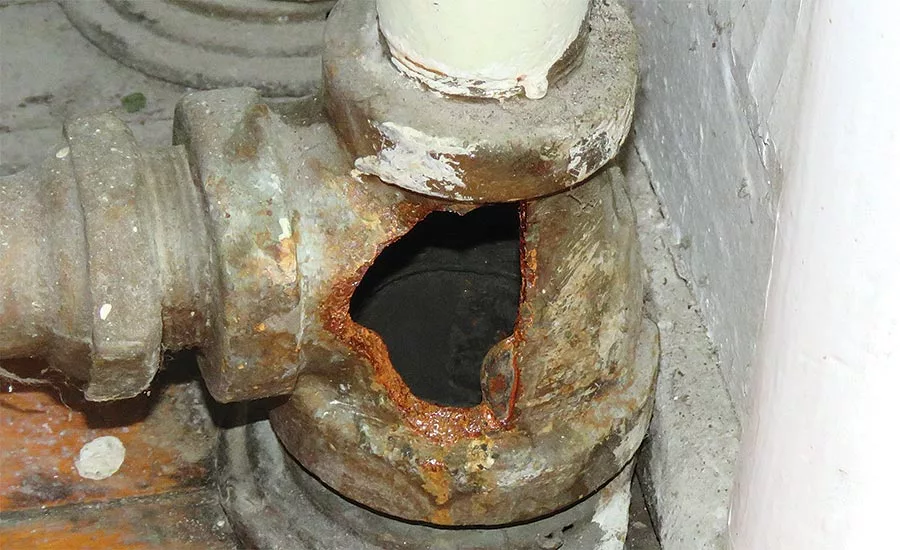
Have you ever wondered how quickly your pipes can freeze when the temperature drops? Knowing exactly how long it takes for a pipe to freeze can save you from costly repairs and major headaches.
Imagine waking up to no water or worse, a burst pipe flooding your home. This article will help you understand the critical timeline and signs to watch for, so you can protect your home before it’s too late. Keep reading to learn the facts that every homeowner needs to know about frozen pipes.
Factors Affecting Pipe Freezing Time
Understanding how long it takes for a pipe to freeze isn’t just about the temperature outside. Several key factors play a role in speeding up or slowing down the freezing process. Knowing these can help you take smarter precautions to protect your plumbing before the cold hits.
Pipe Material And Thickness
The type of material your pipes are made from greatly affects freeze time. Metal pipes like copper conduct cold faster, which means they freeze quicker than plastic pipes such as PVC or PEX. Also, thicker pipes hold more water and resist freezing longer than thinner pipes.
Have you noticed that older homes with metal pipes often have more freeze issues? That’s because metal’s high conductivity transfers cold rapidly, making it easier for ice to form inside.
Water Temperature Inside The Pipe
Water already close to freezing will solidify much faster than water that’s warmer. If water is running or has recently been used, it tends to stay warmer and delays freezing. On the other hand, standing water that’s been sitting still for hours in a cold pipe is a prime candidate for freezing.
Try this: think about pipes in your home that rarely see water flow, like those in a guest bathroom. They often freeze first because the water inside cools down without movement.
Ambient Temperature Conditions
The outside temperature is a major factor, but it’s not just the number on the thermometer. Wind chill and humidity levels can accelerate or slow down freezing. For example, a 20°F day with strong winds can freeze pipes faster than a calm 15°F day.
Have you ever felt that biting wind that seems to chill you to the bone? Pipes exposed to such conditions experience similar harshness, speeding up ice formation inside.
Pipe Insulation And Exposure
Pipes wrapped in insulation or located inside walls freeze much more slowly. Insulation acts as a barrier, keeping cold air away from the pipe surface. On the flip side, pipes exposed in unheated spaces like crawl spaces, garages, or attics freeze quickly.
Ask yourself: Are your outdoor or basement pipes insulated? Adding foam sleeves or heat tape can make a big difference in preventing freeze-ups.
Airflow Around The Pipe
Moving air around a pipe can cool it faster, especially if it’s cold air. Pipes near vents, open windows, or gaps that let chilly drafts in are more vulnerable. Conversely, stagnant air or pipes tucked away in tight spaces tend to stay warmer longer.
Think about your home’s layout—do cold drafts sneak through cracks near your plumbing? Blocking these airflow paths can help protect your pipes from freezing.

Credit: prosnearby.co.uk
Typical Time Frames For Pipe Freezing
Understanding the typical time frames for a pipe to freeze can help you act quickly and prevent costly damage. The freezing speed depends on several factors, including the pipe material and its location. Knowing these details lets you prepare better during cold spells and protect your home effectively.
Freezing In Metal Pipes
Metal pipes, such as copper or steel, conduct cold much faster than other materials. This means they can start freezing within 1 to 2 hours when exposed to freezing temperatures. If you’ve ever felt how cold a metal pipe gets quickly after a drop in temperature, you know how fast ice can form inside.
Metal pipes lose heat rapidly, especially if they’re uninsulated. This makes them more vulnerable to freezing in chilly environments. Have you checked if your metal pipes have insulation during winter? It could make a big difference.
Freezing In Plastic Pipes
Plastic pipes, like PVC or PEX, are less conductive and take longer to freeze—often 3 to 4 hours or more. Their insulating properties slow down the freezing process, giving you a bit more time to react. However, if the cold lasts for an extended period, plastic pipes will freeze too.
In my experience, plastic pipes hidden inside walls or under floors freeze much less frequently. This is because they are shielded from direct exposure to cold air. Are your plastic pipes exposed, or tucked away where they stay warmer?
Impact Of Outdoor Vs Indoor Location
Where the pipe is located plays a huge role in how fast it freezes. Outdoor pipes can freeze within an hour or two once the temperature drops below freezing. Indoor pipes, especially those in heated or insulated areas, take much longer or may not freeze at all.
Think about your outdoor hose bib or sprinkler system. Those pipes are exposed and freeze quickly in cold weather. Meanwhile, pipes inside your home’s walls or basement usually stay protected. Have you mapped out which pipes are most at risk in your home?
Signs Of Pipes Starting To Freeze
Pipes freezing can cause severe damage and costly repairs. Knowing the signs helps prevent problems. Early detection is key to avoiding frozen pipes.
Reduced Water Flow
A sudden drop in water pressure signals freezing pipes. Watch for slower water flow from faucets. This is an early warning sign. Blockages form as ice expands inside pipes. This reduces the space for water to pass through.
Frost Formation On Pipes
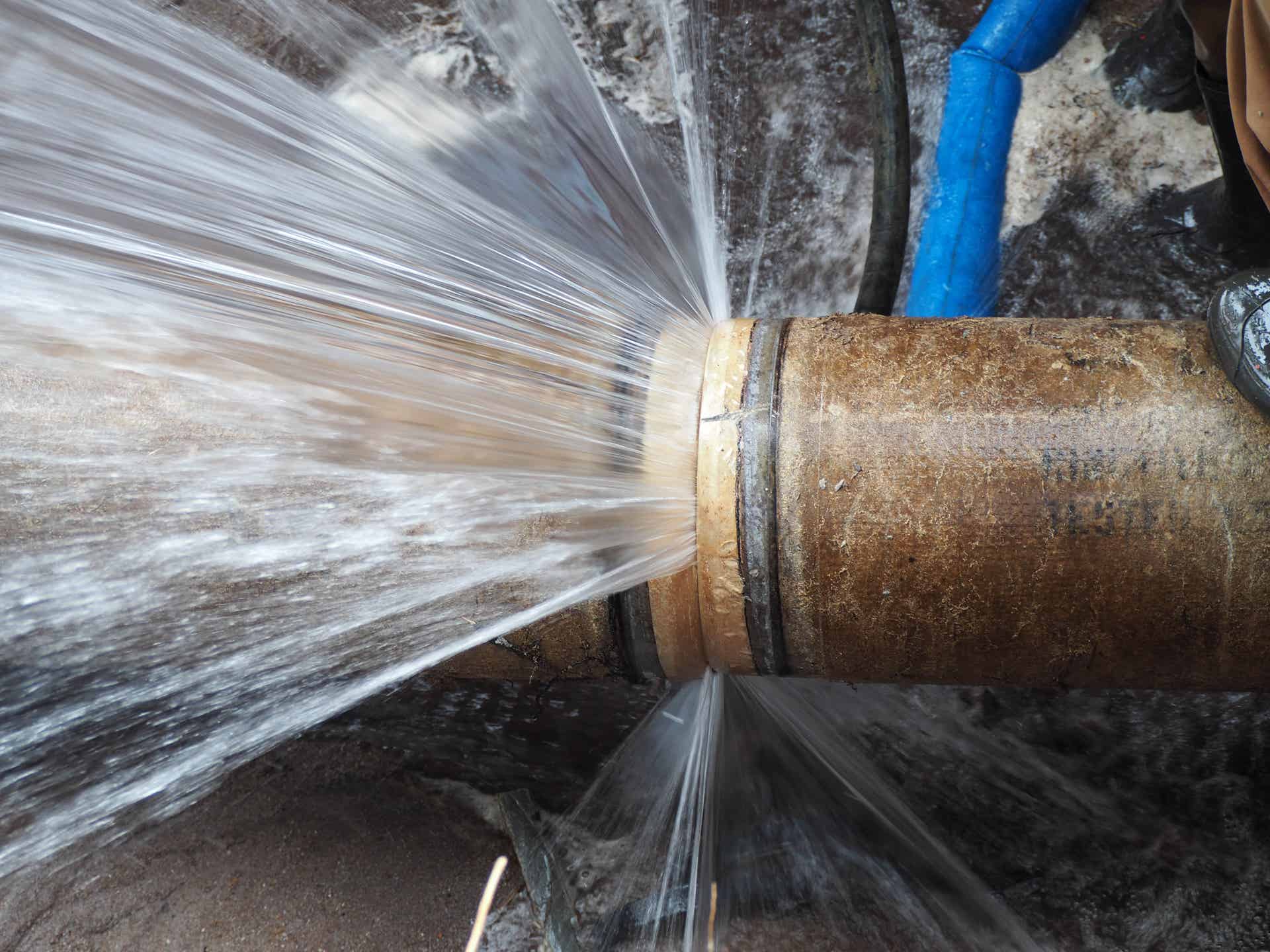
Frost on pipes is a clear sign of freezing. Inspect exposed pipes in cold areas. Basements, attics, and garages are common locations. Look for a white, icy coating on the pipe surface. It indicates the pipe’s internal temperature is at or below freezing.
Temperature Drops Near Pipes
Cold temperatures around pipes increase freezing risk. Check the ambient temperature near your pipes. Use a thermometer for accurate readings. Temperatures below 32 degrees Fahrenheit are dangerous for pipes. Consider insulating pipes in these conditions.
Credit: www.servpro.com
Preventing Pipes From Freezing
Preventing pipes from freezing is crucial to avoid costly repairs and water damage. Pipes can freeze quickly in cold conditions, sometimes within a few hours, especially if they are exposed to freezing air. Taking proactive steps can save you from unexpected plumbing nightmares.
Proper Insulation Techniques
Insulating your pipes is one of the simplest and most effective ways to keep them from freezing. Use foam pipe sleeves or fiberglass wrap to cover exposed pipes, especially those in unheated areas like basements, attics, or crawl spaces.
Don’t forget to check for gaps or worn insulation. Adding insulation around water heaters and pipes can maintain warmth longer than you might expect.
Maintaining Water Flow
Did you know that letting your faucets drip slightly can prevent pipes from freezing? Moving water doesn’t freeze as easily as still water.
Even a slow drip from a faucet connected to vulnerable pipes can reduce the chance of ice forming inside the pipe. This small action can make a big difference during freezing nights.
Heating Solutions For Vulnerable Pipes
Electric heat tape or heat cables are effective tools for warming pipes at risk. These devices wrap around pipes and generate low-level heat to keep water flowing.
Make sure to follow manufacturer instructions carefully to avoid fire hazards. If you have pipes in hard-to-reach places, heating solutions can offer peace of mind when temperatures drop.
Sealing Leaks And Drafts
Cold air sneaking in through cracks and gaps can chill your pipes quickly. Check around windows, doors, and where pipes enter walls to seal leaks with caulk or spray foam.
Sealing drafts not only protects pipes but also improves your home’s overall energy efficiency. Have you ever noticed how a tiny draft can turn a warm room into an icy corner? Fixing those spots helps keep pipes and your home warmer.
What To Do When Pipes Freeze
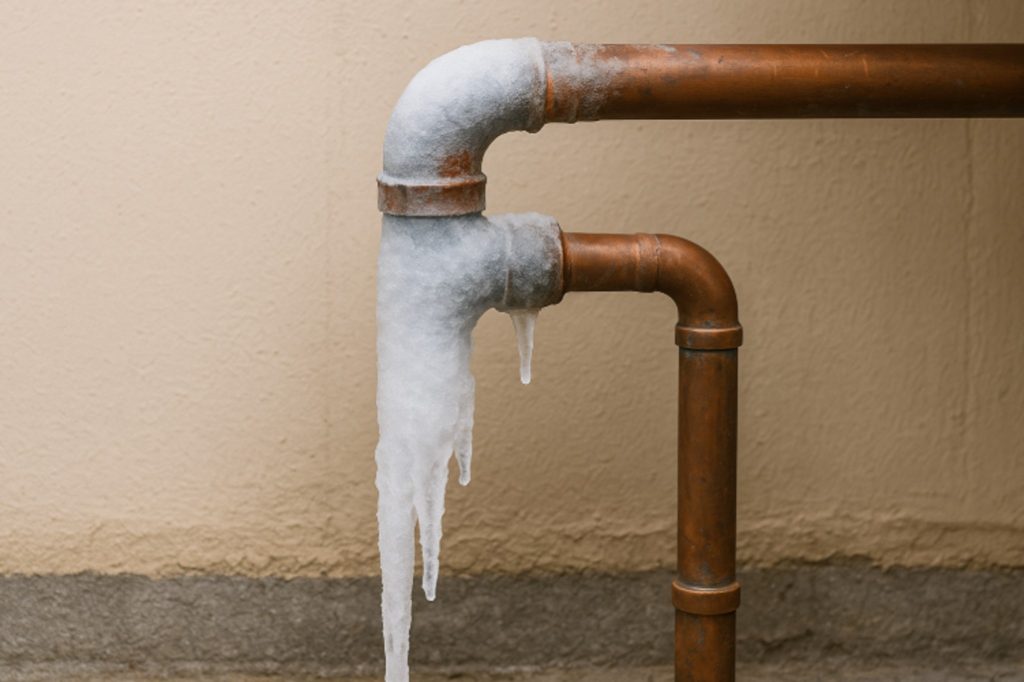
Frozen pipes cause big problems fast. Acting quickly is important to stop damage. Knowing safe ways to thaw pipes helps protect your home. Avoiding common mistakes keeps pipes intact. Sometimes, expert help is the best choice. Here’s what to do when pipes freeze.
Safe Thawing Methods
Use gentle heat to thaw frozen pipes. Try these safe options:
- Wrap pipes with a warm towel or cloth.
- Use a hairdryer on low heat, moving constantly.
- Apply a heating pad around the pipe.
- Turn on faucets to allow water flow as pipes warm.
Avoid open flames or high heat sources. These can cause pipe damage or fire risks.
Avoiding Pipe Damage
Take care not to crack pipes during thawing. Follow these tips:
- Never use a blowtorch or open flame.
- Do not pour boiling water directly on pipes.
- Check pipes regularly for leaks or bulges.
- Keep heat sources steady and moderate.
Slow and steady warmth prevents pipe bursts and costly repairs.
When To Call A Professional
Some situations need expert help to avoid bigger problems:
- Pipe bursts or leaks appear after thawing.
- Frozen pipes are hard to reach or inside walls.
- Thawing efforts do not work after several hours.
- Multiple pipes freeze at once or in harsh cold.
Plumbers have tools and knowledge to fix frozen pipes safely.
Credit: californiacoastplumbers.com
Frequently Asked Questions
How Quickly Can Water Pipes Freeze In Cold Weather?
Water pipes can freeze within 1 to 4 hours in freezing temperatures. Factors like pipe material, insulation, and outdoor exposure affect freezing speed. Pipes in unheated areas freeze faster. Monitoring temperature and insulating pipes help prevent freezing and costly damage.
What Factors Affect The Freezing Time Of Pipes?
Pipe freezing time depends on temperature, pipe material, insulation, and location. Metal pipes freeze faster than plastic. Pipes in unheated spaces freeze quicker. Wind chill and moisture also speed up freezing. Proper insulation and heat sources slow down freezing time.
Can Running Water Prevent Pipes From Freezing?
Yes, running water helps prevent freezing by keeping water moving. Even a slow drip reduces pressure build-up and ice formation. This method is effective in mildly freezing conditions. However, it may not prevent freezing during extreme cold without insulation.
How Does Pipe Insulation Impact Freezing Time?
Insulation significantly slows pipe freezing by trapping heat. It maintains warmer pipe temperatures even in cold weather. Foam sleeves, fiberglass wraps, or heat tape improve insulation. Properly insulated pipes can take much longer to freeze, reducing burst risk.
Conclusion
Pipes can freeze quickly in very cold weather. Knowing how fast this happens helps you stay safe. Cold air, pipe material, and water flow all affect freezing time. Taking simple steps can protect your pipes from damage. Stay alert when temperatures drop below freezing.
Preventing frozen pipes saves you time and money. Act early to avoid costly repairs and water loss. Keep your home warm and pipes insulated. Small efforts now prevent big problems later.