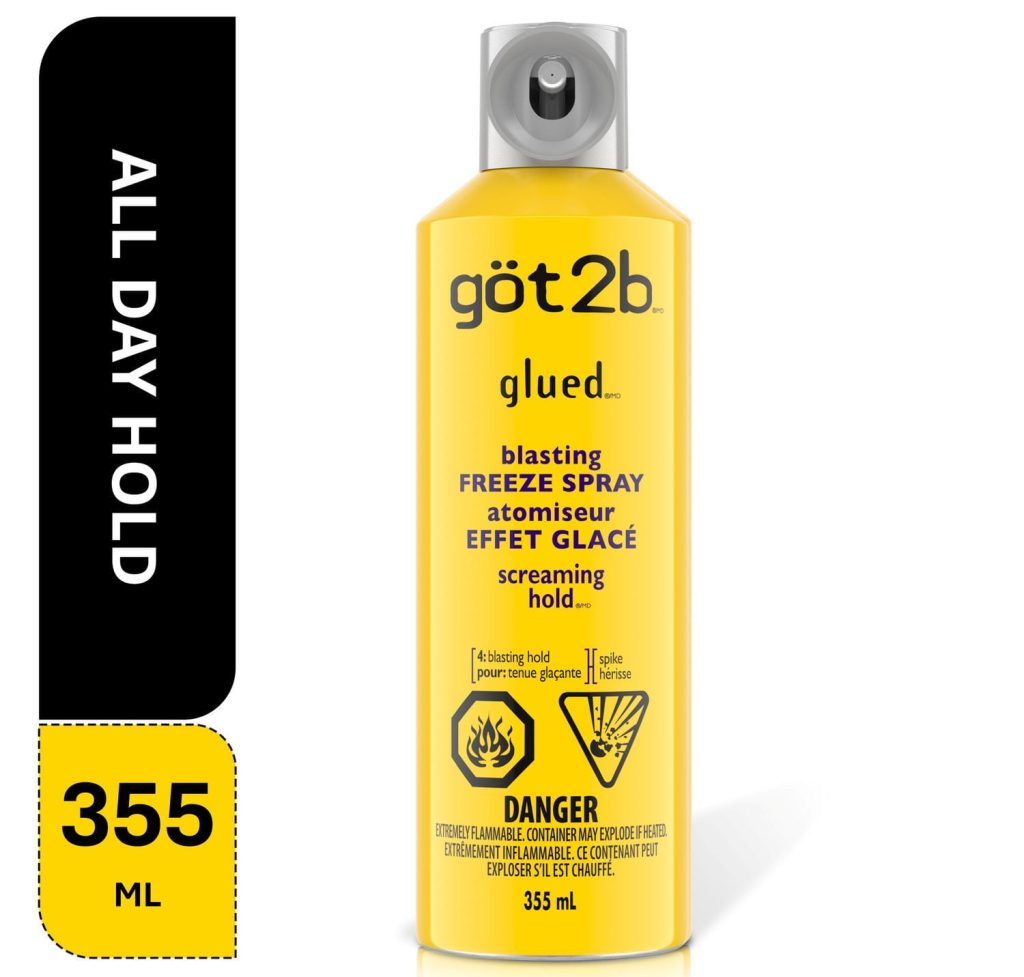
Have you ever wondered what happens if your glue freezes? Maybe you left a bottle out in the cold or your project was delayed by winter weather.
You might be asking yourself, “Can glue freeze, and if it does, will it still work? ” Understanding this can save you time, money, and frustration. You’ll discover the surprising truth about glue and freezing temperatures—plus tips to keep your glue in perfect condition.
Keep reading to make sure your next project goes smoothly, no matter the season.
How Glue Reacts To Cold
Glue behaves differently in cold temperatures. Its reaction depends on the type of glue and its ingredients. Cold can slow down glue’s drying process or cause it to freeze. Understanding these effects helps in storing and using glue properly during winter or in cold places.
Chemical Composition And Temperature
Most glues contain water, solvents, and polymers. Low temperatures affect these components in unique ways.
- Water-based glues can freeze because water expands and turns solid.
- Synthetic glues with solvents may resist freezing but become thick or less sticky.
- Polymers can stiffen as temperature drops, reducing flexibility.
Each glue type reacts based on its chemical makeup. This determines if it will freeze or just slow down.
Physical Changes When Frozen
Freezing changes glue’s texture and usability.
- Glue may become hard and clumpy after freezing.
- It might lose its smooth flow, making application difficult.
- Once thawed, glue can separate or lose bonding power.
Cold can weaken glue’s strength, causing it to fail in bonding tasks.
Credit: www.shopltk.com
Types Of Glue And Freezing
Understanding how different types of glue react to freezing can save you from ruined projects and wasted materials. Not all glues respond the same way to cold temperatures, and knowing which ones can withstand freezing can help you store your supplies better and avoid unexpected messes. Let’s look closely at how common glue types behave when exposed to freezing conditions.
Pva And White Glues
PVA (polyvinyl acetate) and white glues are water-based adhesives commonly used for woodworking, paper crafts, and school projects. Freezing these glues can cause the water content to separate from the adhesive, leading to a grainy texture and reduced bonding strength. Have you ever tried using glue that just wouldn’t stick after being left in a cold garage? That’s usually the effect of freezing.
If you accidentally freeze PVA glue, gently warming it to room temperature and stirring might restore some usability. However, the glue’s original strength rarely fully returns, so it’s best to store these glues in a cool, but not freezing, place.
Epoxy And Super Glue
Epoxy and super glue (cyanoacrylate) are known for their strong, quick bonds and chemical formulas that differ from water-based glues. Freezing epoxy resins and hardeners separately generally doesn’t harm them, but mixing and then freezing can affect curing and performance. Super glue, on the other hand, can last longer when stored in the freezer unopened because cold slows down its curing process inside the bottle.
Think about your last epoxy project—did you notice any difference in curing time or bond strength after storing your materials in cold conditions? Proper storage can extend shelf life, but once mixed, epoxy should be used promptly. Super glue benefits from freezer storage but must be sealed tightly to avoid moisture contamination.
Hot Glue And Craft Adhesives
Hot glue sticks are solid at room temperature and melt when heated, making freezing less of a concern. Freezing hot glue sticks won’t damage them, but applying cold glue sticks directly to a heated glue gun can cause inconsistent flow. Craft adhesives like rubber cement or spray adhesives often contain solvents that may separate or become less effective after freezing.
Do you store your hot glue sticks in the fridge or freezer to keep them fresh? It’s usually unnecessary and might even cause issues with melting. Instead, keep them at room temperature away from direct sunlight for optimal performance.
Effects Of Freezing On Glue Performance
Freezing can change glue’s texture and reduce its stickiness. Some glues become brittle or separate when frozen. Thawed glue might not bond as well as before.
The effects of freezing on glue performance can be significant. Glue, like many substances, undergoes changes when exposed to extreme cold. These changes can affect its ability to bond materials effectively. Understanding these effects is essential for anyone using glue in cold environments.Adhesion Strength After Thawing
Freezing can reduce glue’s adhesion strength. Once thawed, glue may not bond as effectively. The bonding agents in glue might separate or weaken. This can lead to poor adhesion on surfaces. Users might notice materials not sticking as well after freezing. In some cases, the glue might not work at all.Texture And Consistency Changes
Freezing can alter glue’s texture and consistency. It might become thicker or lumpy. These changes make application difficult. The glue may not spread evenly on surfaces. Users might find the glue less smooth and harder to use. This affects the overall quality of the bonding process.
Credit: cosmeticworld.ca
How To Store Glue Properly
Storing glue properly helps keep it usable for a long time. Glue can lose its stickiness or become thick if stored wrongly. Knowing the right place and temperature can save your glue and money.
Ideal Temperature Ranges
Glue works best when kept in moderate temperatures. Most glues stay stable between 50°F and 75°F (10°C to 24°C). Avoid places that are too hot or too cold. High heat can dry glue inside the container. Cold can cause glue to freeze and lose its texture.
Preventing Glue From Freezing
Freezing changes glue’s consistency and makes it hard to use. Store glue in a room that does not get below 50°F (10°C). Avoid keeping glue in garages or sheds during winter. Use insulated containers if you need to store glue outside. Always seal the glue container tightly to stop moisture from getting in.
Tips For Reviving Frozen Glue
Frozen glue can lose its stickiness and become hard to use. Reviving it properly saves money and reduces waste. Knowing the right steps helps restore glue to a usable state safely. Handle frozen glue with care to keep its bonding power intact.
Safe Thawing Methods
Thaw frozen glue slowly at room temperature. Avoid heat sources like microwaves or stoves. Sudden heat can damage glue’s chemical structure.
Place the glue container in a bowl of warm water. Keep water below 100°F (38°C). Stir gently after some time to help even warming.
Seal the glue tightly to prevent moisture from entering during thawing. Moisture can spoil glue quality quickly.
When To Replace Frozen Glue
Check glue texture after thawing. If it feels grainy or lumpy, it may be unusable. Glue that does not mix smoothly loses effectiveness.
Strong chemical smell or unusual color signals spoilage. Avoid using glue with these signs.
Test glue on a small surface before major projects. Poor bonding means replacement is necessary.
Common Myths About Freezing Glue
Many people wonder if freezing glue helps preserve it. Several myths surround this topic, causing confusion. It is important to separate fact from fiction to handle glue properly.
Freezing glue does not always work as expected. Some believe it extends shelf life, while others question if frozen glue remains usable. Understanding these myths helps avoid mistakes and wasted products.
Does Freezing Extend Shelf Life?
Freezing does not significantly extend glue’s shelf life. Most glues contain water or chemicals that may separate or clump when frozen. This can ruin the glue’s texture and bonding power.
Manufacturers usually recommend storing glue at room temperature. Extreme cold or heat can damage the product. Freezing might slow down chemical reactions but often harms glue’s quality.
Is Frozen Glue Still Usable?
Frozen glue may not work as well after thawing. Some types become grainy or hard to spread. Others lose their stickiness completely.
Thawed glue might not stick properly or dry unevenly. Testing a small amount before major use is wise. If the glue feels different or clumpy, it’s better to replace it.

Credit: www.amazon.com
Frequently Asked Questions
Can Glue Freeze And Still Work Properly?
Yes, glue can freeze, but its effectiveness may reduce. Freezing can alter the glue’s consistency and bonding ability. Always check the product label for storage instructions to maintain glue quality and performance.
How Does Freezing Affect Glue’s Adhesive Strength?
Freezing can weaken glue’s adhesive strength by changing its chemical structure. Thawed glue might not bond as strongly as fresh glue. Proper storage at room temperature is recommended to preserve glue strength.
Can Frozen Glue Be Thawed And Reused Safely?
Yes, frozen glue can be thawed and reused if not damaged. Thaw slowly at room temperature and mix well before use. If glue consistency changes or it clumps, it’s best to replace it.
What Types Of Glue Are Most Vulnerable To Freezing?
Water-based and white glues are most vulnerable to freezing. These glues can separate or become lumpy after freezing. Solvent-based glues usually tolerate cold better but check specific product guidelines.
Conclusion
Glue can freeze in very cold temperatures. Freezing may change its texture and stickiness. Some types of glue handle cold better than others. Store glue in a cool, dry place to keep it fresh. Avoid leaving glue outside in freezing weather.
If glue freezes, warm it slowly before use. Check glue’s condition before starting any project. Taking care of glue helps it work well longer. Small steps keep your glue ready when you need it. Simple care prevents waste and saves money.