
Are you wondering how to keep your sauerkraut fresh and tasty for longer? Freezing sauerkraut is a simple trick that can save you time and reduce waste.
Imagine having your favorite tangy crunch ready whenever you want, without rushing to use it up. In this guide, you’ll discover easy steps to freeze sauerkraut the right way, so it keeps its flavor and texture. Keep reading to learn how to make your sauerkraut last and enjoy it anytime!
Choosing Sauerkraut For Freezing
Choosing the right sauerkraut for freezing is more important than you might think. The quality you start with directly affects how well it will hold up in the freezer. Paying attention to freshness, texture, and flavor will ensure you enjoy your sauerkraut long after freezing.
Selecting Fresh Or Store-bought Sauerkraut
You can freeze both homemade and store-bought sauerkraut, but each has its own considerations. Freshly made sauerkraut often has a brighter, tangier flavor that freezes well and can be a real treat later. If you choose store-bought, look for brands without added preservatives or artificial flavors, as these can change texture when frozen.
Think about how long the sauerkraut has been sitting in your fridge. Freezing sauerkraut that is already old or overly sour may not improve its taste or texture. Do you want a mild or strong fermented flavor after freezing? This choice will guide your selection.
Checking Texture And Flavor
Before freezing, check your sauerkraut’s texture carefully. It should feel crisp, not mushy or slimy. Freezing tends to soften foods, so starting with firm sauerkraut helps maintain some crunch after thawing.
Taste a small spoonful. Is the flavor balanced, or does it taste too salty or sour? Freezing can mute flavors, so sauerkraut that’s overly sharp might turn unpleasant. Adjusting the seasoning before freezing can save you from disappointment later.
Remember, your freezer won’t improve sauerkraut’s quality—it only preserves what you put in. Have you ever been surprised by how frozen foods turned out after thawing? Choosing the right sauerkraut upfront minimizes that risk.
Preparing Sauerkraut For Freezing
Preparing sauerkraut for freezing is a simple but crucial step to keep its flavor and texture intact. How you handle it before freezing can make a big difference in taste when you thaw it later. Let’s look at two key parts of this process that many people overlook but I found essential after a few trial runs.
Draining Excess Liquid
Excess liquid in sauerkraut can turn icy and watery when frozen, which affects the texture. Before freezing, pour the sauerkraut into a fine mesh strainer or cheesecloth and let it drain for 10-15 minutes. You want it moist but not swimming in juice.
If you skip this step, your sauerkraut might become mushy once thawed. Remember, the brine holds flavor, so don’t squeeze it all out—just enough to avoid ice crystals forming.
Portioning Sauerkraut
Freezing sauerkraut in portions makes it easier to use later without thawing the entire batch. Think about how much you usually use in a meal and separate it accordingly.
- Use airtight freezer bags or containers to keep it fresh.
- Label each portion with the date to track freshness.
- Flatten bags to save space and speed up thawing.
Have you ever thawed a huge block of sauerkraut only to waste half? Portioning helps avoid that hassle and keeps your meals convenient.
Packaging Techniques
Seal sauerkraut tightly in an airtight container or freezer bag to prevent freezer burn. Leave some space for expansion before freezing. Label the package with the date for easy tracking.
Freezing sauerkraut extends its shelf life while preserving its tangy flavor. Proper packaging is key to maintaining its quality. By using the right techniques, you can ensure your sauerkraut stays fresh and delicious. Let’s explore some effective packaging methods.Using Freezer-safe Containers
Choose durable, freezer-safe containers for storing sauerkraut. Glass jars with tight lids work well. Plastic containers designed for freezing also suffice. Ensure containers are clean and dry before use. Leave some space at the top for expansion. This prevents containers from cracking.Vacuum Sealing Options
Vacuum sealing offers an airtight solution. It minimizes air exposure, keeping sauerkraut fresh longer. Use a vacuum sealer device for best results. Place sauerkraut in a suitable bag. Seal tightly, removing excess air. This method reduces the risk of freezer burn.Labeling And Dating
Label each container clearly. Use waterproof labels if possible. Include the date of freezing. This helps track freshness. Stored sauerkraut is best used within 6 months. Keeping track ensures you enjoy it at its best.
Credit: www.homemademastery.com
Freezing Process
Freezing sauerkraut is a smart way to extend its shelf life and keep its tangy flavor ready for your next meal. But the freezing process needs a bit of care to preserve the crunch and taste you love. Let’s break down the essentials that will help you freeze sauerkraut effectively without losing its quality.
Optimal Freezing Temperature
Keeping sauerkraut at the right temperature in your freezer is key. Aim for a steady temperature of 0°F (-18°C) or lower. This keeps the sauerkraut frozen solid and prevents any thawing and refreezing that can make it mushy.
Remember, a consistent temperature preserves the natural probiotics better. Fluctuating temps can cause the texture to change and the flavor to weaken. Do you check your freezer’s thermometer regularly? It’s a simple habit that makes a big difference.
Avoiding Freezer Burn
Freezer burn can ruin your sauerkraut’s flavor and texture, leaving it dry and tough. To avoid this, pack the sauerkraut tightly in airtight containers or heavy-duty freezer bags. Removing as much air as possible helps prevent ice crystals from forming.
Label your containers with the date to keep track of freshness. Also, try not to store it in the freezer for more than 3 months. This keeps your sauerkraut tasting fresh and vibrant whenever you thaw it.
Thawing Sauerkraut
Thawing sauerkraut properly helps keep its taste and texture fresh. It prevents spoilage and keeps the good bacteria alive. Careful thawing makes your sauerkraut ready to enjoy in salads or cooking.
Safe Thawing Methods
Place frozen sauerkraut in the refrigerator. Let it thaw slowly for 12 to 24 hours. This method keeps the sauerkraut at a safe temperature.
You can thaw sauerkraut in a bowl of cold water. Make sure the container is sealed tightly. Change the water every 30 minutes until thawed.
Avoid thawing sauerkraut at room temperature. It can grow harmful bacteria quickly. Always keep it cold during the thawing process.
Maintaining Flavor And Texture
Drain excess liquid after thawing to avoid soggy sauerkraut. Gently press the sauerkraut to remove water but do not squeeze hard.
Use thawed sauerkraut quickly within 3 to 4 days. Keep it refrigerated in a sealed container to keep flavor strong.
Reheat sauerkraut gently on low heat. High heat can change its flavor and make it mushy.
Using Frozen Sauerkraut
Using frozen sauerkraut opens up a world of convenience without sacrificing flavor. Once thawed, sauerkraut maintains much of its tangy crunch and probiotic goodness, making it a versatile ingredient in your kitchen. Knowing how to handle it after freezing can help you make the most of your stored batch.
Cooking Ideas
Frozen sauerkraut works great in cooked dishes where its texture can blend seamlessly. Try adding it to soups, stews, or casseroles for a sour punch that balances rich flavors. It’s perfect in traditional recipes like sauerkraut and sausage or as a topping on baked potatoes.
Another tasty option is mixing thawed sauerkraut into scrambled eggs or omelets for a quick, tangy breakfast. You can even stir it into grain bowls or pasta dishes to add a probiotic boost and a bit of zest.
Adjusting Recipes For Frozen Sauerkraut
Since freezing can soften the sauerkraut’s crunch, you might want to adjust your recipes accordingly. If your dish relies on that crisp texture, add frozen sauerkraut toward the end of cooking to preserve some bite. For recipes where sauerkraut is cooked thoroughly, you can add it earlier just like fresh sauerkraut.
Also, frozen sauerkraut may release extra liquid when thawed. Drain it well before using to avoid watery dishes. This simple step helps maintain the right consistency in your meals.
Have you tried swapping fresh for frozen sauerkraut in your favorite recipe? You might find it just as satisfying and a lot more convenient for busy days.
Troubleshooting Tips
Freezing sauerkraut can be a fantastic way to enjoy its tangy flavor long after the jar is opened. However, it’s not without its quirks. You might notice some texture or odor changes that could catch you off guard. Here are some troubleshooting tips to help you maintain the quality and taste of your frozen sauerkraut.
Dealing With Texture Changes
Freezing sauerkraut often softens its crispness. This happens because the water inside the cabbage cells expands and breaks cell walls during freezing. If you prefer a crunchier texture, try thawing the sauerkraut in the refrigerator slowly rather than at room temperature.
Once thawed, drain excess liquid gently to avoid sogginess. You can also briefly toss it in a hot pan to regain some firmness before adding it to your dishes. Have you noticed that sauerkraut sometimes feels mushy after freezing? Adjusting your thawing method can make a big difference.
Preventing Odor Issues
Sauerkraut has a strong aroma that can intensify in the freezer. To prevent your freezer from smelling like a fermentation factory, use airtight containers or heavy-duty freezer bags. Removing as much air as possible helps keep odors contained and the sauerkraut fresh.
If you do detect unwanted smells, try placing a small bowl of baking soda in the freezer to absorb odors. Also, consider freezing sauerkraut separately from other strong-smelling foods. How often do you check your freezer for mixed odors? Managing storage can help keep everything smelling just right.
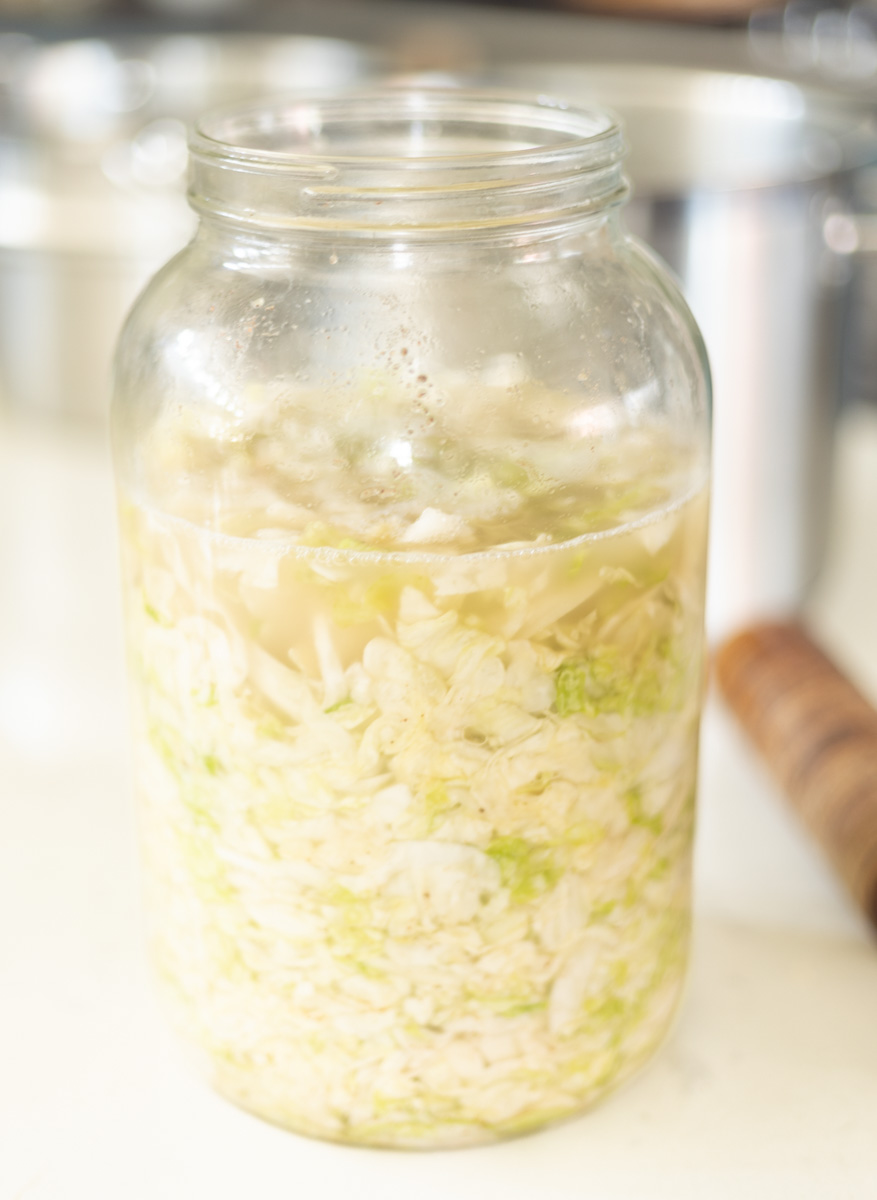
Credit: hopewellheightsblog.com

Credit: newsukraine.rbc.ua
Frequently Asked Questions
How Long Can You Freeze Sauerkraut Safely?
Sauerkraut can be frozen for up to 6 months without losing quality. Proper sealing and airtight containers help prevent freezer burn. Always label with the freezing date to track freshness.
Does Freezing Affect Sauerkraut’s Texture And Flavor?
Freezing may slightly soften sauerkraut’s texture but preserves its tangy flavor. Thawed sauerkraut remains tasty for cooking or direct consumption. It’s best used within a few days after thawing for optimal taste.
What Is The Best Way To Freeze Sauerkraut?
Use airtight freezer-safe containers or heavy-duty freezer bags to freeze sauerkraut. Remove excess air to prevent freezer burn. Portion into smaller servings for easier thawing and use. Label with date before freezing.
Can Frozen Sauerkraut Be Eaten Raw After Thawing?
Yes, you can eat thawed sauerkraut raw, but texture may be softer. It’s still safe and flavorful. For a crunchier texture, drain excess liquid before eating or use it in cooked dishes.
Conclusion
Freezing sauerkraut keeps it fresh and tasty for months. Use clean containers or freezer bags to avoid freezer burn. Label each package with the date before freezing. Thaw sauerkraut slowly in the fridge for best flavor. Frozen sauerkraut works well in cooked dishes like soups or stews.
Enjoy your preserved sauerkraut anytime without waste. Simple steps protect your sauerkraut’s crunch and tang. Freezing saves money and reduces food waste too. Try freezing your sauerkraut and see how easy it is!