Have you ever wondered if your PEX pipes can freeze and burst when the temperature drops? If you’re relying on PEX for your plumbing, this question is crucial.
Frozen pipes can cause major damage and costly repairs. But does PEX, known for its flexibility, offer better protection against freezing? You’ll discover the truth about PEX pipes in cold weather, how to protect your plumbing, and simple steps you can take to avoid a disaster.
Keep reading to ensure your home stays safe and your pipes stay intact.
Pex Pipe Basics
Pex pipes have become a popular choice in plumbing due to their flexibility and durability. Understanding the basics of Pex pipes helps you make informed decisions about their use, especially when worrying about freezing and bursting. Let’s look at what makes Pex pipes unique and where they are commonly applied.
Material Properties
Pex stands for cross-linked polyethylene. This material is a type of plastic that has been chemically treated to improve its strength and temperature resistance.
The flexibility of Pex allows it to expand slightly under pressure, which can help reduce the risk of bursting compared to rigid pipes. It also resists corrosion and scale buildup, making it last longer in various water conditions.
However, Pex is not completely immune to freezing. It can handle cold temperatures better than metal pipes but still has limits. Have you checked how cold your pipes might get during winter?
Common Uses
Pex pipes are widely used in residential plumbing for both hot and cold water supply lines. Their ease of installation saves time and labor, as they can bend around corners without needing many fittings.
- Radiant floor heating systems often rely on Pex because it withstands high temperatures and pressure.
- They are also common in remodeling projects where running new rigid pipes would be difficult.
- Some outdoor irrigation systems use Pex pipes due to their durability and flexibility.
If you’ve ever installed or repaired a Pex pipe, you probably noticed how much easier it is compared to copper. Does your current plumbing setup take advantage of these benefits?
Freezing Risks For Pex
Freezing risks for PEX pipes matter a lot in cold climates. Water inside pipes can freeze and expand. This expansion may cause damage. Understanding how PEX reacts helps prevent costly repairs. It also guides safe installation and use in winter.
How Pex Reacts To Cold
PEX pipes are flexible and can handle cold better than some pipes. They can stretch a little when water freezes inside. This flexibility reduces the chance of bursting. Still, PEX is not completely safe from freezing damage.
If water inside freezes for a long time, pressure builds up. This pressure can crack or split the pipe. PEX pipes may kink or deform under extreme cold. Proper insulation is necessary to protect them during winter.
Comparison With Other Pipes
| Pipe Type | Flexibility in Cold | Risk of Burst | Best Use in Cold Areas |
|---|---|---|---|
| PEX | High | Lower | Good with insulation |
| Copper | Low | High | Needs careful protection |
| PVC | Moderate | Moderate | Use with extra care |
PEX pipes show better resistance to freezing than copper or PVC. Copper pipes can burst easily due to rigid walls. PVC pipes can crack but may tolerate cold better than copper. Choosing the right pipe helps reduce freezing risks.
Signs Of Pex Freezing
Pex pipes may feel very cold or stiff if freezing starts. Watch for low water flow or strange noises in pipes. Cracks or leaks often appear after the ice melts.
Understanding the signs of PEX freezing can save you from big problems. This knowledge helps in taking timely action to avoid damage. Freezing can lead to bursting pipes, which is a common issue in colder climates. Recognizing early signs ensures you prevent costly repairs.Visible Indicators
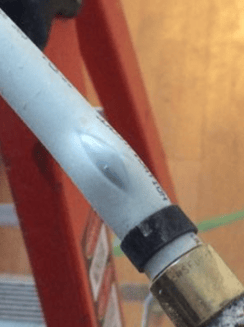
Visible signs can indicate freezing in PEX pipes. Look for frost or condensation on the pipes. This suggests the pipe’s temperature is below freezing. Swelling or bulging sections are also red flags. These changes occur due to water expanding as it freezes. Cracks or splits in PEX pipes are critical signs. They show that freezing has caused structural damage.Water Flow Issues
Water flow problems often hint at PEX freezing. If water flow slows or stops, suspect a freeze. Sudden drops in water pressure are another clue. This results from ice blocking the pipe. Listen for unusual sounds in the plumbing system. Gurgling or whistling noises can mean ice is interfering with water flow. These issues need immediate attention to prevent pipe bursts.
Credit: www.reddit.com
Bursting Potential
Understanding the bursting potential of PEX pipes is crucial if you want to protect your plumbing during freezing conditions. While PEX is more flexible than traditional pipes, it’s not completely immune to bursting. Knowing where and how pressure builds up inside these pipes can help you take the right precautions.
Pressure Build-up
When water inside a PEX pipe freezes, it expands and creates pressure. This pressure doesn’t just push outward; it builds up between the frozen section and a closed valve or fitting.
If the pressure gets too high, the pipe can burst at its weakest point. Have you ever noticed a pipe burst right near a fitting? That’s usually because the pressure had nowhere else to go.
Keeping valves open slightly or draining pipes in cold weather can reduce this pressure build-up. It’s a simple step that can save you from costly repairs.
Weak Points In Pex
PEX pipes are flexible, but they do have weak spots. These are often at connections, bends, or where the pipe rubs against a sharp surface.
Experience shows that burst pipes often happen near fittings or areas with improper support. This is because stress concentrates there, especially when pressure spikes during freezing.
Inspect your PEX plumbing for any signs of wear or loose fittings. Reinforcing these weak points before winter can prevent bursts and keep your home safe.
Preventive Measures
Preventing PEX pipes from freezing and bursting is essential in cold climates. Taking simple steps can protect your plumbing and avoid costly repairs. Focus on keeping the pipes insulated, warm, and installed correctly. These measures reduce the risk of damage during winter months.
Insulation Techniques
Insulating PEX pipes helps keep cold air away. Use foam pipe sleeves or insulation tape for exposed pipes. Wrap insulation tightly around the pipes, especially in unheated areas like basements or crawl spaces. Seal gaps to prevent drafts. Proper insulation slows heat loss and stops freezing.
Maintaining Heat
Keeping the surrounding area warm prevents pipe freezing. Maintain a steady indoor temperature above 55°F (13°C) in rooms with plumbing. Open cabinet doors under sinks to allow warm air circulation. Use space heaters safely if needed in cold, unheated areas. Let faucets drip slightly during extreme cold to keep water moving.
Proper Installation Tips
Correct installation reduces freeze risks. Avoid running PEX pipes through exterior walls or unheated spaces. Install pipes with a slight slope for drainage. Use sleeves or conduit when pipes must cross cold areas. Secure pipes firmly to prevent movement and damage. Follow local building codes and manufacturer guidelines for best results.

Credit: www.reddit.com
Emergency Actions
Emergency actions are vital to protect PEX pipes from freezing and bursting. Quick response can save costly repairs and water damage. Recognizing signs and acting safely helps prevent pipe failure. Stay calm and follow simple steps to handle frozen PEX pipes.
Detecting Frozen Sections
Look for areas where water flow stops or slows suddenly. Check exposed pipes for frost or ice buildup. Feel pipes for cold spots or unusual hardness. Listen for strange noises like cracking or popping. Monitor water temperature at faucets; cold water may signal a freeze.
Safe Thawing Methods
Apply gentle heat to frozen pipe areas. Use a hair dryer or heat lamp at a safe distance. Wrap pipes with warm towels soaked in hot water. Avoid open flames or high heat to prevent damage. Keep faucets open to allow melted water to flow out. Thaw pipes gradually to reduce burst risk.
Long-term Protection
Protecting PEX pipes from freezing and bursting ensures your plumbing lasts longer. Taking steps for long-term care reduces costly repairs and water damage. Regular attention helps spot issues early and maintain system integrity.
Routine Inspection
Check PEX pipes regularly for signs of wear or damage. Look for cracks, bulges, or frost buildup during cold months. Inspect pipe connections and joints for leaks or corrosion. Early detection prevents small problems from becoming severe.
Keep an eye on areas exposed to cold air or poor insulation. Pipes near windows, exterior walls, or unheated spaces are vulnerable. Use a flashlight to see hidden spots clearly. Schedule inspections before winter to prepare your plumbing.
Upgrading Plumbing Systems
Replace old or damaged pipes with modern PEX tubing to improve durability. Newer PEX materials resist freezing better than traditional metals. Consider thicker insulation around pipes in unheated areas. Use heat tape or pipe sleeves to maintain warmth.
Investing in a smart thermostat helps control indoor temperature and protects pipes. Professional plumbers can recommend system upgrades tailored to your home. Upgrades reduce the risk of pipe bursts and extend plumbing lifespan.

Credit: garynsmith.net
Frequently Asked Questions
Can Pex Pipes Freeze In Cold Weather?
Yes, PEX pipes can freeze if exposed to extreme cold. However, they are more flexible and resistant to bursting compared to metal pipes. Proper insulation and maintaining home heat can prevent freezing and damage.
How Likely Is Pex Pipe To Burst When Frozen?
PEX pipes are less likely to burst than copper or PVC when frozen. Their flexibility allows expansion under ice pressure. Still, prolonged freezing can cause damage, so precautions are essential.
What Causes Pex Pipes To Burst During Freezing?
PEX pipes burst mainly due to water expansion when frozen. If ice forms inside, pressure builds and may rupture the pipe. Proper insulation and heat prevent freezing and bursting risks.
How Can I Prevent Pex Pipes From Freezing?
Insulate PEX pipes, especially in unheated areas. Keep home temperatures above freezing. Use heat tape or pipe sleeves for extra protection in cold zones.
Conclusion
Pex pipes can freeze, but they resist bursting better than metal pipes. Still, freezing can cause damage if water expands inside. Protect your pipes by keeping them warm during cold weather. Insulate exposed pipes and let faucets drip on freezing nights.
Taking these steps helps avoid costly repairs and water damage. Stay safe and keep your plumbing working smoothly all winter long.