
When freezing temperatures hit, a frozen well can bring your water supply to a sudden stop. Imagine waking up to no water for your daily needs—that’s not just inconvenient, it can turn into a costly problem fast.
But you don’t have to wait for that to happen. By taking a few simple steps, you can protect your well from freezing and keep your water flowing all winter long. Keep reading to discover easy, effective ways to safeguard your well and avoid the headaches that come with a frozen water source.
Signs Of A Freezing Well
Knowing the signs of a freezing well is crucial to prevent damage and ensure a steady water supply through winter. You might not notice the problem until it’s too late, so recognizing early symptoms can save you time and money. Let’s look at what to watch for and why these signs matter.
Common Symptoms
You may start with a drop in water pressure or no water flow at all. Sometimes the water might come out in spurts or appear cloudy and cold beyond normal. Strange noises near the well pump, like banging or grinding, can also signal freezing issues.
Check your pipes and the ground around your well for frost or ice buildup. If you feel the pipes are unusually cold to the touch or see cracks in the casing, these are red flags. Even slow leaks can freeze quickly and cause bigger problems.
Potential Risks
A frozen well can lead to costly repairs, including burst pipes and damaged pumps. You might find yourself without water for days in freezing weather, which can disrupt daily life and even damage your home’s plumbing system.
Have you considered how a frozen well could affect your emergency preparedness? If your well freezes during a storm or power outage, you could lose access to water when you need it most. Early detection helps you avoid these risks and maintain peace of mind throughout winter.

Credit: www.youtube.com
Insulating Your Well
Insulating your well is one of the most effective ways to prevent it from freezing during cold weather. Proper insulation creates a barrier that keeps cold air out and retains the heat within the well structure. This simple step can save you from costly repairs and water supply interruptions.
Materials To Use
Choosing the right materials makes all the difference. Common insulation options include foam pipe insulation, fiberglass wraps, and insulated well covers.
- Foam pipe insulation:Easy to install and affordable, it fits snugly around pipes and prevents heat loss.
- Fiberglass wraps:Ideal for extremely cold climates, they offer excellent thermal resistance but require protective outer layers to prevent moisture damage.
- Insulated well covers:Designed specifically for wellheads, these covers shield the well from cold winds and snow buildup.
Have you ever tried using household items for insulation? Sometimes, even old blankets or straw can add an extra layer of warmth in a pinch.
Insulation Techniques
How you apply insulation can be just as important as what you use. Start by clearing any debris or moisture around the well to ensure materials stick properly.
Wrap insulation tightly around exposed pipes and the well casing. Overlap seams to avoid gaps where cold air can enter.
- Secure insulation with weather-resistant tape or zip ties to keep it in place throughout winter.
- Use insulated well covers to protect the wellhead, especially if it’s above ground.
- Consider building a small wooden box around the wellhead and filling it with straw or foam for extra protection.
Have you noticed how a small draft can chill you quickly? The same happens to your well. Sealing every possible entry point of cold air is key.
Think about your local climate—do you need to add heat tape inside the insulation? Sometimes combining methods gives you the best protection.
Maintaining Water Flow
Maintaining water flow in your well is key to preventing freezing during cold weather. Moving water resists freezing better than still water, so keeping it flowing can protect your well system. Small adjustments in how you manage water flow can make a big difference.
Trickle Method
Letting your tap drip slowly can keep water moving just enough to prevent ice from forming. This small, continuous flow helps maintain pressure in the pipes and avoids freezing.
Try to keep the drip steady rather than a full stream. Too much water waste isn’t necessary and a slow drip works just as well.
Have you checked if your local water rates make this method cost-effective? Sometimes, the small water bill increase is worth avoiding costly repairs.
Pump Usage Tips
If your well has a pump, running it periodically can keep water circulating. Avoid letting the pump run constantly, as this can cause wear and increase energy costs.
Instead, turn the pump on at intervals to move water through the pipes. This strategy balances keeping water flowing and protecting your equipment.
Consider installing a timer for your pump to automate this process. It ensures consistent water movement without you having to remember to turn it on and off.
Protecting External Components
Protecting the external parts of your well is crucial to prevent freezing during cold weather. These components are often the first to face harsh conditions, and neglecting them can lead to costly repairs and water supply interruptions. Taking simple, effective steps to shield these elements can save you time and money.
Covering Pipes
Exposed pipes are vulnerable to freezing, which can cause cracks or bursts. You can wrap them with foam pipe insulation sleeves or use heat tape designed for outdoor pipes.
Make sure to cover every inch of the pipe, especially joints and bends where cold air can sneak in. Adding a weather-resistant plastic cover over the insulation can provide an extra layer of protection against moisture.
Have you checked the condition of your pipe insulation lately? Even old or damaged coverings can let cold air through, defeating the purpose of protection.
Securing The Well Cap
The well cap seals the top of your well and keeps out debris, insects, and cold air. Ensuring it fits tightly and is in good condition is key to preventing cold drafts.
If the cap is loose or cracked, cold air can enter and chill the well casing, increasing the risk of freezing. Use weatherproof sealant or replace the cap if necessary.
Adding a layer of insulation around the wellhead, such as foam boards or insulated blankets, can help maintain warmth. Have you ever felt a draft near your well? That’s a sign your well cap might need attention.
Using Heat Sources Safely
Using heat sources to keep your well from freezing can be a reliable solution, but safety must come first. Heat helps prevent ice buildup around your well components, ensuring water flow remains uninterrupted during cold spells. However, improper use of heating devices can create hazards or cause damage, so it’s important to understand how to use them correctly.
Heating Cables
Heating cables are designed specifically to prevent freezing in pipes and wells. They wrap around pipes or sit alongside them, generating gentle heat to keep the water flowing.
Choose cables rated for outdoor use and designed for water applications. Look for self-regulating cables—they adjust their heat output based on temperature, which helps save energy and prevents overheating.
Always follow manufacturer instructions when installing heating cables. Avoid overlapping the cables, as this can cause them to overheat and fail.
Safe Heating Practices
To protect your well and your home, never leave heating devices unattended without proper monitoring. Use a thermostat or timer to control when the heat turns on and off, reducing energy waste and fire risk.
Keep electrical connections dry and away from water sources. Use ground-fault circuit interrupters (GFCIs) to prevent electrical shock, especially in damp environments.
Ask yourself: Have you checked your heating devices for wear or damage before winter? Frayed cords or exposed wires can cause shorts or fires. Regular inspections ensure your system stays safe and effective.
Additionally, avoid using open flames or unapproved heaters near your well. These pose serious safety hazards and can damage well components.
Credit: www.familyhandyman.com
Preparing For Extreme Cold
Preparing your well for extreme cold is essential to avoid costly damage and water supply interruptions. Taking action before the freezing temperatures hit can save you from emergency repairs and the frustration of having no water. Think about how vulnerable your well system might be during the coldest months and what small steps you can take now to protect it.
Pre-winter Checks
Start by inspecting your well and its components thoroughly before winter arrives. Check the insulation around pipes and the wellhead—any cracks or gaps let cold air in, increasing freeze risk. Adding extra insulation or foam covers can make a significant difference in keeping the system warm.
Look at your pressure tank and ensure it’s located in a heated area or well-protected from drafts. Don’t forget to clear away debris or snow buildup around the well to prevent moisture accumulation, which can freeze and cause damage. Have you tested your water flow recently? Low flow could signal blockages that worsen in freezing weather.
Emergency Measures
If a sudden cold snap hits and you suspect freezing, act quickly to prevent pipe bursts. Applying heat tape or portable heaters near vulnerable parts of your well system can keep the water flowing. Remember to monitor these devices regularly to avoid fire hazards.
Keep a backup water supply ready—this could be bottled water or water stored in large containers—to cover your needs if the well freezes. Also, having a trusted plumber’s contact information on hand saves precious time in an emergency. What plans do you have if your main water source fails during a freeze?
Common Mistakes To Avoid
Leaving your well exposed to cold air risks freezing and damage. Avoid neglecting insulation and ignoring small leaks that let in cold drafts. Proper sealing and regular checks help keep water flowing smoothly.
Keeping your well from freezing is important during cold months. Many people make common mistakes, which can lead to frozen pipes or wells. Avoiding these errors ensures that your water system works smoothly. Let’s look at some common mistakes to avoid.Neglecting Regular Maintenance
Regular maintenance keeps your well system efficient. Ignoring it can lead to problems. Check for any leaks or damages. Make sure insulation is intact. Regular checks prevent unexpected freezing.Improper Insulation
Insulating your well is crucial. Inadequate insulation lets cold air in. Use proper materials to wrap pipes. Ensure the well cover is insulated too. This keeps the cold out and warmth in.Ignoring Weather Forecasts
Keep an eye on weather updates. Sudden cold snaps can catch you off guard. Prepare your well system before temperatures drop. This proactive step helps in preventing freezing.Not Using Heat Sources
Heat sources can prevent freezing. Some people overlook this simple solution. Use heat lamps or tapes for critical areas. Make sure these sources are safe and effective.Overlooking Power Outages
Power outages can stop heating systems. This increases freezing risks. Have a backup power source ready. Generators can keep your well system running during outages.Sealing Off Ventilation
Proper ventilation prevents moisture build-up. Blocking vents traps moisture, leading to freezing. Ensure vents are clear but protected from cold drafts. This balance is key for preventing freeze-ups.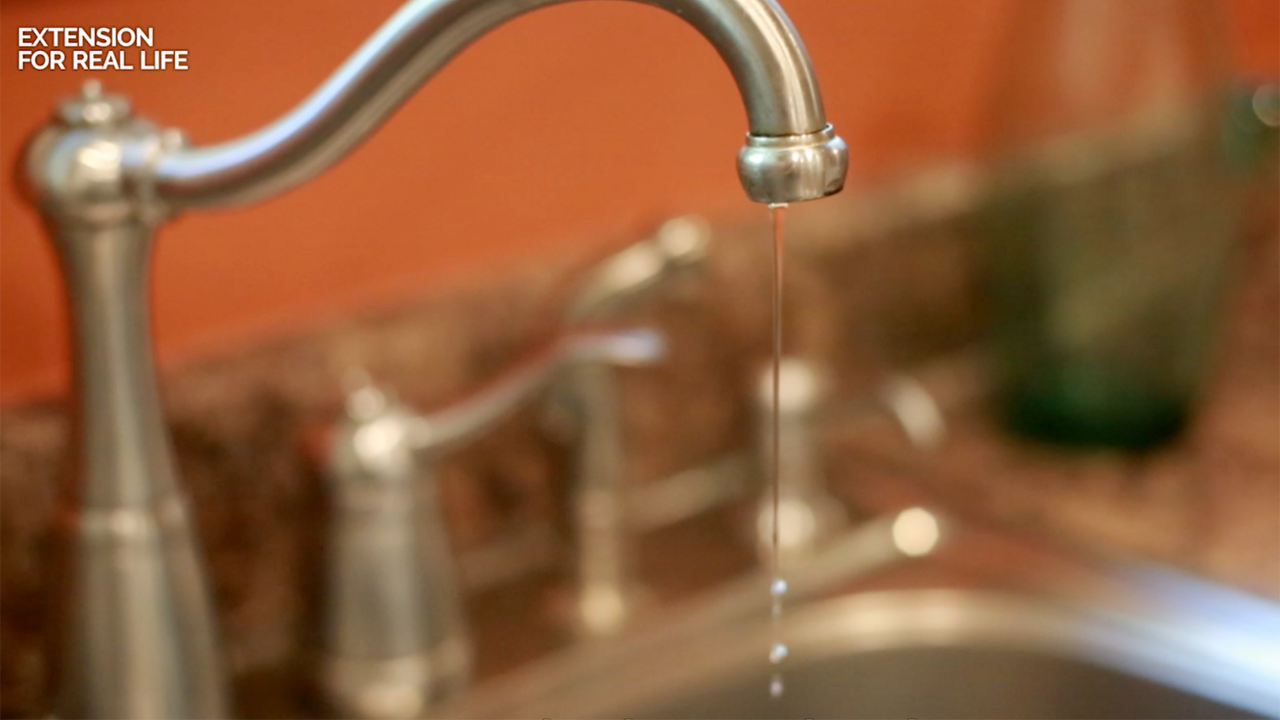
Credit: extension.msstate.edu
Frequently Asked Questions
How Can I Prevent My Well From Freezing In Winter?
Insulate exposed pipes and the wellhead using foam sleeves or heat tape. Keep the area around the well insulated and clear of snow. Maintain a slow water flow during extreme cold to prevent freezing inside the pipes.
What Materials Help Keep A Well From Freezing?
Use pipe insulation, heat tape, and insulated well covers. These materials protect pipes and well components from cold temperatures. Proper insulation minimizes heat loss and prevents water inside the pipes from freezing.
Should I Let Water Drip To Stop Well Freezing?
Yes, allowing a slow drip keeps water moving and prevents ice formation. This method helps avoid pipe bursts caused by freezing water. Use it especially during severe cold spells when heating is limited.
How Deep Should Well Pipes Be To Avoid Freezing?
Well pipes should be buried below the local frost line, usually 3 to 4 feet deep. Depth varies by region and climate. Proper depth ensures pipes remain insulated by the earth’s natural warmth.
Conclusion
Keeping your well from freezing takes simple, steady care. Wrap pipes with insulation to block cold air. Use heat tape or a small heater for extra warmth. Check your well often during winter months. Seal any cracks where cold can enter.
Taking these easy steps saves you from costly repairs. Stay prepared, stay warm, and keep water flowing all season. Your well will thank you for the attention.