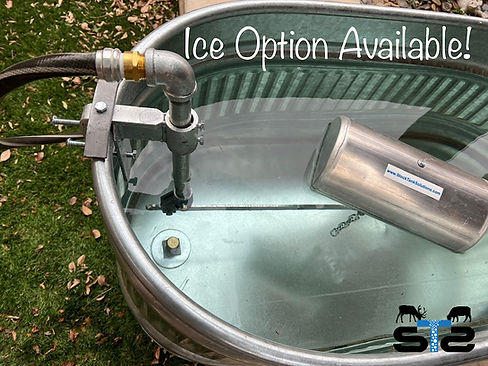
If you rely on a stock tank to keep your animals hydrated, you know how frustrating it is when it freezes over. Frozen water means thirsty animals and extra work for you.
But what if you could stop your stock tank from freezing altogether? Imagine never having to chip away ice or worry about your animals going without water on cold days. You’ll discover simple, effective ways to keep your stock tank from freezing, so your animals stay healthy and you save time and effort.
Keep reading—your animals will thank you.
Credit: www.horseforum.com
Preventing Ice Formation
Preventing ice formation in a stock tank keeps water accessible for animals during cold months. Ice blocks access and can cause harm. Simple steps help maintain open water and protect your livestock. These methods reduce ice buildup effectively.
Use Floating Balls
Floating balls cover the water surface and reduce ice formation. They break the ice as it forms and keep water open. Plastic or rubber balls work best. Spread them evenly across the tank for full coverage. This method lowers heat loss and stops thick ice layers.
Install De-icers
De-icers keep water temperature above freezing. Electric or solar-powered models fit most tanks. Place the device safely to avoid animal contact. De-icers use low energy and melt ice fast. They work well in harsh winter conditions and require little maintenance.
Add Salt Or Salt Alternatives
Salt lowers water’s freezing point, preventing ice. Use small amounts to avoid harming animals and plants. Salt alternatives like calcium chloride work too. Spread these carefully around the tank edges. This method slows ice formation but needs regular monitoring for safety.

Credit: www.stocktanksolutions.com
Insulating The Tank
Keeping your stock tank from freezing is crucial to ensure your animals always have access to water. Insulating the tank slows down heat loss and helps maintain a more stable temperature. You can use simple, affordable materials and clever setups to protect your tank from cold weather.
Wrap With Insulation Materials
Wrapping your tank with insulation materials creates a barrier that keeps the warmth in and cold out. Use foam boards, bubble wrap, or even old blankets to cover the sides and bottom of the tank. Secure the insulation tightly with waterproof tape or bungee cords to prevent it from slipping off during windy days.
Think about adding a layer of reflective foil on the outside. It reflects sunlight and heat back towards the tank, boosting the warming effect. You might be surprised how much difference a simple wrap can make on freezing nights.
Use Straw Or Hay Bales
Stacking straw or hay bales around your stock tank creates a natural, breathable insulation layer. Straw traps air, which acts as a buffer against the cold air outside. Arrange the bales tightly to minimize gaps where cold wind can sneak in.
Besides insulation, straw bales also protect your tank from wind chill, which can speed up freezing. If you’ve ever felt how much warmer a straw-covered area stays compared to open ground, you’ll understand why this method works well for stock tanks.
Build A Shelter
Constructing a simple shelter over your stock tank offers excellent protection against freezing. A roof and three walls block snow, wind, and rain from directly hitting the tank’s surface. Use inexpensive materials like wood pallets or metal sheets to build a basic, sturdy cover.
Consider adding a clear plastic panel on one side to let sunlight in during the day, naturally warming the water. Have you ever noticed how a small greenhouse effect can raise temperatures inside a covered space? Your stock tank can benefit from the same principle.
Maintaining Water Movement
Keeping water moving prevents ice from forming in stock tanks. A small pump or aerator helps maintain flow and stops freezing. Constant movement breaks the surface tension, reducing ice buildup effectively.
Maintaining water movement in a stock tank is crucial to prevent freezing. Moving water reduces the chance of ice formation. It keeps the water accessible to animals. There are several methods to achieve this.Use Aerators Or Pumps
Aerators inject air into the water, creating bubbles. These bubbles help circulate the water. The movement prevents ice from forming. Pumps can also be effective. They push water around, keeping it in motion. Choose a pump suitable for your tank size. Both methods need electricity, so ensure a safe setup.Manual Stirring Techniques
Manual stirring can be a simple solution. Use a sturdy stick or pole. Stir the water regularly to break up ice. This method requires no electricity. It works best in smaller tanks. Regular stirring keeps the water moving. It’s a straightforward way to combat freezing.
Credit: www.stocktanksolutions.com
Alternative Heating Methods
Keeping a stock tank from freezing is essential for animal care during cold months. Alternative heating methods offer practical and energy-efficient solutions. These options help maintain water temperature without relying solely on traditional power sources.
Solar-powered Heaters
Solar-powered heaters use sunlight to warm the water. They are eco-friendly and cost-effective over time. These heaters work well in areas with good sun exposure. Installation is simple, and they require little maintenance. Solar heaters reduce electricity bills and provide steady heat.
Submersible Heaters
Submersible heaters sit directly in the water to prevent freezing. They distribute heat evenly throughout the tank. Many models have built-in thermostats to control temperature. These heaters are safe and designed for outdoor use. They are effective even in very cold weather.
Diy Heating Solutions
DIY heating options can save money and are customizable. Common ideas include using heated stones or insulation wraps. Heat lamps placed near the tank also help. Simple solar water bottles can provide mild warmth. DIY solutions need regular checking for safety and efficiency.
Regular Maintenance Tips
Keeping a stock tank from freezing requires regular care. Small actions each day prevent big problems later. Consistent checks help maintain water quality and temperature. This section offers simple tips to keep your stock tank in good shape during cold weather.
Check Water Levels Frequently
Water levels drop due to evaporation and animal use. Low water can freeze faster and harm animals. Check the tank at least once a day. Refill it promptly to keep water available and prevent freezing.
Remove Snow And Ice Buildup
Snow and ice can cover the tank’s surface. This blocks sunlight and traps cold air. Clear snow and ice gently with a plastic shovel or broom. Avoid hard tools that can damage the tank. Removing buildup helps keep water warmer and accessible.
Monitor Temperature Changes
Temperature changes affect how fast the tank freezes. Watch local weather forecasts daily. Take extra care during sudden drops in temperature. Adjust your maintenance routine based on weather to protect the water supply.
Frequently Asked Questions
How Can I Prevent My Stock Tank From Freezing In Winter?
Use a stock tank heater or de-icer to keep water above freezing. Insulate the tank with foam or straw. Position tanks in sunny areas to absorb heat. Regularly check and remove ice buildup to ensure water access.
What Is The Best Heater For A Stock Tank?
Submersible stock tank heaters are the most efficient. They safely warm water without electric shock risks. Choose heaters with automatic thermostats for energy saving. Always follow manufacturer instructions for safe installation and use.
Can Insulation Help Stop Stock Tanks From Freezing?
Yes, insulation reduces heat loss and slows freezing. Use foam board, straw, or bubble wrap around the tank. Combine insulation with a heater for best results. Proper insulation keeps water accessible longer in cold weather.
Is It Safe To Use A Stock Tank Heater Outdoors?
Yes, outdoor-rated stock tank heaters are designed for safety. Ensure the heater has proper grounding and waterproof features. Use GFCI outlets to prevent electric shocks. Regularly inspect heaters for damage or wear to maintain safety.
Conclusion
Keeping your stock tank from freezing protects your animals and saves water. Use simple methods like tank heaters or insulation to stop ice. Check the tank often during cold weather. Small steps can make a big difference. Stay prepared and keep water flowing all winter long.
This helps your animals stay healthy and comfortable. Don’t let freezing water cause problems on your farm. Easy care and attention keep your stock tank working well.