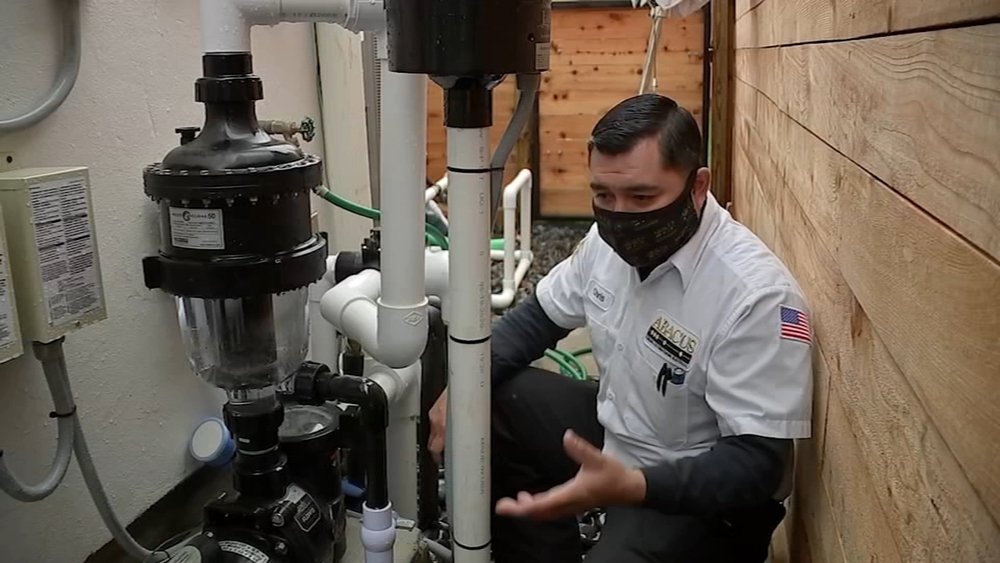
When freezing temperatures hit, you might wonder if leaving your pool pump running can protect your pool from damage. You want to avoid costly repairs and keep your pool in great shape, but what’s the best move during a freeze?
Should you keep your pump on or turn it off? Understanding the right action now can save you time, money, and a lot of stress later. Keep reading to discover the simple steps you can take to safeguard your pool when the cold sets in.
Why Pool Pumps Matter In Freezing Weather
Pool pumps play a critical role during freezing weather. They keep water moving inside the pool system. Moving water is less likely to freeze and cause damage. Without a running pump, water can freeze in pipes and equipment. This leads to cracks and costly repairs. Understanding why pool pumps matter helps protect your pool all winter long.
How Pump Operation Prevents Ice Damage
Running the pool pump keeps water flowing continuously. Flowing water does not stay in one place long enough to freeze. The pump circulates water through pipes and filters. This circulation stops ice crystals from forming inside equipment. It also prevents water from expanding and breaking pipes. The pump’s motion helps maintain a steady water temperature. This simple action reduces risks of freeze damage effectively.
Risks Of Turning Off The Pump
Turning off the pump during a freeze can cause serious problems. Water inside pipes can freeze and expand. Expanding ice can crack pipes and damage pool equipment. Frozen water blocks can cause pressure build-up. This pressure may burst filters and valves. Repairs after freeze damage can be expensive and time-consuming. Keeping the pump on helps avoid these costly risks. It is a small effort with big benefits for your pool’s health.

Credit: iopool.com
Signs Your Pool Is At Risk During A Freeze
Recognizing the signs that your pool is at risk during a freeze can save you from costly repairs and a lot of frustration. Pools are vulnerable to freezing temperatures, and knowing what to watch for helps you act quickly. Let’s break down how to spot trouble before it escalates.
Temperature Thresholds To Watch
Water freezes at 32°F (0°C), but your pool’s plumbing and equipment can start facing issues even before that point. When temperatures drop to around 40°F (4°C), it’s time to pay close attention. Prolonged exposure to temperatures below 32°F increases the risk of pipes freezing and cracking.
Many pool owners don’t realize that even a few hours below freezing can cause damage. Are you monitoring the weather closely enough? A sudden cold snap at night can be just as dangerous as a long freeze.
Common Freeze Damage Indicators
Look for these warning signs to catch freeze damage early:
- Cracks in Pipes or Pool Walls:Small cracks can quickly turn into major leaks.
- Unusual Noises from the Pump:Grinding or banging could mean ice is blocking water flow.
- Low Water Pressure:Ice buildup restricts water movement, causing pressure drops.
- Visible Ice Formation:Ice around skimmers, pipes, or jets signals freezing risk.
During a freeze, you might also notice your pump struggling or shutting off unexpectedly. This often points to ice obstruction inside the system. Have you checked your equipment for these signs before the cold hits?
Best Practices For Running Your Pool Pump In Cold
Winter brings special concerns for pool owners. Freezing temperatures can damage pool equipment. Running your pool pump is crucial in cold weather. It keeps water moving, preventing ice formation. Here are best practices for running your pool pump in cold weather.
Recommended Pump Running Times
During freezing weather, run your pump continuously. This helps avoid ice buildup. If continuous operation isn’t possible, run it at least 12 hours daily. Choose night hours when temperatures drop most.
Adjusting Settings For Freeze Protection
Set your pump to freeze protection mode if available. This mode automatically turns on the pump when temperatures drop. If your pump lacks this feature, consider installing a freeze sensor. Ensure your pool’s thermostat is set to activate at temperatures just above freezing.
Additional Freeze Protection Tips
Protecting your pool during freezing weather requires more than just running the pump. Several simple actions help prevent damage and keep your pool safe. These extra steps work well alongside keeping water moving to avoid ice buildup.
Using Pool Covers And Blankets
Pool covers and blankets reduce heat loss and block debris. They slow down water freezing by creating a barrier. Thick, insulated covers work best in cold weather. Covers also keep the pool clean, reducing maintenance after the freeze.
Maintaining Proper Water Levels
Keep water levels at the recommended height. Too low water can expose pipes and equipment to freezing. Too high water may cause overflow when ice expands. Check levels regularly before and during cold snaps to avoid damage.
Insulating Pool Equipment
Wrap pumps, filters, and pipes with foam insulation. Insulation helps keep the equipment warm and prevents freezing. Use weather-resistant materials for outdoor gear. Cover exposed parts with blankets or tarps for extra protection.
When To Consider Shutting Off The Pump
Knowing when to shut off your pool pump during a freeze is crucial to protecting your pool’s plumbing and equipment. While running the pump often helps prevent freezing by circulating water, there are times when turning it off is the safer choice. Understanding these situations helps you avoid costly damage and keep your pool in good condition.
Situations That Warrant Turning Off
You should consider shutting off your pool pump if your pool’s plumbing is exposed and not insulated. Pipes vulnerable to freezing can crack even with water circulation. If you know your pipes are old or damaged, stopping the pump may help prevent further harm.
Another situation is when power outages are expected. Running a pump during a freeze without power can leave the system stuck, causing more damage. In these cases, it’s safer to turn it off and drain water from pipes to avoid freezing.
If your pool has an automatic timer or variable speed pump that can’t run continuously during extreme cold, shutting it off might be necessary. Continuous operation is key to preventing freeze damage, so limited running times could increase risk.
Steps To Safely Turn Off During Freeze
- Turn off the pump at the circuit breaker.This ensures no accidental restarts.
- Drain water from all exposed pipes and equipment.Use drain plugs or blow out lines with an air compressor.
- Cover the pool and equipment with insulating blankets.This adds a layer of protection against freezing temperatures.
- Remove and store the pump if possible.Bringing it indoors can prevent freeze damage entirely.
- Check your pool regularly.Keep an eye on weather updates and inspect your plumbing for signs of freezing.
Have you ever faced a freeze that caught you off guard? Taking the time to prepare your pump and pipes can save you from expensive repairs and pool downtime.
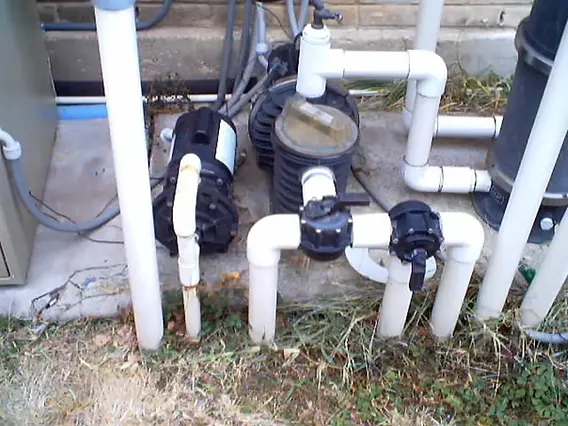
Credit: www.lifeguardli.com

Credit: www.youtube.com
Frequently Asked Questions
Should I Keep My Pool Pump Running During Freezing Weather?
Yes, running your pool pump during a freeze helps prevent water from freezing inside pipes. It keeps water circulating, reducing freeze damage risk and protecting your pool’s plumbing system.
How Does Running A Pool Pump Prevent Pipe Freezing?
Running the pump circulates water continuously, which stops it from settling and freezing. This movement maintains a steady temperature, preventing ice formation that can crack pipes or damage equipment.
Can I Turn Off My Pool Pump In Cold Weather?
It’s not recommended to turn off your pool pump during freezing temperatures. Stagnant water in pipes can freeze, expand, and cause costly damage to your pool’s plumbing and equipment.
What Temperature Requires Running My Pool Pump Continuously?
When temperatures drop below 32°F (0°C), it’s best to run your pool pump continuously. This keeps water moving and prevents freeze damage during cold snaps or extended freezes.
Conclusion
Running your pool pump during a freeze helps prevent pipes from bursting. Water keeps moving, so it does not freeze easily. Turning off the pump can cause costly damage. Keep the pump running at a low speed to save energy.
Check your pool system regularly for any problems. Protect your pool and save money by acting now. Simple steps make a big difference during cold weather. Stay safe and keep your pool ready for warmer days.