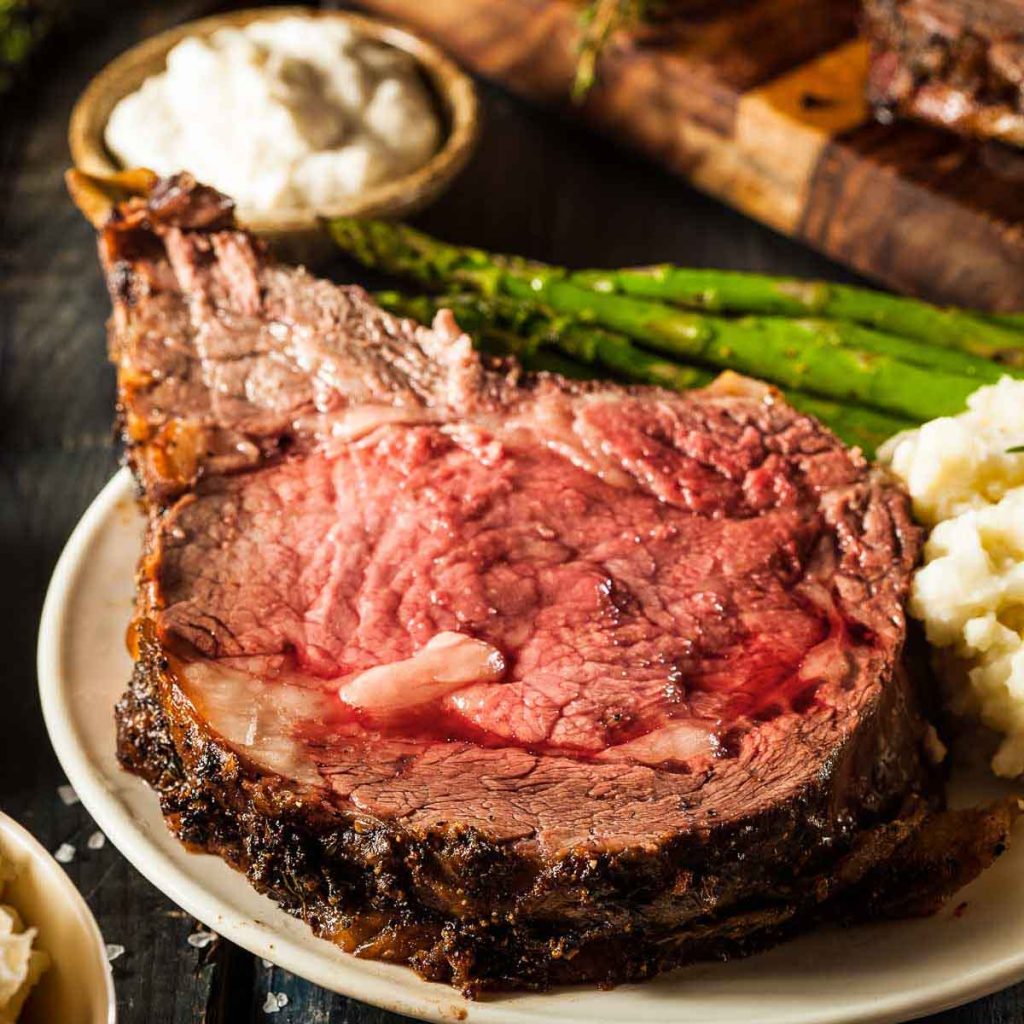
Are you wondering how long you can freeze a standing rib roast without losing its delicious flavor and texture? Whether you’re planning ahead for a special meal or trying to make the most of a big purchase, knowing the right freezing time is key.
Freeze it too long, and you risk dry, tough meat. Freeze it just right, and you’ll enjoy a juicy, tender roast every time. Keep reading to discover the simple tips that will help you store your standing rib roast perfectly and make every bite unforgettable.

Credit: alittlespoon.com
Freezing Basics For Rib Roast
Freezing a standing rib roast can save you time and money, but knowing the basics is key to maintaining its quality. Improper freezing can lead to loss of flavor and texture, making your roast less enjoyable. Let’s look at what you need to know to freeze your rib roast effectively.
Ideal Freezing Temperatures
Keeping your freezer at the right temperature is critical. The USDA recommends storing meat at 0°F (-18°C) or lower to keep it safe indefinitely. However, to preserve the best taste and texture, it’s best to consume your standing rib roast within 6 to 12 months.
If your freezer fluctuates above 0°F, the meat’s quality will decline faster. Do you regularly check your freezer’s temperature? A simple thermometer can help you avoid these hidden pitfalls.
Packaging Tips To Prevent Freezer Burn
Freezer burn happens when air reaches the surface of the meat, causing dry spots and off flavors. To prevent this, wrap your rib roast tightly using these tips:
- Use heavy-duty aluminum foil or butcher paper as the first layer to create a strong barrier.
- Add an extra layer of plastic wrap or place the wrapped roast in a vacuum-sealed bag.
- Remove as much air as possible before sealing to reduce ice crystal formation.
I once froze a rib roast wrapped loosely and ended up with a tough, dry roast after thawing. After switching to vacuum-sealed packaging, the texture improved dramatically. How you package your roast can make all the difference between a delicious meal and a disappointment.
Recommended Freezing Duration
Knowing the recommended freezing duration for a standing rib roast helps you maintain its flavor and texture. Freezing too long can affect the quality, while freezing too short might limit your meal planning options. Let’s look at how long you can keep your roast in the freezer without losing its appeal or safety.
Optimal Storage Time For Quality
For the best taste and texture, keep your standing rib roast in the freezer for no more than 6 to 12 months. During this period, the meat retains its juiciness and tenderness. Beyond a year, you might notice dryness or freezer burn even if the roast is properly wrapped.
Wrapping the roast tightly in plastic wrap and then foil helps preserve flavor. Vacuum sealing is even better—it locks out air and prevents moisture loss. Have you ever thawed a roast that tasted bland? Chances are, it was stored too long or not wrapped well enough.
Safety Considerations Over Time
Freezing keeps your standing rib roast safe indefinitely by stopping bacterial growth. However, safety is different from quality. You can technically eat a roast frozen for two years, but it might not taste good.
Always check the roast after thawing for any off smells or slimy texture before cooking. If anything seems unusual, it’s better to discard it. Would you rather risk a less tasty meal or a food safety issue?
Signs Of Spoilage After Freezing
Freezer burn, off smells, and slimy texture often show spoilage in frozen standing rib roast. Discoloration or strange taste also signal it’s no longer safe to eat. Check carefully before cooking to avoid food waste or illness.
Freezing a standing rib roast is an excellent way to preserve its quality for future meals. However, ensuring it remains safe and delicious requires keen attention to signs of spoilage after freezing. Understanding what to look out for can save you from a disappointing meal and potential health risks.Visual Changes To Watch For
One of the first things you’ll notice if your rib roast has spoiled are visual changes. Look for discoloration, such as gray or green patches, which indicate bacterial growth. Freezer burn, identified by dry, white spots, can also affect the texture and taste but isn’t harmful. Is your roast covered in ice crystals? If they seem excessive, it might be a sign the meat has been in the freezer too long or wasn’t properly sealed. This can lead to a loss of moisture and flavor.Texture And Smell Indicators
Pay attention to how the meat feels and smells once thawed. A slimy texture is a clear sign that your rib roast has gone bad. Fresh meat should feel firm and slightly moist, not sticky or slippery. The smell is another strong indicator. A sour or off-putting odor upon thawing suggests spoilage. Even if it looks okay, an unpleasant smell is a clear sign not to proceed with cooking. Have you ever experienced the disappointment of defrosting a meal only to realize it’s gone bad? Being proactive about these signs can help prevent that scenario. Remember, your senses are your best tools to ensure a safe and enjoyable dining experience.Thawing Methods For Best Results
Thawing your standing rib roast properly is key to preserving its flavor and texture. Choosing the right method can make a big difference in how juicy and tender your roast turns out. Let’s look at safe and effective ways to thaw your roast so you can enjoy the best results.
Refrigerator Thawing
Refrigerator thawing is the safest and most reliable method to defrost your standing rib roast. It takes time—usually 24 hours for every 5 pounds of meat—but it keeps the roast at a consistent, safe temperature. This slow thaw helps retain moisture and prevents bacterial growth.
Have you ever noticed how a roast thawed in the fridge cooks more evenly? That’s because the meat stays cold and firm until you’re ready to cook. Plan ahead and place your roast on a plate or tray to catch any drips.
Cold Water Thawing
Cold water thawing is faster than the fridge but requires more attention. Seal your roast tightly in a waterproof bag to avoid water contact, then submerge it in cold water. Change the water every 30 minutes to keep it cold and prevent bacteria from growing.
This method usually takes about 30 minutes per pound. It’s handy if you forgot to start thawing early but still want safe results. Just remember, once thawed, cook the roast immediately.
Avoiding Unsafe Thawing Practices
Thawing meat on the countertop or in hot water might seem quick but can be risky. These methods allow the outer layer of the roast to reach unsafe temperatures while the inside remains frozen, creating a breeding ground for bacteria.
Have you ever had foodborne illness after rushing thawing? That’s a common consequence of unsafe thawing. Always avoid these shortcuts to keep your meal both delicious and safe.
Cooking Tips After Freezing
Freezing a standing rib roast changes how it cooks. Use smart cooking tips after freezing to keep it tasty. These tips help you get the best texture and flavor from your roast.
Adjusting Cooking Times
Frozen meat takes longer to cook than fresh meat. Plan extra cooking time to reach the right temperature. Use a meat thermometer to check the roast’s internal heat. Aim for 130°F (54°C) for medium-rare.
Thaw the roast completely before cooking for even heat. Cooking from frozen can cause uneven results. Slow and steady heat works better for frozen meat.
Retaining Moisture And Flavor
Freezing can dry out the roast if not handled well. Keep moisture by wrapping the roast tightly before freezing. Use plastic wrap and foil to seal in juices.
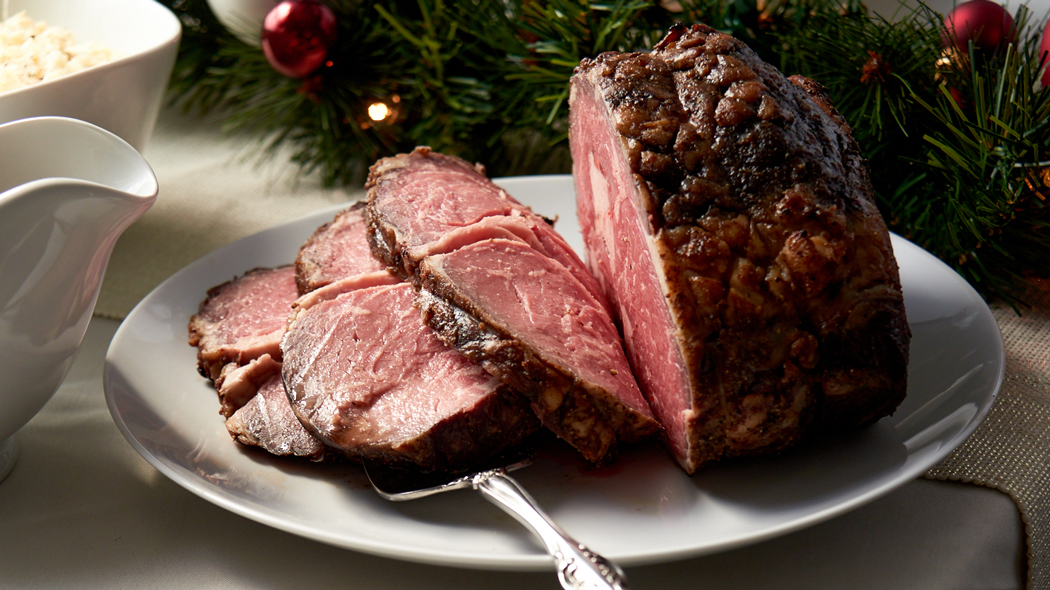
Before cooking, let the roast rest at room temperature. This helps juices spread evenly during cooking. Baste the roast with butter or broth while cooking to add flavor. Cover with foil after cooking to keep it moist.
Credit: alittlespoon.com
Alternative Storage Options
Freezing a standing rib roast is effective for preserving freshness. Still, exploring alternative storage options can improve quality and extend shelf life. Different techniques protect the meat from freezer burn and maintain flavor. These methods suit various storage needs and freezer types. Understanding these options helps keep your roast delicious and safe.
Vacuum Sealing Benefits
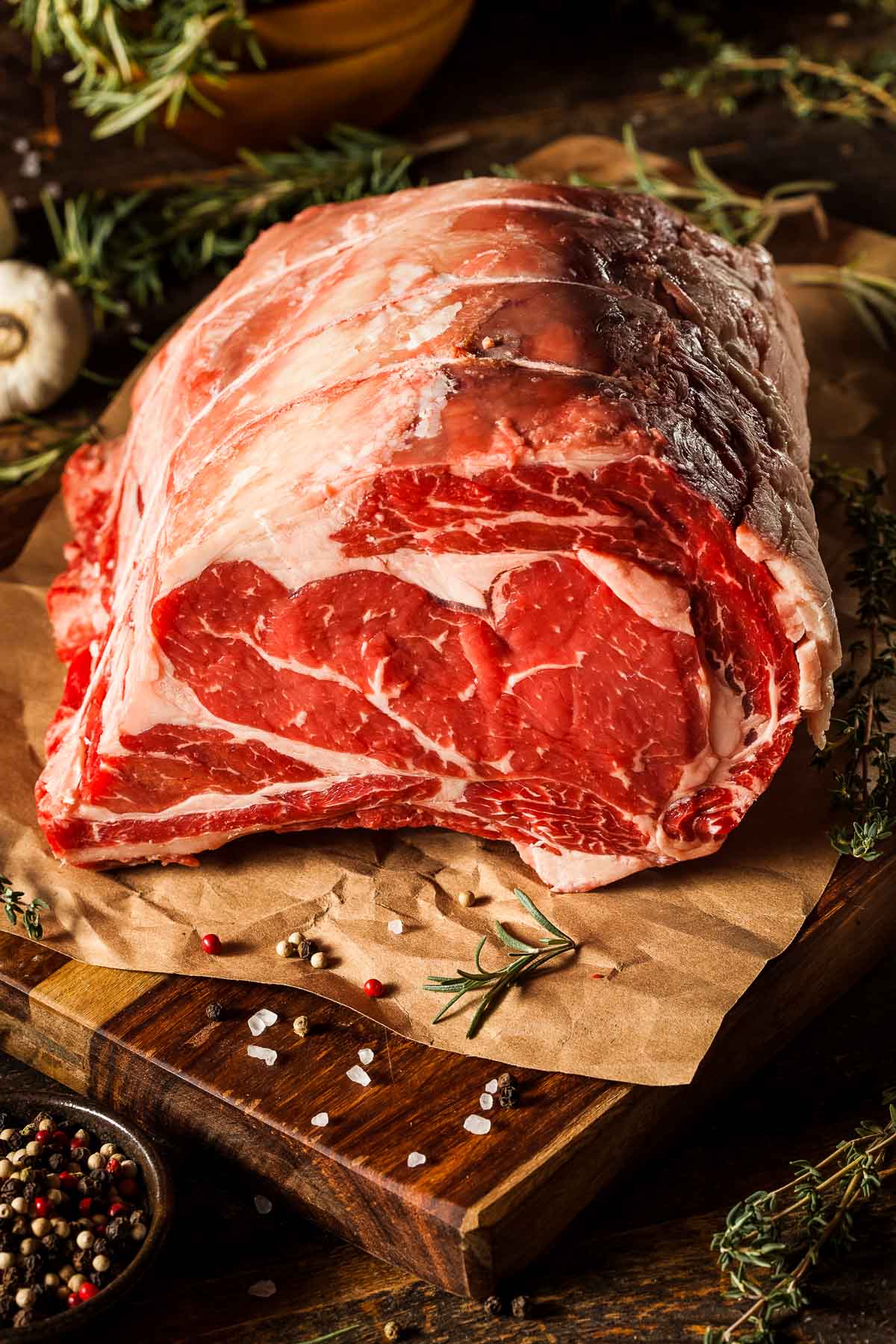
Vacuum sealing removes air around the roast, preventing freezer burn. It locks in moisture and natural juices. This method slows down oxidation and bacterial growth. Vacuum-sealed meat lasts longer in the freezer compared to traditional wrapping. It also saves space by reducing package size. Using vacuum sealing keeps your rib roast fresh for up to 2-3 years.
Using Dry Ice For Extended Freezing
Dry ice provides ultra-cold temperatures below regular freezer settings. It freezes meat faster, preserving texture and flavor. Dry ice reduces ice crystal formation inside the meat. This method is ideal for long-term storage beyond standard freezer limits. Handle dry ice carefully and store meat in airtight containers. Using dry ice can keep your rib roast frozen for several months without quality loss.
Credit: www.thewickednoodle.com
Frequently Asked Questions
How Long Can You Freeze A Standing Rib Roast?
You can freeze a standing rib roast for 6 to 12 months. For best quality, consume it within this period. Store it properly in airtight packaging to prevent freezer burn and maintain flavor.
Does Freezing Affect Standing Rib Roast Taste?
Freezing may slightly affect texture but not the flavor. Proper wrapping minimizes moisture loss and freezer burn. Thawing slowly in the refrigerator helps preserve taste and juiciness.
Can You Freeze Cooked Standing Rib Roast?
Yes, you can freeze cooked standing rib roast. Wrap it tightly in foil or freezer bags to maintain moisture. Consume within 2 to 3 months for the best taste and quality.
How To Thaw A Frozen Standing Rib Roast Safely?
Thaw your roast in the refrigerator for 24 to 48 hours. Avoid thawing at room temperature to prevent bacteria growth. Slow thawing maintains texture and food safety.
Conclusion
Freezing a standing rib roast keeps it fresh for up to 12 months. Wrap the meat tightly to avoid freezer burn. Store it in the coldest part of your freezer. Thaw the roast slowly in the fridge before cooking. Use it within a few days after thawing for best taste.
Proper freezing and thawing help keep flavor and texture. Enjoy your roast safely by following these simple tips.