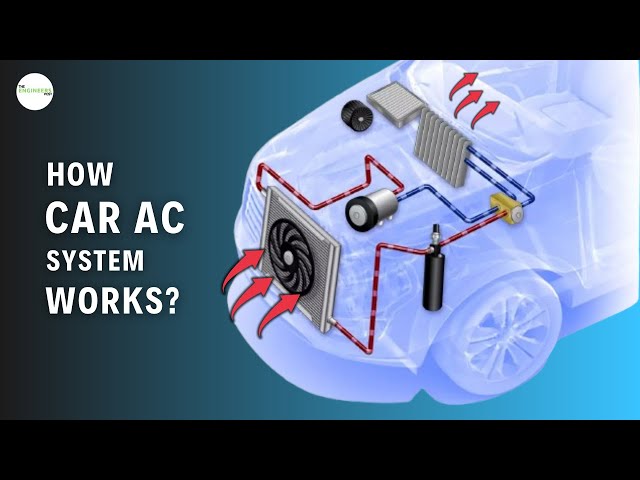
Have you ever turned on your car’s air conditioner only to find it suddenly stops blowing cold air? One common reason is that your car air conditioner has frozen up.
It’s frustrating, uncomfortable, and can leave you wondering what went wrong. Understanding what causes your car’s AC to freeze is the first step to fixing it and keeping cool during every drive. You’ll discover the surprising reasons behind this problem and simple ways to prevent it from happening again.
Keep reading to make sure your car’s AC stays reliable and chill when you need it most.

Credit: www.reddit.com
Common Signs Of A Frozen Ac
Recognizing a frozen car air conditioner early can save you from costly repairs. The air conditioner may freeze due to various issues, but certain signs point directly to this problem. Watch for these common indicators to catch the issue before it worsens.
Frost On The Evaporator Coil
One clear sign of a frozen AC is frost buildup on the evaporator coil. The coil may look icy or have white frost covering it. This happens when the temperature drops too low or airflow is blocked. Check under the dashboard or near the firewall for visible frost.
Reduced Airflow
The airflow from your AC vents becomes weak or nearly stops. A frozen coil restricts air movement, making the cabin feel less cool. You may notice the fan running but with little cold air coming out. This drop in airflow signals a possible freeze inside the system.
Unpleasant Odors
A frozen AC can cause dampness and mold growth. This leads to musty or sour smells inside your car. The smell often appears when you turn on the AC after it has frozen. Bad odors can indicate trapped moisture due to the frozen evaporator coil.
Low Refrigerant Levels
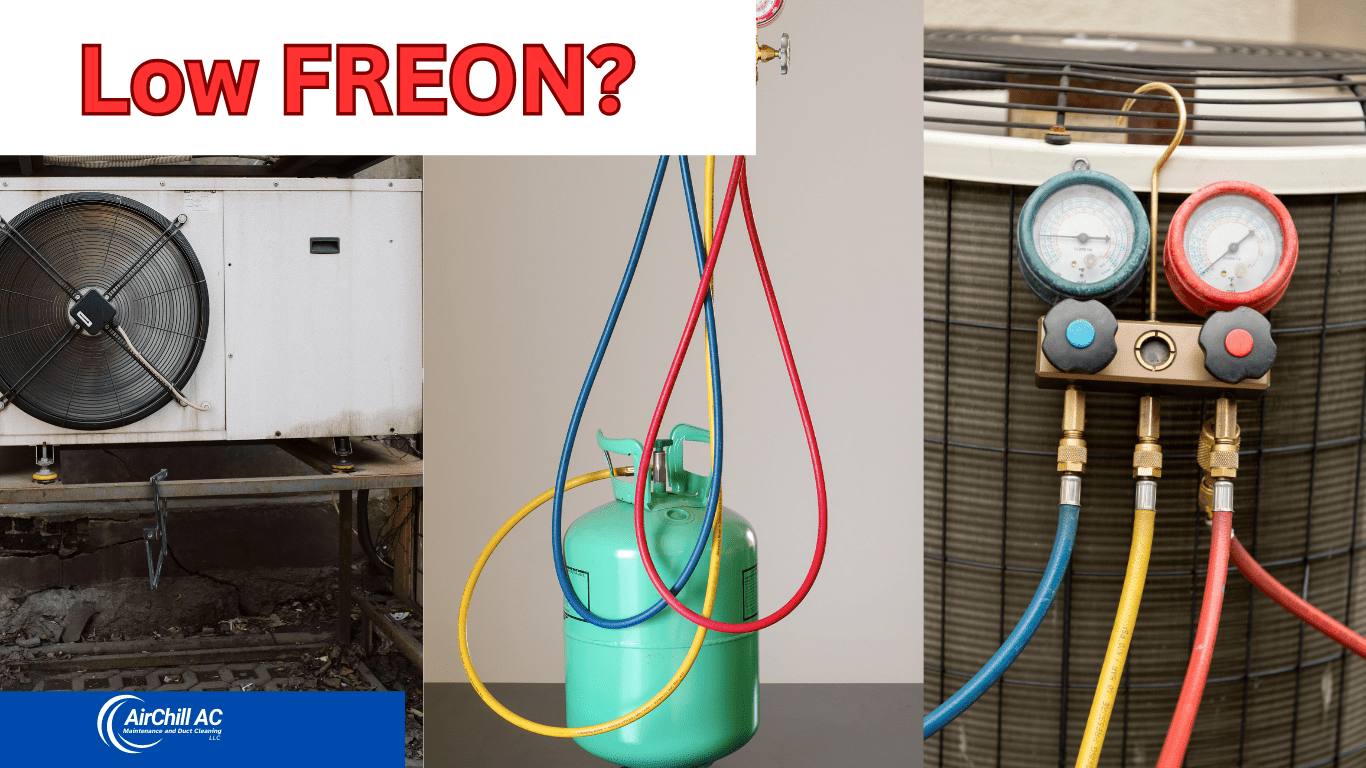
Low refrigerant levels are a common cause of car air conditioners freezing up. Refrigerant is the substance that absorbs heat from the car’s interior and releases it outside. Without enough refrigerant, the air conditioner cannot work correctly. This imbalance causes the evaporator coil to get too cold, leading to ice buildup.
How Refrigerant Affects Cooling
Refrigerant plays a key role in cooling the car. It moves through the air conditioning system, changing from gas to liquid and back. This process removes heat from the air inside the car. When refrigerant levels drop, the pressure in the system falls. Lower pressure means the evaporator coil becomes too cold. The moisture in the air then freezes on the coil, causing the unit to freeze up and stop cooling effectively.
Leaks And Their Impact
Leaks often cause low refrigerant levels. Small holes or cracks in the system allow refrigerant to escape. Over time, this loss leads to reduced cooling performance. Leaks also let air and moisture enter the system. Moisture can freeze inside the evaporator coil, worsening the problem. Detecting and fixing leaks quickly helps keep the refrigerant at the right level and prevents freezing.
Dirty Air Filters
When your car’s air conditioner freezes up, one common culprit could be dirty air filters. You may not think about these filters often, but they play a crucial role in the smooth operation of your vehicle’s AC system. Dirty filters can obstruct airflow, causing the evaporator coil to freeze due to decreased temperature regulation. This not only affects cooling efficiency but can also lead to more serious mechanical issues. Let’s dive into how clogged filters impact your car’s AC and how you can maintain them effectively.
Clogged Filters And Airflow
Dirty air filters restrict the flow of air needed to keep the evaporator coil warm enough to prevent freezing. Imagine trying to breathe through a straw filled with dust; that’s your AC system struggling to function with a clogged filter. This restricted airflow causes the temperature inside the AC unit to drop, freezing the moisture that accumulates on the coil. This can lead to a complete AC shutdown, leaving you sweating in the summer heat.
Have you ever noticed your AC blowing less air than usual? That could be a sign of a clogged filter. Regularly checking and replacing your air filters is crucial for maintaining optimal airflow and preventing freeze-ups. It’s a simple step, but it can save you from bigger headaches down the road.
Maintenance Tips
Maintaining your car’s air filters doesn’t have to be a daunting task. Here are some actionable tips to keep your AC running smoothly:
- Check filters regularly:Inspect your air filters every few months, especially before peak summer seasons. A quick visual inspection can help you spot dirt and debris buildup.
- Replace as needed:If a filter looks dark and clogged, it’s time for a replacement. Most car manufacturers recommend changing air filters every 12,000 to 15,000 miles.
- Use quality filters:Investing in high-quality filters can improve airflow and extend the lifespan of your AC system.
These small maintenance efforts can prevent bigger, costlier issues in the future. Have you scheduled your filter check yet? Taking a proactive approach ensures your car’s AC keeps you cool when you need it most.
Blocked Evaporator Drain
A blocked evaporator drain is a common cause of car air conditioners freezing up. This drain removes water that forms during the cooling process. Dirt, leaves, and debris can clog the drain. This stops the water from leaving the system. Water then builds up inside the evaporator housing.
Drain Functionality
The evaporator drain allows moisture to exit the air conditioning system. As air cools, water condenses on the evaporator coil. This water needs a clear path to drain outside the vehicle. The drain tube directs this water away safely. A clean drain prevents water buildup and keeps the system dry.
Consequences Of Blockage
When the drain is blocked, water pools inside the evaporator. This excess water freezes over time. Ice forms around the evaporator coil and blocks airflow. The air conditioner then struggles to cool the car. This causes poor performance and possible damage to the system. Water leaks inside the car can also cause mold and bad smells.
Faulty Blower Fan
A faulty blower fan can be a hidden culprit behind your car air conditioner freezing up. It plays a crucial role in moving air across the evaporator coil. Without proper airflow, the evaporator can get too cold, leading to ice buildup and a frozen AC system.
Role In Air Circulation
The blower fan pushes air through the AC system and into your car’s cabin. It ensures warm air from inside your car passes over the evaporator coil, where it’s cooled before circulating.
If the blower fan isn’t working correctly, airflow slows or stops. This lack of air causes the evaporator coil to drop below freezing, forming ice. The frozen coil blocks airflow even more, creating a cycle that makes the problem worse.
Signs Of Malfunction
You might notice weak or no air coming from your vents, even if the AC is running. Strange noises like rattling or squealing from the blower area can also signal trouble.
Another sign is inconsistent airflow—sometimes strong, sometimes barely there. If you spot these issues, it’s time to check the blower fan. Ignoring it can lead to a frozen AC and expensive repairs.
Thermostat And Sensor Issues
Thermostats and sensors play a key role in a car’s air conditioning system. They control the temperature and help keep the system running smoothly. Problems with these parts can cause the air conditioner to freeze up.
Impact On Temperature Regulation
The thermostat tells the AC system when to turn on and off. If it malfunctions, the system might run too long or stop too soon. This causes the evaporator coil to get too cold, leading to ice buildup. Poor temperature control can freeze the AC and reduce cooling inside the car.
Common Sensor Problems
- Faulty temperature sensors give wrong readings to the AC system.
- Wiring issues can interrupt signals from the sensors.
- Dirty or damaged sensors can cause improper temperature control.
- Sensor failure leads the system to overcool and freeze up.
Regular checks on thermostats and sensors help avoid freezing issues. Fixing these problems keeps the air conditioner working efficiently and prevents ice formation.
External Weather Conditions
External weather conditions play a big role in why a car air conditioner freezes up. Temperature and moisture outside affect how the system works. Understanding these effects helps prevent freezing and keeps the AC running smoothly. Two main factors are cold weather and humidity.
Cold Weather Effects
Cold weather can cause the AC system to freeze. The refrigerant inside the system cools air by removing heat. When outside temperatures drop, the refrigerant can get too cold. This causes ice to form on the evaporator coil.
Ice blocks airflow and stops the AC from working properly. The system may shut down to avoid damage. Running the AC in cold weather without warming up the car increases freeze risk.
Humidity And Freezing Risks
High humidity means more moisture in the air. Moisture can freeze inside the air conditioner. When warm, moist air hits the cold evaporator coil, water forms. If the coil is cold enough, this water turns to ice.
Ice buildup reduces airflow and cooling. It forces the system to work harder, which can cause more freezing. Keeping humidity low and ensuring proper airflow can help avoid this problem.

Credit: georgeautorepair.com
Preventing Ac Freeze-up
Preventing your car’s air conditioner from freezing up is essential to keep you comfortable and avoid costly repairs. Understanding the simple steps you can take to maintain your AC system will save you frustration, especially during hot summer drives. Small habits can make a big difference in how well your AC performs over time.
Regular Maintenance Practices
Keeping your car’s AC system in good shape starts with regular maintenance. Check the refrigerant level often; low refrigerant can cause the evaporator coil to freeze. Make sure your cabin air filter is clean because a clogged filter restricts airflow, leading to temperature imbalances that cause freezing.
Pay attention to your AC’s performance. If you notice weak airflow or strange noises, don’t ignore them—these can be early signs of a freeze-up. Simple actions like running the fan on high before turning the AC on can help prevent ice from forming on the coils.
Professional Inspection Benefits
Sometimes, DIY checks aren’t enough. A professional mechanic can spot issues you might miss, such as leaks or faulty components. They use specialized tools to measure refrigerant pressure and check for blockages that cause freezing.
Scheduling regular inspections helps catch problems early, avoiding a complete AC breakdown. Imagine getting your AC fixed before a long road trip instead of being stuck in the heat. Isn’t that peace of mind worth the investment?
Credit: airchillac.com
Frequently Asked Questions
Why Does My Car Ac Freeze Up Suddenly?
Your car AC freezes due to low refrigerant, poor airflow, or a dirty filter. These issues cause the evaporator to get too cold, leading to ice buildup and freezing.
Can Low Refrigerant Cause Car Ac To Freeze?
Yes, low refrigerant reduces pressure in the AC system. This causes the evaporator coil to get too cold, which leads to freezing and poor cooling performance.
How Does Poor Airflow Affect Car Ac Freezing?
Poor airflow limits warm air over the evaporator coil. This causes the coil to stay too cold and freeze, blocking the AC system and reducing cooling efficiency.
Is A Dirty Air Filter Responsible For Ac Freezing?
Yes, a dirty air filter restricts airflow in the AC system. This causes the evaporator coil to become excessively cold, resulting in ice buildup and freezing issues.
Conclusion
A car air conditioner freezes up for a few simple reasons. Low refrigerant, dirty filters, or poor airflow often cause the problem. Fixing these issues helps your AC run smoothly again. Regular maintenance keeps the system healthy and cools your car well.
Don’t ignore signs like ice buildup or weak airflow. Catch problems early to avoid costly repairs later. A working AC makes driving more comfortable in hot weather. Keep your system clean and check it often for best results.