
Are you worried that your daily iced coffee habit might be adding extra pounds to your waistline? You’re not alone.
Many people love the refreshing kick of iced coffee but wonder if it could be secretly making them gain weight. The truth might surprise you. Before you give up your favorite cool drink, let’s uncover what really happens when you sip on that cold brew.
Keep reading to find out if iced coffee is friend or foe to your fitness goals.
Iced Coffee Basics
Iced coffee has become a daily habit for many, especially when the weather warms up. But before you sip on that refreshing drink, it’s important to know what you’re actually consuming. Understanding the basics of iced coffee can help you make smarter choices about its impact on your health and waistline.
What Makes Iced Coffee Different
Iced coffee isn’t just hot coffee cooled down. It often involves brewing methods designed to create a smoother, less bitter taste when served cold.
Some common differences include:
- Cold brew coffee is steeped in cold water for several hours, resulting in a naturally sweeter and less acidic flavor.
- Iced espresso is brewed hot but poured over ice quickly to chill it without diluting the taste too much.
- The dilution factor from melting ice can change the strength and calorie content of the drink.
Have you ever noticed how some iced coffees taste creamier or sweeter? That’s often because of the way they’re made and what’s added afterward.
Common Ingredients In Iced Coffee
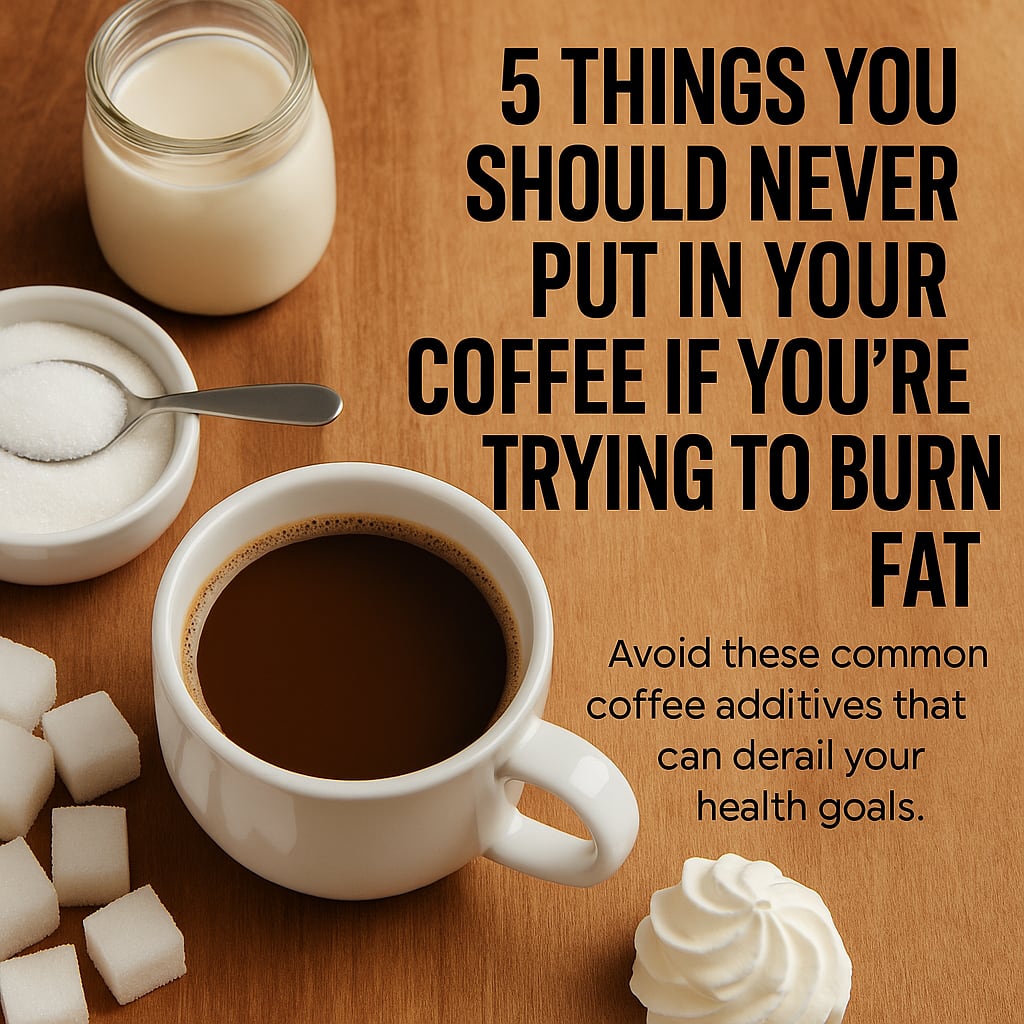
What you add to your iced coffee can turn a low-calorie drink into a calorie bomb. Many iced coffee recipes include:
- Milk or cream:Whole milk, skim milk, or cream add calories and fat.
- Sugar or flavored syrups:These can quickly increase the sugar content and overall calories.
- Ice:While ice itself has no calories, it dilutes the coffee, affecting flavor and how much you might add to compensate.
- Whipped cream or toppings:These add extra calories and fat, often overlooked.
Think about your last iced coffee—did you ask for extra syrup or cream? These small choices make a big difference. Next time, try ordering it with less sugar or a splash of milk to control calories without sacrificing taste.
Credit: vocal.media
Calories In Iced Coffee
Understanding the calories in iced coffee is key if you’re watching your weight or just curious about what you’re drinking. Not all iced coffees are created equal, and the calorie content can vary widely based on what you add to your cup. Knowing the basics helps you make smarter choices without giving up your favorite cold brew.
Calorie Count Of Plain Iced Coffee
Plain iced coffee is surprisingly low in calories. A typical 8-ounce serving contains just 2 to 5 calories because it’s mostly water with coffee solids. This means if you drink your iced coffee black, you’re not adding much to your daily calorie intake at all.
Think about it this way: a plain iced coffee can be a refreshing, almost calorie-free pick-me-up. If you’re aiming to avoid weight gain, starting with plain iced coffee is a smart move. But what happens when you start customizing your drink?
Impact Of Added Sugars And Creamers
This is where the calorie count can quickly rise. Adding sugar, flavored syrups, or creamers can turn your low-calorie drink into a high-calorie treat. For example:
| Addition | Approximate Calories (per tablespoon) |
|---|---|
| Sugar | 49 calories |
| Whole Milk | 9 calories |
| Heavy Cream | 52 calories |
| Flavored Syrup | 20 calories |
Adding just two tablespoons of sugar and cream can add over 100 calories to your iced coffee. That’s like eating a small cookie every time you indulge. Have you ever tracked your coffee extras? It might surprise you how fast those calories add up.
You don’t have to give up flavor, though. Consider lower-calorie alternatives like unsweetened almond milk or a sprinkle of cinnamon. These can keep your iced coffee enjoyable without piling on unwanted calories.
Sugar And Fat Content
Iced coffee can contain added sugar and fat, especially with cream or flavored syrups. These extras increase calorie intake and may lead to weight gain if consumed often. Choosing plain iced coffee helps keep calories low.
Iced coffee is a refreshing beverage enjoyed by many. But, its sugar and fat content might concern those watching their weight. Understanding these components is key to making healthier choices.How Sugar Affects Weight
Sugar can add extra calories quickly. Many iced coffee drinks contain added sugars. These sugars increase calorie intake without providing nutrients. Consuming too much sugar can lead to weight gain. It’s important to check the sugar content in your iced coffee.Role Of Cream And Milk Fat
Cream and milk add flavor and texture to iced coffee. But they also add fat and calories. Whole milk and cream have higher fat content. This can contribute to weight gain if consumed in large amounts. Choosing skim or plant-based milk can reduce fat intake. Be mindful of the type of milk you add to your iced coffee.
Credit: kvia.com
Metabolism And Caffeine
Caffeine is a natural stimulant found in coffee. It affects the body’s metabolism, which is how the body uses energy. Understanding caffeine’s role in metabolism helps answer if iced coffee can cause weight gain. Metabolism controls how fast the body burns calories and stores fat. Caffeine influences this process, but the effects vary for each person.
Caffeine’s Effect On Metabolism
Caffeine increases the metabolic rate temporarily. This means the body burns calories faster after consuming caffeine. It stimulates the nervous system, releasing hormones like adrenaline. These hormones help break down fat and increase energy use.
The boost in metabolism can last a few hours. The effect depends on the amount of caffeine consumed. Too much caffeine may cause jitters or sleep problems, which affect metabolism negatively. Moderate caffeine intake is key for positive effects.
Does Iced Coffee Boost Fat Burning?
Iced coffee contains caffeine, so it can slightly increase fat burning. The cold temperature itself uses a small amount of extra energy to warm the drink in the stomach. This is called the thermic effect.
However, the impact on fat burning is small. Drinking iced coffee alone will not cause significant weight loss. The real effect depends on overall diet and activity level. Adding sugar or cream increases calories and may lead to weight gain.
Black iced coffee is the best choice for fat burning. It provides caffeine without extra calories. Drinking it in moderation supports metabolism and fat burning efforts.
Popular Iced Coffee Drinks
Iced coffee is a popular choice for many people, especially during warm weather. It offers a refreshing way to enjoy your caffeine fix. There are many iced coffee drinks available. Some are simple and low in calories. Others are rich and creamy, packed with sugar and fats. Knowing what you drink matters. It helps control calorie intake and avoid unwanted weight gain.
High-calorie Variants To Watch
Some iced coffee drinks contain many calories. These often have added syrups, cream, and whipped toppings. Popular high-calorie options include:
- Mocha Frappuccinos loaded with chocolate syrup and cream
- Caramel iced lattes with sugar-rich caramel drizzle
- Vanilla sweet cream cold brews with heavy cream
- Iced coffees with flavored syrups and full-fat milk
These drinks can have over 300 calories per serving. Consuming them often can add extra calories quickly. It may lead to weight gain over time.
Healthier Iced Coffee Choices
Healthier options keep calories low but still taste good. Try these choices:
- Black iced coffee with no sugar
- Iced espresso with a splash of skim milk
- Iced Americano with cold water and espresso
- Iced latte made with unsweetened almond or oat milk
- Use natural sweeteners like stevia or a small amount of honey
These drinks have fewer calories and less sugar. They help enjoy iced coffee without the risk of gaining weight.

Credit: www.eatthis.com
Portion Size And Frequency
Portion size and frequency play a crucial role in determining whether iced coffee can impact your weight. It’s not just about the drink itself but how much and how often you consume it. Understanding these factors helps you enjoy iced coffee without worrying about unwanted calories.
How Much Iced Coffee Is Too Much
Drinking one or two cups of iced coffee a day usually won’t cause weight gain. Problems start when you consume large portions loaded with sugar, cream, or flavored syrups. A typical 16-ounce iced coffee with added cream and sugar can have up to 250 calories or more.
Think about your daily intake:
- If you drink three or more sugary iced coffees daily, those calories add up quickly.
- Swapping out cream and sugar for milk or unsweetened alternatives can cut calories significantly.
Ask yourself: Are you drinking iced coffee for the caffeine boost or as a sweet treat? Your answer can guide portion control.
Balancing Iced Coffee In Your Diet
Balancing iced coffee with your overall diet is key to avoiding extra pounds. Consider your total daily calories and how iced coffee fits into that number. If you enjoy a 200-calorie iced coffee, make room by adjusting other meals or snacks.
Here’s a simple way to keep balance:
- Choose smaller sizes or dilute your coffee with ice to reduce calories.
- Limit high-calorie add-ons to special occasions, not daily habits.
- Pair your iced coffee with nutritious foods that fuel your body.
Have you noticed how your body feels after a high-sugar iced coffee compared to a lighter version? Paying attention to these effects can help you make smarter choices.
Tips To Enjoy Without Gaining Weight
Enjoying iced coffee without packing on extra pounds is easier than you think. The key lies in making smart choices about what you add to your drink. Small changes can keep your iced coffee refreshing and guilt-free.
Low-calorie Sweeteners
Sugar is the main culprit behind extra calories in iced coffee. You can swap it out for low-calorie sweeteners like stevia, erythritol, or monk fruit. These options satisfy your sweet tooth without the calorie overload.
Try mixing a little stevia into your iced coffee and see if you miss the sugar. Many find that these sweeteners maintain flavor without the crash. Have you experimented with any of these alternatives yet?
Choosing Milk Alternatives
The type of milk you use changes the calorie count drastically. Full-fat milk adds richness but also more calories. Consider almond milk, oat milk, or skim milk as lighter options.
Almond milk, for instance, is low in calories and adds a subtle nutty flavor. Oat milk offers creaminess with fewer calories than whole milk. Switching your milk can make a big difference over time.
Diy Iced Coffee Recipes
Making your iced coffee at home gives you full control over ingredients. Start with brewed coffee, add a splash of your chosen milk, and sweeten lightly. Avoid pre-made mixes that often hide extra sugar and fat.
Here’s a simple recipe to try: Brew strong coffee, chill it, then pour over ice. Add a teaspoon of almond milk and a few drops of vanilla extract. It’s tasty, refreshing, and kind to your waistline.
Frequently Asked Questions
Does Iced Coffee Cause Weight Gain?
Iced coffee itself is low in calories and doesn’t cause weight gain. However, added sugar, cream, and syrups increase calorie content, which can lead to weight gain if consumed excessively.
How Many Calories Are In Iced Coffee?
Plain iced coffee contains almost zero calories. Calories increase based on added ingredients like milk, sugar, or flavored syrups. Always check nutritional info for accurate calorie counts.
Can Iced Coffee Boost Metabolism And Aid Weight Loss?
Caffeine in iced coffee can slightly boost metabolism and increase fat burning. Still, these effects are modest and won’t replace a healthy diet and exercise for weight loss.
Is Drinking Iced Coffee Better Than Hot Coffee For Weight Management?
Both iced and hot coffee have similar calorie content when consumed plain. The choice doesn’t impact weight management unless extra high-calorie additives are used.
Conclusion
Iced coffee itself does not cause weight gain. The added sugar, cream, or syrup can add extra calories. Choosing plain iced coffee keeps it low in calories. Drinking it in moderation fits well into a balanced diet. Remember, overall eating habits affect weight more than one drink.
Enjoy your iced coffee without guilt by making smart choices. Simple changes make a big difference over time. Stay mindful and enjoy your favorite cold beverage.