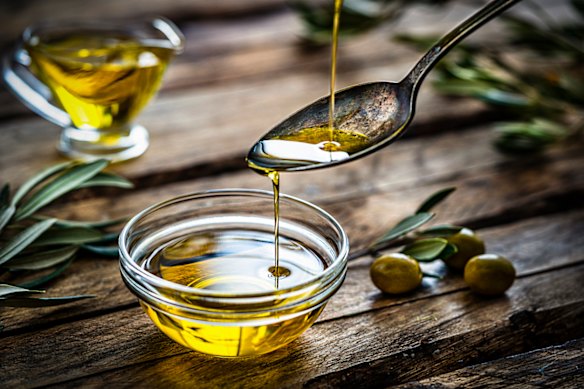
Have you ever wondered what happens to your extra virgin olive oil when the temperature drops? Maybe you’ve left it outside on a chilly day or stored it in the fridge and noticed something strange.
Does extra virgin olive oil freeze like water, or does it behave differently? Understanding this can help you keep your oil fresh and tasty for longer. Keep reading to discover the surprising truth about how cold affects your favorite kitchen staple—and learn simple tips to make sure your olive oil stays perfect every time you use it.
Freezing Point Of Extra Virgin Olive Oil
Understanding the freezing point of extra virgin olive oil can help you store it properly and maintain its quality. Unlike water, olive oil doesn’t freeze into a hard block, but it does solidify at low temperatures. Knowing when and how this happens can save you from surprises in your kitchen.
Temperature Range For Solidification
Extra virgin olive oil starts to solidify between 32°F (0°C)and 21°F (-6°C). This means it doesn’t freeze at a single temperature like water but goes through a gradual thickening process. You might notice your oil turning cloudy or developing small crystals when it gets cold.
If you’ve ever left a bottle in the fridge, you’ve probably seen this happen. The oil becomes cloudy or semi-solid but melts back to liquid when warmed. This solidification doesn’t harm the oil or its flavor—it’s just a physical change due to temperature.
Factors Affecting Freezing Point
The exact freezing point of your olive oil depends on several factors. One major factor is the oil’s fatty acid composition. Oils with higher levels of saturated fats solidify at higher temperatures.
Other factors include:
- Purity:Extra virgin olive oil, being less refined, tends to freeze at a slightly higher temperature than refined oils.
- Storage conditions:Frequent temperature changes can affect the oil’s texture and appearance.
- Varietal differences:Different olive varieties produce oils with varying freezing points.
Have you noticed your olive oil behaving differently in winter? This is why the type of oil and how you store it matters. Next time you see your oil turn cloudy, you’ll know it’s just a natural response to the cold, not a sign that it has gone bad.
Physical Changes During Freezing
Freezing extra virgin olive oil triggers several noticeable physical changes. These shifts can affect how the oil looks, feels, and even smells once it’s thawed. Understanding these changes helps you decide if freezing is right for your olive oil storage needs.
Appearance And Texture Shifts
When extra virgin olive oil freezes, it often turns cloudy or opaque instead of its usual clear, golden color. This happens because the fats inside solidify at low temperatures. You might also see small white crystals forming, which are perfectly normal and harmless.
The texture changes too. Frozen olive oil becomes thick and sludgy, losing its smooth, liquid flow. Once thawed, it usually returns to its original texture, but sometimes it may feel slightly grainy if the oil’s quality isn’t top-notch.
Impact On Aroma And Flavor
The aroma of olive oil can be delicate, and freezing might dull its fresh, fruity scents. Some subtle notes you enjoy could become less noticeable after thawing. However, if the oil was high quality to start with, most of the flavor will remain intact.
Have you ever noticed a slight bitterness or sharpness in your oil after freezing? This can happen as some flavor compounds react differently to cold. To keep your oil tasting great, avoid freezing for long periods and always store it in an airtight container.
Effects On Nutritional Value
Freezing extra virgin olive oil might seem like a good way to extend its shelf life, but how does it affect the nutritional value? Understanding these effects is important if you want to get the most health benefits from your oil. Let’s look at what happens to the antioxidants and fatty acids when olive oil freezes.
Preservation Of Antioxidants
Antioxidants in extra virgin olive oil, such as polyphenols and vitamin E, are key to its health benefits. Freezing tends to preserve these antioxidants well because the cold temperature slows down oxidation. I once froze a bottle of olive oil for a month and noticed no change in its peppery taste, which signals healthy polyphenol content.
However, repeated freezing and thawing could cause some loss. So, if you freeze your oil, try to keep it in small portions to avoid multiple freeze-thaw cycles. This way, you can keep the antioxidants intact longer.
Changes In Fatty Acid Composition
The fatty acids in extra virgin olive oil, mostly monounsaturated fats, are quite stable under freezing conditions. Freezing does not significantly alter their composition or health benefits. This means your heart-healthy fats remain effective even after freezing.
Still, if the oil is exposed to air or light during freezing and thawing, oxidation might increase, which can degrade these fats. Do you store your olive oil in tightly sealed containers? This simple step can protect the fatty acids and maintain quality.

Credit: www.youtube.com
Safe Storage Practices
Proper storage of extra virgin olive oil is essential to keep its flavor and quality intact. Oil can lose taste and nutrients if stored incorrectly. Understanding the right conditions helps prevent damage caused by temperature changes and light exposure. Safe storage keeps the oil fresh and ready for use in cooking or salads.
Ideal Temperature For Storage
Extra virgin olive oil stays best at cool room temperature. The ideal range is between 57°F and 70°F (14°C to 21°C). Temperatures above 70°F speed up oil aging and reduce quality. Below 57°F, oil can thicken or crystallize but usually returns to normal when warmed. Avoid storing oil near heat sources like stoves or ovens. Keep it in a dark, dry place to protect from light and heat.
Avoiding Freezing And Thawing Cycles
Freezing olive oil is not harmful but not recommended. Oil can become cloudy or solidify at very low temperatures. Repeated freezing and thawing can change oil texture and flavor. This cycle may cause tiny cracks in the bottle or container, allowing air inside. Air exposure can lead to faster spoilage and loss of nutrients. Store oil in a steady, cool place to avoid these cycles and preserve its quality longer.
Myths And Misconceptions
Extra virgin olive oil (EVOO) is a kitchen staple, yet many are unsure about how it behaves in cold conditions. Myths about freezing EVOO often cause confusion, leading people to avoid storing it in the freezer altogether. Let’s clear up these misunderstandings and get to the facts.
Common Beliefs About Freezing Evoo
Many believe that freezing EVOO will ruin its flavor and texture. You might have heard that it becomes cloudy, thick, or even solidifies into an unusable state. Some worry that freezing breaks down the oil’s healthy compounds or causes it to go rancid faster.
Another common idea is that once frozen, EVOO can’t return to its original quality. People often think that freezing damages the delicate aroma and taste, making it less enjoyable for cooking or drizzling.
Scientific Evidence Against Myths
Scientific studies show that freezing EVOO does not harm its quality. The cloudiness you see when EVOO is chilled is just the natural waxes solidifying—it disappears once the oil warms up. This change is temporary and does not affect the oil’s taste or nutritional benefits.
Research confirms that freezing preserves the antioxidants and polyphenols in EVOO, which are responsible for its health benefits. In fact, freezing can extend the shelf life by slowing down oxidation processes.
Have you ever tried freezing your EVOO and noticed it thickens? That’s normal. When thawed at room temperature, it quickly returns to its liquid form without any loss in quality. So, don’t hesitate to freeze your EVOO if you want to keep it fresh for longer.

Credit: olivoamigo.com
Practical Tips For Handling Frozen Evoo
Extra Virgin Olive Oil (EVOO) is a kitchen staple. Sometimes, it might freeze. Knowing how to handle frozen EVOO is useful. This section offers practical tips for managing it. Learn how to thaw and use it effectively.
Thawing Techniques
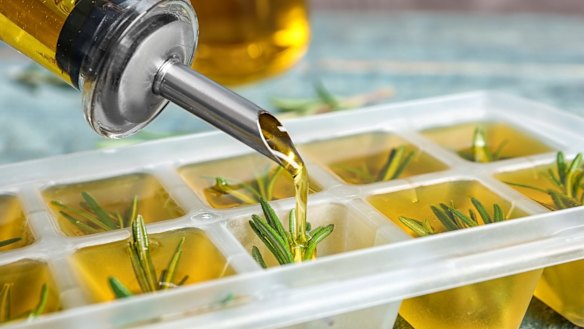
Frozen EVOO requires gentle thawing. Start by moving it to a warmer spot. A room temperature area works best. Avoid direct sunlight or heat sources. Quick thawing can damage the oil. Another method is using warm water. Place the container in a bowl of warm water. Ensure the lid is tight to prevent water from seeping in. This method is gentle and effective.
Usage After Freezing
Frozen EVOO maintains quality after thawing. Stir well before use. This ensures even consistency. Use it like fresh oil for cooking or dressings. The flavor and benefits remain intact. Note the texture might slightly change. This does not affect its culinary value. Store thawed oil at room temperature for daily use.
Credit: www.smh.com.au
Frequently Asked Questions
Does Extra Virgin Olive Oil Freeze In The Fridge?
Extra virgin olive oil can become cloudy and thicken in the fridge. It doesn’t fully freeze but solidifies at low temperatures. This change is temporary and does not harm the oil’s quality or flavor.
What Temperature Does Olive Oil Freeze?
Olive oil starts to solidify around 32°F (0°C) and fully thickens below 20°F (-6°C). Different types vary slightly due to fatty acid composition. It’s normal for extra virgin olive oil to freeze at these low temperatures.
Does Freezing Affect Extra Virgin Olive Oil Quality?
Freezing does not damage extra virgin olive oil’s quality or nutritional value. The oil may change texture but regains normal consistency at room temperature. Proper storage away from heat and light is more important than freezing.
How To Thaw Frozen Extra Virgin Olive Oil?
To thaw, leave the oil at room temperature for a few hours. Avoid using heat to speed thawing as it can degrade the oil. The oil will return to its liquid state naturally without quality loss.
Conclusion
Extra virgin olive oil can freeze in very cold temperatures. Freezing does not harm its quality or taste. The oil may become cloudy or solid but will return to normal when warm. Store olive oil in a cool, dark place to keep it fresh longer.
Avoid freezing unless necessary, as it is best used fresh. Remember, freezing is safe but often not needed. Keep your oil ready for cooking or salads without worry. Simple care helps maintain its flavor and health benefits.