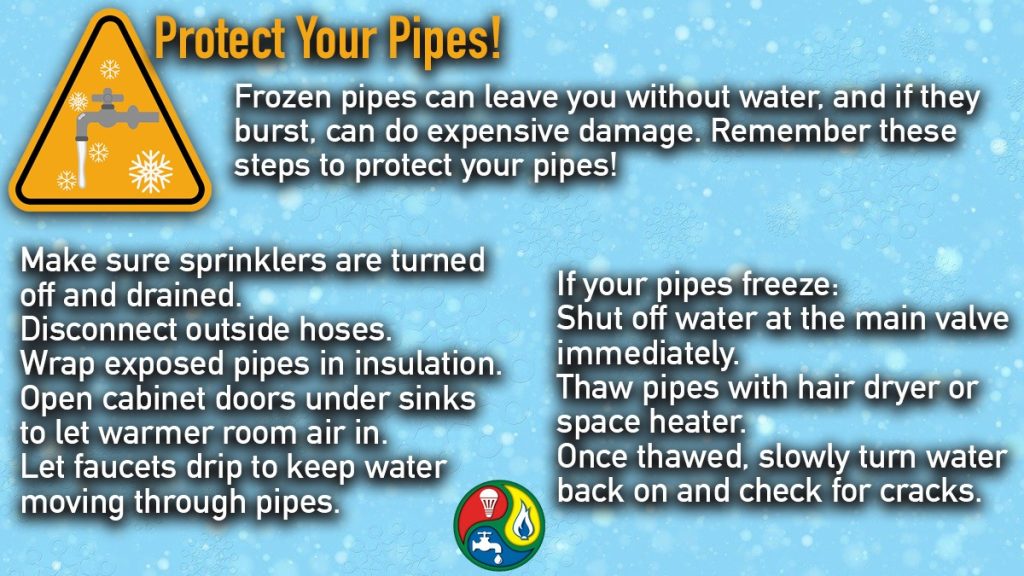
Have you ever worried about your sprinklers freezing when the temperature drops? Knowing exactly what temperature causes your sprinklers to freeze can save you from costly repairs and a dry lawn come spring.
If you want to protect your irrigation system and avoid unexpected damage, understanding how cold is too cold for your sprinklers is essential. Keep reading to find out the key temperatures to watch for and simple steps you can take to keep your sprinklers safe all winter long.

Credit: extension.psu.edu
Sprinkler Freeze Points
Understanding the freeze points of sprinklers is crucial for home maintenance. As temperatures drop, sprinklers risk freezing, which can lead to costly damage. Knowing the specific temperatures and factors that influence freezing helps prevent issues.
Freezing Temperature Range
Sprinklers typically freeze at 32 degrees Fahrenheit or lower. The pipes and heads are vulnerable to cold weather. Even a small drop below freezing can cause problems. It’s important to monitor temperatures closely, especially during winter.
Factors Influencing Freeze Risk
Several factors can increase the risk of sprinklers freezing. The material of the pipes plays a significant role. Metal pipes conduct cold more efficiently than plastic ones. Insulation levels around pipes also affect their vulnerability. Poor insulation means higher freeze risks.
Location is another crucial factor. Sprinklers in shaded areas freeze faster than those in sunlight. Wind exposure can hasten freezing by lowering perceived temperatures. Consider these elements to protect your sprinkler system from cold damage.

Credit: www.phcppros.com
Signs Of Frozen Sprinklers
Knowing the signs of frozen sprinklers can save you from costly repairs and wasted water. Frozen pipes don’t always announce themselves loudly; sometimes, the clues are subtle. Paying attention early can help you act before damage worsens.
Visible Ice Formation
One of the clearest signs your sprinklers have frozen is seeing ice around the sprinkler heads or pipes. Ice may appear as a thin layer or thick chunks depending on the severity. Spotting this early means you can take action before the ice blocks water flow entirely.
Have you ever noticed frost gathering on your sprinkler heads on a cold morning? That’s a red flag. Don’t ignore even small amounts of ice—sprinkler systems are vulnerable in freezing temperatures.
Reduced Water Flow
If your sprinklers suddenly spray weakly or inconsistently, frozen pipes might be the cause. Ice inside the pipes restricts water movement, leading to lower pressure. This is often the first functional sign that something’s wrong.
Think about the last time your sprinklers didn’t cover your lawn properly. Could reduced water flow be due to freezing? Checking your system’s pressure during cold snaps can reveal hidden ice blockages.
System Damage Indicators
Frozen sprinklers can lead to cracks and leaks, which might show up as soggy spots or puddles near your irrigation system. You might also hear unusual noises like banging or whistling when the system runs. These are warning signs that your pipes or valves could be damaged.
Have you noticed unexplained wet areas in your yard during winter? It might be a hidden leak from frozen, cracked pipes. Catching these issues early helps prevent bigger problems and expensive fixes.
Winterizing Sprinkler Systems
Winterizing your sprinkler system is essential to prevent costly damage during freezing temperatures. Water trapped inside pipes can expand as it freezes, causing cracks and leaks. Taking the right steps to prepare your system can save you from unexpected repairs and keep your lawn healthy year-round.
Draining Water Lines
Removing all water from your sprinkler pipes is a crucial first step. You can do this by opening the manual drain valves or using the automatic drain feature if your system has one. Leaving any water inside can lead to burst pipes when temperatures drop below 32°F (0°C).
Have you checked your system for any hidden water pockets? Even small amounts of trapped water can cause damage. Make sure each zone is fully drained before moving on.
Using Compressed Air
Blowing out your sprinkler lines with compressed air is an effective way to remove leftover water. Use an air compressor with a fitting designed for irrigation systems, and apply short bursts of air to push water out of the pipes.
Be careful not to use too much pressure. Around 50-80 psi is usually enough to clear the lines without damaging the system. Remember, rushing this step might leave water behind, so take your time.
Insulating Components
After clearing the water, protect vulnerable parts like backflow preventers, valves, and above-ground pipes with insulation. Foam covers, heat tape, or even old towels wrapped with plastic can work well.
Do you know which parts of your system are most exposed to cold? Focus on those spots to prevent freezing damage. Proper insulation adds an extra layer of security during harsh winter nights.
Preventing Freeze Damage
Sprinkler systems can freeze when temperatures drop near or below 32°F (0°C). Frozen water inside pipes causes cracks and breaks. Protecting your system from freezing helps avoid costly repairs and water waste. Taking steps before cold weather arrives is essential.
Scheduling System Shutdown
Turn off the sprinkler system before the first freeze. Set a date based on local weather forecasts. Drain all water from pipes and valves after shutdown. This prevents water from freezing inside the system. Avoid running sprinklers during cold nights.
Utilizing Smart Controllers
Smart controllers adjust watering schedules based on weather. They can pause irrigation during cold spells automatically. These devices help save water and protect pipes from freezing. Choose controllers with freeze sensors for best results. Remote control options make adjustments easy.
Regular Maintenance Tips
- Inspect pipes and valves for leaks or damage.
- Clear debris from sprinkler heads to ensure proper flow.
- Test the system in fall to confirm it drains completely.
- Replace worn or cracked parts before winter.
- Cover exposed pipes with insulation sleeves.
Regular checks reduce freeze risks and keep your system ready. Proper maintenance extends the life of your sprinkler setup.
Emergency Steps For Frozen Sprinklers
Frozen sprinklers can cause major problems. Acting fast helps prevent serious damage. Knowing the right emergency steps can save your system and your money. The focus is on thawing safely, stopping more damage, and knowing when to get expert help.
Thawing Techniques
Start by gently warming the frozen pipes. Use a hairdryer or heat lamp at a safe distance. Wrap pipes with warm towels and replace them often. Avoid open flames or high heat sources to prevent pipe bursts. Keep water flowing slightly to help melt ice faster.
Avoiding Further Damage
Turn off the sprinkler system’s water supply immediately. Check for any visible cracks or leaks after thawing. Insulate exposed pipes with foam or heat tape for future protection. Clear snow and ice around sprinkler heads to reduce freezing risk. Keep the system off until fully thawed and inspected.
When To Call A Professional
Call a professional if pipes burst or leaks appear. Seek help if you cannot locate the frozen section. Contact an expert for repeated freezing problems or extensive damage. A professional can perform repairs and advise on winterizing. Don’t delay if damage worsens or water leaks persist.
Credit: www.dripworks.com
Frequently Asked Questions
At What Temperature Do Sprinklers Typically Freeze?
Sprinklers usually freeze when temperatures drop below 32°F (0°C). Ice forms inside pipes, causing blockages and damage. Proper winterization is essential to prevent freezing and costly repairs.
How Can I Prevent Sprinkler Systems From Freezing?
Drain and blow out sprinkler lines before freezing weather. Use insulated covers on above-ground components. Regular maintenance and winterization protect the system from cold damage.
What Happens If Sprinkler Pipes Freeze?
Frozen pipes can crack or burst, leading to leaks and water damage. This results in costly repairs and system downtime. Prevent freezing to ensure sprinkler longevity and functionality.
When Should I Winterize My Sprinkler System?
Winterize sprinklers before temperatures consistently fall below 32°F (0°C). This is usually in late fall. Early preparation helps avoid freezing damage and maintains system efficiency.
Conclusion
Sprinklers can freeze when temperatures drop below 32°F (0°C). Frozen sprinklers may crack or stop working properly. Protect your system by draining water before cold weather. Insulate pipes and sprinkler heads to avoid damage. Regular checks help catch problems early and save money.
Taking simple steps keeps your sprinklers safe and ready for spring. Don’t let freezing temperatures ruin your irrigation system. Stay prepared and maintain your sprinklers all winter long.