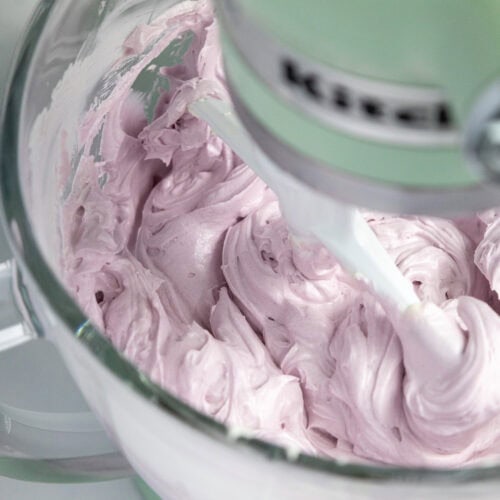
Imagine adding a subtle, calming twist to your favorite cakes and cupcakes that will surprise and delight everyone who tastes them. You can easily create this magic with lavender icing.
If you’ve ever wondered how to make lavender icing that’s both beautiful and bursting with gentle floral flavor, you’re in the right place. In this guide, you’ll discover simple steps to whip up this unique icing at home, turning your baked treats into unforgettable delights.
Ready to impress your friends and satisfy your sweet tooth with something truly special? Let’s get started!
Benefits Of Lavender Icing
Lavender icing adds a delicate floral flavor and a lovely purple tint to desserts. It enhances taste while giving a fresh, calming aroma to baked goods. Perfect for cakes, cookies, and cupcakes, it makes treats both beautiful and tasty.
Lavender icing is more than just a beautiful addition to your baked goods. This aromatic delight not only elevates the flavor profile of your desserts but also offers a multitude of benefits. Imagine the gentle aroma of lavender wafting through your kitchen, transforming your baking experience into a calming ritual. But what makes lavender icing so special? Let’s dive into the benefits that make it a must-try for every baking enthusiast.Enhances Flavor And Aroma
Lavender icing introduces a unique floral taste that’s both subtle and sophisticated. It pairs exceptionally well with vanilla or lemon cakes, adding a depth of flavor that’s hard to resist. The aroma of lavender can also create a soothing atmosphere, making your baking process more enjoyable.Natural Stress Reliever
Lavender is renowned for its calming properties. By using lavender icing, you can infuse your desserts with a touch of relaxation. Imagine serving a lavender-iced cupcake at a gathering and watching your guests feel more at ease.Beautiful Aesthetic Appeal
The delicate purple hue of lavender icing can turn any ordinary cake into a stunning centerpiece. It’s perfect for weddings, baby showers, or any event where elegance is the goal. The visual appeal of lavender icing can also make your homemade treats Instagram-worthy.Versatile Usage
Lavender icing isn’t just for cakes. You can drizzle it over cookies, scones, or even pancakes to add a gourmet touch. Its versatility means you can experiment and find the perfect combination that suits your taste.Easy To Make
Creating lavender icing at home is surprisingly simple. You can use dried lavender buds or lavender extract to achieve the desired flavor. With a few basic ingredients and a little creativity, you can whip up this delightful icing in no time. Have you ever thought about the impact that a simple ingredient like lavender can have on your baking? Try lavender icing and experience its benefits first-hand.
Credit: freshbeanbakery.com
Choosing The Right Lavender
Choosing the right lavender is essential for making delicious and safe lavender icing. Not all lavender is created equal, and picking the wrong type can affect the flavor and even pose health risks. Knowing what to look for will help you add that perfect floral touch to your baked goods.
Edible Vs. Non-edible Lavender
Not all lavender is safe to eat. Edible lavender varieties, such as Lavandula angustifolia (English lavender), are gentle in flavor and free from harmful chemicals.
Non-edible lavender, like Lavandula stoechas or Lavandula latifolia, often has a stronger, more medicinal taste and may be treated with pesticides or other chemicals. Using these types in your icing can ruin the flavor and might be unsafe.
Always double-check the lavender variety before you buy. If a label doesn’t say “culinary” or “edible,” it’s better to avoid it. Have you ever wondered why some lavender tastes so bitter? It’s usually because it’s non-edible or not meant for cooking.
Where To Buy Lavender
Finding quality edible lavender isn’t always easy. Farmers markets, specialty grocery stores, and health food stores often carry culinary lavender. These places typically sell lavender that’s grown without harmful chemicals.
Online shops are another great option. Look for sellers that specifically label their lavender as culinary or edible. Reading customer reviews can help you avoid low-quality products.
Consider growing your own lavender if you want the freshest supply. It’s surprisingly easy and gives you full control over how it’s grown. What would it mean for your baking to have fresh, home-grown lavender on hand?
Ingredients For Lavender Icing
Choosing the right ingredients is key to making lavender icing that tastes as delightful as it looks. Each component plays an important role in balancing the floral notes and sweetness. Getting familiar with these ingredients will help you customize your icing exactly how you like it.
Sugar Base
The foundation of any icing is the sugar. Powdered sugar, also known as confectioners’ sugar, is ideal because it dissolves smoothly and creates a creamy texture. Have you ever tried using granulated sugar? It won’t give you that perfect, silky finish you want for lavender icing.
Butter Or Cream Cheese
Butter adds richness and a smooth mouthfeel to your icing. If you prefer a tangier flavor, cream cheese is a great alternative. Both options help the lavender flavor stand out without overpowering it.
Lavender Flavoring
Real lavender buds or culinary lavender extract provide the signature floral note. Using dried lavender buds lets you infuse the butter or cream for a subtle taste. If you want a stronger flavor, lavender extract or lavender syrup works well. Have you ever considered how the intensity of the lavender changes depending on the form you use?
Liquid Ingredients
Milk or heavy cream helps adjust the consistency of the icing, making it spreadable but not runny. A small splash is usually enough to get the perfect texture. Adding a drop of vanilla extract here can also enhance the overall flavor.
Optional Add-ins
- Lemon zest:Adds a fresh, citrusy contrast that brightens the floral notes.
- Honey:Brings natural sweetness and complements lavender beautifully.
- Food coloring:If you want a pastel purple hue, a tiny amount of purple food coloring can make your icing visually stunning.
Preparing Lavender Infused Liquid
Preparing lavender infused liquid is the first step to a fragrant, flavorful icing. It gently extracts the floral notes from lavender buds. This liquid adds a subtle, natural taste to your icing. Choose between milk or water as your base. Each base offers a different texture and flavor to your final icing.
Steeping Lavender In Milk Or Water
Start by heating your milk or water until warm but not boiling. Add dried culinary lavender buds to the warm liquid. Let the lavender steep for 10 to 15 minutes. This allows the flavors to infuse fully. Stir occasionally to spread the lavender aroma evenly. Avoid overheating to keep the delicate flavor intact.
Straining The Infusion
Use a fine mesh strainer or cheesecloth to separate the lavender buds. Pour the liquid slowly to catch all solids. Press gently to release every drop of infused liquid. Remove any leftover bits for a smooth texture. This clear lavender liquid will blend perfectly into your icing.
Mixing The Icing
Mixing the icing is where the magic really begins. The textures and flavors come together, creating the perfect balance that will complement your baked goods beautifully. Pay attention to each step to ensure your lavender icing turns out smooth, flavorful, and just the right consistency.
Combining Sugar And Butter
Start by beating softened butter until it’s creamy and smooth. This creates a light base that holds the sugar well and gives your icing a fluffy texture.
Gradually add powdered sugar to the butter, mixing slowly at first to avoid a sugar cloud in your kitchen. Once combined, increase the speed and beat until the mixture feels light and silky.
Adding Lavender Infusion
Now comes the exciting part — adding the lavender flavor. Use a lavender infusion or a lavender extract to bring that floral note into your icing.
Pour in small amounts at a time, tasting as you go. Lavender can be strong, so it’s easy to overdo it. Have you ever added too much of a powerful ingredient and had to start over? This is your chance to avoid that!
Adjusting Consistency And Flavor
Check the texture of your icing; it should be thick enough to hold its shape but soft enough to spread easily. If it feels too stiff, add a teaspoon of milk or cream to loosen it up.
Too runny? Add a little more powdered sugar until you reach the right balance. Don’t forget to taste again — sometimes a pinch of salt or a touch more lavender can make all the difference.
Credit: notentirelyaverage.com
Coloring And Flavor Enhancements
Coloring and flavor enhancements play a key role in making lavender icing more appealing and delicious. The gentle purple hue and subtle floral taste create a delightful experience. Simple natural ingredients can enhance both color and flavor without overpowering the icing.
Natural Coloring Options
Use natural sources to give your lavender icing a soft purple tint. These options keep the icing looking fresh and inviting.
- Butterfly pea flower powder: Adds a blue tint that blends with lavender’s purple.
- Beet juice or powder: Gives a gentle pinkish-purple color.
- Blueberries: Mash and strain to create a light purple dye.
- Red cabbage juice: Mix with a little baking soda to turn purple.
These natural colors avoid artificial dyes. They keep the icing safe and tasty for everyone.
Boosting Floral Notes
Enhance the lavender flavor to make your icing more fragrant and rich. Use natural ingredients to intensify the floral notes without bitterness.
- Lavender extract: A few drops add concentrated floral flavor.
- Honey: Adds sweetness and a subtle floral hint.
- Vanilla extract: Balances lavender’s sharpness with smooth warmth.
- Lemon zest: Brightens the flavor and complements lavender’s aroma.
Use these enhancements carefully. They bring out the best in your lavender icing.
Tips For Applying Lavender Icing
Applying lavender icing can be a delightful experience, especially when you know the right tips to make it smooth and visually appealing. The way you spread and decorate with this fragrant icing can change the entire look of your baked treats. Let’s talk about the best tools to help you achieve a flawless finish and some creative decorating ideas that bring out the charm of lavender icing.
Best Tools For Spreading
Choosing the right tool can make spreading lavender icing easier and more precise. A small offset spatula is excellent for a smooth, even layer without breaking the delicate crumb of your cake or cupcake.
If you want a rustic, natural look, try using a butter knife or the back of a spoon. They give you control and can create pretty texture lines that catch the light.
- Offset spatula:Perfect for thin, even layers and smooth finishes.
- Butter knife or spoon:Great for casual, textured spreads that look homemade.
- Piping bag with a round tip:Ideal if you want to pipe precise dots, lines, or swirls.
Have you ever noticed how the right tool can save you time and reduce frustration? Experiment with what feels comfortable and watch your lavender icing come to life.
Decorating Ideas With Lavender
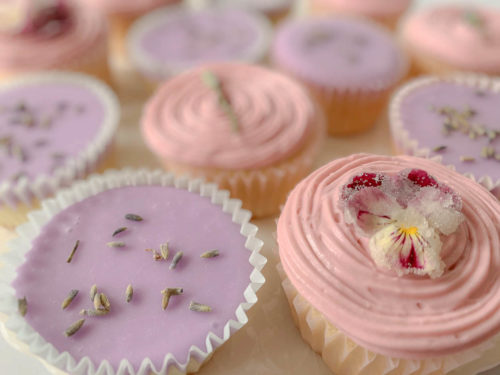
Lavender icing naturally adds a soft purple hue, but you can enhance its beauty with simple decorations. Fresh or dried lavender buds sprinkled on top create a stunning, aromatic finish that delights the senses.
Try adding edible silver or pearl beads for a touch of elegance. They contrast beautifully with the pastel icing and make your treats stand out at any event.
- Fresh lavender sprigs:Place a small sprig on cupcakes for a natural, fragrant touch.
- Dried lavender buds:Lightly scatter over the icing for texture and a subtle scent.
- Edible glitter or beads:Add sparkle and sophistication to your presentation.
Why settle for plain icing when you can make your creations memorable with just a few additions? Think about the occasion and your personal style to guide your decorating choices.
Storage And Shelf Life
Proper storage keeps lavender icing fresh and tasty. Knowing how long it lasts helps avoid waste. Store icing carefully to keep its flavor and texture.
How To Store Lavender Icing
Place the icing in an airtight container. Use plastic wrap over the surface before sealing. Keep it in the refrigerator to slow down spoilage. Avoid storing near strong-smelling foods to prevent flavor absorption.
How Long Does Lavender Icing Last?
Refrigerated lavender icing stays fresh for up to one week. For longer storage, freeze it in a sealed container. Frozen icing keeps well for up to three months. Thaw in the fridge before use and stir gently.
Signs Lavender Icing Has Gone Bad
- Change in color or texture
- Sour or off smell
- Visible mold spots
- Unusual separation of ingredients
Discard icing if any of these signs appear. Fresh icing should look smooth and smell sweet.

Credit: www.myhumblekitchen.com
Frequently Asked Questions
What Ingredients Are Needed For Lavender Icing?
You need powdered sugar, butter, milk, vanilla extract, and dried culinary lavender. These ingredients create a smooth, fragrant, and flavorful icing.
How Do You Infuse Lavender Flavor Into Icing?
Steep dried lavender buds in warm milk for 10 minutes. Strain the milk before mixing with sugar and butter to infuse flavor.
Can I Use Fresh Lavender For Making Icing?
Fresh lavender can be used but in smaller amounts. It has a stronger flavor, so use sparingly to avoid bitterness.
How Long Does Lavender Icing Last?
Lavender icing lasts up to 5 days when refrigerated in an airtight container. Bring it to room temperature before use.
Conclusion
Making lavender icing is simple and fun to try at home. Fresh or dried lavender adds a unique, sweet flavor. Use it to decorate cakes, cookies, or cupcakes easily. This icing can make any dessert look and taste special. Experiment with the amount of lavender to find your favorite taste.
Store leftovers in a cool place for later use. Enjoy baking with this lovely, fragrant icing. Give your treats a gentle floral twist today!