
Want to make perfect royal icing but don’t have a mixer? You’re not alone.
Many people struggle with finding the right tools but still want that smooth, glossy icing for decorating cookies or cakes. The good news is—you can create beautiful royal icing using just a few simple steps and common kitchen tools. In this guide, you’ll learn how to whip up royal icing without a mixer, saving time and avoiding extra cleanup.
Keep reading, and you’ll discover easy tips that make your baking projects look professional every time.

Credit: therebelspatula.com
Ingredients Needed
Gather powdered sugar, egg whites or meringue powder, and a small amount of water. These simple ingredients create smooth royal icing without a mixer.
Making royal icing without a mixer might seem challenging, but with the right ingredients, it’s easier than you think. You don’t need a fancy kitchen setup to create a smooth, glossy icing perfect for decorating cookies, cakes, and more. Let’s dive into what you’ll need to get started.Essential Components
To make royal icing, start with the basics. You’ll need:- Powdered Sugar:The finer the sugar, the smoother your icing will be. Ensure it’s sifted to remove any lumps.
- Egg Whites:Fresh egg whites work best, but pasteurized egg whites or meringue powder can be used as a safe alternative.
- Lemon Juice:A small splash helps stabilize the egg whites and adds a subtle tang to the icing.
Optional Additions
Want to elevate your royal icing? Consider these optional ingredients:- Vanilla Extract:A teaspoon adds a delightful aroma and enhances the flavor. Choose clear vanilla if you want to maintain a bright white icing.
- Food Coloring:Gel or paste food colors are perfect for achieving vibrant hues without altering the icing’s consistency.
- Glycerin:Adding a few drops keeps the icing shiny and prevents it from drying too hard, especially useful for intricate designs.
Tools Required
Making royal icing without a mixer is simple with the right tools. These tools help you mix, measure, and achieve the perfect texture. You do not need fancy equipment, just some basic kitchen utensils and helpful accessories. Gather these before you start to make the process smooth and easy.
Basic Kitchen Utensils
- Mixing bowl – Preferably glass or metal for easy cleaning
- Whisk – A sturdy hand whisk works best for manual mixing
- Measuring cups and spoons – For accurate ingredient measurements
- Spoon or spatula – To scrape the sides of the bowl
- Sifter or fine mesh sieve – To sift powdered sugar and avoid lumps
Helpful Accessories
- Bowl scraper – Helps to gather all icing from the bowl
- Timer – To keep track of mixing and resting times
- Small sieve or strainer – For extra smooth icing
- Plastic wrap – To cover the icing and prevent drying
- Cooling rack – To dry decorated cookies evenly
Step-by-step Mixing Process
Making royal icing without a mixer is simple and rewarding. The key is to mix slowly and carefully. This process ensures smooth and fluffy icing that holds its shape well. Follow these steps to get the perfect texture for decorating cakes, cookies, and more.
Preparing The Egg Whites
Use fresh egg whites at room temperature for best results. Separate the whites carefully, avoiding any yolk. Place them in a clean, dry bowl. Whisk the egg whites with a fork or a balloon whisk. Beat until the whites become frothy and slightly thickened.
Adding Sugar Gradually
Use fine powdered sugar for a smooth texture. Add sugar in small batches to the frothy egg whites. Stir gently after each addition to dissolve the sugar. Continue adding sugar until the mixture becomes thick and glossy. Take your time to avoid lumps in the icing.
Achieving Desired Consistency
Adjust the icing thickness by adding a few drops of water or more powdered sugar. For outlining, make the icing stiff and firm. For flooding, thin the icing until it flows slowly. Test the icing by lifting the whisk; it should form soft peaks but hold shape well.
Tips For Smooth Icing
Getting that perfect smooth texture in royal icing without a mixer might seem tricky, but it’s completely doable with a few simple tricks. Smooth icing not only looks better but also makes decorating easier and more enjoyable. Let’s dive into key tips that help you avoid common problems and achieve flawless icing every time.
Avoiding Lumps
Lumps can ruin the smooth finish you want in royal icing. To stop them from forming, sift your powdered sugar carefully before mixing. This breaks up clumps and ensures a silky base.
When you mix by hand, use a whisk or fork to stir gently but thoroughly. Rapid, harsh stirring can trap air bubbles, but slow, steady mixing helps dissolve sugar evenly.
Have you noticed lumps appearing after resting? Give your icing a quick stir before use to smooth it out again.
Adjusting Thickness
Royal icing consistency is key for different decorating needs. If your icing is too thick, add tiny amounts of water—just a few drops at a time—and stir well. This prevents over-thinning, which makes the icing runny.
Too thin? Slowly add more sifted powdered sugar, mixing gently until you reach the right stiffness. A good test is to lift your spatula; the icing should flow smoothly but hold its shape.
Think about the project—flooding cookies needs thinner icing, while piping details require something thicker.
Preventing Cracks
Cracks often happen when icing dries too fast or is too thick. To avoid this, keep your workspace at moderate humidity—too dry air can cause your icing to crack as it dries.
If you notice cracks forming, try adding a tiny bit of corn syrup or glycerin. These ingredients keep the icing flexible and less likely to break.
Have you tried covering your iced cookies with a damp cloth while they dry? It slows the drying process and helps prevent cracks.
Coloring And Flavoring
Coloring and flavoring royal icing without a mixer is simple and fun. These elements make your icing stand out and taste great. You can choose natural or artificial colors to match your theme. Flavors add a personal touch that delights everyone.
Natural Vs Artificial Colors
Natural colors come from fruits, vegetables, and spices. Examples include beet juice, spinach powder, and turmeric. These colors are safe and gentle on the skin. They give soft, earthy tones to your icing.
Artificial colors are bright and bold. They come in many shades and are easy to use. Artificial colors mix well and give consistent results. Use only a small amount to avoid strong taste changes.
Both types have their benefits. Natural colors suit a healthy, organic look. Artificial colors fit vibrant and playful designs. Choose based on your project’s style and preference.
Popular Flavor Enhancements
Vanilla extract is the most common flavor for royal icing. It adds sweetness and warmth to the icing. Almond extract offers a nutty, rich taste. It pairs well with many baked goods.
Lemon juice or zest brings a fresh, tangy note. It lightens the sweetness and adds zestiness. Peppermint extract creates a cool, refreshing flavor. Perfect for holiday-themed treats.
Other options include coconut, maple, and orange extracts. Start with a few drops to avoid overpowering. Mix well to spread the flavor evenly through the icing.

Credit: www.favfamilyrecipes.com
Storage And Usage
Proper storage and usage of royal icing ensure it stays fresh and ready for your decorating needs. Royal icing can dry out quickly, so handling it with care keeps its texture smooth and workable.
Keeping Icing Fresh
Store royal icing in an airtight container to prevent it from drying. Press a piece of plastic wrap directly on the icing surface to stop air contact. Keep the container in a cool, dry place or refrigerate it.
Before using refrigerated icing, let it reach room temperature. Stir gently to restore its smooth texture. Avoid heating it as this can change its consistency.
Reusing Leftovers
Leftover royal icing can be saved for later projects. If it hardens, add a few drops of water and mix well by hand. Use a spoon or spatula to blend until smooth.
Check the icing for any signs of spoilage, like an off smell or color change. Discard it if it looks or smells bad. Otherwise, reuse it within a few days for best results.
Troubleshooting Common Issues
Making royal icing without a mixer can sometimes lead to a few hiccups. Don’t worry if your icing doesn’t look perfect right away. Small adjustments can save your batch and get you back on track quickly.
Icing Too Runny
If your icing is too runny, it won’t hold shapes or details well. Start by adding more powdered sugar, a little at a time, and stir thoroughly after each addition.
Be careful not to add too much sugar too fast; it could make the icing thick too quickly. Also, check your environment—humidity can make icing thinner than expected. Have you noticed your kitchen’s weather affecting your icing before?
Icing Too Thick
When your icing is too thick and hard to spread or pipe, add a few drops of water or lemon juice. Mix gently and test the consistency often to avoid over-thinning.
Use a clean spoon or spatula to mix, as vigorous stirring can make icing tough. Remember, the goal is smooth and spreadable, not runny. What’s your favorite way to adjust icing texture?
Sugar Graininess
Grainy icing can ruin a smooth finish. This often happens if the powdered sugar isn’t sifted before mixing.
Try sifting the sugar next time to avoid lumps. If you’re already dealing with grainy icing, mix it longer by hand to help dissolve the sugar. Have you ever had to rescue grainy icing at the last minute?
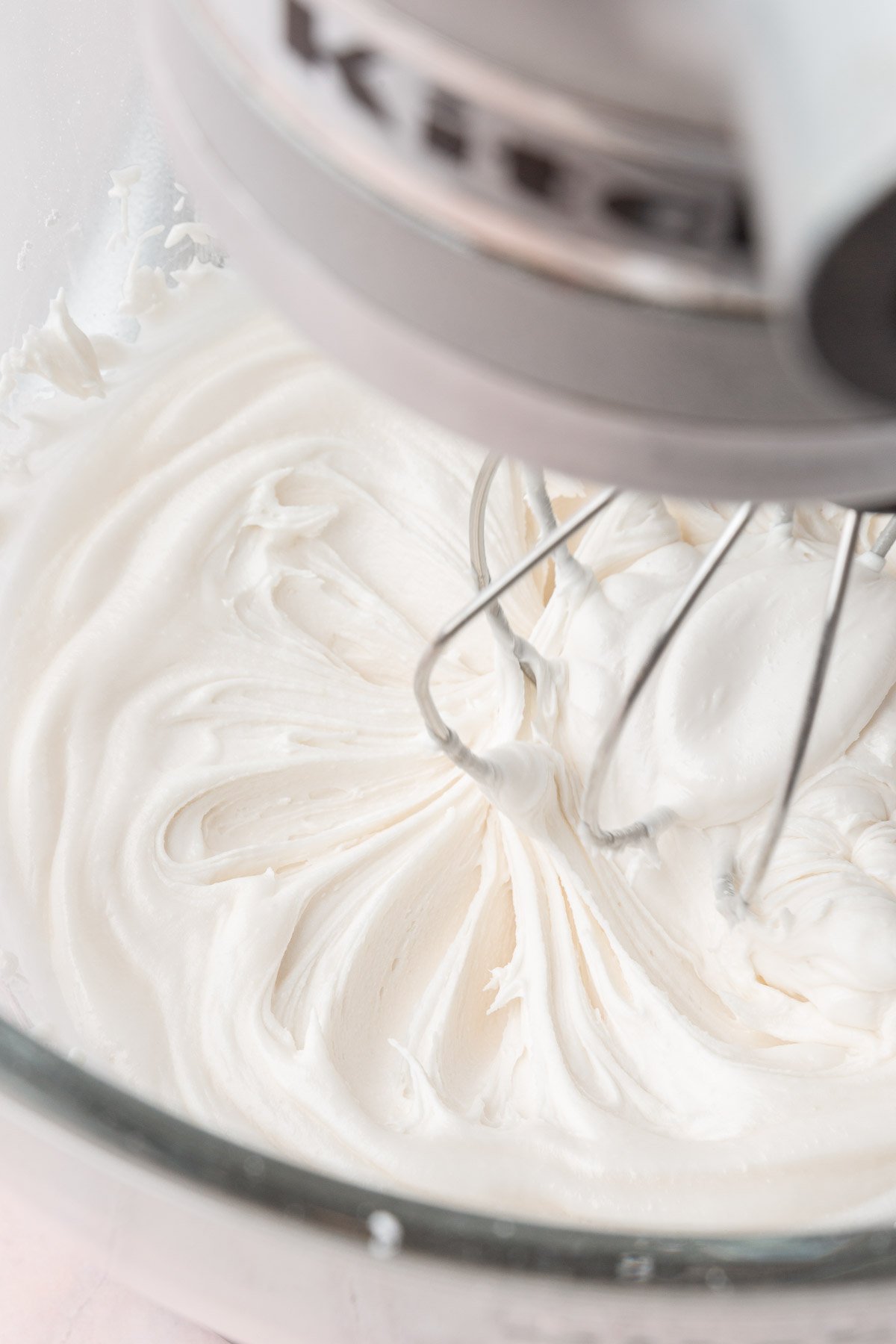
Credit: www.adashofmegnut.com
Frequently Asked Questions
How Do You Make Royal Icing Without A Mixer?
To make royal icing without a mixer, whisk egg whites and powdered sugar by hand. Use a balloon whisk for better aeration and mix until smooth and glossy.
Can I Use Meringue Powder Instead Of Egg Whites?
Yes, meringue powder is a safe alternative to egg whites. Mix it with water and powdered sugar to create royal icing without raw eggs.
How Long Does Homemade Royal Icing Last?
Homemade royal icing lasts up to 3 days at room temperature when covered. For longer storage, refrigerate in an airtight container and stir before use.
What Consistency Is Best For Piping Without A Mixer?
Medium to stiff consistency is ideal for piping details. Adjust powdered sugar or water gradually while mixing to achieve the perfect texture by hand.
Conclusion
Making royal icing without a mixer is simple and fun. Just use a bowl, a whisk, and a little patience. Whisk the ingredients well until the icing is smooth and thick. This method saves time and avoids extra tools. You can decorate cookies and cakes easily with this icing.
Try it yourself and enjoy the process. Baking becomes more creative with this easy royal icing recipe. Give it a go and see the lovely results!