Have you ever worried about your pipes freezing when the temperature drops? If you use PEX piping in your home, you might wonder, “Can PEX freeze and crack?”
Understanding how this material reacts to cold weather is crucial to protecting your plumbing and avoiding costly repairs. You’ll discover the truth about PEX pipes in freezing conditions and learn simple steps to keep your home safe and warm. Keep reading to find out what you need to know before the next cold snap hits.
Pex Pipe Basics
Pex pipes are flexible and can expand slightly if water inside freezes. Despite this, extreme cold may cause them to crack. Proper insulation helps protect Pex pipes from freezing and damage during winter months.
Pex Pipe Basics Pex pipes are popular in modern plumbing systems. They offer flexibility and durability. Made from cross-linked polyethylene, these pipes resist scale and chlorine. This makes them suitable for various plumbing applications. They are often preferred over traditional metal pipes. Easy installation and cost-effectiveness contribute to their popularity.Material Properties
Pex pipes are designed to withstand harsh conditions. They can expand and contract without breaking. This flexibility reduces the risk of leaks. Pex is also resistant to corrosion and mineral build-up. It performs well in both hot and cold temperatures. The material remains strong and reliable over time.Common Uses
Pex pipes are used in residential and commercial plumbing. They are ideal for water supply systems. Many builders use Pex for radiant floor heating. It’s also used in snow melting systems for driveways. Pex is favored in retrofitting older homes. It easily navigates around existing structures and obstacles.
Credit: www.angi.com
Freezing Risks For Pex
Freezing temperatures pose a real threat to PEX plumbing pipes. While PEX is flexible and durable, extreme cold can cause damage. Understanding the risks helps in protecting your pipes during winter months.
How Freezing Affects Pex
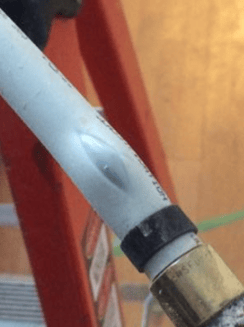
PEX pipes can expand slightly when water inside freezes. This expansion may cause the pipe to stretch or deform. If the ice pressure grows too much, the pipe can crack or burst. Cracks lead to leaks and costly repairs. PEX is more resistant than copper but not immune to freezing damage.
Temperature Thresholds
Water freezes at 32°F (0°C), but PEX pipes start facing risks below 20°F (-6°C). Prolonged exposure to temperatures near or below this point increases freeze danger. Pipes in unheated areas like basements or crawl spaces are most vulnerable. Insulating pipes and maintaining some heat can prevent freezing.
Signs Of Pex Damage
Recognizing signs of PEX damage early helps prevent costly repairs. PEX pipes can freeze and crack under extreme cold. Detecting damage quickly protects your plumbing system from leaks and bursts.
Visual Indicators
- Cracks or splits on the surface of pipes
- Discoloration or white powdery residue on pipes
- Bulging or swelling areas along the pipe
- Water stains or damp spots near pipe connections
- Visible frost or ice buildup on exposed pipes
Performance Issues
- Sudden drop in water pressure
- Cold spots in the pipe causing uneven water flow
- Slow water drainage or blockages
- Unexplained dampness or puddles around plumbing areas
- Strange noises like banging or gurgling in pipes

Credit: garynsmith.net
Preventing Freezing
Preventing freezing in PEX pipes is crucial to avoid costly repairs and water damage. Even though PEX is more flexible than traditional pipes, it can still freeze and crack under extreme cold. Taking proactive steps can protect your plumbing and give you peace of mind during winter.
Insulation Techniques
Adding insulation around your PEX pipes is one of the simplest ways to prevent freezing. Use foam pipe sleeves or fiberglass wrap to cover exposed pipes, especially in unheated areas like basements, crawl spaces, and garages.
Don’t forget to seal any gaps or openings near the pipes where cold air might sneak in. Have you checked your pipe insulation lately? Even a small tear can let in enough cold to cause freezing.
Heat Tape Usage
Heat tape is an effective tool that you can wrap around PEX pipes to provide extra warmth. It works by generating a low level of heat, which prevents water inside from freezing.
Choose heat tape with an automatic thermostat to avoid overheating. Make sure to follow the manufacturer’s instructions carefully to ensure safe installation and operation.
Proper Installation Tips
The way PEX pipes are installed can make a big difference in their resistance to freezing. Position pipes away from exterior walls and areas prone to cold drafts whenever possible.
Keep pipes sloped slightly to encourage water flow and prevent standing water, which freezes faster. Have you ever noticed a frozen pipe in a tight corner or poorly ventilated space? That’s often where installation could be improved.
Emergency Measures
Frozen PEX pipes need quick action to prevent damage. Emergency measures can stop cracks and leaks. Acting fast helps protect your home and plumbing system.
Thawing Frozen Pipes
Start thawing by warming the pipe gently. Use a hair dryer or warm towels wrapped around the pipe. Avoid open flames or high heat sources. Heat the pipe evenly to prevent damage.
Keep the faucet open during thawing. This allows water to flow and relieves pressure. Water flowing helps melt ice faster. Do not force water through a frozen pipe; wait until it thaws.
Temporary Repairs
Look for cracks or leaks in the pipe once thawed. Use pipe repair tape or rubber patches to cover small cracks. Wrap the area tightly to stop water from leaking.
For larger damage, shut off the main water supply immediately. Place a bucket under leaks to catch dripping water. Call a professional plumber for permanent repairs as soon as possible.

Credit: www.bobvila.com
Maintenance For Longevity
To ensure your PEX plumbing lasts through cold winters and avoids cracking, maintenance is key. Taking simple, regular steps can protect your pipes from freezing and costly repairs. Let’s look at how you can actively care for your PEX system to extend its life and maintain its flexibility.
Regular Inspections
Check your PEX pipes often for any signs of wear, discoloration, or leaks. Even small cracks can grow over time and lead to bigger problems. Pay special attention to areas near windows, exterior walls, and unheated spaces where pipes are more vulnerable.
Feel along the pipes for cold spots or stiffness, which might indicate freezing risks. If you spot anything unusual, address it immediately before it worsens. Have you noticed any odd smells or sounds near your pipes? These can be early warning signs.
Seasonal Preparations
Before winter hits, take steps to keep your PEX pipes warm. Insulate pipes in unheated areas using foam sleeves or heat tape designed for plumbing. This simple addition can prevent freezing and cracking during cold snaps.
Close crawlspace vents and seal gaps around doors and windows to minimize cold air exposure. If you plan to be away during freezing weather, drain your pipes or keep a slow drip running to avoid ice formation. What small changes can you make today to protect your home from winter damage?
Frequently Asked Questions
Can Pex Pipes Freeze In Cold Weather?
Yes, PEX pipes can freeze if exposed to extreme cold without insulation. However, they are more flexible and resistant to bursting than metal pipes.
Does Frozen Pex Pipe Always Crack Or Burst?
Not always. PEX pipes can expand when frozen, reducing the risk of cracking. But prolonged freezing may still cause damage.
How To Prevent Pex Pipes From Freezing?
Insulate pipes, keep areas warm, and allow faucets to drip during cold spells. These steps help prevent freezing and potential damage.
What Happens If Pex Pipe Cracks From Freezing?
A cracked PEX pipe can lead to leaks and water damage. Prompt repair or replacement is necessary to avoid costly issues.
Conclusion
Pex pipes can freeze and crack in very cold weather. They handle cold better than metal pipes but are not foolproof. Always keep pipes insulated and warm during winter months. Small cracks cause leaks and costly repairs. Taking simple steps can protect your plumbing system.
Stay aware of temperature drops and act quickly. Protecting Pex pipes helps avoid water damage at home. Remember, prevention saves time and money later.