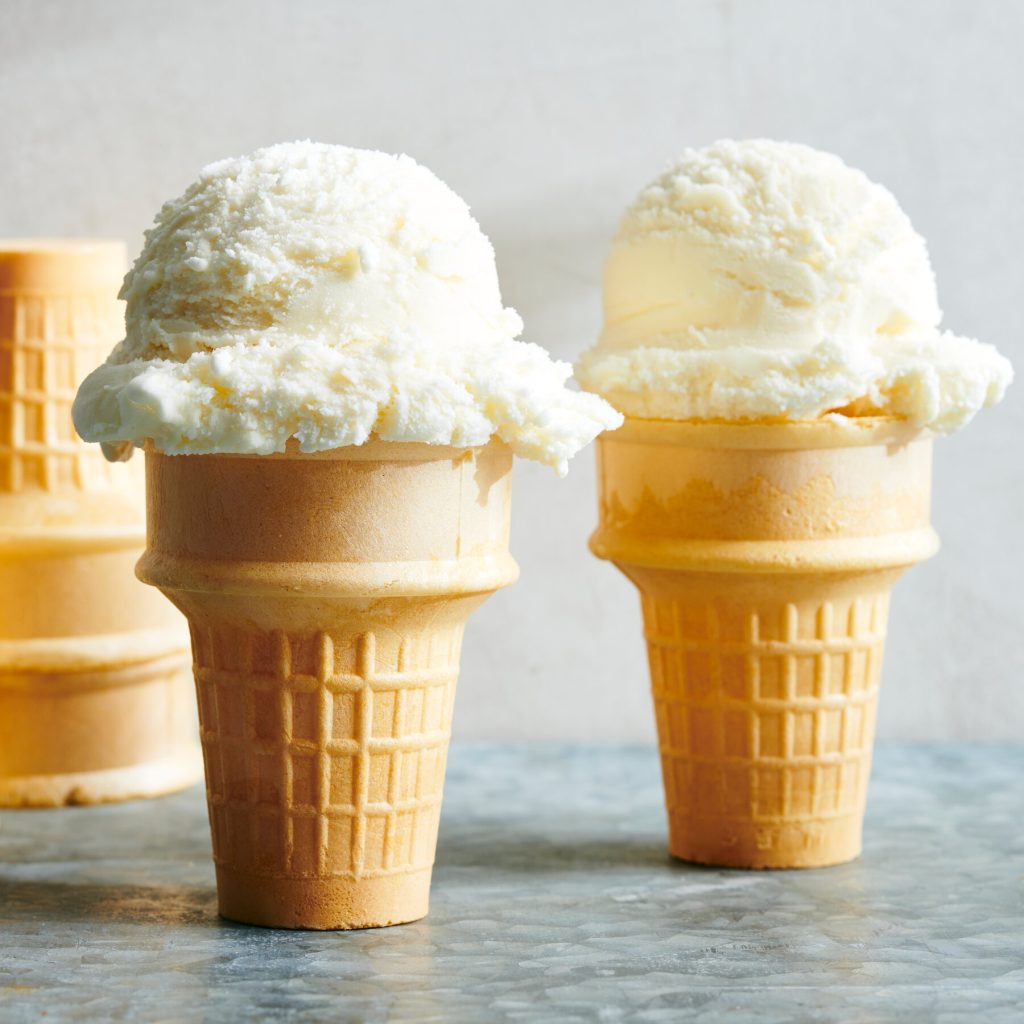
Do you love ice cream but think making it at home is too hard? What if you could create delicious, creamy ice cream with just a few simple ingredients?
You don’t need fancy machines or complicated recipes. In this guide, you’ll discover how to make basic ice cream that tastes amazing and is perfect for any occasion. Ready to impress yourself and your friends with a cool, sweet treat?
Let’s get started!
Ingredients Needed
Creating ice cream at home is not just a delicious endeavor, but it’s also a fun and creative way to experiment with flavors and textures. Whether you’re a seasoned home chef or a beginner, understanding the basic ingredients needed is the first step to crafting your perfect batch. Let’s dive into the essential components that you’ll need to whip up a delightful homemade ice cream.
Essential Dairy Components
The backbone of any good ice cream is its dairy content. You’ll need heavy cream and whole milk for a creamy and rich texture. Heavy cream, with its high-fat content, is crucial for that luscious mouthfeel. Whole milk balances the creaminess and prevents the mixture from becoming too dense. Do you prefer a lighter option? Consider using a lower-fat milk, but remember, it may alter the texture.
Sweeteners And Flavors
Sugar is not just for sweetness; it also helps in achieving that smooth texture by lowering the freezing point of the mixture. You can use granulated sugar or experiment with alternatives like honey or maple syrup for unique flavors. Vanilla extract is a classic choice for flavoring, but don’t shy away from trying other extracts or even infusing the mixture with herbs or spices for an unexpected twist.
Optional Add-ins
Once you’ve mastered the basics, it’s time to get creative with add-ins. Consider folding in chocolate chips, nuts, or fruit chunks for added texture and taste. Swirls of caramel or fudge can elevate your ice cream to a gourmet level. Have you ever thought about adding a pinch of sea salt or a dash of espresso powder? These can surprise your taste buds and make your ice cream unforgettable.
Basic Equipment
Making ice cream at home doesn’t require a long list of tools. A few basic pieces of equipment can get you started on your creamy adventure. Knowing which tools suit your style and kitchen space can make the process smoother and more enjoyable.
Ice Cream Maker Options
Choosing the right ice cream maker depends on how involved you want to be and how much ice cream you plan to make.
- Electric Ice Cream Makers:These machines do most of the work for you. You pour in your mixture, turn it on, and in about 20-30 minutes, you have soft ice cream ready to freeze.
- Manual Ice Cream Makers:These require you to crank a handle. It’s a bit of a workout but gives a sense of accomplishment and control over the process.
- Compressor Ice Cream Makers:These are more expensive but allow you to make multiple batches without waiting. Great if you plan to experiment frequently or have guests over.
Which type fits your kitchen and lifestyle best? Think about how often you want to make ice cream and how hands-on you want to be.
Alternative Tools
You don’t need a fancy machine if you want to make ice cream occasionally or on a budget. Simple kitchen tools can also do the trick.
- Freezer-Safe Containers:Pour your ice cream mixture into a shallow, freezer-safe dish. Stir every 30 minutes as it freezes to break up ice crystals and get a creamy texture.
- Blender or Food Processor:These help mix ingredients smoothly before freezing. You can also use them to whip the semi-frozen ice cream for better texture.
- Zip-Top Bags:Seal your mixture in bags and place them inside larger bags filled with ice and salt. Shake vigorously to freeze the mixture—an exciting hands-on method especially fun with kids.
Have you tried any of these alternatives? Sometimes, working without specialized equipment sparks creativity and makes the process more rewarding.
Preparing The Base
Preparing the base is the heart of making ice cream. This step sets the texture, flavor, and creaminess you’ll enjoy in every bite. Taking your time here ensures the final product feels smooth and indulgent, not icy or grainy.
Mixing Ingredients
Start by gathering your main ingredients: heavy cream, whole milk, sugar, and egg yolks. The balance between cream and milk affects richness and mouthfeel. Too much cream, and it can be too heavy; too little, and the ice cream might feel icy.
Whisk the egg yolks and sugar together until the mixture is pale and slightly thickened. This helps dissolve the sugar and adds a velvety texture. Then, slowly add warmed milk and cream to the yolk mixture, stirring constantly to prevent cooking the eggs.
Have you ever tried skipping the egg yolks? The result is often less creamy and more brittle ice cream. Eggs are your natural thickener, making the base silky and smooth.
Heating And Cooling Tips
Heat the combined mixture gently over medium heat. Stir constantly, focusing on the bottom and edges of the pan to avoid burning. The goal is to thicken the custard enough to coat the back of a spoon, not to boil it.
Remove from heat and strain the custard through a fine sieve to catch any cooked egg bits. This simple step can make a huge difference in texture.
Cooling your base quickly is key. Pour it into a shallow container and place it in an ice bath or the fridge. The faster it cools, the less chance bacteria have to grow, and the smoother your ice cream will be.

Credit: cooking.nytimes.com
Churning Process
The churning process is the heart of making ice cream. It mixes the ingredients while cooling them to the right texture. This step turns a simple liquid base into smooth, creamy ice cream.
Churning also adds air to the mixture. This air makes the ice cream light and soft. Without churning, the ice cream would be hard and icy.
Setting Up The Machine
First, place the ice cream bowl in the freezer for at least 24 hours. It must be very cold to freeze the mixture quickly. Make sure the machine is clean and dry before use.
Pour the ice cream mixture slowly into the machine’s bowl. Avoid overfilling it to let the mixture expand. Secure the lid tightly to keep the cold air inside.
Switch on the machine and let it do the work. Keep the machine on a flat surface to avoid spills. Check the instructions for your specific ice cream maker model.
Optimal Churning Time
Churning usually takes between 20 to 40 minutes. Watch for the mixture to thicken and become creamy. The ice cream should pull away from the sides of the bowl.
Stop churning before the ice cream becomes too hard. It will freeze more in the freezer later. Over-churning can cause ice crystals, ruining the texture.
Use a spatula to test the consistency. The ice cream should be soft but hold its shape. Once ready, transfer it to a container and freeze for a firmer texture.
Freezing And Serving
Freezing and serving are key steps in making ice cream that tastes great and has the right texture. Proper freezing ensures your ice cream hardens well and stays smooth. Serving it correctly makes every bite enjoyable and fresh.
Hardening The Ice Cream
After churning, transfer the ice cream into a clean, airtight container. Press plastic wrap directly on the surface to stop ice crystals. Freeze the container for at least 4 hours or overnight. This hardening time lets the ice cream develop a firm, creamy texture. Avoid opening the freezer too often to keep the temperature steady.
Serving Suggestions
Let the ice cream sit at room temperature for 5 minutes before scooping. This softens it slightly, making scooping easier. Use a warm spoon or scoop for smooth, round servings. Serve in bowls, cones, or on desserts like brownies or fruit. Add toppings like nuts, chocolate chips, or fresh fruit to enhance flavor. Store leftovers tightly covered to maintain freshness and texture.

Credit: herbsandflour.com
Troubleshooting Common Issues
Making ice cream at home can sometimes lead to unexpected results. You might find it too icy, too soft, or lacking in flavor. Troubleshooting these common issues helps you get closer to that perfect creamy texture and taste every time you scoop.
Fixing Texture Problems
If your ice cream turns out icy or grainy, the problem often lies in how the mixture freezes. Ice crystals grow large when the mixture isn’t churned enough or if the base lacks enough fat or sugar.
Try these tips:
- Make sure your ice cream maker is cold before you start churning.
- Add a bit more fat, like heavy cream, to improve creaminess.
- Use sugar or a small amount of corn syrup to help reduce ice crystals.
- A splash of alcohol can also keep ice crystals smaller, but don’t overdo it or the ice cream won’t freeze properly.
If your ice cream is too soft or doesn’t firm up well, check the freezing time and storage temperature. Sometimes, just giving it more time in the freezer helps. Also, avoid opening the freezer frequently since temperature changes affect texture.
Adjusting Sweetness And Flavor
Taste is personal, so you might find your ice cream either too sweet or bland. The key is balancing sugar and flavoring ingredients carefully.
To adjust sweetness:
- Start with the recipe’s sugar amount, then tweak in small steps. You can always add more after tasting the churned mixture.
- Consider natural sweeteners like honey or maple syrup for a different twist.
For flavor:
- Use fresh, high-quality ingredients—vanilla beans, ripe fruits, or real cocoa powder make a big difference.
- Don’t be afraid to boost flavor with a pinch of salt; it enhances sweetness and depth.
- Infuse your base with herbs or spices by warming them with the milk before chilling.
Have you ever wondered how small changes in ingredients could transform your ice cream? Experimenting with sweetness and flavor can turn a basic recipe into your signature treat.
Creative Variations
Creative variations make basic ice cream exciting and unique. Simple changes can bring new flavors and textures. Experimenting helps you enjoy homemade ice cream in many ways. Use easy ideas to customize your ice cream for any taste.
Flavor Combinations
Mix different flavors to create new tastes. Try classic pairs like chocolate and mint or strawberry and banana. Spices such as cinnamon or cardamom add warmth. Citrus zest can brighten the flavor. Use extracts like vanilla, almond, or coconut for subtle changes. Balance strong and mild tastes for a perfect blend.
Adding Mix-ins
Mix-ins add texture and bursts of flavor. Chop nuts, cookies, or candy for crunch. Swirl in sauces like caramel or fudge for richness. Fresh fruit pieces add juiciness and color. Toasted coconut or chocolate chips bring variety. Add mix-ins after churning for even distribution. Adjust amounts based on your preference for texture and taste.

Credit: cooking.nytimes.com
Frequently Asked Questions
What Ingredients Are Needed For Basic Ice Cream?
Basic ice cream requires milk, cream, sugar, and vanilla extract. These simple ingredients create a creamy, sweet base. You can customize flavors by adding fruits or chocolate later. Always use fresh, quality ingredients for the best taste and texture.
How Do You Churn Ice Cream Without A Machine?
You can churn ice cream by shaking a sealed bag with the mixture inside. Place it in ice and salt, then shake vigorously for 5-10 minutes. This method freezes the mixture evenly and creates a smooth texture without special equipment.
How Long Does Homemade Ice Cream Take To Freeze?
Homemade ice cream usually takes 4-6 hours to freeze properly. For best results, freeze overnight. Stirring occasionally during freezing improves texture by preventing ice crystals. Proper freezing ensures creamy, delicious ice cream every time.
Can I Make Ice Cream Without Eggs?
Yes, you can make basic ice cream without eggs. Use cream, milk, sugar, and flavorings instead. Eggs add richness but aren’t necessary for a smooth, tasty result. This method is quicker and simpler for beginners.
Conclusion
Making basic ice cream at home is simple and fun. You only need a few ingredients and tools. Stirring well and freezing slowly helps create smooth ice cream. You can try different flavors to suit your taste. Homemade ice cream brings joy to any day.
Give it a try and enjoy your sweet treat. The process is easy to follow and very rewarding. Everyone can make delicious ice cream with a little practice. Why not start today?