Have you ever found yourself waiting impatiently for your ice machine to finish making ice, wondering exactly how long it will take? Knowing the answer can save you time and frustration, especially when you need ice quickly for a party, a cold drink, or to keep your food fresh.
You’ll discover how long your ice machine really takes to make ice, what factors affect that timing, and simple tips to speed up the process. Keep reading to make sure you’re never left waiting again!
Credit: www.walmart.com
Ice Machine Types
Different ice machine types produce ice at varying speeds, usually between 6 to 20 minutes per batch. Factors like machine size and ice shape affect the time it takes to make ice. Understanding these helps choose the right machine for your needs.
Choosing the right ice machine can be a game-changer for your home or business. The type you select will significantly influence how quickly you can get your hands on a refreshing batch of ice. Whether you’re hosting a summer party or running a bustling restaurant, knowing the different types of ice machines can help you make the best choice for your needs.Countertop Models
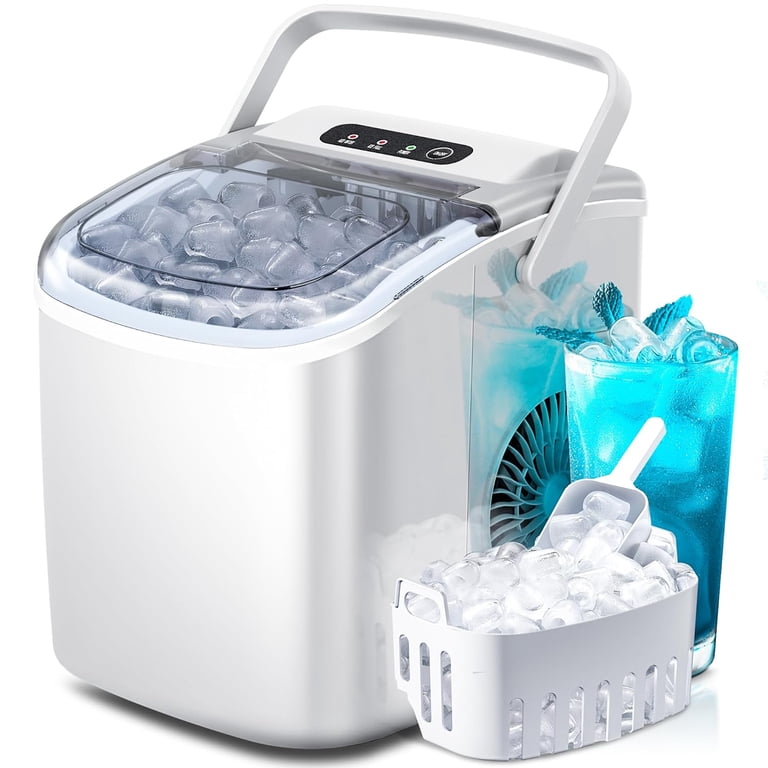
Countertop ice makers are perfect for smaller spaces or occasional use. They can produce ice relatively quickly, often within 10 to 20 minutes after being turned on. These compact machines are ideal for personal use, so if you’re planning a cozy gathering or just want ice on hand for your drinks, a countertop model is a great option.Commercial Ice Makers
Commercial ice makers are designed for heavy-duty use, often in restaurants or large-scale events. These machines can churn out a significant amount of ice in a short period, sometimes producing hundreds of pounds in a single day. If you’ve ever wondered how your favorite café always has ice on tap, a commercial ice maker is likely their secret weapon.Built-in Ice Machines
Built-in ice machines are seamlessly integrated into your kitchen or bar setup. They offer the convenience of producing a steady supply of ice without taking up counter space. Though they might take a bit longer to install, the efficiency and aesthetic appeal make them a popular choice for those who entertain frequently or simply love the convenience of never running out of ice. Have you ever found yourself frustrated waiting for ice to form? Understanding these types can help you choose a machine that matches your lifestyle and needs, ensuring you’re never left empty-handed during your next gathering.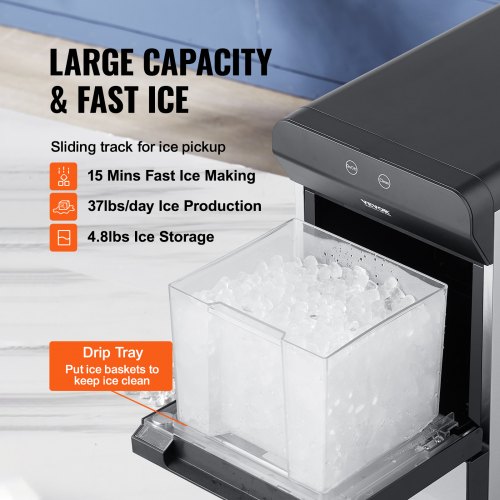
Credit: www.vevor.com
Factors Affecting Ice Production
Ice production speed depends on several key factors that influence how quickly your machine can produce ice. Understanding these elements can help you optimize your ice maker’s performance and avoid frustration during busy times.
Water Temperature
The temperature of the water you use directly affects ice-making time. Colder water freezes faster, so filling your machine with chilled water can speed up the process significantly.
If you use room temperature or warm water, your ice machine has to work harder and longer to freeze it. Have you noticed faster ice production when you keep a jug of cold water handy? That’s why water temperature matters.
Machine Capacity
Your ice machine’s size and design determine how much ice it can produce at one time. A small, portable unit will take longer to make a batch compared to a commercial-grade machine.
Think about your needs: If you regularly host large gatherings, a higher-capacity machine will save you time and hassle. Matching the machine capacity to your typical ice demand is a smart move.
Ambient Temperature
The environment around your ice machine plays a surprising role in its efficiency. If the room is too warm, the machine needs more time and energy to freeze water into ice.
Placing your ice maker in a cool, well-ventilated spot can improve production speed. Have you checked your kitchen’s temperature lately? Even a few degrees difference can impact how fast your ice machine works.
Typical Ice Making Times
Understanding the typical ice making times helps you choose the right machine for your needs. Ice production speed varies widely depending on the size and design of the machine. Let’s break down what you can expect from small, medium, and large ice machines.
Small Machines
Small ice machines usually take about 10 to 15 minutes to produce their first batch of ice. These units are perfect for home use or small offices where ice demand is low. If you’ve ever waited for ice to chill your drink during a casual gathering, you know that a few minutes can feel like forever—but these machines are designed for convenience, not speed.
Typically, small machines produce 20 to 30 pounds of ice per day. This amount works well if you only need ice occasionally. However, if you host frequent parties, you might find yourself running the machine multiple times to keep up.
Medium-sized Units
Medium-sized ice makers strike a balance between speed and capacity. They often take 6 to 10 minutes to make a batch of ice. These units can produce around 50 to 100 pounds of ice daily, making them ideal for cafes, small restaurants, or busy households.
One practical tip: placing the machine in a cooler environment helps speed up ice production. I noticed that my medium-sized unit worked faster in the winter months, shaving a few minutes off each batch. Have you considered where you position your ice machine to optimize its performance?
Large Commercial Systems
Large commercial ice machines are designed to produce ice rapidly and in huge volumes. They can make a batch of ice in as little as 3 to 5 minutes, with daily outputs ranging from 200 to over 1,000 pounds. These systems keep up with high demand in hotels, bars, and event venues without missing a beat.
Despite their speed, large machines require regular maintenance to avoid slowdowns. If you run a business, investing in a maintenance schedule could save you from unexpected downtime. How often do you check your commercial ice machine’s performance?
Tips For Faster Ice Making
Speeding up ice production helps meet needs faster. Small changes can make a big difference. Follow these tips to help your ice machine work better and faster.
Using Cold Water
Cold water freezes quicker than warm water. Fill the ice machine with cold water before starting. This reduces the time needed to reach freezing point. Keep water chilled in a nearby container for quick refills.
Regular Maintenance
Clean your ice machine often to avoid buildup. Dirt and minerals slow down ice making. Check filters and replace them as needed. Clear any blockages in water lines. Regular care keeps the machine working at top speed.
Optimizing Machine Placement
Place the ice machine in a cool, shaded area. Avoid direct sunlight and heat sources nearby. Good airflow helps the machine cool faster. Leave space around it for air circulation. These steps help the machine freeze water more quickly.
Troubleshooting Slow Ice Production
Noticing your ice machine is taking longer than usual to produce ice can be frustrating, especially when you need a quick chill. Slow ice production often points to underlying issues that you can fix yourself with a bit of patience and attention. Let’s break down the most common causes so you can get your machine back to optimal speed.
Clogged Filters
Filters trap impurities but can get blocked over time, reducing water flow and slowing ice production. Have you checked if your filter looks dirty or hasn’t been changed in months? Replacing or cleaning the filter can restore normal water flow, making ice much faster.
Try this: remove the filter and run the machine to see if the ice speed improves. If it does, the filter is the likely culprit. Always keep spare filters handy for quick swaps.
Faulty Components
Ice machines rely on parts like thermostats, sensors, and motors working perfectly. If a sensor malfunctions, it might misread the temperature and delay ice-making cycles. Have you noticed your machine running but no ice appearing?
Listen for unusual sounds or check if the motor feels hotter than usual. These signs could mean a component is failing. Testing parts with a multimeter or calling a technician may be necessary if you’re unsure.
Insufficient Water Supply
Your ice machine needs a steady water supply to keep making ice quickly. Low water pressure or a kinked hose can reduce flow significantly. When was the last time you checked the water line feeding your ice maker?
Look for blockages or leaks along the water line. Sometimes, simply adjusting the water valve or clearing debris in the inlet screen can speed things up dramatically. Could your water source be the hidden bottleneck?

Credit: codysappliancerepair.com
Energy Efficiency And Ice Making Speed
Understanding the relationship between energy efficiency and ice making speed can help you choose the right ice machine for your needs. Faster ice production often means higher energy consumption, but striking the right balance is key. Let’s examine how you can maximize both speed and power savings in your ice maker.
Balancing Speed And Power Use
Faster ice machines usually draw more power to freeze water quickly. But does that mean you always waste energy? Not necessarily.
Many modern ice makers adjust their cycles based on demand. If you need less ice, the machine slows down, saving energy without compromising availability. This adaptability means you don’t pay for speed you don’t use.
Think about your daily ice needs. Are you running a busy restaurant or just making ice for home use? Matching your machine’s speed to your actual needs helps prevent energy waste.
Energy-saving Features
Look for ice machines with features designed to cut power use. Some include:
- Automatic shut-off:Stops ice production when the bin is full, preventing unnecessary energy use.
- Eco mode:Reduces power consumption during low-demand periods.
- Insulated storage bins:Keep ice colder longer, reducing the need for frequent ice making cycles.
Brands often provide energy consumption ratings—checking these can save you money over time. Have you ever noticed your ice machine running non-stop? Choosing one with smart energy features can prevent that.
Frequently Asked Questions
How Long Does A Typical Ice Machine Take To Make Ice?
Most ice machines produce ice in about 15 to 30 minutes. The exact time depends on the machine’s size and type. Factors like water temperature and room conditions also affect the ice-making speed.
What Affects The Ice Production Time In Machines?
Ice production time varies due to water temperature, machine capacity, and ambient room temperature. Regular maintenance and clean filters help maintain optimal ice-making speed. Using cold water can also reduce the production time significantly.
Can Ice Machines Produce Ice Faster With Adjustments?
Yes, ice machines can make ice faster by using colder water and maintaining ideal room temperatures. Regular cleaning and servicing improve efficiency. Upgrading to a higher-capacity model also reduces ice production time.
How Much Ice Can A Machine Produce In One Cycle?
Most home ice machines produce 1 to 3 pounds of ice per cycle. Commercial machines can produce much more, ranging from 20 to 100 pounds per cycle. Capacity depends on the machine’s size and design.
Conclusion
Ice machines usually make ice within 15 to 30 minutes. The exact time depends on the machine type and temperature. Regular cleaning helps keep the machine fast and efficient. Using cold water can also speed up the process. Knowing how long it takes helps you plan better for events or daily use.
Keep an eye on your machine for any delays or problems. Good ice is ready sooner than you might think. Simple care and patience go a long way.