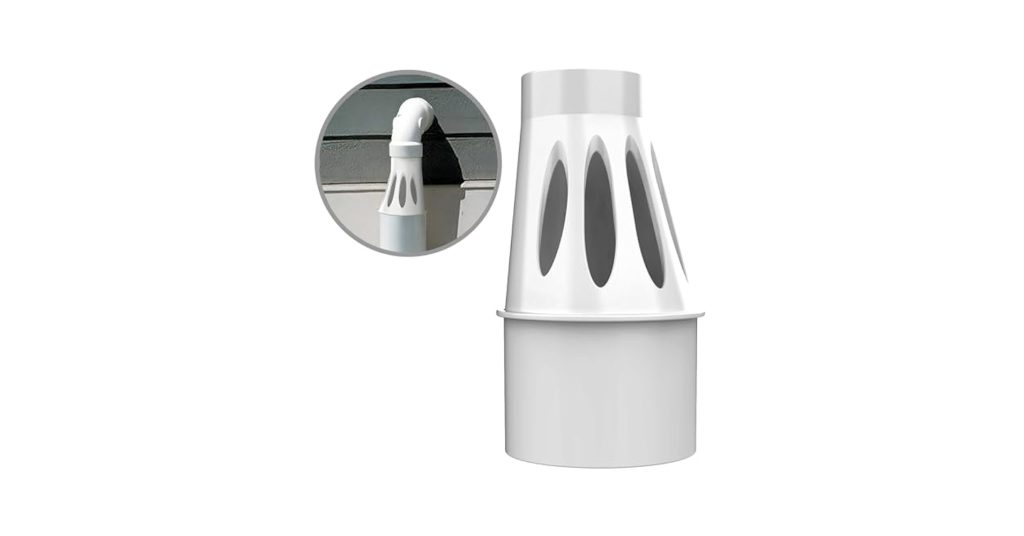
Are you tired of dealing with a frozen sump discharge that stops your pump from working just when you need it most? When cold weather hits, ice can block your sump pump’s discharge pipe, causing water to back up and potentially flood your basement.
But don’t worry—you can prevent this problem with simple steps that protect your home and save you from costly repairs. Keep reading to discover easy and effective ways to keep your sump discharge from freezing, so your pump runs smoothly all winter long.
Credit: www.diychatroom.com
Causes Of Sump Discharge Freezing
Freezing happens when cold temperatures cause water in the sump discharge pipe to solidify. Poor insulation and slow water flow also increase the risk of freezing. Understanding these causes helps prevent blockages and damage during winter months.
Understanding the causes of sump discharge freezing is crucial for homeowners looking to maintain an efficient drainage system. When the water from your sump pump freezes, it can lead to blocked pipes, overflows, and potential flooding in your basement. Knowing the reasons behind this issue will empower you to take preventative action and ensure your home stays dry and safe.Cold Weather Impact
Cold temperatures are one of the most common culprits of sump discharge freezing. When the mercury drops, the water in your pipes can freeze quickly, particularly if they are exposed or poorly insulated. Have you ever noticed icicles hanging from your gutters? That’s a sign that your drainage might not be ready for the cold. Consider using pipe insulation or heating cables to keep things flowing smoothly.Poor Drainage Issues
Poor drainage can compound the problem of freezing. If your sump discharge is not properly directed away from your home, water can pool and freeze around the outlet. This can lead to blockages and backflow into your basement. Ensure your drainage system channels water far from your foundation, ideally sloping away from your home. Check your yard’s grading and adjust it if necessary.Improper Pipe Installation
Improper installation can make your pipes more susceptible to freezing. Pipes that are too narrow, have too many bends, or are installed at the wrong angle can slow down water flow, increasing the risk of freezing. Have you ever tried drinking through a bent straw? The struggle is real! Make sure your sump discharge pipes are installed correctly. Consulting a professional can prevent costly mistakes and keep your system running smoothly. By understanding these causes, you can take the necessary steps to prevent your sump discharge from freezing and protect your home from water damage.
Credit: www.ebay.com
Preparing Your Sump Pump For Winter
Preparing your sump pump for winter helps prevent frozen discharge pipes. Cold weather can block water flow, causing backups and damage. Taking steps now keeps your pump working smoothly all season. Simple checks and fixes protect your home from water problems and costly repairs.
Inspecting The Discharge Pipe
Start by examining the discharge pipe outside your home. Look for cracks, loose joints, or damage. Check if the pipe slopes downward to guide water away from your foundation. A properly sloped pipe prevents water from standing and freezing inside. Replace or repair any broken parts you find.
Clearing Debris And Blockages
Remove leaves, dirt, and ice from the discharge pipe opening. Clear any blockages that can stop water flow. Use a garden hose to flush the pipe if needed. Blocked pipes cause water to back up and freeze. Keep the outlet area free of snow and ice during winter.
Sealing Exposed Pipes
Cover exposed sections of the discharge pipe with foam pipe insulation. This material traps heat and stops freezing. Secure insulation with waterproof tape or zip ties. For extra protection, wrap the pipe with heat tape designed for outdoor use. Sealing pipes helps maintain water flow in cold temperatures.
Preventive Measures To Avoid Freezing
Preventing sump discharge lines from freezing protects your basement and plumbing. Cold weather can cause blockages and damage pipes. Taking early steps reduces risks and keeps water flowing smoothly. Use simple, effective methods to avoid freezing problems.
Insulating Discharge Lines
Wrap discharge pipes with foam insulation sleeves. This keeps cold air away and traps heat inside. Use weatherproof insulation for outdoor lines. Check insulation regularly for cracks or gaps. Proper insulation slows down heat loss and prevents ice build-up.
Using Heat Tape Or Cables
Apply electric heat tape or cables along the discharge pipe. These devices provide gentle warmth to stop freezing. Choose products designed for outdoor use and wet conditions. Secure heat tape firmly to avoid damage. Turn on heat tape before temperatures drop below freezing.
Maintaining Continuous Water Flow
Keep water moving through the discharge line. Moving water resists freezing better than still water. Run a small, steady drip during cold nights. Avoid large flows that waste water. This simple step helps prevent ice blockages and pipe bursts.
Alternative Solutions For Extreme Cold
Extreme cold can turn your sump discharge into a frozen problem, blocking water flow and risking basement flooding. Finding alternative solutions tailored to harsh winter conditions can protect your home and give you peace of mind. Let’s look at practical ways to keep your sump discharge from freezing, even when temperatures plummet.
Installing A Drainage Pit
A drainage pit acts as a small basin where sump water collects before slowly draining away underground. This setup helps prevent water from sitting exposed in pipes where it can freeze.
By directing discharge into a pit filled with gravel or crushed stone, the water seeps into the ground below the frost line. This method uses natural insulation from the earth to keep water flowing freely.
Have you checked the soil type around your home? Sandy or well-drained soil works best for this solution because it absorbs water quickly. If you live in an area with heavy clay, consider additional drainage improvements to avoid pooling water.
Redirecting Discharge Location
Changing where your sump pump sends water can make a big difference in preventing freezing. Instead of discharging close to your foundation or on a hard surface, choose a spot that stays warmer or drains naturally.
Look for areas that receive sunlight during the day or places protected from wind. For example, directing water towards a sloped garden bed or a dry well can keep the discharge flowing without freezing.
Ask yourself: could a simple relocation of your discharge pipe save you from winter headaches? Sometimes small changes in placement can have a big impact on preventing ice buildup.
Using A Pump With Freeze Protection
Some sump pumps come with built-in freeze protection or heating elements designed to keep water moving even in freezing temperatures. These pumps are ideal if you live in regions where winter temperatures regularly drop below zero.
Freeze-protected pumps often include insulation around pipes or self-regulating heat cables. This technology prevents ice from forming inside the pump or discharge line.
Investing in a pump with freeze protection means fewer worries about manual winter maintenance. Have you considered upgrading your pump to avoid emergency repairs during the coldest months?
Monitoring And Maintenance During Winter
Winter brings challenges for sump pump systems. Cold temperatures can freeze the discharge line and stop water flow. Monitoring and maintenance during winter help keep the system working well. Staying alert to ice build-up, pump function, and thawing options prevents damage and flooding.
Regularly Checking For Ice Build-up
Inspect the discharge pipe often. Look for ice blocking the flow of water. Ice can form near the pipe’s end or along its length. Clear small ice patches carefully to avoid pipe damage. Removing ice early stops clogs and pump strain.
Testing Pump Operation
Run the sump pump regularly to ensure it works. Pour water into the sump pit and watch the pump start. Listen for unusual noises or slow pumping. Test during freezing weather to catch problems early. A working pump removes water before freezing.
Emergency Thawing Techniques
Use warm towels or a hairdryer to melt ice on discharge pipes. Avoid open flames or hot water, which can damage pipes. Wrap heat tape around the pipe for quick thawing. Keep safety in mind to prevent accidents. Quick thawing restores water flow fast.

Credit: www.amazon.com
Frequently Asked Questions
How Can I Prevent Sump Discharge From Freezing In Winter?
Insulate the discharge pipe with foam sleeves or heat tape. Ensure proper drainage and keep water moving. Regularly check for ice buildup and clear blockages promptly.
What Materials Help Keep Sump Pump Pipes Thawed?
Use foam pipe insulation or heat tape designed for outdoor use. These materials retain heat and prevent ice formation on discharge pipes during cold weather.
Does Heat Tape Really Stop Sump Pump Discharge Freezing?
Yes, heat tape provides consistent warmth to pipes. It prevents ice buildup and ensures continuous water flow from the sump pump in freezing temperatures.
How Often Should I Inspect My Sump Pump Discharge Pipe?
Check the discharge pipe weekly during winter. Look for ice formation, blockages, or damage. Early detection prevents freezing and potential pump failure.
Conclusion
Keeping your sump discharge from freezing protects your home from water damage. Use insulation and heat tape to keep pipes warm. Make sure water flows steadily to prevent ice buildup. Regularly check your system during cold months. Small actions can save you from costly repairs later.
Stay proactive and maintain your sump pump well. Simple steps keep your home safe and dry all winter.