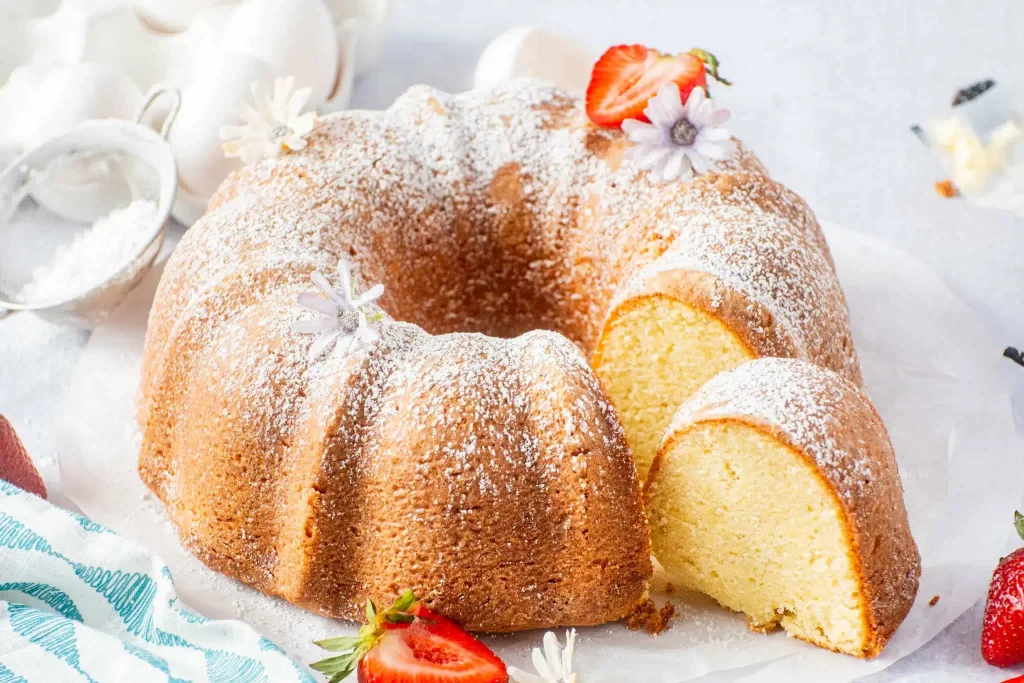
Are you ready to turn your pound cake into something truly irresistible? The secret is in the icing.
A perfect icing can add just the right touch of sweetness and texture, making every bite melt in your mouth. Whether you want a simple glaze or a rich, creamy topping, this guide will show you how to make icing that complements your pound cake perfectly.
Keep reading, and you’ll discover easy steps and tips that will make your homemade cake look and taste like it came from a bakery. Your pound cake deserves this upgrade!
Choosing The Right Icing
Choosing the right icing enhances the flavor and texture of your pound cake. Simple glazes or creamy frostings work best to complement its dense crumb. Consider sweetness and consistency to match your taste and cake style.
Choosing the right icing for your pound cake elevates its flavor and presentation. Each type of icing offers a unique taste and texture, transforming your cake into a delightful treat. Let’s explore some popular icing options.Buttercream Basics
Buttercream is a classic choice. It’s creamy and rich, making it a favorite. Made with butter and sugar, it spreads smoothly. You can add vanilla or almond extract for extra flavor. Buttercream is versatile for piping decorations on your cake.Glaze Options
Glazes are simple and easy to make. They’re made with powdered sugar and liquid like milk or juice. They create a shiny, sweet coating. Glazes are perfect if you want a lighter icing. Add citrus zest for a fresh twist.Cream Cheese Icing
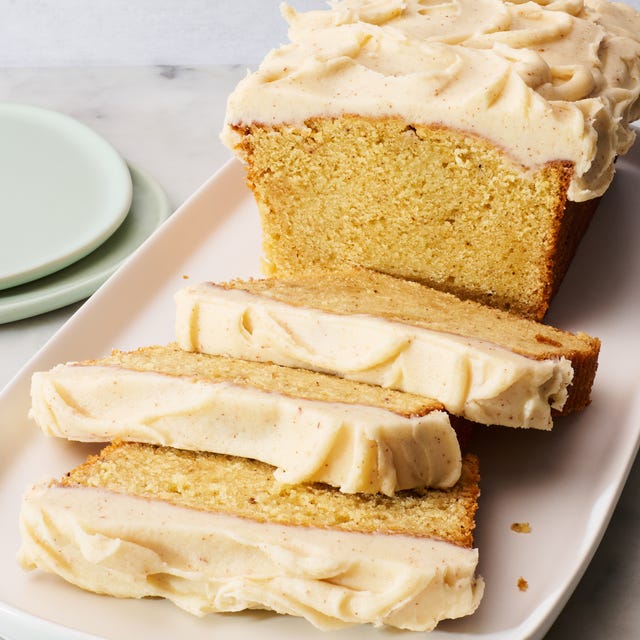
Cream cheese icing is tangy and smooth. It pairs well with dense pound cakes. Made with cream cheese, butter, and sugar, it’s rich and flavorful. It’s an excellent choice if you love a slight tang.Fondant For Pound Cake
Fondant gives a sleek, professional look. It’s pliable and can be molded into shapes. Fondant covers the cake with a smooth finish. Use it for special occasions to impress your guests. It requires some skill but offers stunning results.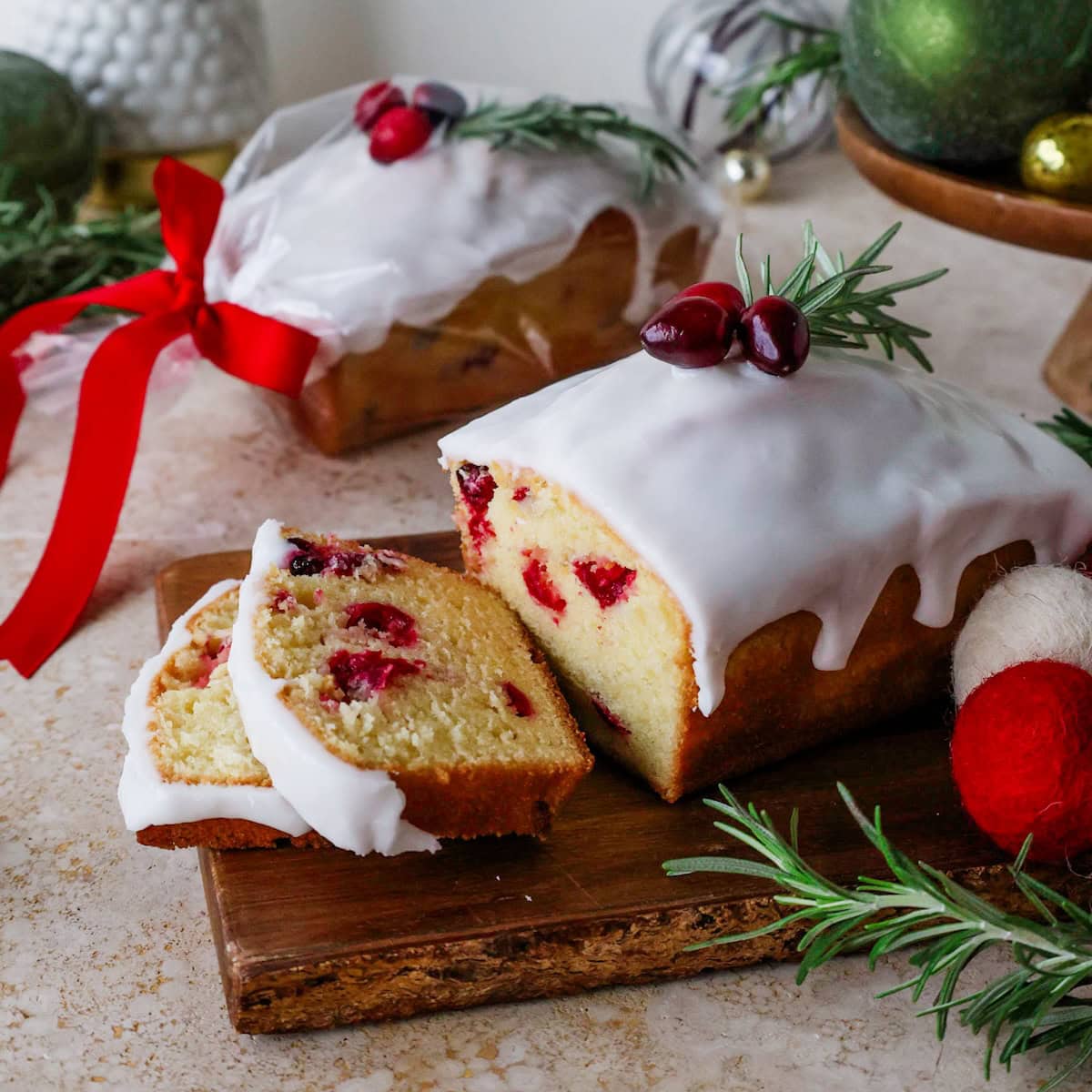
Credit: tarateaspoon.com
Essential Ingredients
Creating the perfect icing for your pound cake starts with understanding the essential ingredients. Each component plays a crucial role in texture, taste, and appearance. Knowing what to choose can transform your cake from good to unforgettable.
Sweeteners And Sugars
Sugar is the backbone of any icing, but there’s more than just regular granulated sugar to consider. Powdered sugar, also called confectioners’ sugar, is the most popular choice because it dissolves smoothly, giving your icing a silky finish.
Have you ever tried brown sugar in your icing? It adds a subtle caramel note that pairs beautifully with the dense richness of pound cake. You can also experiment with honey or maple syrup for a natural sweetness, but be mindful—they may change the consistency.
Dairy Choices
Dairy ingredients impact the creaminess and texture of your icing. Butter is a classic option, offering richness and a smooth mouthfeel. Using cream cheese instead can add tanginess and a thicker texture, which balances the sweetness well.
Milk or heavy cream helps to thin out the icing if it’s too stiff. In my experience, heavy cream creates a smoother, more luxurious texture compared to milk, but it depends on how thick or runny you prefer your icing.
Flavor Enhancers
Vanilla extract is a must-have for most icings, bringing warmth and depth to the flavor. Don’t hesitate to try almond extract or citrus zest like lemon or orange for a surprising twist that brightens the pound cake.
Salt is often overlooked but crucial. Just a pinch enhances the sweetness and balances flavors, preventing your icing from tasting flat or overly sugary.
Thickening Agents
Sometimes your icing needs a little help to hold its shape or become spreadable. Powdered sugar naturally thickens the mixture, but if you want a firmer texture, you can add a small amount of cornstarch or gelatin.
Be careful with the quantity; too much can make your icing gummy. Experiment with these agents to find the perfect balance for your desired consistency.
Simple Icing Recipes
Simple icing recipes add a perfect touch to pound cake. They enhance flavor without overpowering the cake’s rich texture. Each recipe uses easy ingredients found in most kitchens. These icings are quick to prepare and ideal for any occasion.
Classic Vanilla Buttercream
Whip softened butter until creamy. Slowly add powdered sugar and a splash of vanilla extract. Beat until smooth and fluffy. Spread evenly over the cooled pound cake for a sweet, creamy finish.
Lemon Glaze
Mix powdered sugar with fresh lemon juice. Stir until the glaze is smooth and pourable. Drizzle over the cake for a bright, tangy flavor. This glaze hardens slightly, adding a nice texture.
Maple Cream Cheese
Combine softened cream cheese with maple syrup and a little powdered sugar. Beat until light and creamy. Spread gently over the cake for a rich, sweet topping with a hint of maple.
Chocolate Ganache
Heat heavy cream until just boiling. Pour over chopped dark chocolate. Let sit for a few minutes, then stir until glossy and smooth. Pour over the cake for a rich, shiny chocolate coating.
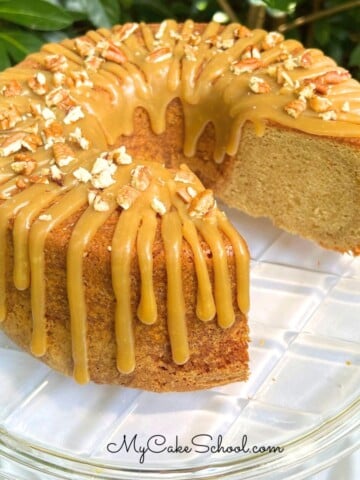
Credit: www.mycakeschool.com
Step-by-step Icing Techniques
Icing a pound cake can transform a simple dessert into a showstopper. The key lies in your technique, from mixing to the final decorative touches. Mastering these steps will give you a smooth, luscious finish that enhances both flavor and appearance.
Mixing And Whipping Tips
Start with room temperature ingredients to help everything blend smoothly. Use a hand mixer or stand mixer on medium speed to avoid splattering. Whip the icing just until it’s fluffy—over-whipping can cause it to become grainy or separate.
Have you ever noticed icing that looks shiny but feels heavy? That usually means it’s under-whipped. On the other hand, if it’s too stiff, it might be over-whipped, making spreading difficult. Find the balance by stopping as soon as soft peaks form.
Achieving The Right Consistency
The right consistency depends on your icing type and how you want it to behave on the cake. Too runny, and it will drip off; too thick, and it will be hard to spread. Adjust by adding a little milk or powdered sugar, a teaspoon at a time.
Think about the weather too—humidity can make your icing looser. If your icing feels too soft, chill it briefly before applying. This step helped me save a batch once when my kitchen was unusually warm, ensuring a perfect spread.
Applying Icing Smoothly
Use an offset spatula or the back of a spoon for the smoothest application. Start by placing a dollop of icing in the center of the cake and gently push it toward the edges. Work in small sections to maintain control and avoid tearing the cake.
If you see crumbs mixing into the icing, try a crumb coat—a thin first layer that traps crumbs. Chill the cake after this coat, then add the final layer for a flawless finish. Have you tried this technique before? It’s a game-changer for neat results.
Decorative Finishing Touches
Once the base layer is smooth, add texture or designs to make your cake pop. Use the back of a spoon to create waves or swirls, or pipe rosettes with a star tip for elegance. Sprinkling chopped nuts or edible flowers can also add a lovely touch.
Don’t be afraid to experiment. Sometimes the simplest details make the biggest impression. What unique decoration will you try on your next pound cake?
Troubleshooting Common Issues
Making the perfect icing for your pound cake can sometimes be tricky. You might find yourself wondering why the icing isn’t setting right or why it tastes different than expected. These common problems can be fixed easily once you know what to look out for and how to adjust your process.
Icing Too Runny Or Thick
If your icing is too runny, it won’t hold its shape on the cake. Try adding powdered sugar a little at a time to thicken it up. If it becomes too thick, add a few drops of milk or water until it reaches the right consistency.
Remember, temperature matters. Icing can thin out if your kitchen is warm, so work in a cooler spot if possible. Have you noticed how small changes in liquid can make a big difference? That’s the key to getting the perfect texture.
Avoiding Cracks And Crumbs
Cracks or crumbs in your icing can ruin the smooth finish you want on your pound cake. Always let your cake cool completely before icing it. Warm cakes can cause the icing to melt unevenly, leading to cracks.
Use a crumb coat—a thin layer of icing applied first—to seal in the crumbs. This makes your final layer smoother and cleaner. Do you ever skip this step? It might explain why crumbs keep showing through your icing.
Fixing Grainy Texture
A grainy texture usually means your sugar hasn’t fully dissolved. Sift your powdered sugar before mixing to avoid lumps. Also, beating the icing longer can help make it smoother and silkier.
Sometimes, the type of sugar matters. Using finer powdered sugar can prevent grit. Have you tried different brands? You might find one that creates a creamier icing without extra effort.
Preventing Icing From Melting
If your icing melts too quickly, it may be too soft or your cake might be too warm. Chill your cake for a bit before applying the icing to keep it firm. Also, avoid adding too much liquid to the icing.
Try using cream cheese or butter with a higher fat content for icings that hold up better in warmer environments. Ever noticed some icings slide off your cake? Adjusting fat and liquid ratios can be your best defense against that.
Credit: www.delish.com
Pairing Icing With Pound Cake Flavors
Choosing the right icing for your pound cake can transform a simple dessert into a memorable treat. Matching the icing to the cake’s flavor enhances every bite and highlights the unique qualities of each recipe. Have you ever wondered how a slight change in icing can shift the entire taste experience?
Classic Butter Pound Cake
Classic butter pound cake has a rich, creamy texture that pairs beautifully with simple, sweet icings. A smooth vanilla or cream cheese icing complements the buttery flavor without overpowering it.
Try a light dusting of powdered sugar or a thin glaze made with lemon juice and powdered sugar to add a subtle tang and extra moisture. These options keep the focus on the cake while adding a gentle sweetness.
Lemon Pound Cake
Lemon pound cake calls for an icing that enhances its zesty brightness. A tart lemon glaze with fresh lemon juice and zest creates a lively contrast to the dense cake.
You can also use a cream cheese icing flavored with a hint of lemon to add richness and balance sharpness. This combo makes each slice refreshing and indulgent at the same time.
Chocolate Pound Cake
Chocolate pound cake demands a richer, more intense icing to match its deep flavor. A thick chocolate ganache or a fudgy chocolate buttercream works perfectly here.
For a twist, add a pinch of espresso powder to the icing to amplify the chocolate notes. This small addition can make your cake taste more complex and satisfying.
Fruit-infused Pound Cake
Fruit-infused pound cakes, such as those with berries or citrus, benefit from lighter, complementary icings. A simple whipped cream topping or a fruit glaze highlights the natural fruit flavors without overwhelming them.
Consider a honey drizzle or a citrus glaze made with orange or lime juice for a fresh finish. These icings keep your cake bright and inviting, perfect for spring or summer gatherings.
Frequently Asked Questions
What Ingredients Are Needed For Pound Cake Icing?
You need powdered sugar, butter, milk, and vanilla extract. These create a smooth and sweet icing perfect for pound cake. Adjust milk for desired consistency.
How Do I Make Smooth Icing For Pound Cake?
Beat softened butter with powdered sugar gradually. Add milk and vanilla. Mix until smooth and spreadable. Avoid overmixing to keep texture light.
Can I Use Cream Cheese In Pound Cake Icing?
Yes, cream cheese adds tanginess and richness. Blend it with butter and powdered sugar for creamy icing. It complements pound cake flavor well.
How Long Should Icing Set On Pound Cake?
Allow icing to set for 15-30 minutes at room temperature. This helps it firm up slightly and enhances the cake’s presentation and taste.
Conclusion
Making icing for pound cake is simple and fun to try. Choose your favorite icing style and follow the steps carefully. A good icing adds flavor and makes your cake look great. You can experiment with flavors to find what you like best.
Remember to keep the icing smooth and easy to spread. Enjoy your delicious, homemade pound cake with the perfect icing on top! Baking can be easy and rewarding. Give it a go today!