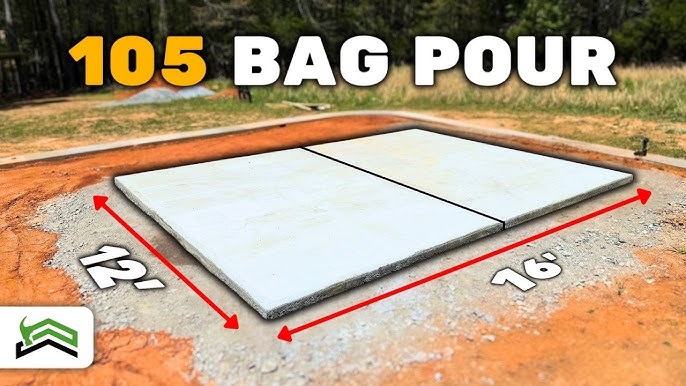
When cold weather hits, your concrete work faces a tough enemy: freezing temperatures. If you don’t take the right steps, your concrete can crack, weaken, or even fail completely.
You want your project to last, and that means protecting your concrete from the freeze. You’ll discover simple, effective ways to keep your concrete safe and strong, no matter how low the temperature drops. Keep reading to learn exactly what you need to do to prevent costly damage and ensure your concrete stands the test of winter.
Credit: www.akcp.com
Why Concrete Freezes
Concrete freezes because water inside it turns to ice, causing cracks. Keeping concrete warm with blankets or heated enclosures helps prevent freezing. Using additives can also protect concrete in cold weather.
Understanding why concrete freezes is crucial for anyone dealing with construction in colder climates. Concrete is a porous material, and when temperatures drop, the water within it can freeze. This freezing water expands, causing internal pressure that can lead to cracking and other forms of damage.Effects Of Cold On Concrete
Cold weather can significantly slow down the setting process of concrete. The hydration reaction, which is essential for concrete to harden, requires certain temperatures to proceed effectively. When it gets too cold, this reaction slows, and the concrete may not reach its full strength. Freezing temperatures can also lead to surface scaling, where the top layer of concrete peels away. This is particularly common in regions with frequent freeze-thaw cycles. If you’ve ever walked on a sidewalk that feels uneven or crumbly, you’ve likely encountered scaling.Signs Of Freezing Damage
Identifying freezing damage early can save you costly repairs. Look for cracks, which can appear when water within the concrete freezes and expands. These cracks may start small but can quickly grow if not addressed. Another sign is discoloration or flaking on the surface of the concrete. This happens when the surface layer starts to separate from the underlying concrete due to freeze-thaw cycles. Have you noticed that your concrete seems to absorb water more than it used to? Increased porosity can be a sign that the freezing process has damaged the internal structure, making it more susceptible to future freezing. Keeping an eye out for these signs can help you take action before the damage becomes severe. Are you ready to protect your concrete from the freezing grip of winter? Understanding the causes and signs of freezing damage is your first step toward ensuring its longevity and durability.
Credit: heatauthority.com
Preparing Concrete For Winter
Preparing concrete for winter is vital to prevent damage from freezing temperatures. Cold weather can stop concrete from setting properly. It can also cause cracks and weaken the structure. Proper preparation ensures strong, durable concrete even in harsh conditions.
Choosing The Right Mix
Select a concrete mix designed for cold weather. Use mixes with low water content and high cement levels. These reduce the risk of freezing before curing. Avoid mixes with too much water. They freeze easier and weaken the concrete.
Adding Admixtures
Add admixtures to improve concrete’s resistance to cold. Use accelerators to speed up the setting time. Air-entraining agents create tiny air bubbles. These bubbles help resist freeze-thaw damage. Follow manufacturer instructions carefully for the best results.
Proper Scheduling
Plan concrete pouring during warmer parts of the day. Avoid pouring in freezing temperatures or during storms. Allow enough time for initial curing before temperatures drop. Cover fresh concrete with insulating blankets or plastic sheets. This keeps the heat in and prevents freezing.
Protecting Fresh Concrete
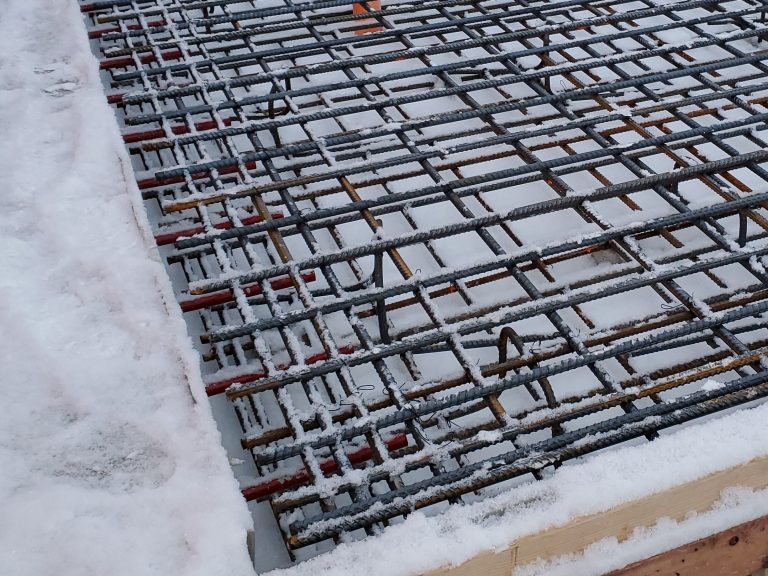
Protecting fresh concrete from freezing is crucial to ensure it cures properly and gains the necessary strength. When concrete freezes before it sets, the water inside expands, causing cracks and weakening the structure. You need to act quickly and use reliable methods to keep the concrete warm and safe during the critical curing period.
Using Insulation Blankets
Insulation blankets are an effective way to trap heat and protect fresh concrete from cold temperatures. These blankets are made from materials that retain warmth and prevent frost from reaching the surface. Simply lay them over the concrete right after pouring to create a warm, stable environment.
Think about the last time you wrapped yourself in a thick blanket on a chilly night—that’s exactly the kind of protection your concrete needs. Make sure the blankets cover the entire surface and extend beyond the edges to avoid cold air seeping in. If you have multiple layers available, stacking them can increase insulation and improve results.
Temporary Enclosures
Building temporary enclosures around your concrete site can provide excellent protection against freezing temperatures and harsh winds. You can use plastic sheeting, tarps, or wooden frames to create a barrier that keeps heat in and cold out. This method works well for larger pours or when you need to protect more than just the surface.
Remember to ventilate the enclosure slightly to avoid trapping moisture, which can cause other problems like surface scaling. Adding insulation inside the enclosure will boost its effectiveness. Have you considered how the wind chill affects your concrete? An enclosure stops that chilling effect, which can be surprisingly damaging.
Heating Methods
Applying heat directly to fresh concrete is a proactive way to prevent freezing. Use electric heating cables, portable heaters, or heated water blankets placed near or under the concrete. These heat sources maintain the temperature above freezing, enabling the concrete to cure properly.
Be cautious about uneven heating, which can cause cracking or surface damage. Use a thermometer to monitor the concrete’s temperature regularly. Have you checked your local temperature forecasts? Planning your heating approach around weather changes can save you time and money.

Credit: fmindustrial.com.au
Maintaining Temperature During Curing
Maintaining temperature during curing is vital to keep concrete from freezing. Proper temperature control ensures concrete hardens correctly and gains strength. Cold weather slows down curing and can cause damage. Keeping the right warmth helps the chemical process that sets concrete proceed smoothly.
Monitoring Temperature
Keep a close watch on concrete temperature during curing. Use a thermometer to check the surface and inside of the concrete. Record temperatures regularly, especially during cold nights. Ideal curing temperatures range between 50°F and 70°F (10°C to 21°C). Avoid letting the concrete drop below 40°F (4°C) to prevent freezing. Temperature monitoring helps identify when extra warmth is necessary.
Controlling Moisture Levels
Moisture affects how concrete cures and holds heat. Cover concrete with plastic sheets or wet blankets to keep moisture in. This keeps the surface from drying out and cracking. Wet curing methods keep water in the mix, helping the concrete stay warm. Avoid letting moisture freeze on the surface, as this weakens the concrete. Proper moisture control supports stable temperature and strong curing.
Avoiding Common Mistakes
Keeping concrete from freezing requires attention to detail and avoiding some common pitfalls. Many DIYers and even professionals can overlook simple mistakes that lead to weak, cracked concrete. Recognizing these errors early can save you time, money, and effort.
Pouring On Frozen Ground
Pouring concrete directly onto frozen ground is a big mistake that affects curing. Frozen soil can chill the concrete from below, causing it to freeze before it sets properly. This results in poor strength and durability.
To prevent this, always check the ground temperature before you start. If the soil is frozen, warm it up using ground heaters or insulated blankets. Have you ever noticed concrete that looks fine initially but cracks badly later? That could be why.
Ignoring Weather Forecasts
Ignoring the weather forecast can sabotage your entire project. Sudden drops in temperature or unexpected snow can freeze your fresh concrete, ruining the work you’ve put in. You need to plan around the weather, not against it.
Keep an eye on local forecasts and delay pours if freezing weather is predicted. If you must pour, prepare with protective measures like heated enclosures or curing blankets. Can you afford to risk your concrete failing because you didn’t check the weather?
Post-winter Concrete Care
After the harsh winter months, your concrete surfaces need some attention to stay strong and durable. Post-winter concrete care helps you catch any damage early and fix it before it worsens. Taking a close look at your concrete now can save you time and money later.
Inspecting For Damage
Start by walking around your concrete areas and looking closely for any signs of damage. Check for small cracks, surface scaling, or rough patches that might have appeared due to freezing and thawing cycles.
Use a flashlight to spot hairline cracks that are easy to miss in daylight. Ask yourself: Are there any spots where water tends to pool after rain? These areas are more vulnerable to freeze damage.
Keep a checklist of any issues you find to track changes over time. This makes it easier to decide what repairs are urgent and what can wait.
Repairing Freeze Cracks
Once you identify freeze cracks, acting quickly is important. Small cracks can be sealed with concrete crack fillers or epoxy. This prevents water from seeping in and causing more damage when temperatures drop again.
For larger cracks, consider using a concrete patching compound. Make sure to clean the area thoroughly before applying the repair material to ensure it bonds properly.
Have you noticed cracks that seem to widen over time? That’s a sign to call a professional, as deeper structural issues might be at play.
Regular maintenance after winter helps your concrete last longer and keeps your property looking its best. Don’t let small freeze cracks turn into costly repairs.
Frequently Asked Questions
How Can I Prevent Concrete From Freezing During Winter?
Use insulating blankets or heated enclosures to protect concrete. Add warm water and accelerators to the mix. Pour concrete when temperatures are above 40°F to ensure proper curing.
What Additives Help Concrete Resist Freezing?
Calcium chloride and other accelerators speed up curing. They reduce freeze risk by lowering water freezing point. Use recommended amounts to avoid damaging concrete strength.
How Long Should Concrete Cure Before Freezing?
Concrete needs at least 24 to 48 hours to set. Protect it from freezing for the first 72 hours. Proper curing ensures strength and prevents freeze-related damage.
Can Heated Enclosures Keep Concrete From Freezing?
Yes, heated enclosures maintain warm temperatures around concrete. They prevent freezing by promoting proper curing. Use them in cold weather or overnight for best results.
Conclusion
Keeping concrete from freezing takes simple steps and care. Use blankets or heaters to keep it warm. Pour concrete when temperatures are higher during the day. Add warm water or special additives to slow freezing. Watch the weather and plan your work well.
These tips help concrete cure strong and last longer. Avoid cracks and damage by protecting concrete in cold weather. Concrete needs warmth to set properly. Stay prepared and your project will succeed.