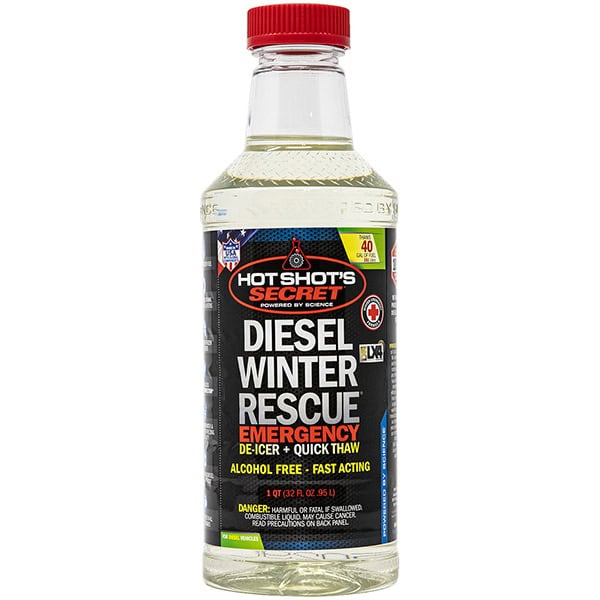
Have you ever wondered what temperature causes diesel fuel to freeze? If you rely on diesel-powered vehicles or equipment, knowing this is crucial.
When diesel freezes, it can stop your engine from running smoothly—or worse, leave you stranded. You’ll discover the exact temperature at which diesel starts to freeze and learn how to protect your fuel from the cold. Keep reading to make sure you’re ready for chilly conditions and keep your diesel running without a hitch.
Diesel Freezing Point
Understanding the diesel freezing point is crucial for vehicle maintenance. Diesel fuel can gel in cold conditions, affecting performance. This gelling is due to the freezing of paraffin wax in diesel. Knowing when diesel freezes helps in preventing engine issues.
What Causes Diesel To Freeze
Diesel contains paraffin wax, which solidifies in low temperatures. This wax forms crystals, causing the fuel to gel. Cold weather is the primary cause of this gelling. The fuel thickens, making it hard for engines to start.
Typical Freezing Temperatures
Diesel usually starts freezing at around 32 degrees Fahrenheit (0 degrees Celsius). However, the exact freezing point can vary. Winter diesel blends have lower freezing points. These blends add additives to prevent gelling. Regular diesel may freeze sooner in extreme cold.

Credit: bulletproofdiesel.com
Types Of Diesel Fuel
Diesel fuel types freeze at different temperatures, affecting engine performance in cold weather. Regular diesel can start to gel around 15°F (-9°C), while winter blends freeze at much lower temperatures. Understanding these differences helps prevent fuel problems in freezing conditions.
Winter Diesel Vs. Summer Diesel
Diesel fuel changes with the seasons to help prevent freezing issues. Summer diesel has a higher cloud point, meaning it can start to gel at warmer temperatures. This works fine when the weather is hot but causes problems in cold climates.
Winter diesel is specially formulated to resist gelling in low temperatures. It contains additives that lower the freezing point, keeping your engine running smoothly even in the coldest weather. If you live somewhere with harsh winters, switching to winter diesel can save you from unexpected breakdowns.
Have you ever experienced your diesel engine struggling on a cold morning? Using the right seasonal diesel fuel could be the simple fix you need.
Biodiesel And Freezing Points
Biodiesel behaves differently from regular diesel when it comes to freezing. It tends to have a higher cloud point, meaning it starts to gel at a warmer temperature. This can be a real issue if you rely on biodiesel in winter.
Blending biodiesel with petroleum diesel can improve cold-weather performance. However, the higher the biodiesel content, the more likely it is to freeze. For example, pure biodiesel (B100) can gel around 32°F (0°C), while blends like B20 freeze closer to traditional diesel’s freezing point.
Do you know what type of diesel blend your vehicle uses? Knowing this helps you prepare for cold weather and avoid fuel-related headaches.
Effects Of Freezing Diesel
Freezing diesel fuel can cause serious problems for vehicles and equipment. When diesel freezes, it changes its properties. This can lead to poor engine performance and damage to the fuel system. Understanding these effects helps to protect engines and avoid costly repairs.
Engine Performance Issues
Frozen diesel can clog fuel filters. This stops fuel from reaching the engine properly. Engines may start hard or not start at all. Running on frozen fuel causes rough idling and loss of power. Cold diesel can also increase emissions and reduce fuel efficiency.
Fuel System Damage
Ice crystals form inside the fuel, damaging components. Fuel pumps and injectors may wear out faster. Water in the fuel can freeze and expand, causing cracks. Frozen diesel can block fuel lines, leading to leaks. Repairing these damages can be expensive and time-consuming.
Preventing Diesel Fuel Freezing
Diesel fuel can freeze in cold weather, causing engine problems and delays. Preventing diesel fuel freezing is important to keep engines running smoothly. Simple steps help protect diesel from cold temperatures and ensure reliable performance.
Fuel Additives
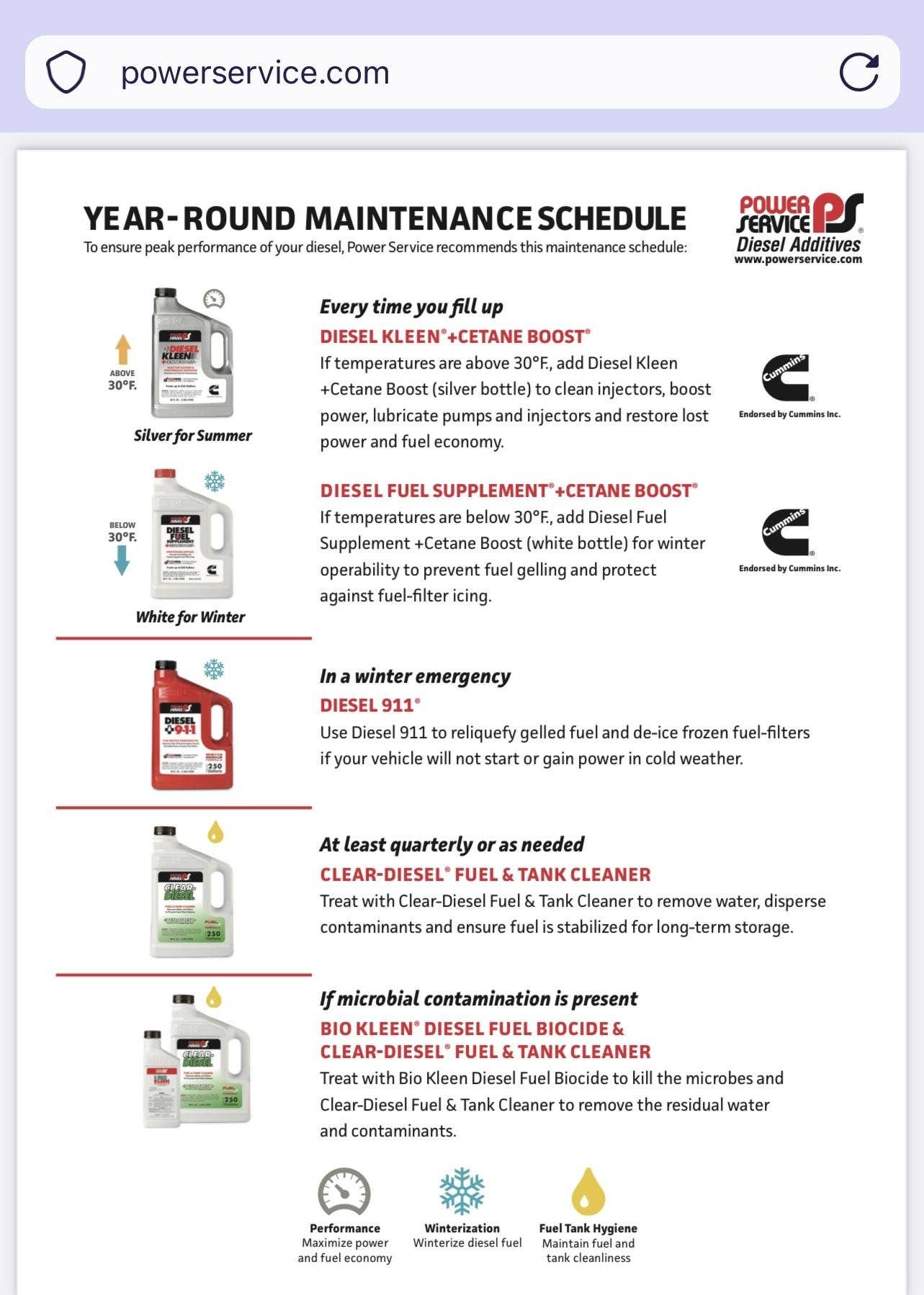
Fuel additives lower the freezing point of diesel. They stop wax crystals from forming in the fuel. Use additives designed for winter use. Add them before cold weather arrives for best results. Follow the instructions on the product label carefully.
Proper Storage Techniques
Store diesel fuel in a cool, dry place away from moisture. Use containers that seal tightly to avoid water contamination. Keep fuel tanks full to reduce air space and condensation. Avoid storing diesel outside during freezing weather whenever possible.
Using Heated Fuel Tanks
Heated fuel tanks keep diesel warm in cold climates. Electric heaters or heat blankets provide constant temperature control. They prevent wax buildup and fuel gelling inside the tank. Heated tanks are especially useful for vehicles and equipment used in extreme cold.
Handling Frozen Diesel
Frozen diesel can bring your vehicle to a sudden halt, especially in cold climates where temperatures dip below the diesel’s freezing point. Handling frozen diesel promptly and correctly is essential to avoid costly delays and potential damage to your engine. Knowing how to safely thaw and manage frozen diesel keeps your vehicle running smoothly even in harsh winter conditions.
Thawing Methods
Start by moving your vehicle to a warmer environment if possible. A heated garage or sheltered area can gradually raise the temperature around the fuel system, helping the diesel thaw naturally.
If a warm space isn’t available, you can use gentle heat sources like a hairdryer or heat gun. Keep the heat moving and avoid focusing on one spot to prevent damage to fuel lines or plastic components.
- Use insulated blankets around the fuel tank to retain heat.
- Consider adding diesel antifreeze additives before extreme cold hits to lower the fuel’s freezing point.
- Keep the vehicle running at idle with the heater on to warm the engine and fuel lines.
Emergency Tips For Drivers
If you find yourself stranded with frozen diesel, stay calm and prioritize safety. Avoid pouring hot water directly on the fuel tank or lines, as the sudden temperature change can cause cracks or leaks.
Carry a small container of diesel fuel additive designed to prevent gelling during winter. Adding this to your tank can help dissolve ice crystals and restore flow.
- Keep extra fuel in a safe, warm place to top up if needed.
- Use a portable heater or heat packs near the fuel filter and lines if safe to do so.
- Call roadside assistance if thawing attempts fail—forcing the engine to start can cause damage.
Have you ever been caught off guard by frozen diesel? What quick fixes worked for you in freezing conditions? Your experience could help others avoid long waits and costly repairs.
Climate Considerations
Understanding climate considerations is crucial when dealing with diesel fuel. Diesel begins to gel and eventually freeze at certain low temperatures, which can disrupt engine performance and cause costly downtime. Knowing how your local climate affects diesel behavior helps you prepare better and avoid unexpected problems.
Cold Weather Regions
If you live or work in areas where temperatures regularly drop below freezing, diesel fuel can gel as low as 15°F (-9°C) or even higher depending on the fuel type. This gelling clogs fuel filters and lines, making it tough for your engine to run smoothly.
In these regions, using winterized diesel blends or additives is essential. These products lower the pour point of diesel, preventing it from solidifying too quickly.
Think about the last time you faced a sudden cold snap. Did your equipment start without a hitch, or did it stall? Preparing for these conditions means less stress and fewer interruptions.
Seasonal Fuel Management
Switching your diesel supply seasonally helps maintain optimal engine performance. During colder months, use winter-grade diesel designed to resist gelling.
Keep an eye on your fuel storage tanks. Cold temperatures can cause condensation, leading to water buildup and potential fuel contamination.
Regularly draining water separators and using fuel additives can keep your diesel clean and flowing. Have you checked your fuel’s condition recently? Taking these steps can save you from unexpected breakdowns when you need your vehicle most.
Maintenance Tips For Cold Weather
Cold weather can be tough on diesel engines, especially when temperatures drop close to or below freezing. Keeping your diesel fuel in good condition is key to avoiding engine troubles and delays. Paying attention to maintenance during winter doesn’t just protect your vehicle—it can save you time and money on costly repairs.
Regular Fuel Checks
Checking your diesel fuel regularly is one of the simplest ways to prevent freezing problems. Water can build up in the fuel, leading to ice crystals that clog fuel lines. Have you noticed your engine sputtering or losing power in cold weather? That might be a sign that your fuel quality is compromised.
Use a clear container to inspect your fuel for cloudiness or separation. Adding anti-gel additives before the temperature drops below 32°F can keep your fuel flowing smoothly. Remember, diesel starts to gel around 15°F, so don’t wait until it’s too late.
Fuel Filter Replacement
Your fuel filter is a frontline defender against contaminants, but cold weather makes it work harder. Ice and wax can clog the filter, restricting fuel flow and causing engine performance issues. Changing your fuel filter before winter sets in ensures it can handle the extra strain.
If your filter looks dirty or you experience starting problems, replace it right away. Some drivers keep a spare fuel filter handy during winter—have you thought about doing the same? This small step can prevent unexpected breakdowns on cold mornings.

Credit: www.trucksales.com.au
Credit: www.ram1500diesel.com
Frequently Asked Questions
At What Temperature Does Diesel Start To Freeze?
Diesel fuel typically begins to gel around 32°F (0°C). However, it doesn’t fully freeze until about -40°F (-40°C). The exact temperature varies based on diesel type and additives.
How Can I Prevent Diesel From Freezing In Cold Weather?
Use winterized diesel blends or additives to lower the freezing point. Store fuel in heated tanks or insulated containers to avoid gel formation in cold climates.
What Happens When Diesel Fuel Freezes In Engines?
When diesel gels, it clogs fuel filters and lines. This restricts fuel flow, causing engine starting issues and poor performance until the fuel warms and thaws.
Is Biodiesel More Prone To Freezing Than Regular Diesel?
Yes, biodiesel tends to gel at higher temperatures than regular diesel. It requires special cold-weather additives or blends to prevent freezing in low temperatures.
Conclusion
Diesel fuel can start to freeze at around 15°F (-9°C). This can cause problems for engines in cold weather. Knowing the freezing point helps drivers prepare better. Using additives or winter blends can prevent fuel from gelling. Keep diesel tanks full to reduce moisture and freezing risk.
Stay aware of the temperature if you rely on diesel vehicles. Taking these steps keeps engines running smoothly in cold conditions. Simple care can avoid costly repairs and delays. Stay warm and keep your diesel flowing.