
Have you ever started making icing only to realize you’re out of butter? It’s a common kitchen dilemma that can stop your baking plans in their tracks.
But what if you didn’t need butter at all? Imagine creating smooth, delicious icing with ingredients you already have at home. You’ll discover simple, tasty alternatives to butter that will keep your cakes and cupcakes looking and tasting amazing. Keep reading, because your next perfect frosting might be just a few steps away—no butter required.
Why Skip Butter In Icing
Butter is a beloved ingredient in many icing recipes, but skipping it can offer numerous benefits. Whether you’re looking to cater to dietary needs or simply want to experiment with different flavors and textures, butter-free icing opens up a world of possibilities. Let’s explore why you might choose to omit butter in your next batch of icing.
Common Butter Issues
Butter can sometimes lead to common challenges in icing, such as greasiness or difficulty in achieving the right consistency. If you’ve ever struggled with icing that separates or doesn’t hold its shape, butter might be the culprit. Removing butter can result in a smoother, more reliable icing that perfectly complements your baked goods.
Dietary Restrictions
More people are adopting diets that exclude dairy for health or ethical reasons. By skipping butter, you can create an icing suitable for those who are lactose intolerant or following a vegan diet. This not only broadens your audience but also shows consideration for diverse dietary needs.
Texture And Flavor Variations
Omitting butter can lead to exciting changes in texture and flavor. For a fluffier, lighter icing, consider using alternatives like coconut oil or margarine. You might discover unique taste profiles that enhance the overall experience of your dessert.
Have you ever considered how different your icing could be without butter? The possibilities are endless, and the results might just surprise you. Experiment with butter-free options and elevate your icing game!
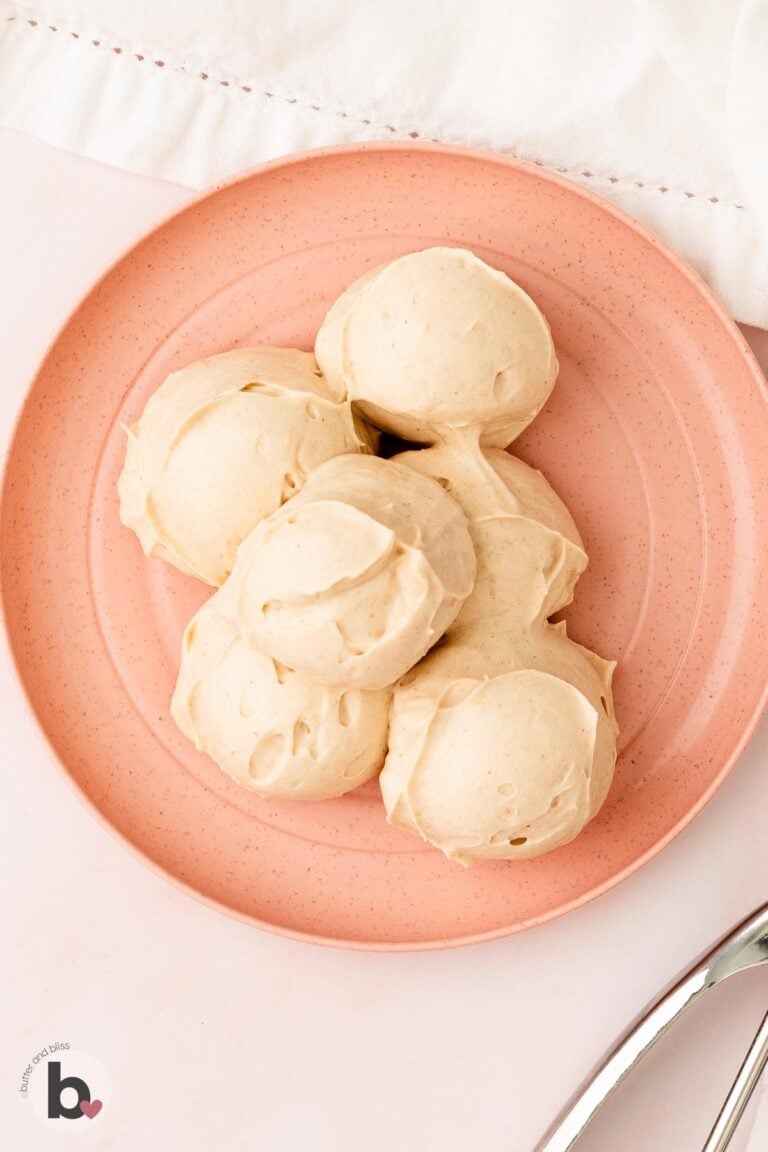
Credit: butterandbliss.net
Cream Cheese Icing
Cream cheese icing offers a delicious alternative if you want to skip butter but still crave a rich, tangy frosting. Its smooth texture and slight tartness make it a perfect match for many cakes and cupcakes. If you’ve never tried it before, you might be surprised how simple and satisfying it is to make.
Ingredients Needed
- Cream cheese:8 ounces, softened to room temperature
- Powdered sugar:2 cups, sifted for smoothness
- Vanilla extract:1 teaspoon for flavor
- Milk or cream:1-2 tablespoons to adjust consistency
- Optional:pinch of salt to balance sweetness
Step-by-step Preparation
Start by beating the softened cream cheese until it’s creamy and smooth. Gradually add the powdered sugar, mixing well after each addition to avoid lumps.
Next, add vanilla extract and a pinch of salt if you like. Check the texture—if it’s too thick, add milk or cream one tablespoon at a time until you reach your preferred consistency.
Whip the mixture for a minute more to make it light and fluffy. Taste it—does it have the right balance for you? Adjust sweetness or tanginess by adding more sugar or cream cheese as needed.
Best Uses And Tips
Cream cheese icing shines on carrot cake, red velvet cake, and spice cakes. Its tangy flavor cuts through sweetness, giving your dessert a fresh taste.
If you want a firmer icing for piping, chill it for 15-20 minutes before decorating. Also, avoid using very cold cream cheese; it can create lumps and a grainy texture.
Have you ever tried mixing a little citrus zest into your cream cheese frosting? A touch of orange or lemon zest can add a surprising pop of flavor that makes your cake unforgettable.
Coconut Oil Icing
Coconut oil icing offers a fantastic alternative to traditional butter-based frostings. It’s perfect if you want a dairy-free option without sacrificing creaminess or flavor. Using coconut oil can add a subtle tropical twist to your icing, making your baked treats stand out.
Choosing The Right Coconut Oil
Not all coconut oils are created equal for icing. Look for virgin or extra-virgin coconut oil for a richer, more natural coconut flavor. Refined coconut oil has a neutral taste but might not provide that signature coconut aroma.
Consider the consistency too. Coconut oil solidifies at cooler temperatures, so if you live somewhere warm, you might need to chill your icing to keep it firm. On the other hand, in colder climates, you may want to soften your coconut oil before mixing to avoid lumps.
Making Smooth Icing
To get that perfect creamy texture, start by softening the coconut oil but not melting it completely. Too liquid and your icing might be runny; too solid and it will be lumpy. Aim for a texture similar to softened butter.
Mix the coconut oil with powdered sugar gradually. Use a hand mixer or stand mixer for best results to avoid graininess. Adding a small splash of milk or plant-based milk can help achieve a smooth consistency without thinning the icing too much.
Flavor Pairings
Coconut oil icing pairs well with a variety of flavors. Try adding vanilla or almond extract for a classic taste. Citrus zests like lime or orange brighten the flavor and complement the coconut notes beautifully.
Spices such as cinnamon or ginger can add warmth and depth. If you want to experiment, a little cocoa powder can turn your coconut oil icing into a rich chocolate frosting that’s still dairy-free. What flavor combinations excite you to try with coconut oil icing?

Credit: chelsweets.com
Shortening-based Icing
Shortening-based icing offers a smooth, creamy alternative to butter icing. It uses vegetable shortening, which is solid fat made from vegetable oils. This type of icing is popular for its stability and ease of use. It works well in warm weather and keeps its shape longer than butter-based icings.
Shortening-based icing is ideal for decorating cakes and cupcakes. It provides a neutral flavor that lets other tastes shine. It’s also a good choice for people avoiding dairy or butter.
Why Use Shortening
Shortening stays solid at room temperature. This makes the icing hold its form better. It resists melting, especially in heat. Shortening also has a neutral taste, which means it won’t overpower other flavors.
This fat is cheaper and lasts longer than butter. It is perfect for large batches of icing. It also creates a very smooth texture that spreads easily.
Recipe And Method
- Start with 1 cup of vegetable shortening.
- Add 4 cups powdered sugar, sifted for smoothness.
- Mix in 2 teaspoons vanilla extract for flavor.
- Pour 2-4 tablespoons of milk or water gradually.
- Beat on medium speed until light and fluffy, about 5 minutes.
- Adjust consistency by adding more sugar or liquid if needed.
Use a mixer for best results. Make sure all ingredients are at room temperature. This helps the icing whip up smooth and creamy.
Texture And Stability
Shortening icing is thick and silky. It spreads and pipes easily without cracking. It stays firm even in warm rooms. This icing holds decorations well for hours.
The texture is less rich than buttercream but still creamy. It offers a clean finish that suits many cake styles. Shortening-based icing is perfect for detailed cake designs and stacked layers.
Vegan Icing Options
Vegan icing offers a perfect alternative to traditional butter-based frostings. It uses plant ingredients that create creamy, sweet toppings for cakes and cupcakes. These options suit those avoiding dairy or following a vegan diet. Many plant-based ingredients work well to mimic the texture and flavor of butter icing.
Plant-based Fats
Plant fats replace butter in vegan icing recipes. Coconut oil is a popular choice because it solidifies at room temperature. It creates a smooth, spreadable texture. Vegan margarine or shortening also works well. Avocado and nut butters add creaminess and a mild flavor. These fats give the icing body and richness without dairy.
Sweeteners And Flavors
Sugar remains the key sweetener in vegan icings. Powdered sugar blends easily with fats for smoothness. Maple syrup or agave nectar adds natural sweetness and moisture. Vanilla extract enhances flavor, making the icing taste richer. Lemon juice or zest can add a fresh twist. These ingredients keep icings tasty and plant-based.
Allergen-friendly Choices
Many vegan icings avoid common allergens like nuts and soy. Use sunflower seed butter or oat milk for safe alternatives. Rice syrup or cane sugar serve as gentle sweeteners. Homemade icings with simple ingredients reduce allergy risks. This makes vegan icing suitable for many dietary needs and preferences.
Fruit Puree And Yogurt Icing
Fruit puree and yogurt icing offers a fresh, tangy alternative to traditional butter-based icings. It’s perfect for those who want a lighter, healthier topping without sacrificing flavor. This type of icing brings natural fruit flavors and creamy texture together, creating a delightful finish for cakes and cupcakes.
Natural Sweetness
Using fruit puree and yogurt means you rely on the fruit’s natural sugars instead of added refined sugar or butter. This can make your icing taste fresher and less heavy. Have you ever noticed how a ripe mango or strawberry adds just the right amount of sweetness without overwhelming your dessert?
You can always adjust the sweetness by choosing sweeter fruits or adding a small amount of honey or maple syrup. This keeps the icing balanced and lets the fruit’s flavor shine through.
Creating Smooth Consistency
The key to a smooth, spreadable icing is blending the fruit puree and yogurt well. You want to avoid lumps or watery texture that can make the icing slide off your cake.
Start with thick Greek yogurt for creaminess, then mix in your fruit puree gradually. If it feels too thick, add a teaspoon of milk or juice to thin it out. If too thin, add a little powdered sugar or more yogurt to thicken.
Best Fruit Choices
Not all fruits work equally well in icing. Choose fruits that are naturally juicy and flavorful, like berries, mango, or peaches. These fruits blend smoothly and provide vibrant color.
- Strawberries – bright red and sweet
- Blueberries – deep color with mild sweetness
- Mango – tropical, smooth, and creamy texture
- Peaches – soft and fragrant
Try combining fruits too. Mixing raspberry and mango can create a unique flavor that surprises your guests. What fruit would you pick to make your icing stand out?
Tips For Perfect Butter-free Icing
Creating icing without butter can be a bit tricky, but it’s completely doable with the right approach. You just need to focus on balancing flavors, textures, and storage to get that perfect finish. Here are some tips to help you master butter-free icing that still tastes amazing and holds up well.
Adjusting Sweetness
Without butter’s creamy richness, your icing might taste sweeter than expected. You can balance this by slightly reducing the powdered sugar or adding a pinch of salt to cut through the sweetness. A little vanilla extract or lemon juice can also add depth and prevent the icing from tasting flat or overly sugary.
Achieving Desired Consistency
Butter adds body and smoothness, so getting the right consistency without it requires some tweaks. Use a mix of powdered sugar and a liquid like milk, cream, or even coconut milk to control thickness. Adding a bit of cornstarch or cream cheese can also help thicken your icing without making it runny.
Storage And Shelf Life
Butter-free icing can sometimes be less stable at room temperature. Store it in an airtight container in the fridge to keep it fresh longer. If it thickens too much when chilled, just stir in a few drops of liquid before using it again.

Credit: makeitdairyfree.com
Frequently Asked Questions
Can You Make Icing Without Butter?
Yes, you can make icing without butter using alternatives like shortening, cream cheese, or coconut oil. These options provide different textures and flavors while keeping the icing smooth and spreadable.
What Ingredients Replace Butter In Icing?
Common butter substitutes in icing include vegetable shortening, cream cheese, coconut oil, and margarine. Each offers unique consistency and taste, allowing for dairy-free or lower-fat options.
Is Butter-free Icing Healthier?
Butter-free icing can be healthier if using alternatives like coconut oil or avocado. These provide healthier fats, but overall nutrition depends on sugar and other ingredients.
How To Make Creamy Icing Without Butter?
Use cream cheese or vegetable shortening to achieve creamy, smooth icing without butter. Beat the substitute with powdered sugar and milk until fluffy and spreadable.
Conclusion
Yes, you can make icing without butter. Many recipes use alternatives like cream cheese, shortening, or coconut oil. These options still give a smooth, creamy texture. You can adjust sweetness and flavor easily. Making butter-free icing works well for those with allergies or dietary needs.
It also keeps well and tastes great. Experiment with different ingredients to find your favorite. Baking without butter does not mean losing flavor or quality. Try these simple methods and enjoy your sweet treats.