Imagine waking up to a camper without running water on a cold morning. Frustrating, right?
When your water lines freeze, it can ruin your trip and cause costly damage. But don’t worry—you can keep your camper’s water flowing smoothly, even in freezing weather. You’ll discover simple, effective ways to protect your water lines from freezing.
Keep reading to learn how to stay comfortable and avoid costly repairs on your next cold-weather adventure.
Credit: www.happycampers.store
Causes Of Frozen Camper Water Lines
Freezing occurs when water stays inside camper pipes during cold weather. Lack of insulation and exposure to wind make water lines freeze easily. Preventing cold air from reaching pipes helps keep water flowing smoothly.
Frozen camper water lines can cause many problems. Understanding their causes helps in prevention. Cold temperatures are the main culprit. They can freeze water inside the pipes. When water freezes, it expands. This can damage the pipes, causing leaks or bursts. Let’s explore the common weather conditions and vulnerable parts of the water system. These factors increase the risk of freezing.Common Weather Conditions
Cold climates pose a threat to camper water lines. Temperatures below freezing lead to ice formation. Sudden temperature drops can also freeze water quickly. Wind chill makes the situation worse. It lowers the felt temperature around the camper. Snow and ice build-up can insulate cold air, trapping it around pipes. This causes the pipes to freeze faster. Weather patterns vary, but these conditions are common in many regions.Vulnerable Parts Of Water System
Certain parts of the water system are more at risk. Exposed pipes outside the camper are most vulnerable. They lack protection from the cold. Pipes near doors or windows can freeze due to drafts. Water tanks not insulated well can also freeze. Connections and joints between pipes are weak points. These areas may have small gaps where cold air enters. It’s crucial to identify and protect these vulnerable parts.Preventive Measures Before Winter
Preparing your camper’s water system before winter hits can save you from costly repairs and frustration. Taking preventive steps early ensures your water lines don’t freeze and burst when temperatures drop. What simple actions can you take now to protect your investment and enjoy worry-free camping even in cold weather?
Drain Water Lines Completely
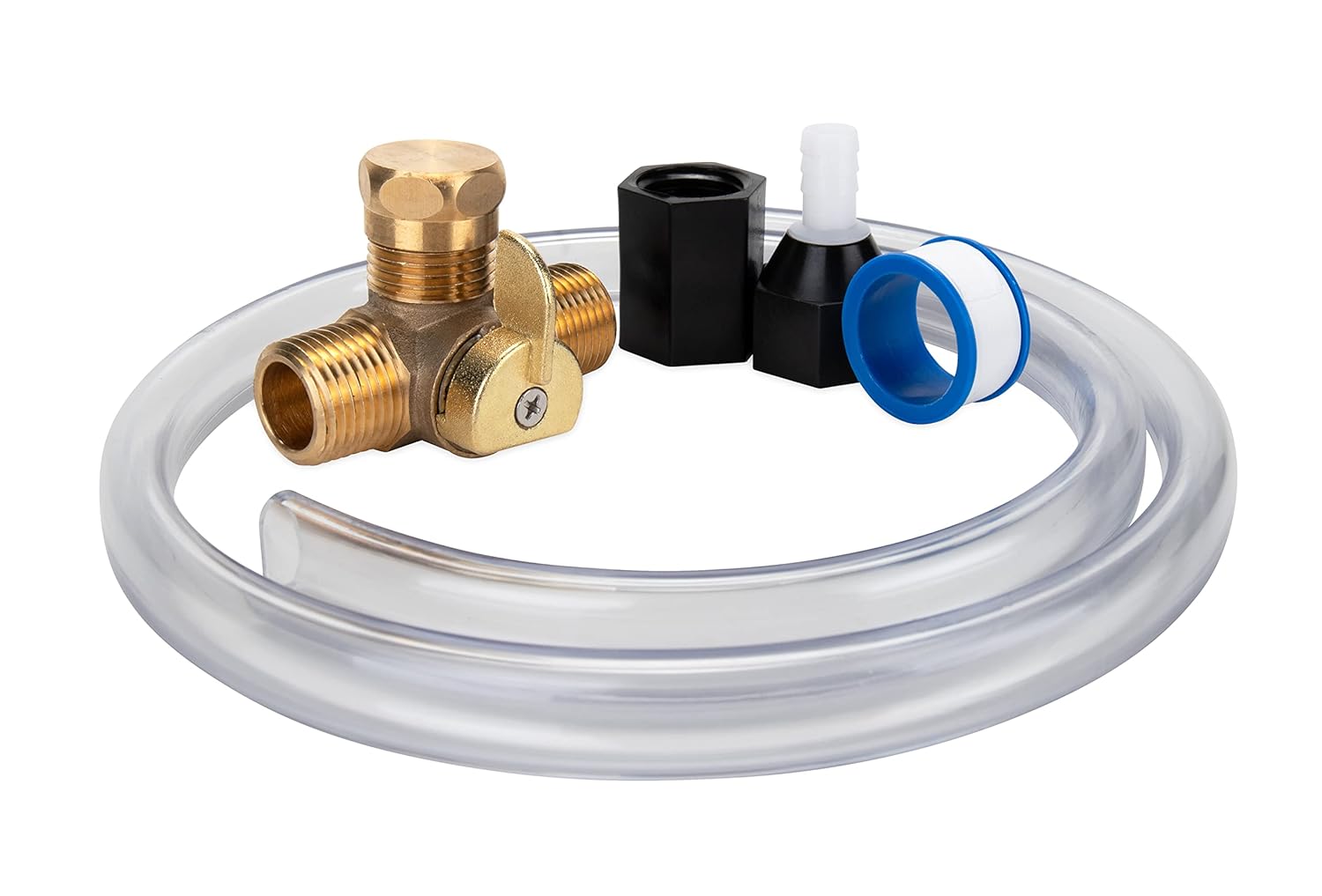
Start by removing all water from your camper’s plumbing system. Open every faucet and drain valve to let water flow out fully.
Don’t forget to flush the toilet and drain the water heater. Standing water freezes quickly and can cause pipes to crack.
Check traps and low points in your plumbing to make sure no water is trapped. Using an air compressor to blow out remaining water can be especially effective.
Use Antifreeze Solutions
After draining, add non-toxic RV antifreeze to your water lines. This helps prevent any leftover water from freezing.
Pour antifreeze into sinks, showers, and toilets. Run it through each faucet until you see the pink color come out, confirming coverage.
Choose antifreeze designed specifically for RVs to avoid damage to your system and ensure safety.
Insulate Pipes And Tanks
Wrap exposed pipes and tanks with foam sleeves or heat tape. Insulation acts as a barrier against cold air.
Pay close attention to areas near exterior walls or under the camper, where cold drafts are strongest.
Adding insulation panels around tanks can keep water temperature stable and reduce freeze risk during extreme cold.
On-the-road Protection Techniques
Keeping your camper’s water lines from freezing while on the road requires smart, practical steps. These techniques can save you from unexpected headaches and costly repairs. Let’s focus on simple ways to protect your water lines during chilly travels.
Keep Water Flowing
Did you know that moving water is less likely to freeze? Letting a faucet drip slowly keeps water moving through the pipes, reducing the chance of ice forming. It’s a small adjustment that can prevent big problems.
Try to keep the water running at a steady, gentle flow. You don’t need a flood—just enough to keep things moving. This technique works best when you’re parked overnight in cold spots.
Use Heat Tape Or Heating Pads
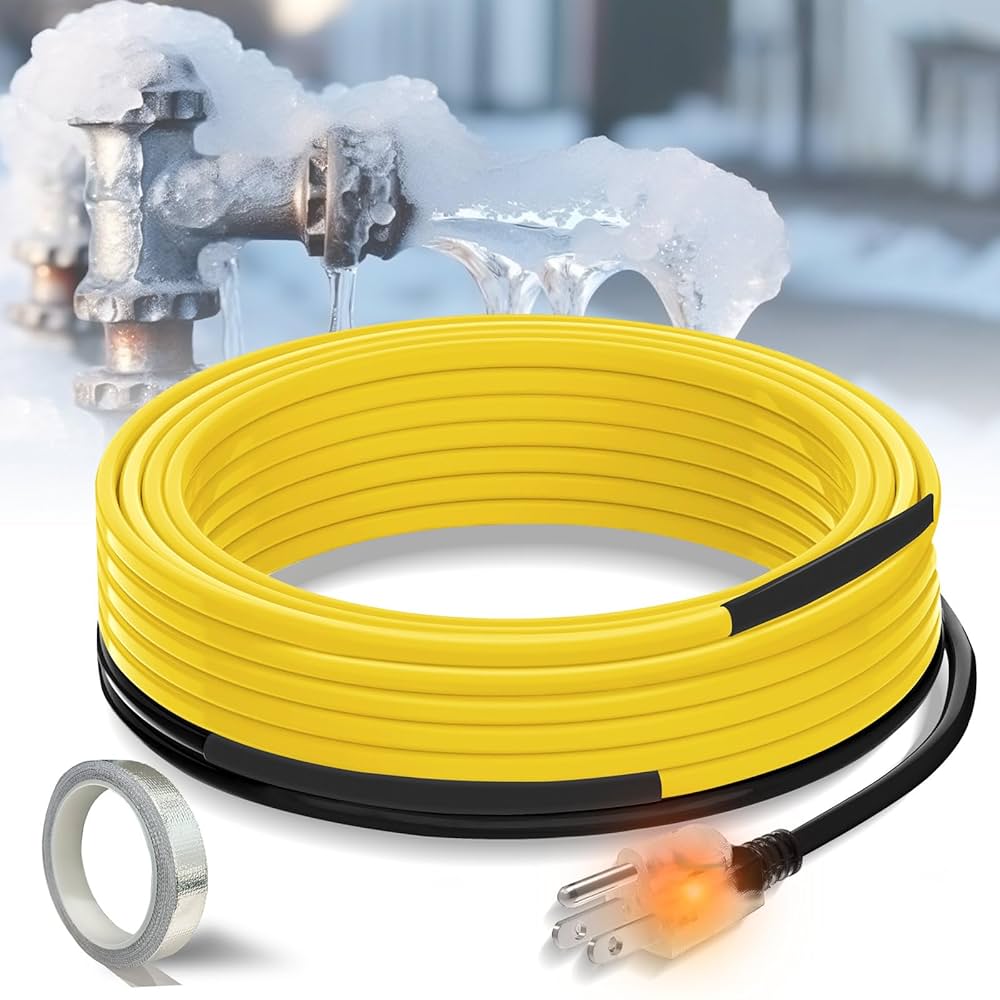
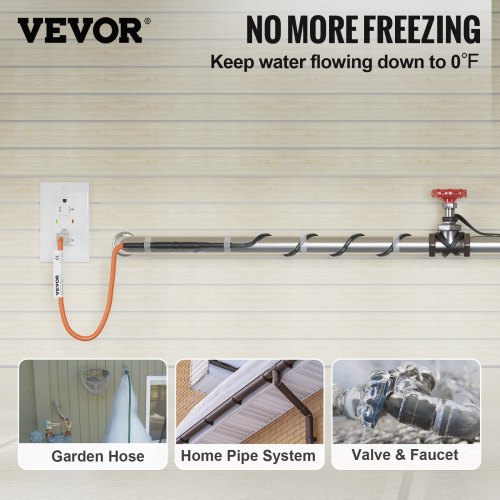
Heat tape is a flexible electric heating element that wraps around water lines to keep them warm. It’s easy to install and uses minimal energy. I once relied on heat tape during a winter trip, and it saved me from frozen pipes when the temperature dropped below zero.
Heating pads designed for pipes work similarly and often come with built-in thermostats. Make sure to choose products specifically made for water lines to avoid safety issues. Using these tools gives you peace of mind during unexpected cold snaps.
Park Strategically
Where you park your camper can make a huge difference. Avoid low spots where cold air settles and moisture collects. Instead, look for locations with natural windbreaks or sun exposure to keep temperatures slightly warmer around your water lines.
Have you noticed how parking close to buildings or under trees can change the cold you feel? Use these natural features to your advantage to reduce freezing risk. A little planning before settling in can save you time and hassle later.
Credit: www.promasterforum.com
Emergency Solutions For Frozen Lines
Frozen camper water lines can cause major problems during cold weather. Quick action is essential to restore water flow and prevent further damage. Emergency solutions focus on safe thawing methods and protecting your pipes from cracks or bursts.
Thawing Frozen Pipes Safely
Use gentle heat sources to warm frozen pipes slowly. A hairdryer or heat gun on low setting works well. Keep the heat moving over the pipe to avoid overheating any spot.
Wrap the pipe with warm towels or use warm water bottles. Avoid open flames or high heat, as they can damage pipes or cause fire hazards. Patience is key; rushing can lead to pipe bursts.
Avoiding Damage During Thaw
Check for leaks as pipes begin to thaw. Small cracks may appear and worsen if ignored. Turn on faucets to relieve pressure inside the pipes.
Never use sharp tools to break ice inside pipes. This can cause permanent damage. Keep the camper heated and insulated after thawing to prevent refreezing.
Maintenance Tips For Year-round Care
Keeping your camper’s water lines from freezing isn’t just a seasonal task—it requires ongoing care throughout the year. Proper maintenance ensures your system stays in top shape, avoiding costly repairs and frustrating leaks. Let’s dive into key maintenance tips that will help you protect your water lines no matter the weather.
Regular Inspections
Check your water lines often, even during warmer months. Look for any cracks, leaks, or signs of wear that could worsen when temperatures drop. Catching small issues early can save you from major headaches later.
Don’t forget to inspect connections and seals around faucets and valves. Make sure everything is tight and secure. You might be surprised how often simple loose fittings cause freezing problems.
Upgrading Equipment
If your camper is older, consider swapping out old water lines for newer, freeze-resistant materials. PEX tubing, for example, is flexible and less prone to cracking in cold weather.
Investing in heated water hoses or insulated covers can also make a big difference. These upgrades might cost a bit upfront but pay off by preventing freeze damage and extending your water system’s life.
Storing Camper Properly
How you store your camper during the off-season impacts water line health. Always drain your water system completely to avoid leftover water freezing inside the pipes.
Park your camper in a sheltered spot if possible. Using wheel well covers or skirting can reduce cold air exposure under your camper, helping to keep water lines warmer.
Have you checked your camper’s winter storage setup lately? A few tweaks might keep your water lines safe and sound all year long.
Credit: www.vevor.com
Frequently Asked Questions
How Can I Prevent Camper Water Lines From Freezing?
Use foam pipe insulation and heat tape on exposed water lines. Keep water flowing slightly to avoid freezing. Drain water lines completely if not in use during cold weather. Store your camper in a heated area when possible.
What Are The Best Materials To Insulate Camper Pipes?
Foam pipe insulation and heat tape are highly effective. Use weather-resistant materials to prevent moisture damage. Insulating blankets or wraps also help maintain pipe warmth. Proper insulation reduces freezing risks and costly repairs.
Should I Keep Water Running To Stop Freezing?
Yes, a slow drip keeps water moving, reducing freeze risk. This method is energy-efficient and simple. It prevents pressure buildup that can burst pipes. Combine dripping with insulation for best results.
How Do Heat Tapes Work On Camper Water Lines?
Heat tapes wrap around pipes and generate low-level heat. They maintain temperature above freezing to prevent ice formation. Heat tapes are easy to install and use minimal power. Always follow manufacturer guidelines for safety.
Conclusion
Keeping your camper water lines from freezing protects your plumbing and saves money. Use insulation and heat tape for best results. Drain water lines before cold weather arrives. Check your system regularly for leaks or damage. Taking small steps now prevents big problems later.
Enjoy your camping trips without water worries. Stay warm and safe on every adventure. Simple care keeps your water flowing smoothly all winter long.