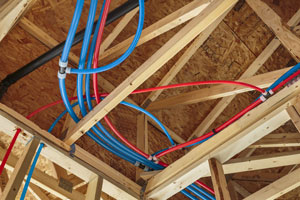
When freezing temperatures hit, your PEX pipes are at risk of bursting, causing costly damage and headaches. You don’t want to face a frozen pipe emergency in the middle of winter.
But how do you protect your plumbing without spending a fortune or turning your home into a construction zone? This guide will show you simple, effective ways to keep your PEX pipes from freezing—saving you time, money, and stress. Keep reading, and you’ll learn easy steps you can take right now to safeguard your home before the cold sets in.

Credit: www.angi.com
Why Pex Pipes Freeze
Pex pipes freeze because water inside them turns solid in cold temperatures. Keeping them warm and insulated stops freezing and pipe damage. Simple steps like wrapping pipes and letting faucets drip help prevent freezing.
Understanding why Pex pipes freeze is essential for preventing this common household issue. Pex, or cross-linked polyethylene, is known for its flexibility and durability, yet it is not immune to freezing in harsh conditions. This can lead to significant water damage if not addressed properly. Let’s explore what makes Pex pipes susceptible to freezing and where in your home they are most at risk.Pex Material And Temperature Sensitivity
Pex pipes are designed to withstand a range of temperatures, but extreme cold can still pose a threat. The material itself is more flexible than traditional copper pipes, allowing it to expand slightly if water inside begins to freeze. However, this flexibility has limits, and prolonged exposure to freezing temperatures can lead to cracks or bursts. Knowing the temperature tolerance of your Pex pipes can help you assess the risk and take preventative measures.Common Freeze Zones In Homes
Certain areas in your home are more prone to freezing than others. Pipes located in unheated spaces such as basements, attics, and garages are particularly vulnerable. I once had a pipe freeze in an outdoor wall, a spot I never thought to check until it was too late. Have you considered adding insulation to these areas? It’s a simple step that can save you from the hassle of a frozen pipe burst. Think about the coldest spots in your home—are your Pex pipes safe there? Implementing these tips and being mindful of your Pex pipe locations can keep your home safe from the winter chill.Signs Of Frozen Pex Pipes
Spotting frozen PEX pipes early can save you from costly repairs and major water damage. Knowing the signs helps you act fast before the situation worsens. Here’s what to watch for when you suspect your PEX pipes might be frozen.
Reduced Water Flow
If you notice the water pressure dropping suddenly, it could mean your PEX pipes are freezing. Water moves slower or stops completely when ice blocks the pipe inside. Have you ever turned on a tap and felt only a trickle? That’s a clear warning sign.
Try running water from different faucets to see if the problem is isolated or widespread. This can help you identify which pipe might be frozen. Paying attention to these changes early can prevent burst pipes.
Visible Pipe Frost Or Bulging
Sometimes you can actually see ice forming on your pipes. Frost appears as a white, powdery coating on the outside of the PEX pipe, especially in cold, unheated areas like basements or crawl spaces.
Bulging is even more serious—when ice inside the pipe expands, it stretches the pipe outwards. This swelling can cause cracks or leaks once the ice thaws. Have you checked your pipes for any unusual bumps or frost lately? A quick look might save you from a disaster.
Preventive Measures For Pex Pipes
Protecting your PEX pipes from freezing is crucial, especially during harsh winter months. Taking preventive measures can save you from costly repairs and water damage. Let’s look at practical steps you can take right now to keep your pipes safe and functional.
Insulating Pipes Properly
Adding insulation to your PEX pipes is one of the simplest ways to prevent freezing. Use foam pipe sleeves or fiberglass wrap designed for plumbing. Make sure every exposed section, especially those in unheated areas like basements or crawl spaces, is fully covered.
Don’t just focus on visible pipes—check inside cabinets and along exterior walls too. Even a thin layer of insulation can make a big difference in keeping the cold out. Have you checked your pipe insulation lately?
Sealing Drafts And Openings
Cold air sneaking in through cracks and gaps can quickly freeze your pipes. Look around windows, doors, and where pipes enter your home for any drafts. Use weatherstripping or caulk to seal these openings tightly.
Think about areas like crawl spaces and attics as well—blocking drafts there can protect pipes running nearby. Small gaps are easy to miss but can cause big problems. What’s the last area you sealed against cold air?
Maintaining Consistent Indoor Temperatures
Keeping your home’s temperature steady helps prevent pipe freezing, especially overnight or when you’re away. Avoid dropping the thermostat too low; aim to keep it above 55°F (13°C). Even a slight dip can put your pipes at risk.
If you have pipes in less heated parts of your home, consider using space heaters or heat tape to maintain warmth. Consistency is key—does your heating system keep every corner warm enough?
Using Heat To Protect Pipes
Using heat is an effective way to keep PEX pipes from freezing. Heat adds warmth directly to the pipe, preventing ice buildup inside. This method works well in very cold areas or where pipes are exposed to low temperatures.
Heat devices come in different forms. They deliver steady warmth to the pipe, ensuring water flows freely. Choosing the right heating option depends on the pipe location and your needs.
Heat Tape And Cable Options
Heat tape and heat cables are popular choices for protecting PEX pipes. These products wrap around the pipe and produce gentle heat. They plug into an electrical outlet and turn on automatically when temperatures drop.
- Self-regulating heat tape adjusts heat to prevent overheating.
- Constant wattage heat cable provides steady warmth along the pipe.
- Some heat tapes come with built-in thermostats for better control.
- Flexible designs fit easily around bends and corners of the pipe.
Both options are easy to install and offer reliable freeze protection. They help keep water flowing even during freezing nights.
Safe Usage Tips For Heating Devices
Safety is important when using heat tapes or cables. Follow these tips to avoid hazards:
- Read the manufacturer’s instructions carefully before installation.
- Do not overlap heat tape or cables on themselves.
- Use only products approved for your pipe type, such as PEX-safe tapes.
- Keep heat devices away from flammable materials.
- Inspect heating devices regularly for damage or wear.
- Turn off heat tapes when pipes are not at risk of freezing.
Proper use extends the life of heating devices and protects your home. Heat devices work best with insulation around the pipe for extra warmth.
Water Flow Techniques To Avoid Freezing
Water flow plays a key role in preventing PEX pipes from freezing during cold weather. Moving water resists freezing better than still water. Even a small flow can keep pipes safe in freezing temperatures. These simple techniques use water movement to protect your plumbing.
Trickling Faucets
Let cold water drip slowly from a faucet connected to PEX pipes. This keeps water moving inside the pipes. A steady drip stops water from standing still and freezing. It works best during very cold nights or days. A small trickle uses little water but offers good protection.
Focus on faucets farthest from the main water supply. These pipes are most likely to freeze. Keep a consistent drip, not a full flow. The slow movement helps heat from inside the home reach the pipes.
Opening Cabinet Doors
Open cabinet doors under sinks where PEX pipes run. This allows warm air from the room to reach the pipes. Cabinets often trap cold air, chilling the pipes inside. Opening doors improves air circulation and raises pipe temperature.
This simple step is effective in kitchens and bathrooms. It helps keep pipes warm without extra heating devices. Combine this with trickling faucets for better protection. Keep doors open during freezing weather, especially at night.
Credit: garynsmith.net
Outdoor Pex Pipe Protection
Protecting your outdoor PEX pipes from freezing is crucial, especially during harsh winter months. Outdoor exposure means pipes face cold temperatures, wind, and moisture that can cause them to freeze and burst. Taking the right steps to shield your pipes can save you from costly repairs and water damage.
Proper Burial Depths
One of the best ways to protect your outdoor PEX pipes is by burying them at the correct depth. Soil acts as natural insulation, keeping pipes warmer than the air above.
The recommended burial depth varies by region, but generally, pipes should be buried below the local frost line. This depth prevents the ground from freezing around the pipe, reducing freeze risk.
Have you checked your area’s frost line recently? Local building codes or a quick online search can give you exact numbers to ensure your pipes are safe underground.
Insulating Outdoor Fixtures
Exposed outdoor fixtures, like hose bibs or faucets connected to PEX pipes, are vulnerable to freezing. Adding insulation around these fixtures helps maintain warmth.
Use foam pipe sleeves or insulated covers designed for outdoor faucets. These products are easy to install and remove when warmer weather returns.
If you’ve ever experienced a frozen outdoor faucet, you know how fast water damage can escalate. Wrapping pipes with heat tape or using thermostatically controlled heating cables can add extra protection in extremely cold climates.
Emergency Actions For Frozen Pipes
Frozen PEX pipes need quick action to avoid bursts and water damage. Acting fast can save your home from costly repairs. Knowing the right emergency steps helps you handle frozen pipes safely and effectively.
Safe Thawing Methods
Thaw PEX pipes slowly and carefully to prevent damage. Use a hair dryer on low heat to warm the pipe evenly. Keep the dryer moving to avoid overheating one spot.
Another safe way is to wrap the pipe with warm towels. Replace towels often as they cool down. Heat lamps or portable heaters can also help if placed safely nearby.
Avoid using open flames or high heat devices. These can melt the PEX or cause fires. Always check the pipe regularly during thawing to spot leaks early.
When To Call A Professional
Call a plumber if you see cracks or leaks in the pipe. Frozen pipes that burst need expert repairs immediately. Professionals have tools to thaw pipes safely and fix damage.
Contact a professional if you cannot find the frozen section. Or if the pipe is in a hard-to-reach area. Experts can also help prevent future freezing problems.

Credit: cactusplumbingandair.com
Frequently Asked Questions
How Can I Prevent Pex Pipes From Freezing?
Insulate PEX pipes with foam sleeves or heat tape. Keep pipes in heated areas and seal leaks. Allow faucets to drip during extreme cold to prevent freezing.
What Temperature Causes Pex Pipes To Freeze?
PEX pipes can start freezing at 32°F (0°C). Prolonged exposure to temperatures below freezing increases the risk of pipe damage and bursting.
Is It Safe To Use Heat Tape On Pex Pipes?
Yes, using heat tape designed for plumbing is safe. It provides consistent warmth to prevent freezing without damaging the PEX material.
Can Dripping Faucets Protect Pex Pipes From Freezing?
Yes, dripping faucets keep water moving, reducing freezing risk. Even a slow drip helps prevent ice blockages inside PEX pipes.
Conclusion
Protecting PEX pipes from freezing saves you money and stress. Wrap pipes with insulation to keep cold out. Let faucets drip slightly during very cold nights. Keep garage doors closed if pipes are inside. Seal any cracks that let cold air in.
These simple steps help prevent pipe bursts. Stay prepared before winter’s worst hits. Small efforts now avoid big problems later. Take action early to keep your water flowing.