Are you wondering if you can keep a deep freezer outside without risking your food or the appliance itself? It’s a common question that many people face when space inside is limited or when outdoor storage seems convenient.
But before you just plug it in and start loading it up, there are important things you need to know. From weather concerns to energy use and safety tips, this guide will help you make the right choice for your deep freezer.
Keep reading to find out exactly what you should consider before placing your deep freezer outdoors.

Credit: www.amazon.ca
Benefits Of Outdoor Deep Freezers
Outdoor deep freezers save indoor space and offer easy access to extra storage. They work well in cool, shaded areas and protect food from power outages. Proper placement helps keep the freezer running efficiently and extends its life.
Having a deep freezer outside can offer several advantages, making it a practical choice for many households. Not only does it free up indoor space, but it also provides a convenient solution for those who love to shop in bulk. Plus, there are energy efficiency benefits to consider, which can make a noticeable difference in your utility bills.Space Saving Solutions
Placing a deep freezer outside can free up valuable space inside your home. If you’ve ever felt cramped with limited storage, moving the freezer outdoors can be a game changer. Imagine having extra room in your kitchen or utility room for other essentials or even just to breathe a little easier.Convenience For Bulk Storage
Are you a fan of buying in bulk during sales? An outdoor deep freezer is perfect for storing those extra items that your indoor freezer can’t handle. It allows you to take advantage of bulk discounts and keep your food fresh for longer without worrying about space constraints.Energy Efficiency Considerations
Outdoor deep freezers can be more energy-efficient than you might think. When placed in cooler environments, they often require less energy to maintain low temperatures. However, it’s essential to check the manufacturer’s guidelines to ensure your model is suitable for outdoor use and won’t spike your energy bills. Have you thought about how an outdoor freezer could simplify your life? It might be the solution to your storage woes and a step towards more efficient home management.Challenges Of Outdoor Placement
Placing a deep freezer outside might seem like a convenient way to save indoor space, but it comes with several challenges you should consider. Outdoor placement exposes your appliance to various elements that can affect its performance and lifespan. Understanding these challenges will help you decide if it’s worth it or if you need extra precautions to protect your freezer.
Weather Exposure Risks
Outdoor freezers face direct exposure to rain, snow, and sunlight. Moisture can cause rust and damage electrical components, while constant sun exposure may lead to overheating. Have you thought about how often your freezer might get drenched or blasted by the sun during the day?
Protecting your freezer with a weatherproof cover or placing it in a sheltered area can reduce these risks. Still, consider that extreme weather conditions might require you to perform more frequent maintenance.
Temperature Fluctuations
Deep freezers are designed to work best within certain temperature ranges. Outdoor temperatures that swing from freezing cold to sweltering heat can make the freezer work harder to maintain its internal coldness.
This extra strain can increase energy consumption and shorten the appliance’s lifespan. If you live in an area with extreme seasons, ask yourself if your freezer can handle those fluctuations without breaking down.
Pest And Wildlife Concerns
Animals and insects can cause unexpected problems for an outdoor freezer. Rodents may chew on wiring, while bugs can find their way inside if seals aren’t perfect.
Even larger wildlife could knock the freezer over or damage it while searching for food. Securing your freezer against pests requires constant vigilance, and sometimes, additional barriers or traps.
Choosing The Right Freezer For Outdoors
Choosing the right freezer for outdoors requires careful thought. The freezer must handle changing weather and keep food frozen. Not all freezers work well outside. Some models are built to resist rain, heat, and cold. Others may waste energy or break down. Size also matters. A freezer too big or small can cause problems. Consider your needs and space before buying.
Weatherproof Models
Weatherproof freezers protect against rain, snow, and dust. They have sealed lids and strong materials. Rust-resistant coatings extend their life. Look for freezers with good seals to keep moisture out. These models often have extra insulation. A weatherproof freezer works well in cold and hot climates. It prevents damage from outdoor elements.
Energy Ratings And Insulation
Energy-efficient freezers save electricity and money. Good insulation keeps cold air inside longer. This reduces how hard the freezer works. Check the energy rating before buying. Higher ratings mean lower power use. Outdoor freezers with thick insulation maintain steady temperatures. This helps keep food safe and fresh.
Size And Capacity Options
Choose a size that fits your outdoor space and needs. Small freezers suit limited areas and fewer items. Large freezers hold more food but use more energy. Consider how often you open the freezer. Bigger freezers lose cold air faster when opened. Think about your usual storage needs before deciding.
Credit: true-routes.com
Setting Up Your Freezer Outside
Setting up a deep freezer outside needs careful planning. The right setup keeps your freezer working well and lasts longer. Outdoor conditions can affect its performance and safety.
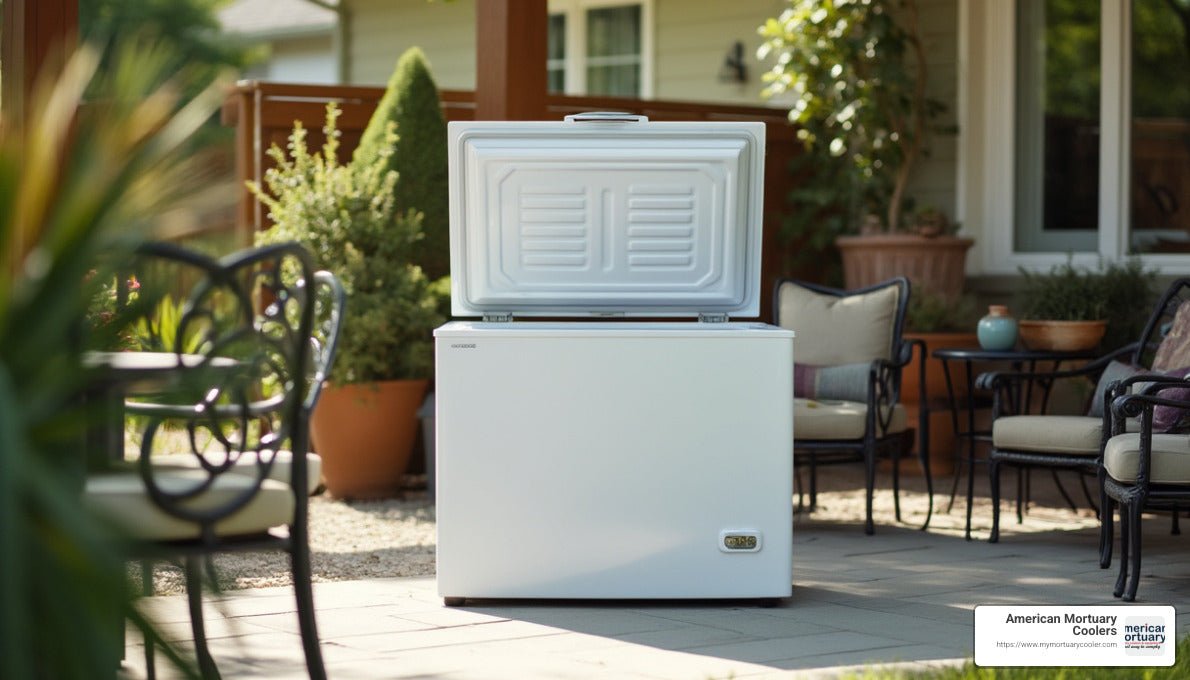
Choose a spot that protects the freezer and lets it run efficiently. Make sure the ground supports the freezer’s weight and provides stable footing. Proper ventilation around the freezer is important to avoid overheating.
Ideal Location Tips
- Select a shaded area to avoid direct sunlight.
- Keep the freezer away from wet or damp spots.
- Place it near a power source with easy access.
- Choose a flat and firm surface to prevent tipping.
- Ensure the location is safe from heavy rain or snow accumulation.
Proper Grounding And Ventilation
Use a solid base such as concrete or wooden pallets to keep the freezer off the ground. This prevents moisture damage and improves airflow. Leave space around the freezer, at least 6 inches on all sides. This space helps heat to escape and keeps the motor cool. Check that the freezer’s power plug is properly grounded to avoid electrical hazards.
Shelter And Cover Solutions
- Build or buy a weatherproof shelter to protect from rain and snow.
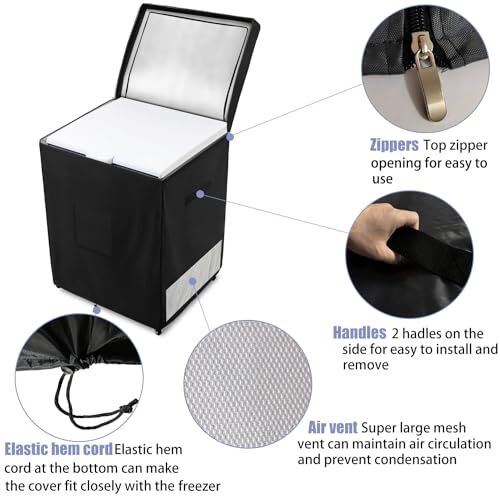
- Use a cover designed for outdoor freezers to block dust and debris.
- Ensure the shelter allows for ventilation to avoid heat buildup.
- Avoid using plastic covers that trap moisture inside.
- Consider a roof or awning that extends beyond the freezer’s edges.
Maintenance And Safety Practices
Keeping a deep freezer outside can be convenient, but it demands careful maintenance and safety measures to ensure it operates efficiently and lasts longer. Neglecting these practices can lead to unexpected breakdowns or even safety hazards. Let’s dive into some essential tips that help you keep your outdoor freezer in top shape.
Regular Cleaning Routines
Cleaning your deep freezer regularly prevents frost build-up and keeps the appliance running smoothly. Start by unplugging the freezer and removing all items before wiping down the interior with a mild soap solution. Don’t forget to clean the door seals and the exterior, especially if your freezer is exposed to dust, leaves, or bird droppings.
Have you noticed a strange smell or sticky residue inside your freezer? That’s often a sign it needs a thorough clean. Try to schedule this at least twice a year, or more often if you live in a dusty or humid area.
Monitoring Temperature Stability
Maintaining a consistent temperature is crucial for food safety and freezer efficiency. Use a standalone thermometer to check if your freezer stays at the recommended -18°C (0°F) or lower. Fluctuating temperatures can spoil food and strain the freezer’s compressor.
Think about how extreme weather affects your freezer. Cold winters might cause the freezer to run less frequently, while hot summers can overwork it. Monitoring the temperature helps you spot these issues early and decide if additional insulation or a protective cover is needed.
Avoiding Electrical Hazards
Outdoor settings expose your freezer to moisture and variable weather, increasing the risk of electrical problems. Always use a grounded outlet and avoid extension cords, which can overheat and cause fires. If your freezer is near a water source, make sure the electrical connections stay dry and protected.
Have you checked your freezer’s power cord for cracks or damage? Damaged cords are a common cause of electrical hazards. Replace any faulty wiring immediately and consider installing a weatherproof cover over your outlet to keep moisture out.
Troubleshooting Common Issues
Keeping a deep freezer outside can cause some common issues. These problems can affect its performance and lifespan. Knowing how to handle these issues helps keep your freezer working well. Troubleshooting is important to avoid food spoilage and save money on repairs.
Dealing With Frost Buildup
Frost buildup is a frequent problem in outdoor freezers. Cold air and moisture cause ice to form inside. Thick frost makes the freezer less efficient and reduces storage space.
- Turn off the freezer and unplug it.
- Remove all food and place it in a cooler.
- Allow the ice to melt naturally or use a bowl of hot water inside.
- Do not use sharp objects to chip away the ice.
- Clean and dry the freezer before turning it back on.
- Check door seals to prevent warm air from entering.
Handling Power Outages
Power outages can harm your deep freezer’s contents. Food may thaw and spoil if the outage lasts long. Prepare for outages to protect your food and freezer.
- Keep the freezer door closed during an outage.
- Use a thermometer to monitor the freezer’s temperature.
- Consider a backup power source like a generator.
- Have coolers and ice packs ready for emergencies.
- Check food for spoilage before refreezing after power returns.
Repair And Warranty Tips
Freezer repairs may be needed from time to time. Knowing warranty details helps avoid extra costs. Follow these tips for smooth repairs and claims.
- Read the warranty terms carefully before buying.
- Keep the purchase receipt and warranty card safe.
- Perform regular maintenance to avoid major repairs.
- Contact authorized service centers for repairs.
- Document any issues and repair attempts.
- Report problems within the warranty period.
Credit: mymortuarycooler.com
Frequently Asked Questions
Can A Deep Freezer Function Properly Outdoors?
Yes, a deep freezer can work outdoors if it’s designed for outdoor use. Protect it from extreme weather and moisture for optimal performance.
What Weather Conditions Affect Outdoor Deep Freezers?
Extreme heat, cold, rain, and humidity can impact efficiency. Proper insulation and weatherproof covers help maintain temperature and prevent damage.
How To Protect A Deep Freezer Kept Outside?
Use a waterproof cover and place it on a raised platform. Keep it shaded and away from direct sunlight to extend its lifespan.
Will Outdoor Placement Increase Electricity Consumption?
Outdoor placement may increase energy use due to temperature fluctuations. Ensuring good insulation and avoiding direct sunlight helps reduce extra electricity costs.
Conclusion
Keeping a deep freezer outside can work with the right care. Choose a sheltered spot to protect it from rain and sun. Watch the temperature; extreme cold or heat can harm the freezer. Regularly check seals and clean the freezer to keep it efficient.
Remember, outdoor placement may shorten its life. Weigh the risks and benefits before deciding. A little effort helps your freezer last longer outside.